
Spectacular open-air concert lights up Baku as part of Turkic World Week [PHOTOS]
![Spectacular open-air concert lights up Baku as part of Turkic World Week [PHOTOS]](https://www.azernews.az/media/2026/07/01/foierjfreof20.jpg)

Laman Ismayilova
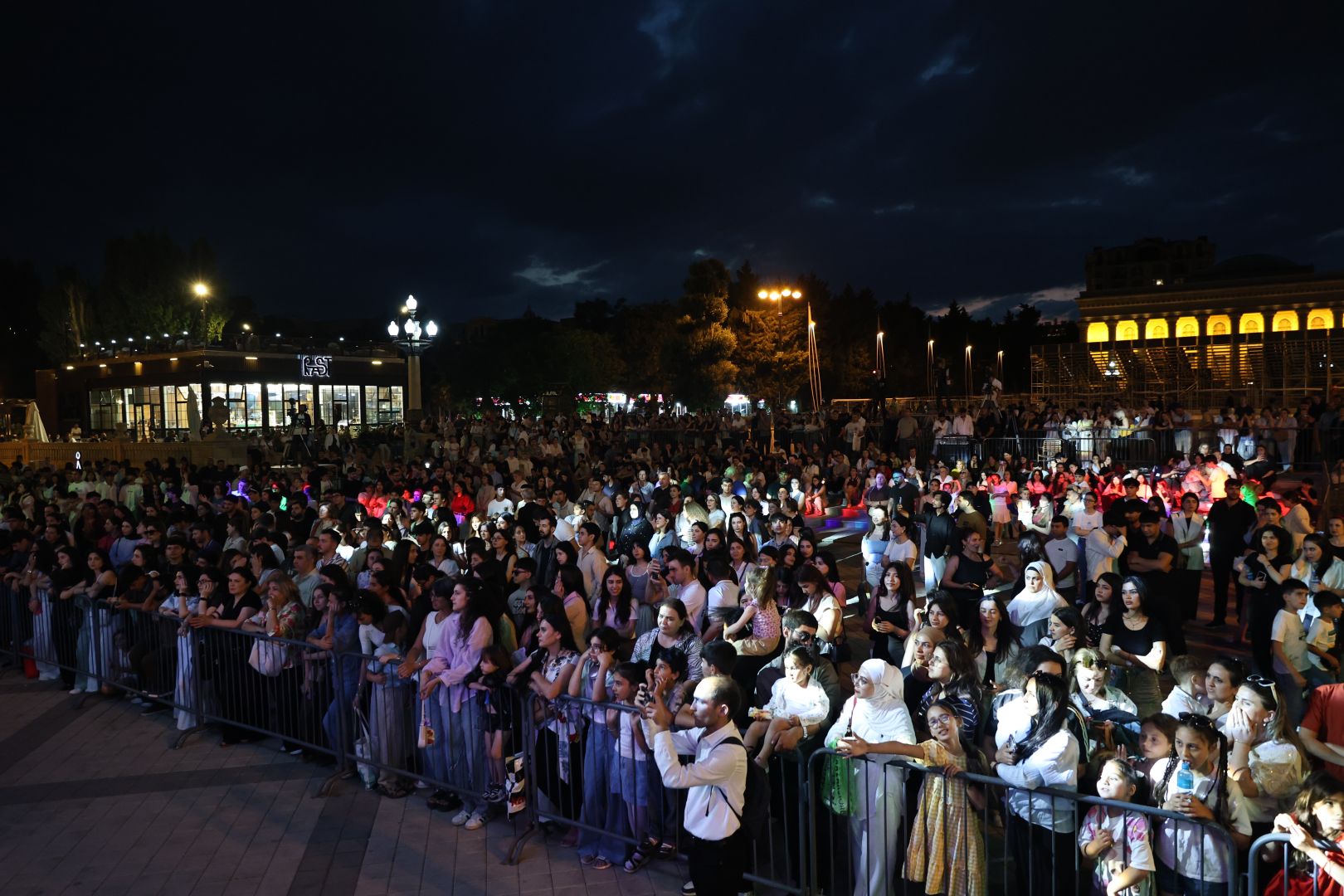
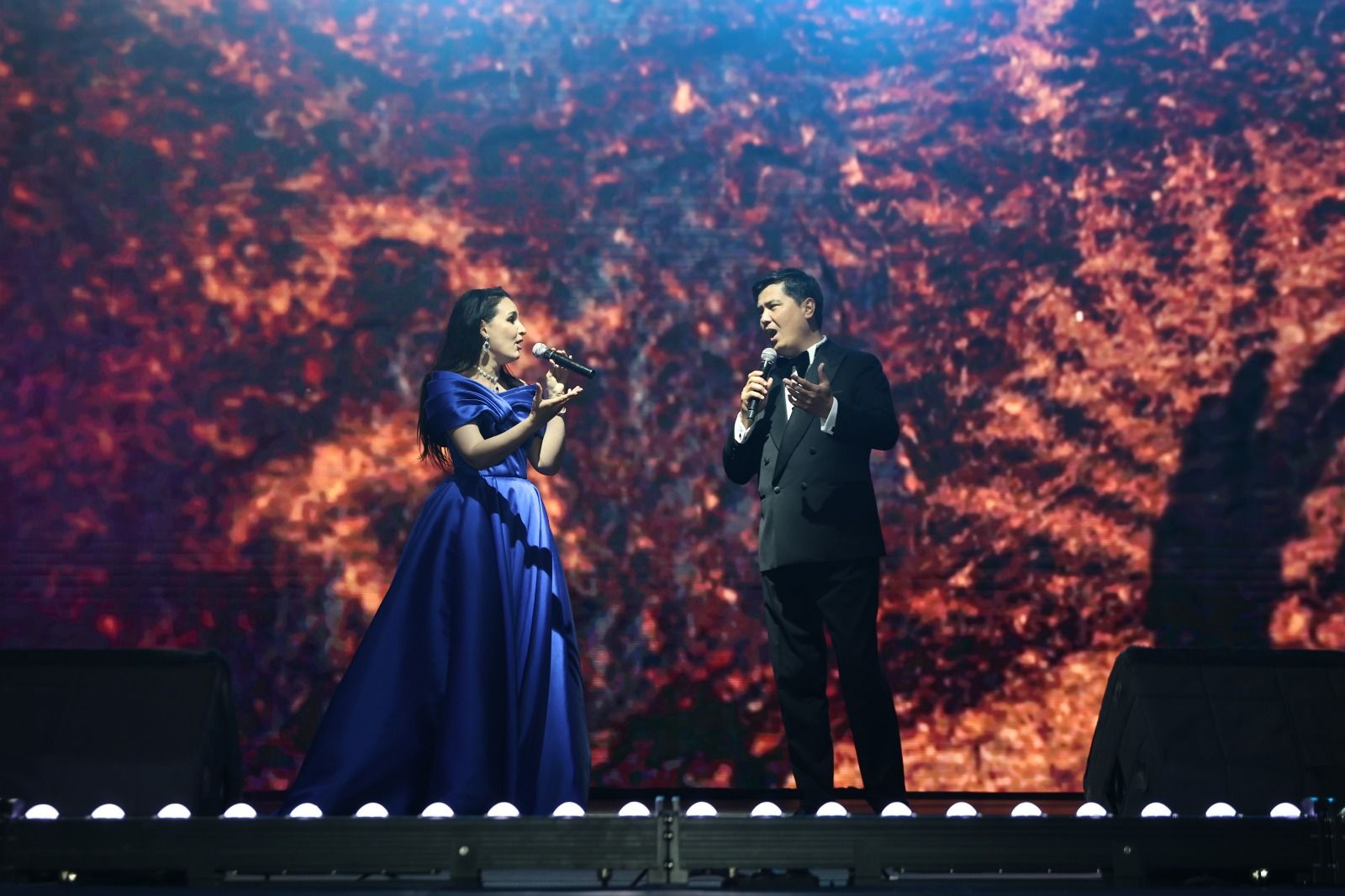
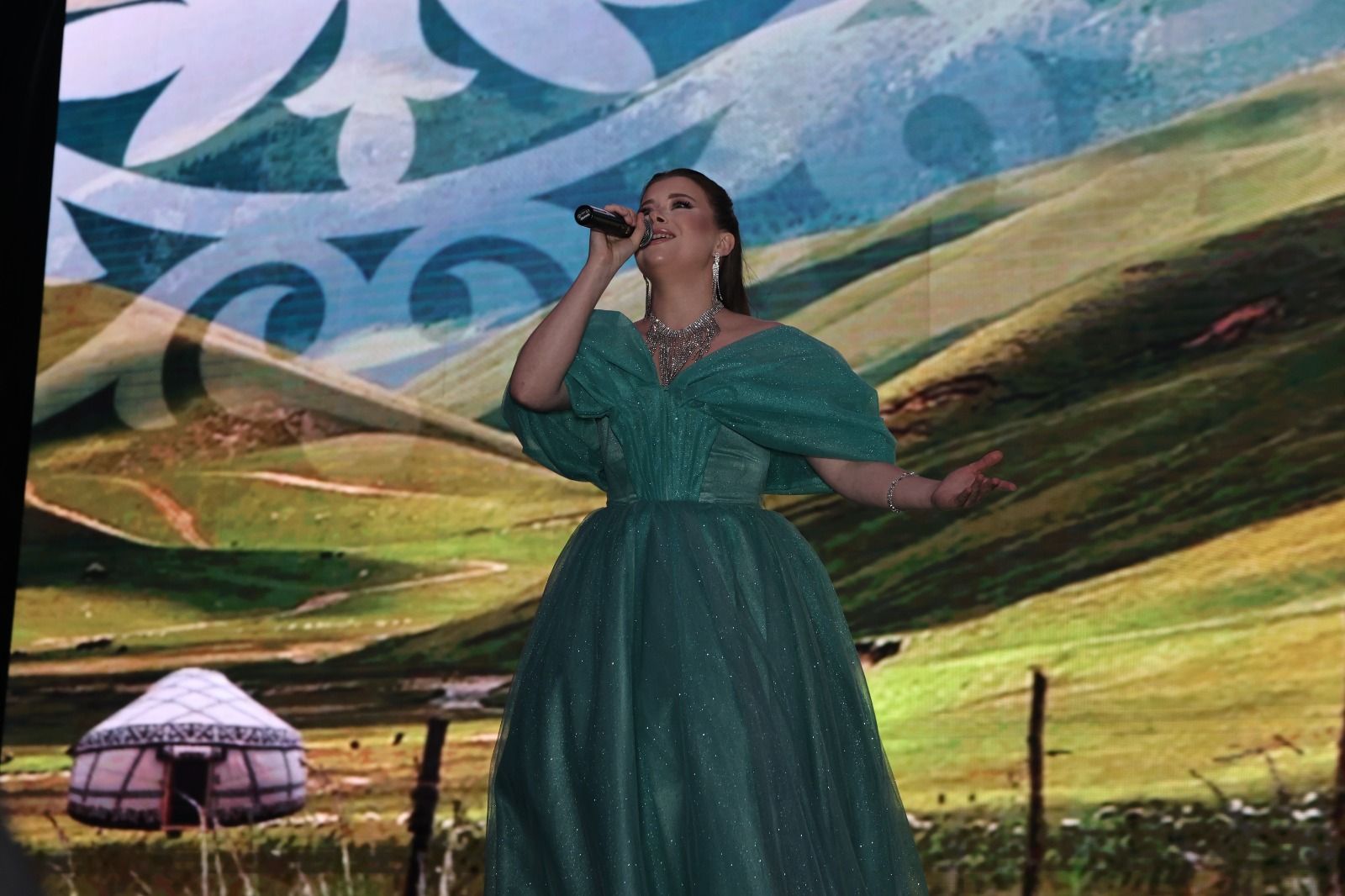
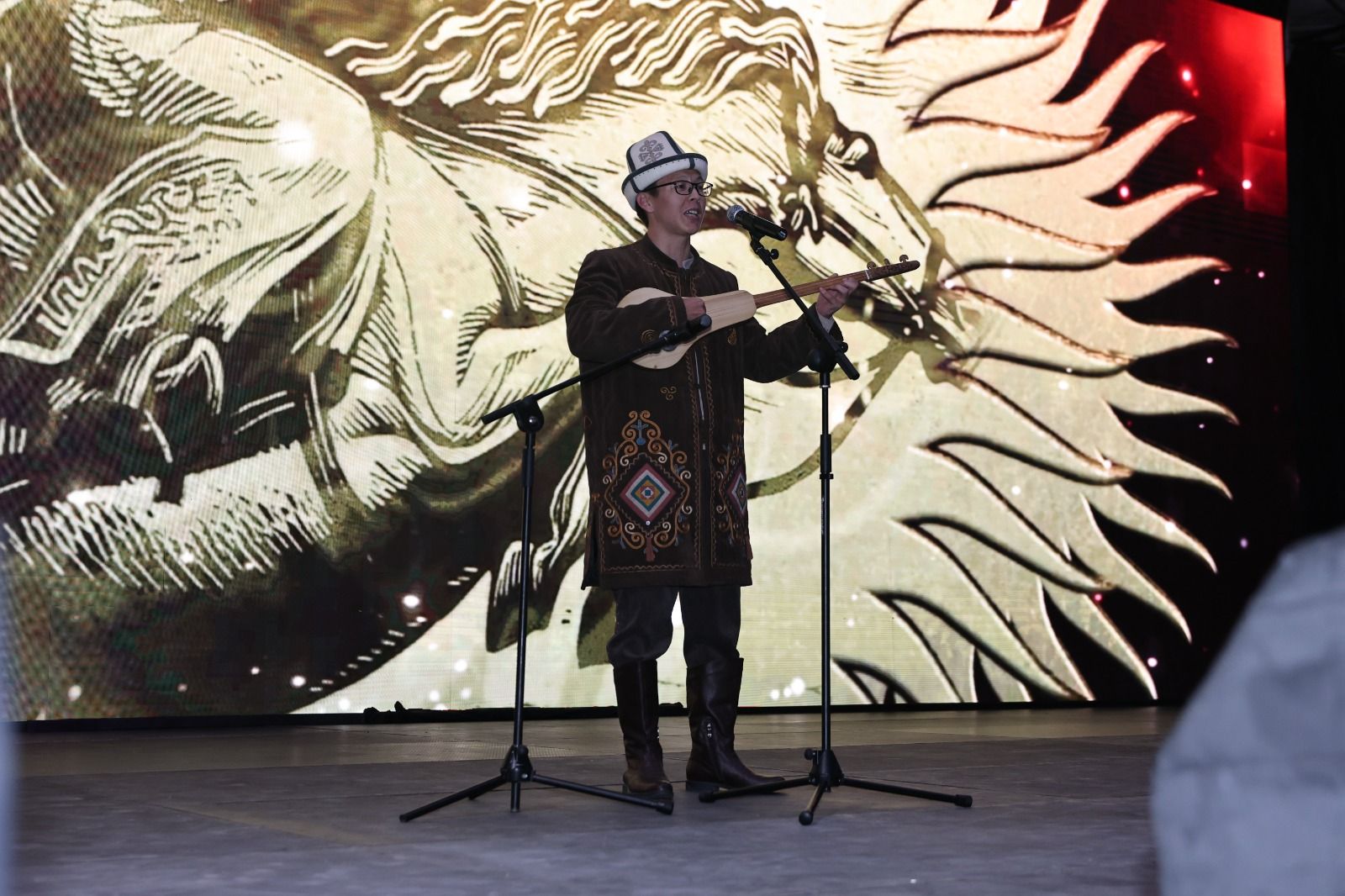
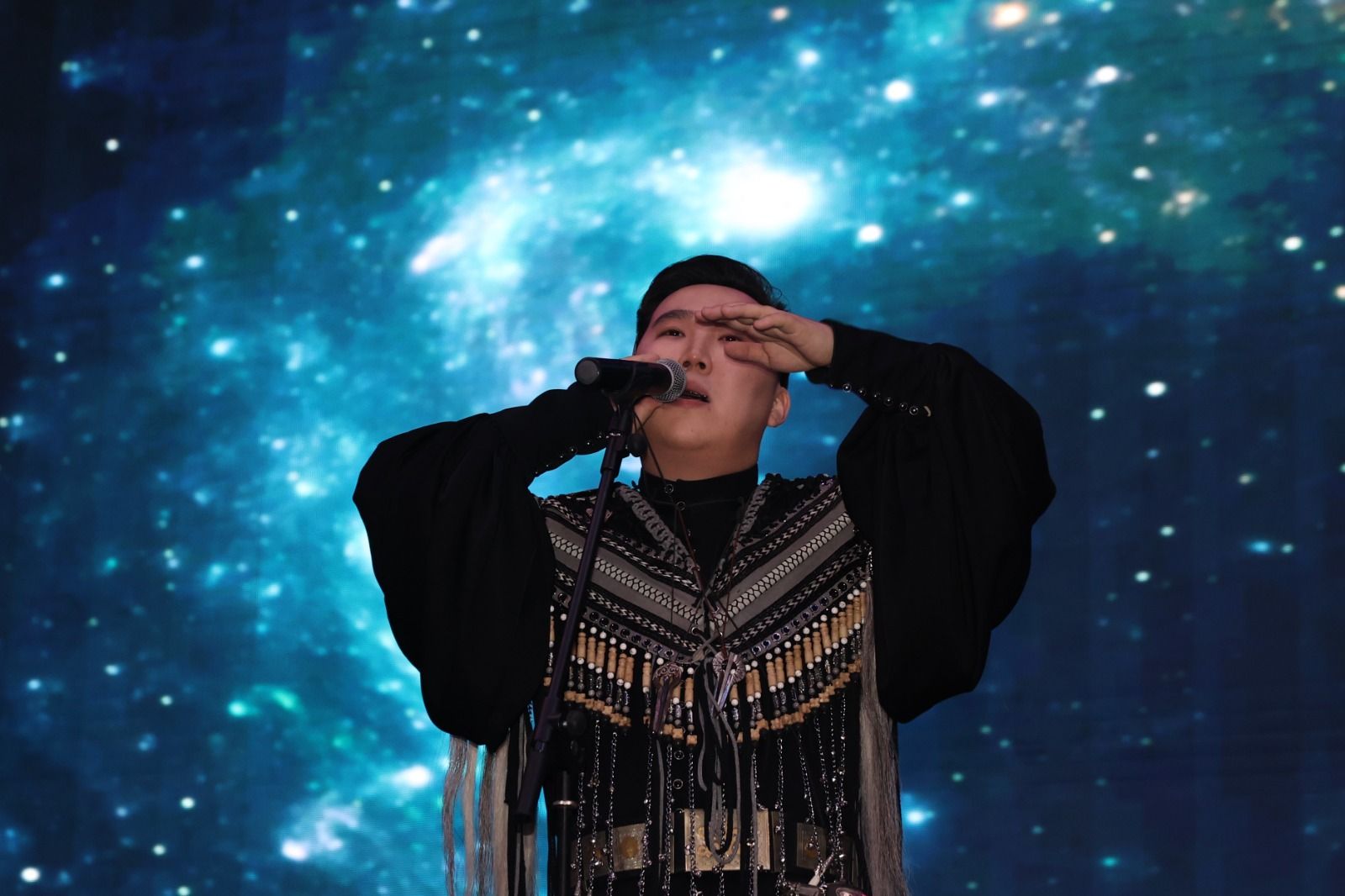
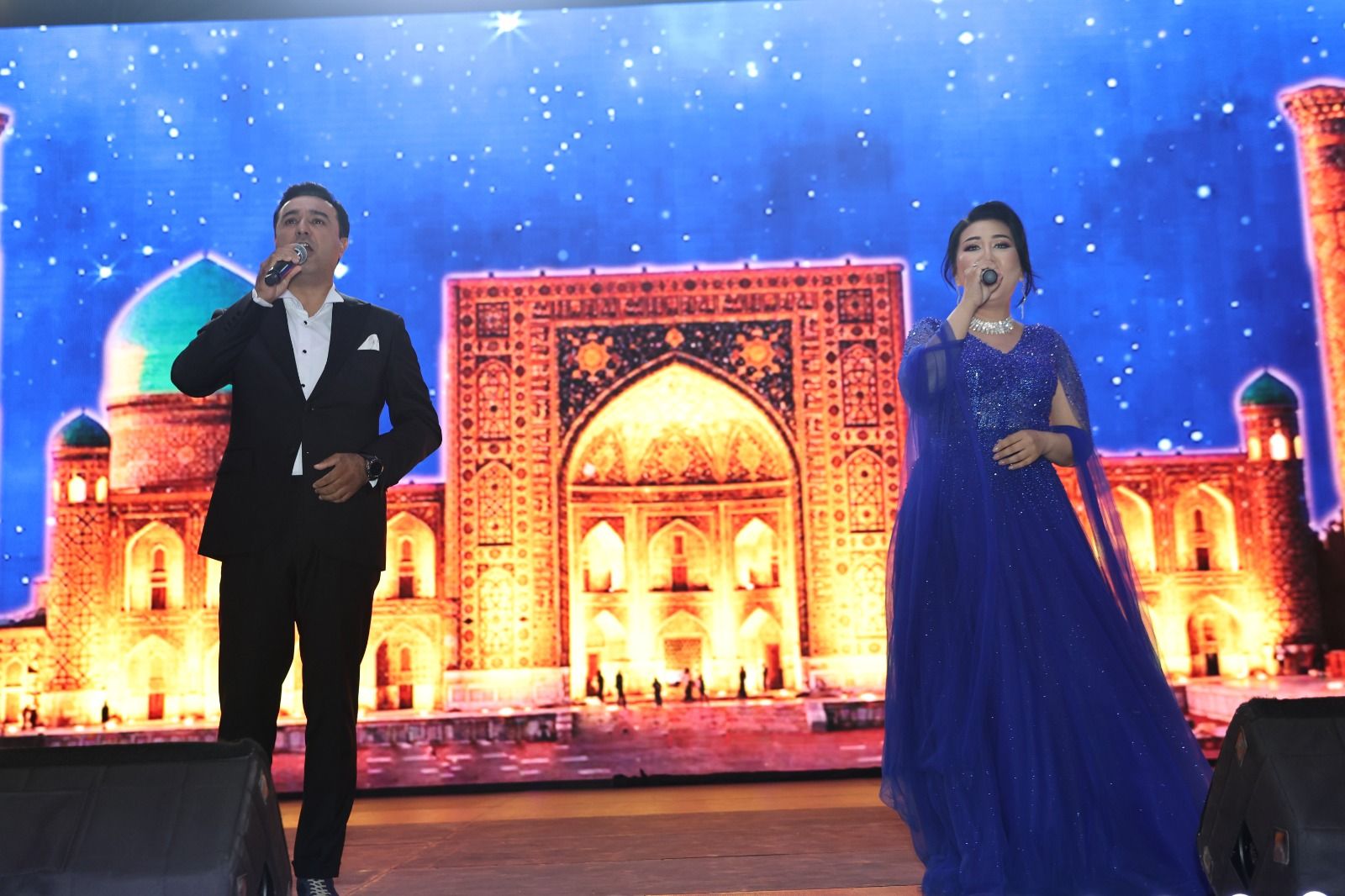
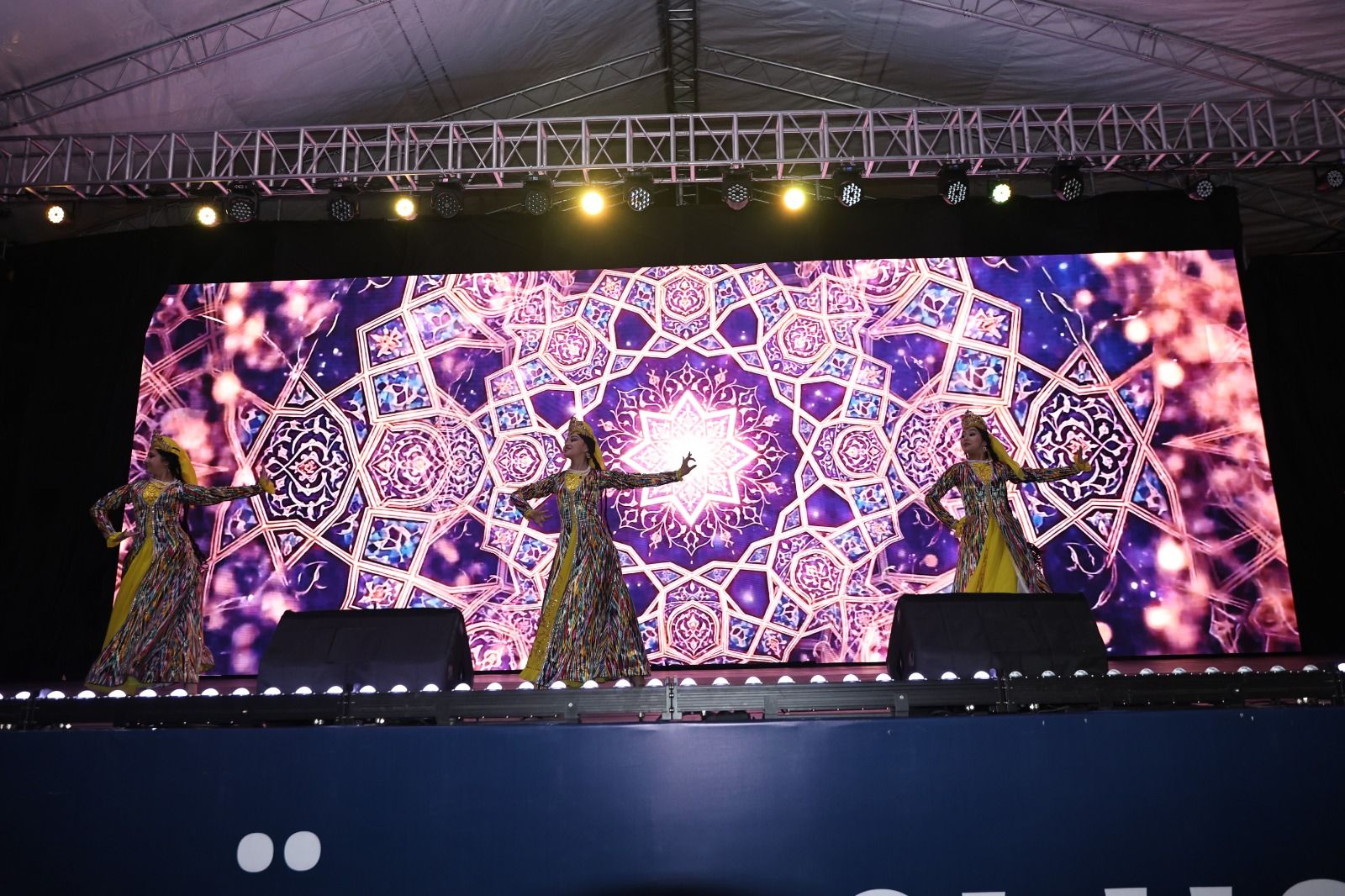
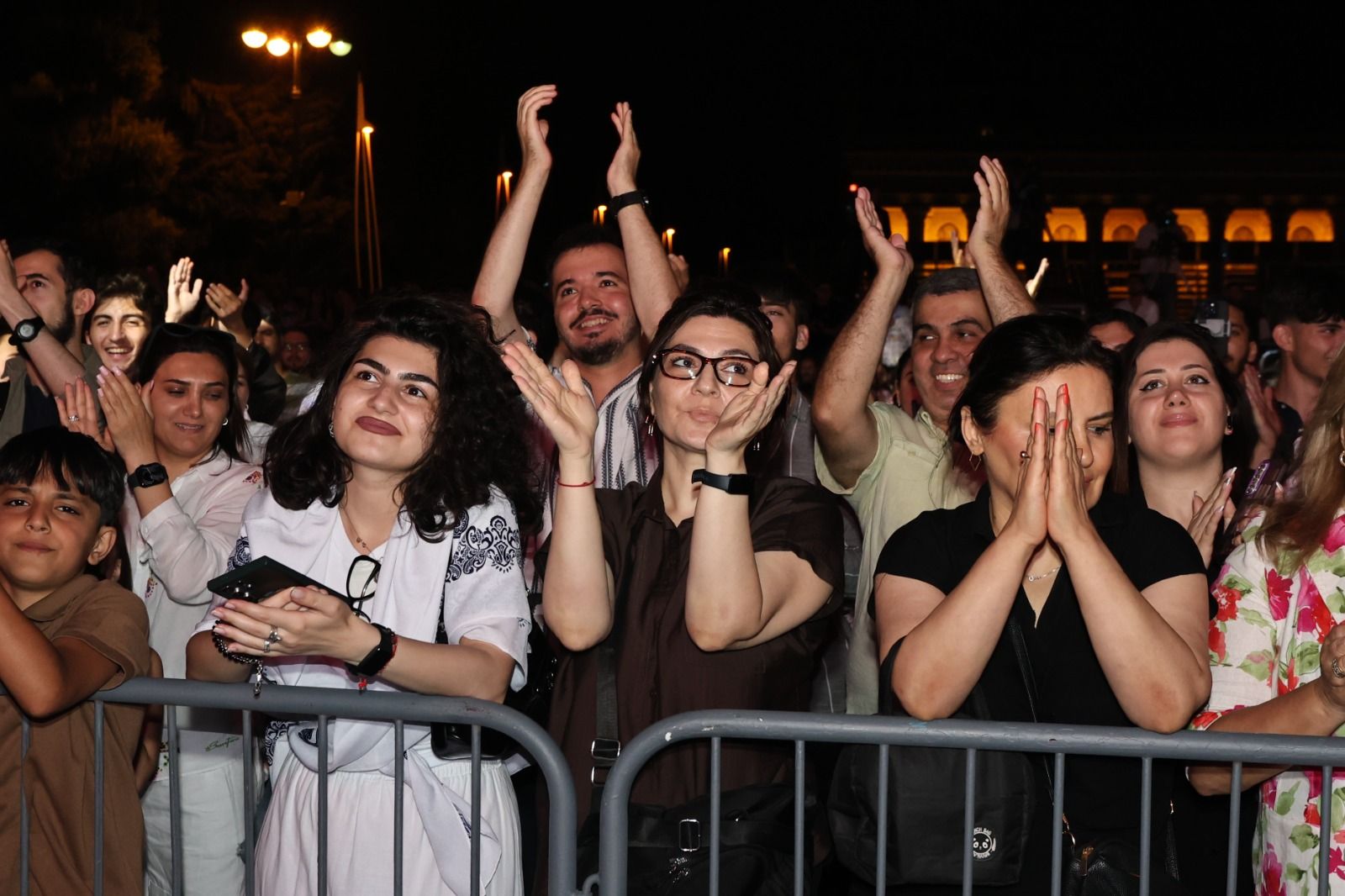
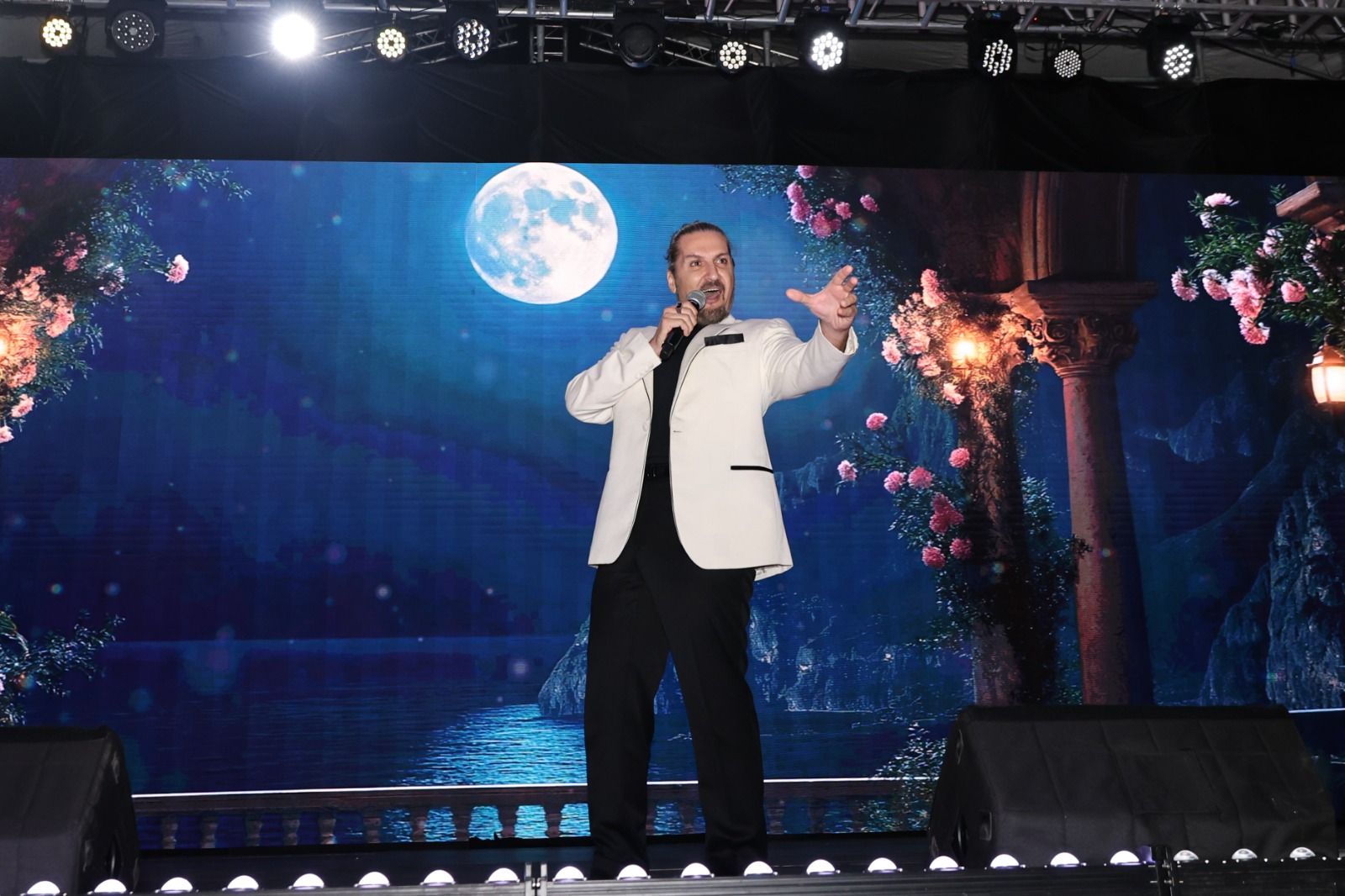
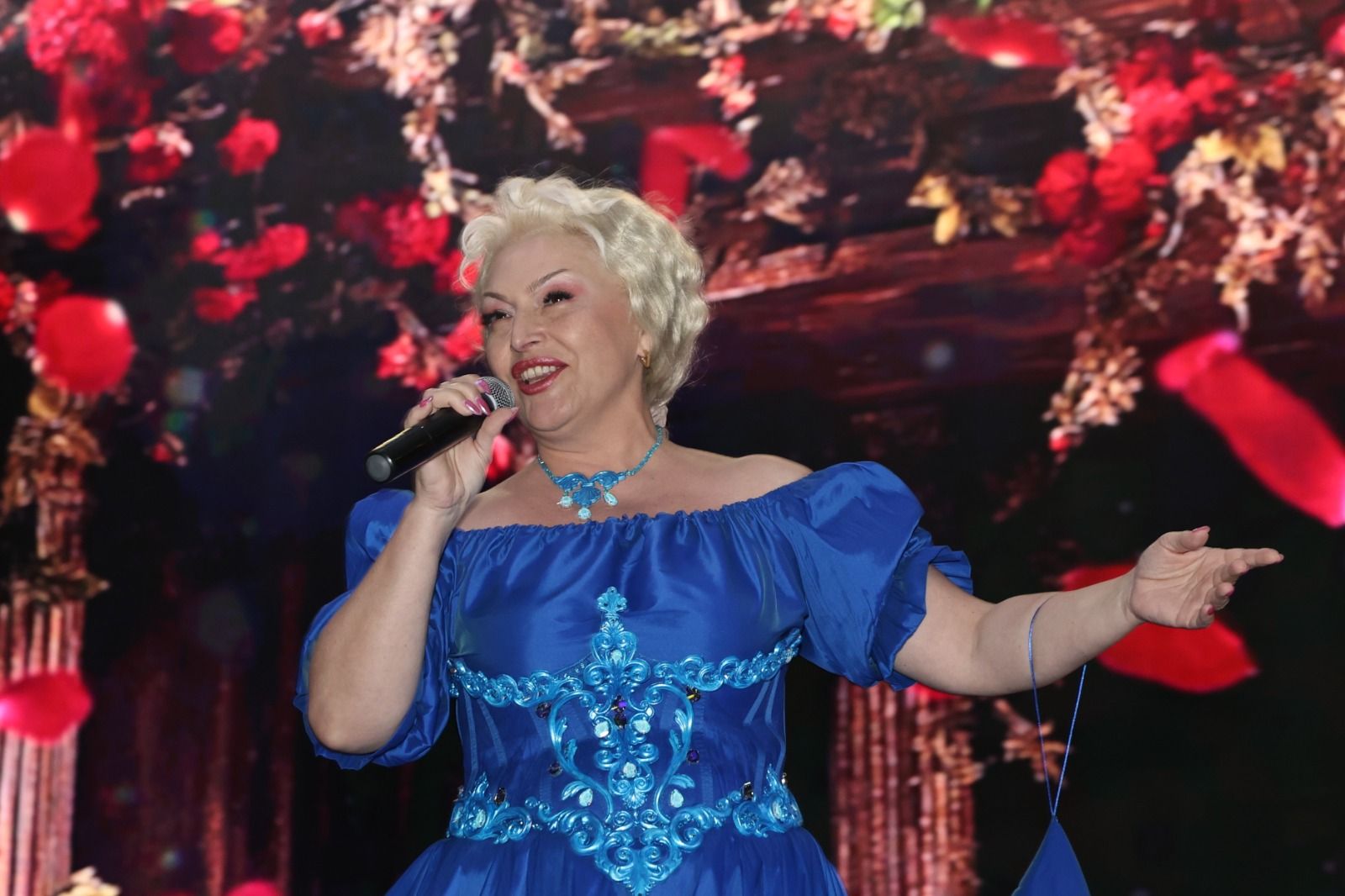
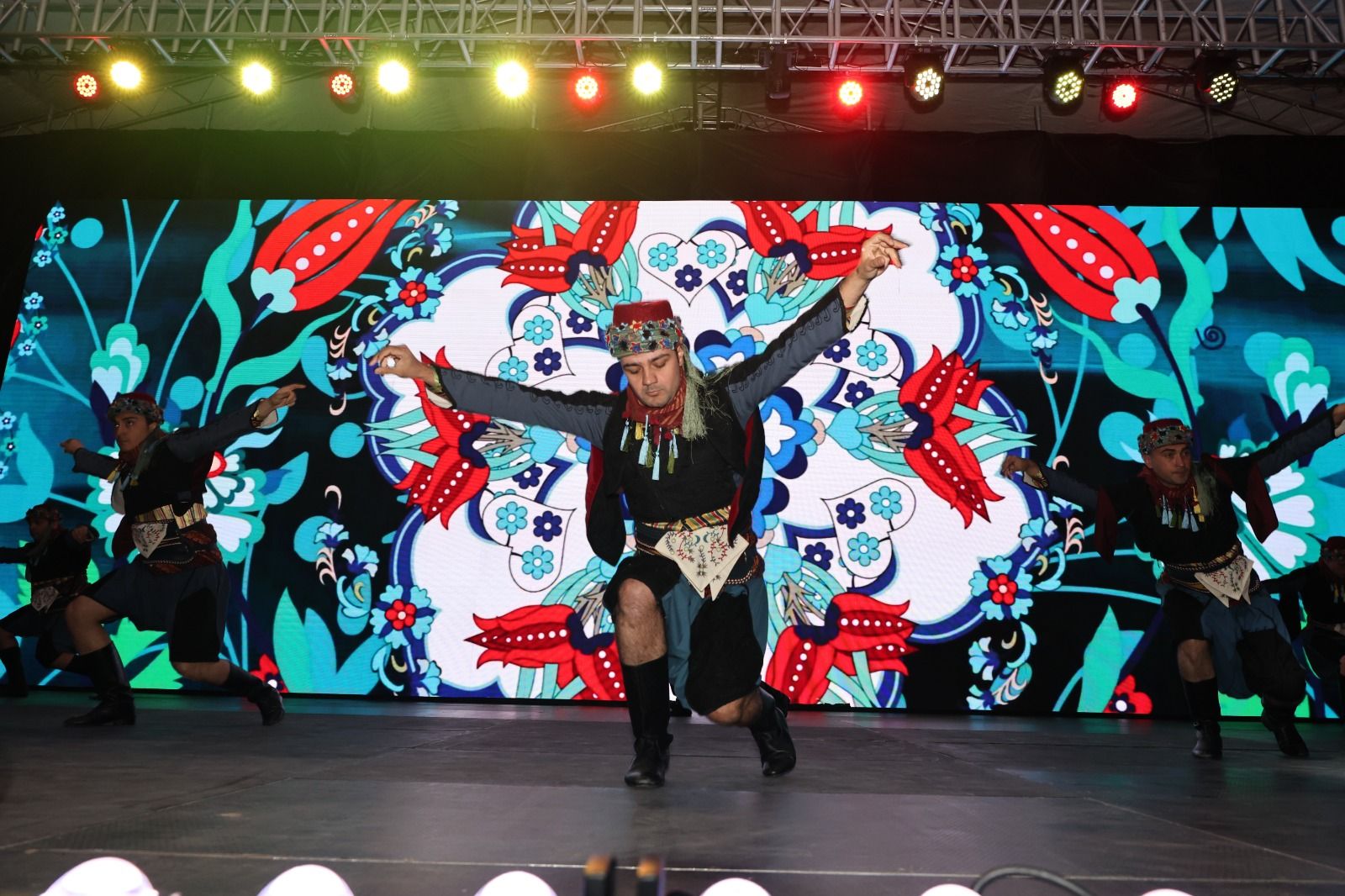
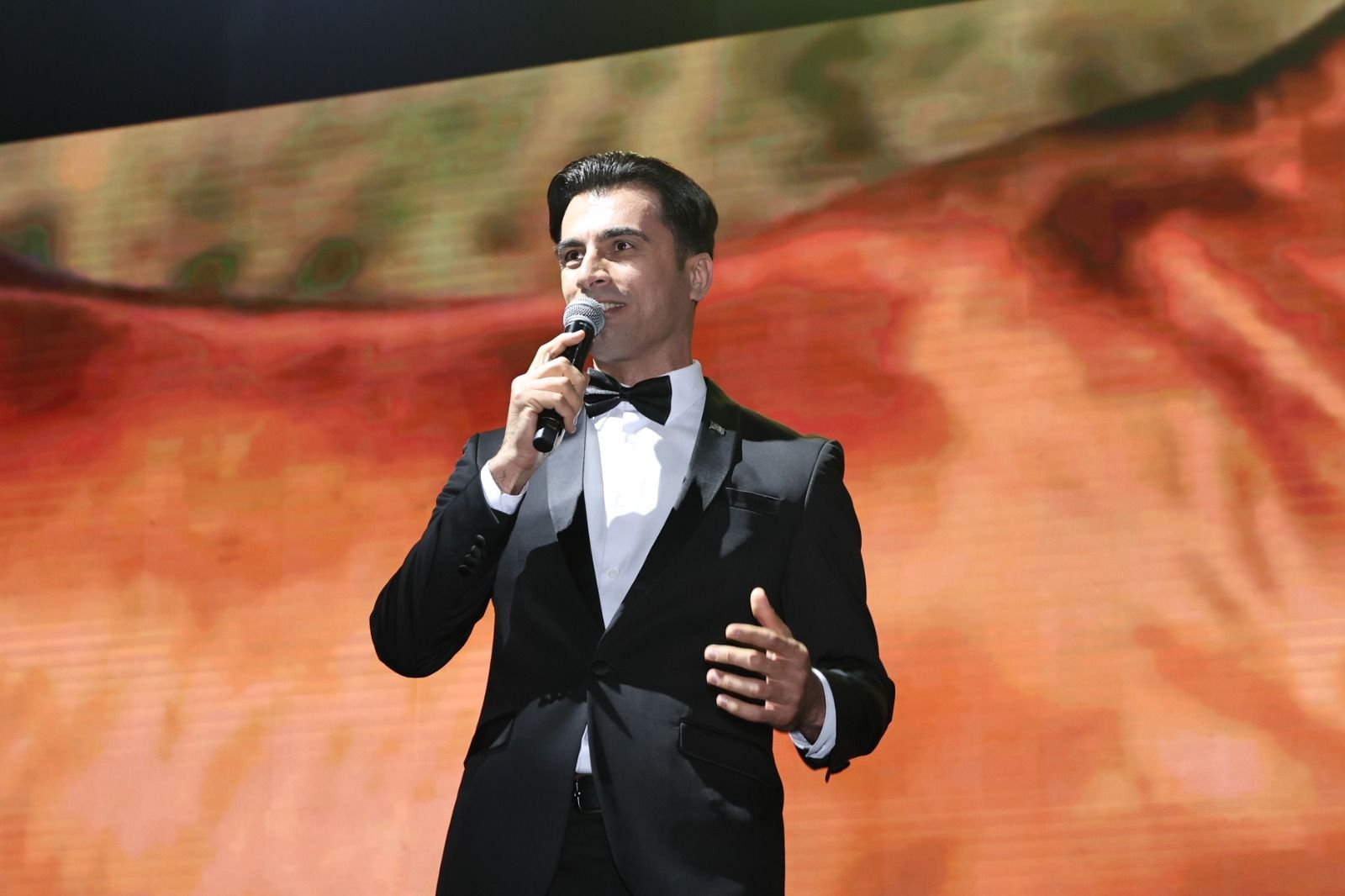
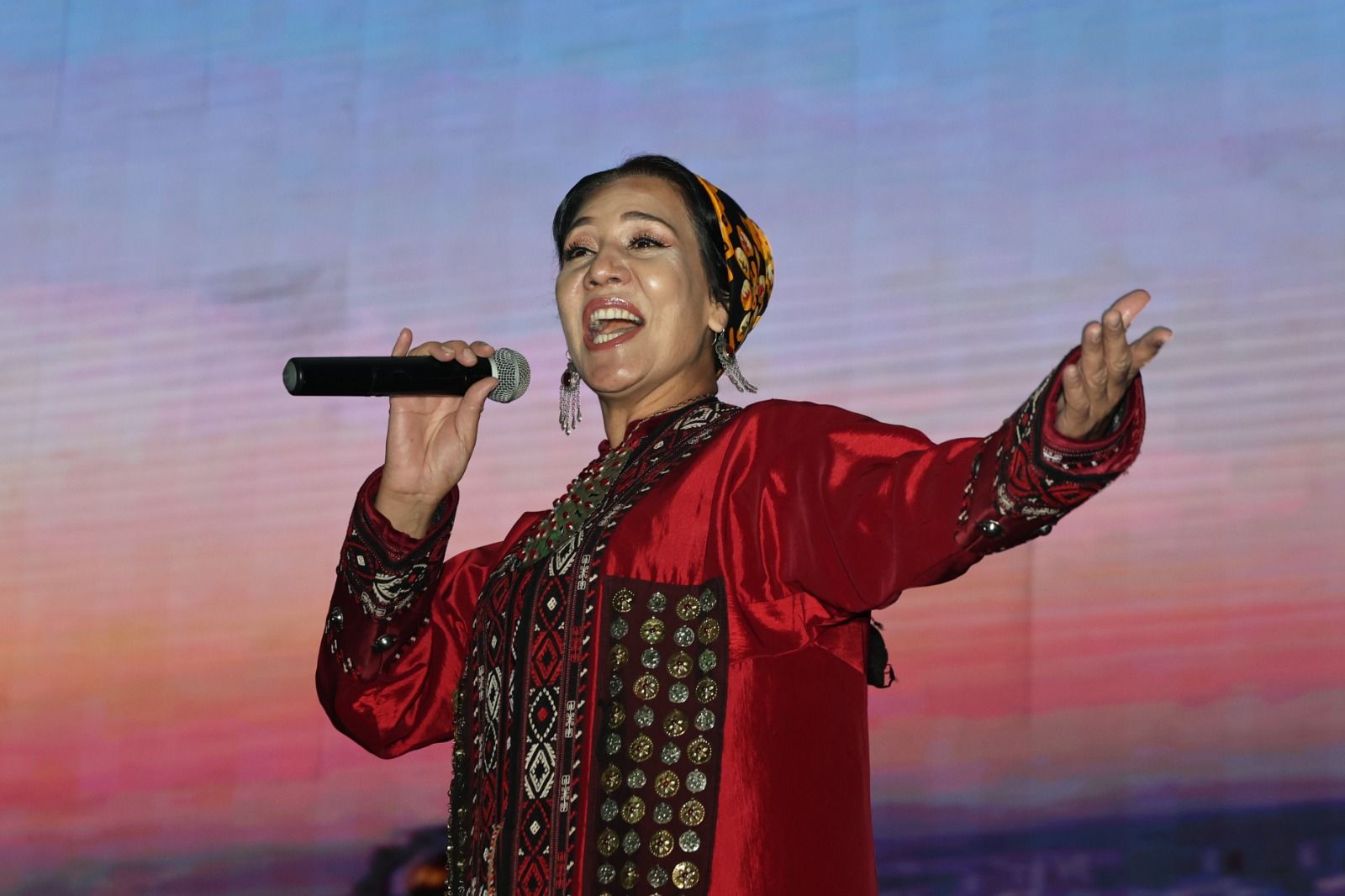
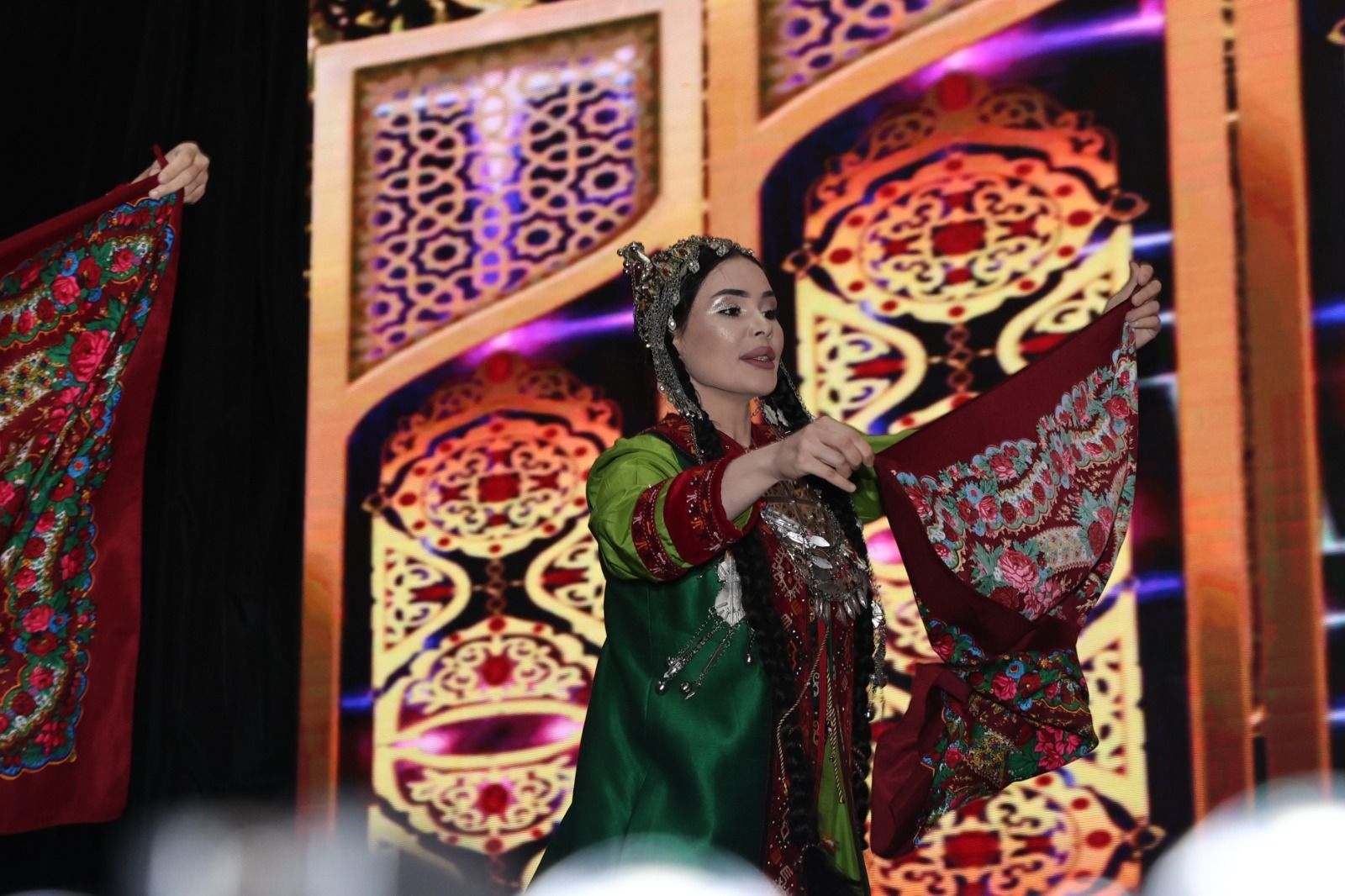
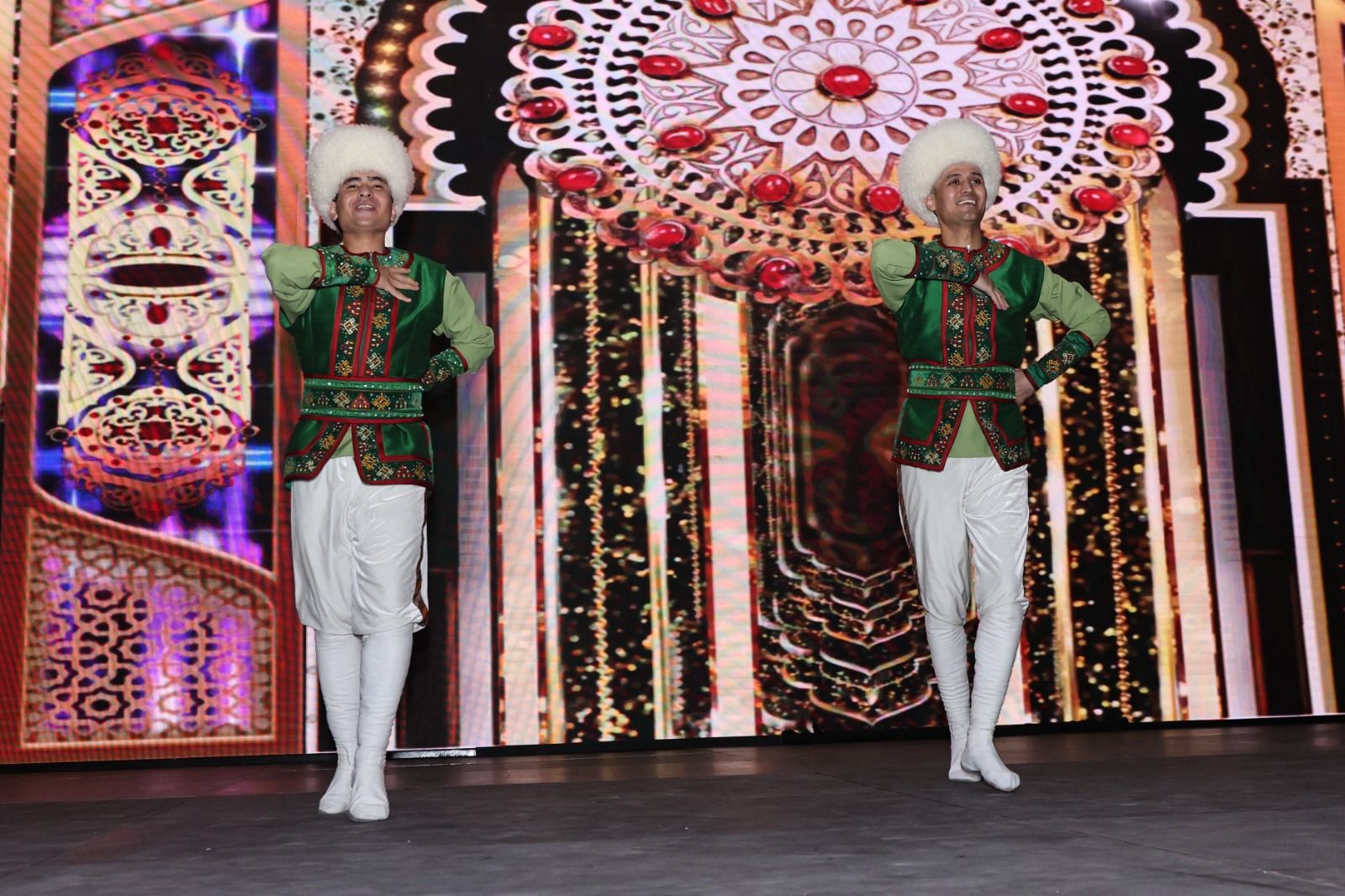
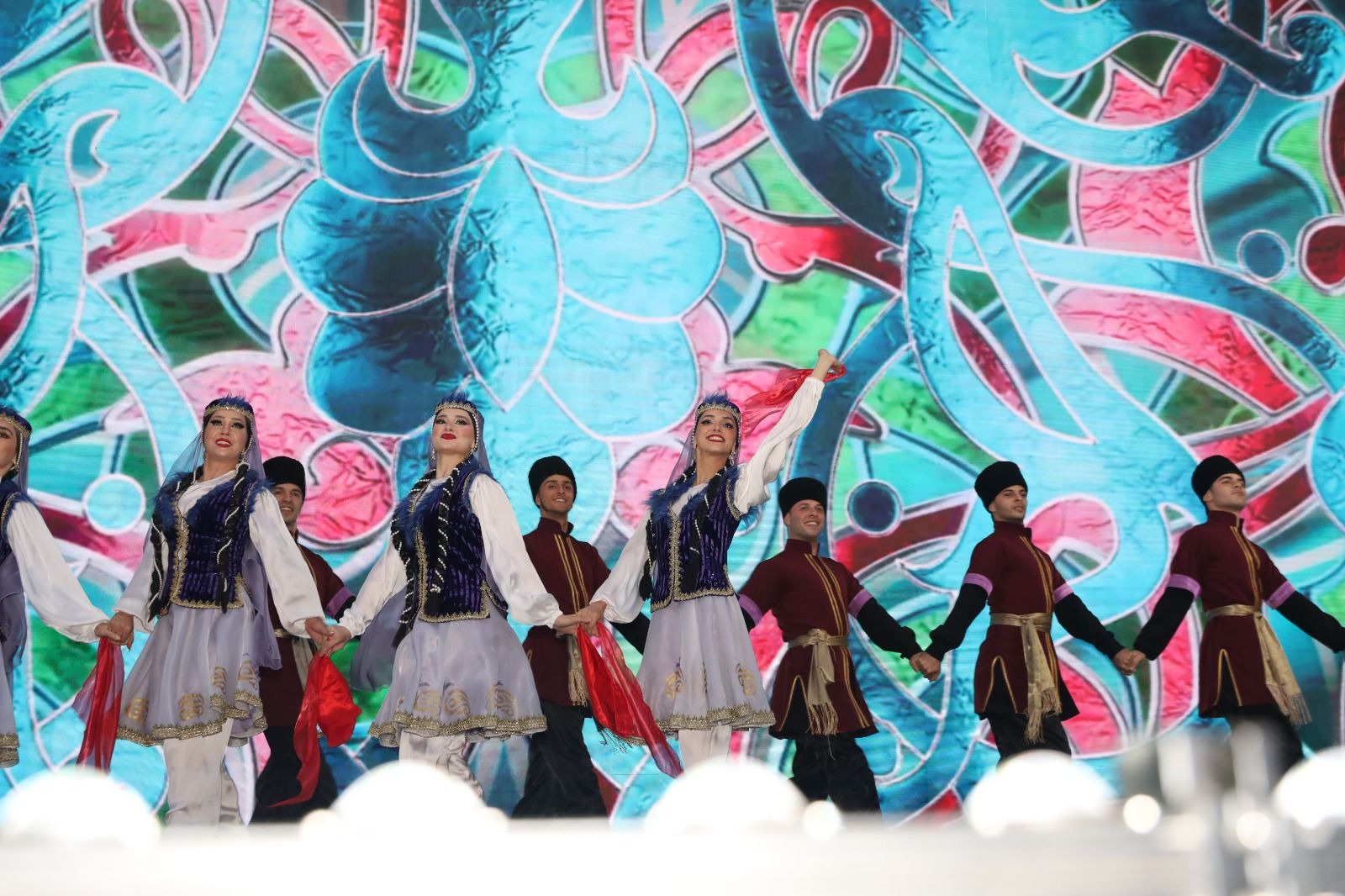
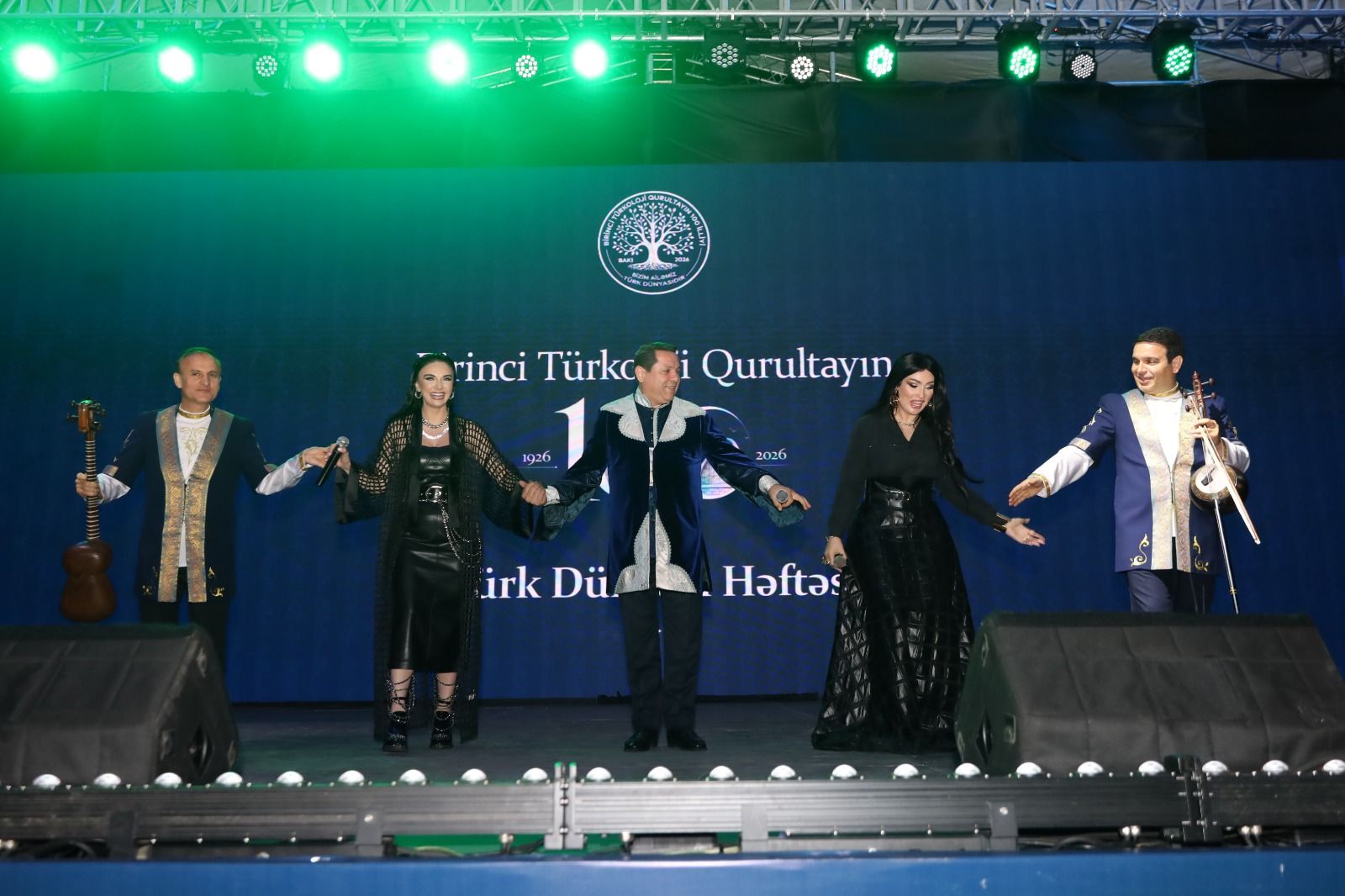
Read moreA spectacular open-air concert has been held at Seaside National Park in Baku as part of the Turkic World Week, AzerNEWS reports, citing the Culture Ministry.
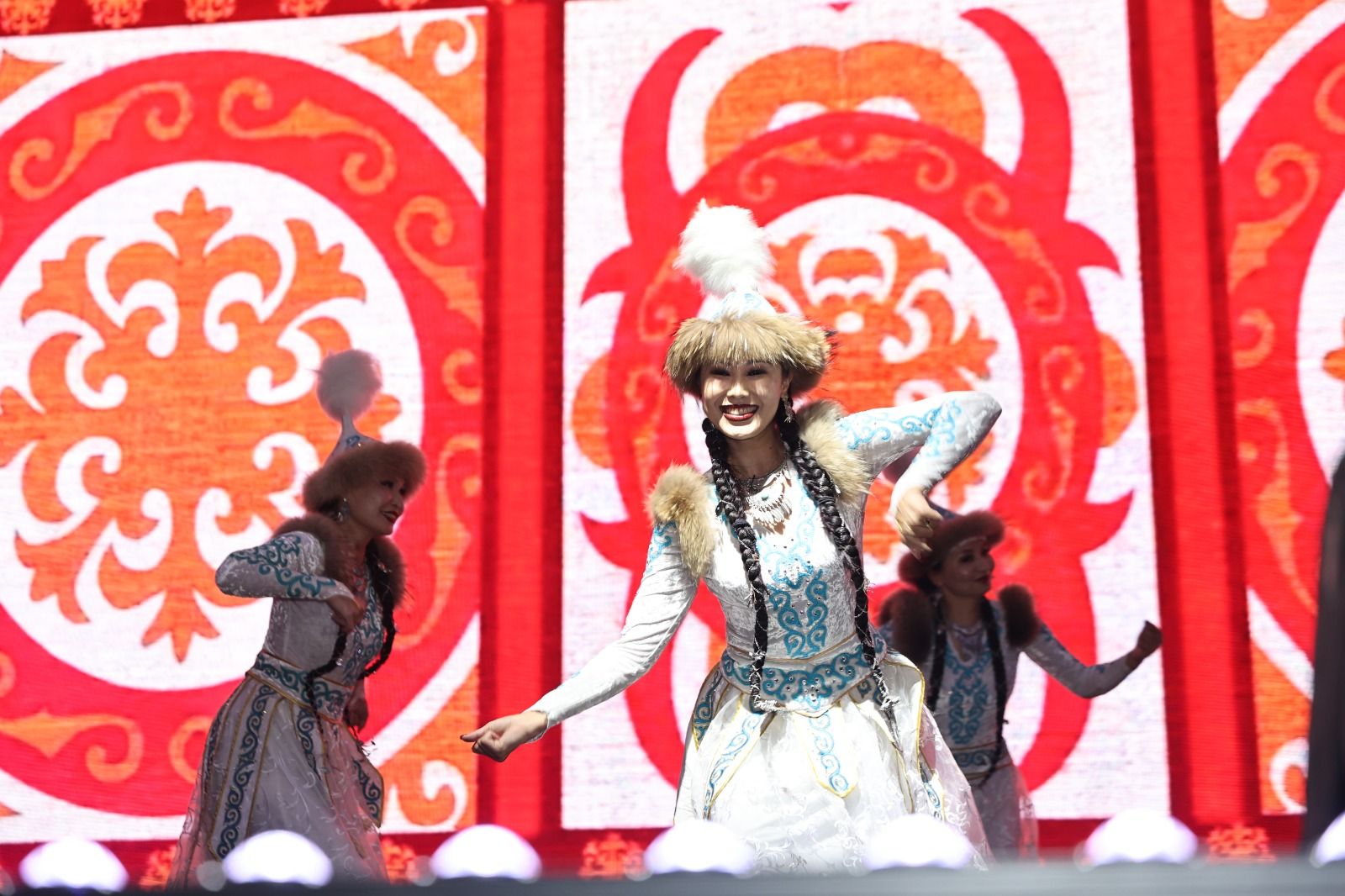
The evening opened with the performance of the traditional Azerbaijani folk dance "Uzundara," presented by the Azerbaijan State Dance Ensemble.
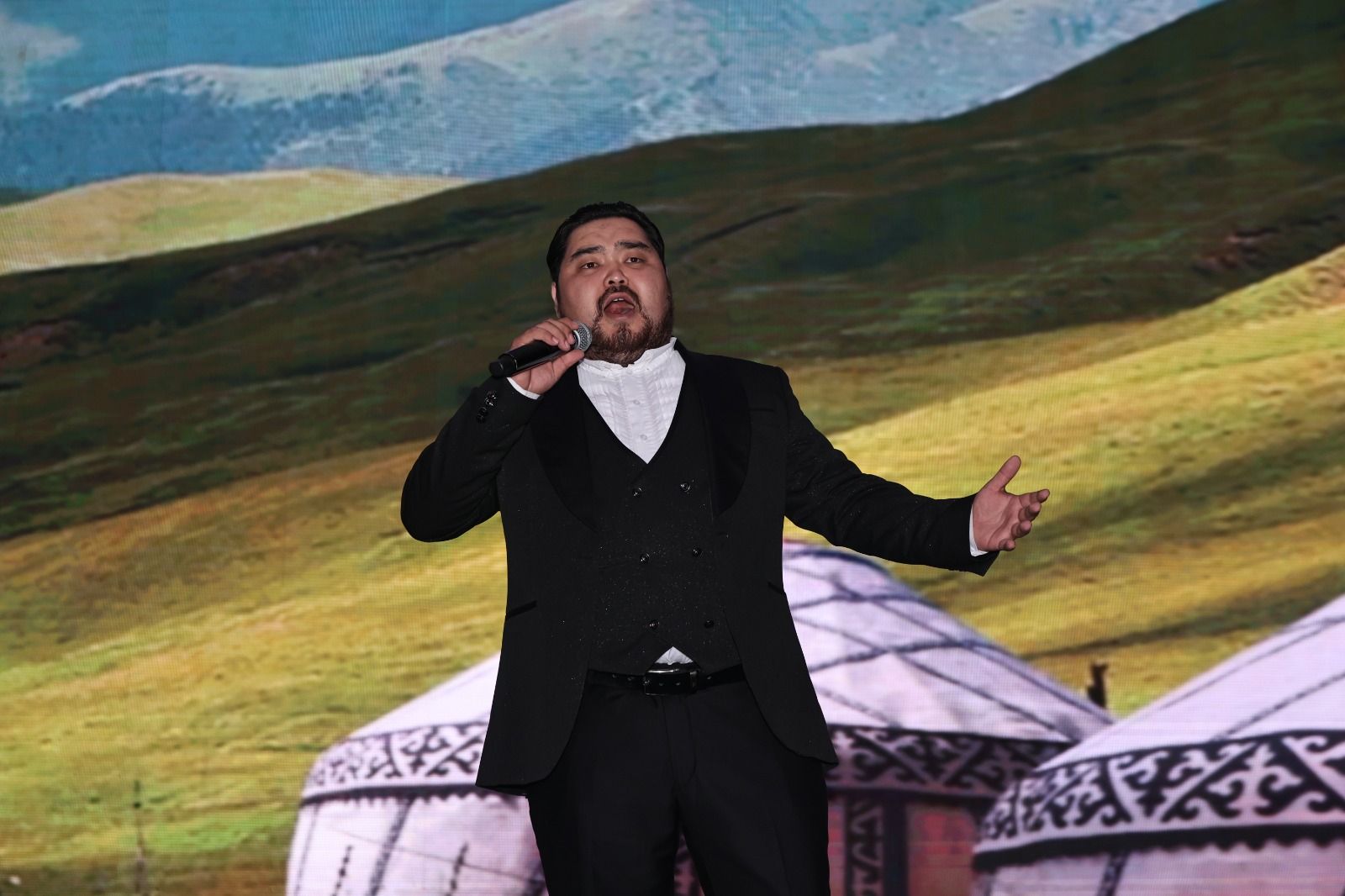
The fascinating concert continued with vibrant performances by dance groups from Kazakhstan, Kyrgyzstan, Uzbekistan, and Turkiye, each showcasing the rich folklore heritage, national music, and dance traditions of their respective countries.
The program featured a diverse selection of musical pieces and dances, offering the audience a vivid representation of the cultural diversity, shared spiritual values, and artistic unity of the Turkic world. The musical evening left a lasting impression on all attendees.
Turkic World Week was jointly organized by the Azerbaijan Culture Ministry, the Azerbaijan National Academy of Sciences (ANAS), and the Ministry of Science and Education, in partnership with the Organization of Turkic States (OTS), TURKSOY, Baku State University, the Turkic Academy, and the Turkic Culture and Heritage Foundation.
The event marks the centenary of the First Turkological Congress, which took place in Baku from February 26 to March 6, 1926.
The congress brought together 131 delegates: scholars, philologists, historians, ethnographers, writers, and public intellectuals from various Turkic-speaking regions of the Soviet Union, alongside invited international guests.
One of its most significant outcomes was the advancement of Latin-based alphabet reform for Turkic languages. Delegates discussed and strongly supported replacing Arabic script with a unified Latin script, aiming to improve literacy, standardization, and modern education across Turkic-speaking regions.
It also contributed to the development of Turkic linguistics as a scientific discipline, encouraging systematic study of grammar, dialects, etymology, and comparative Turkic language structures.
Another key achievement was the strengthening of academic cooperation among scholars from different Turkic-speaking regions, establishing intellectual networks that influenced later research and cultural exchange.
The congress further helped shape discussions on Turkic history and cultural identity, laying the groundwork for comparative studies of shared heritage, folklore, and ethnography.
Here we are to serve you with news right now. It does not cost much, but worth your attention.
Choose to support open, independent, quality journalism and subscribe on a monthly basis.
By subscribing to our online newspaper, you can have full digital access to all news, analysis, and much more.
You can also follow AzerNEWS on Twitter @AzerNewsAz or Facebook @AzerNewsNewspaper
Thank you!