
Google plans to release sterile mosquitoes
by Alimat Aliyeva
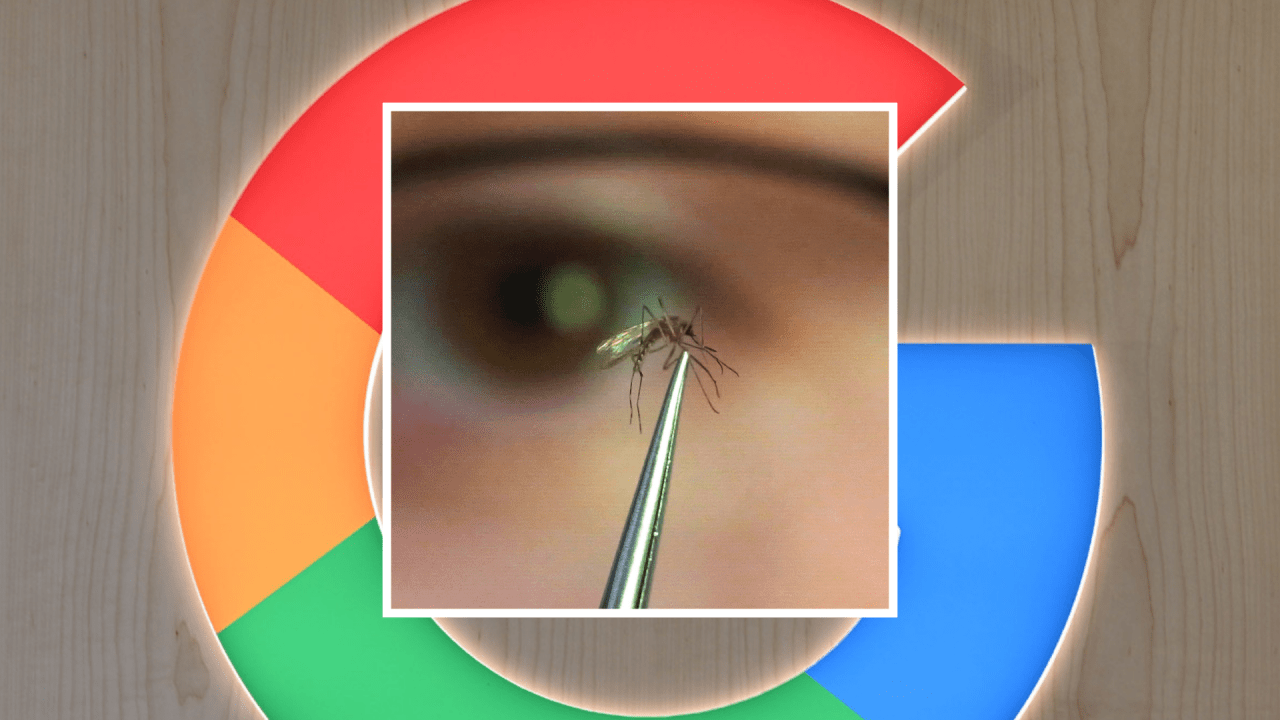
Google has reportedly requested permission from U.S. authorities to release 32 million male mosquitoes in California and Florida that are infected with a bacterium which prevents females from laying viable eggs. The initiative is aimed at reducing the spread of mosquito-borne diseases, AzerNEWS reports.
As part of its “Debug” project, the company plans to target populations of the Aedes aegypti mosquito, a species responsible for transmitting dangerous illnesses such as yellow fever, dengue, Zika virus, and chikungunya. Only female mosquitoes bite humans, while males feed on nectar and do not pose a direct risk.
The released laboratory-raised mosquitoes are infected with the bacterium Wolbachia. When these males mate with wild females, the resulting eggs do not develop, gradually reducing the overall mosquito population. According to the project’s estimates, the effect becomes stronger with each generation, potentially leading to a significant decline in disease transmission rates.
To ensure precision, researchers use artificial intelligence, computer vision, and large-scale data analysis to sort and distribute mosquitoes in targeted areas. Traditional control methods, such as insecticide spraying, often raise environmental concerns and may lose effectiveness over time, while locating breeding sites in urban environments remains challenging.
The U.S. Environmental Protection Agency is currently reviewing the proposal, with a final decision expected after a public consultation period ending on June 5.
Interestingly, similar Wolbachia-based programs have already shown promising results in other countries. In Singapore, for example, releases of infected male mosquitoes led to an estimated 80–90% reduction in the Aedes aegypti population, along with a significant drop in dengue cases within just 6–12 months.
Scientists also note that this approach represents a shift toward “biological population control,” where ecosystems are managed not through chemicals, but through carefully designed reproductive interference. Some researchers even suggest that such techniques could one day be adapted to control other invasive insect species—though they also emphasize the importance of strict ecological monitoring to avoid unintended consequences in complex urban ecosystems.
Here we are to serve you with news right now. It does not cost much, but worth your attention.
Choose to support open, independent, quality journalism and subscribe on a monthly basis.
By subscribing to our online newspaper, you can have full digital access to all news, analysis, and much more.
You can also follow AzerNEWS on Twitter @AzerNewsAz or Facebook @AzerNewsNewspaper
Thank you!