
Farid Shafiyev: Landmine issue remains a political problem between Azerbaijan and Armenia
Akbar Novruz
Read moreThe landmine problem remains one of the most persistent humanitarian and security challenges facing Azerbaijan following the end of the conflict with Armenia. Thousands of mines and unexploded ordnance continue to complicate the restoration of territories, the return of displaced Azerbaijanis and the implementation of large-scale reconstruction projects.
Baku has repeatedly argued that Armenia possesses information that could significantly accelerate demining efforts, particularly regarding mines laid during and after the conflict. Azerbaijan has also emphasized that the issue is not solely humanitarian, but has a direct bearing on the normalization process between the two countries.
Against this backdrop, the question remains whether greater cooperation on mine clearance could help build trust between Baku and Yerevan, or whether the issue will continue to serve as another source of political disagreement.
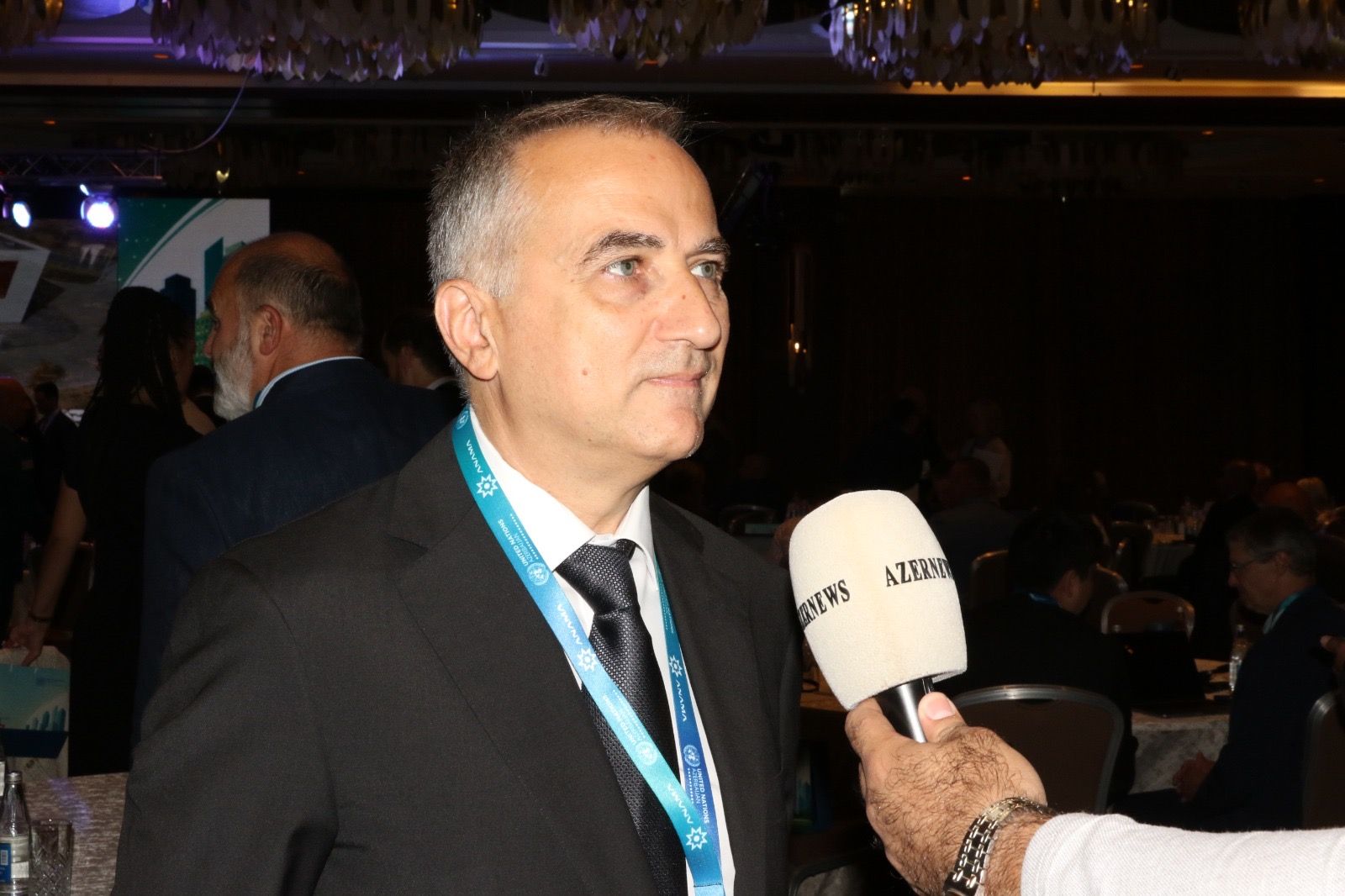
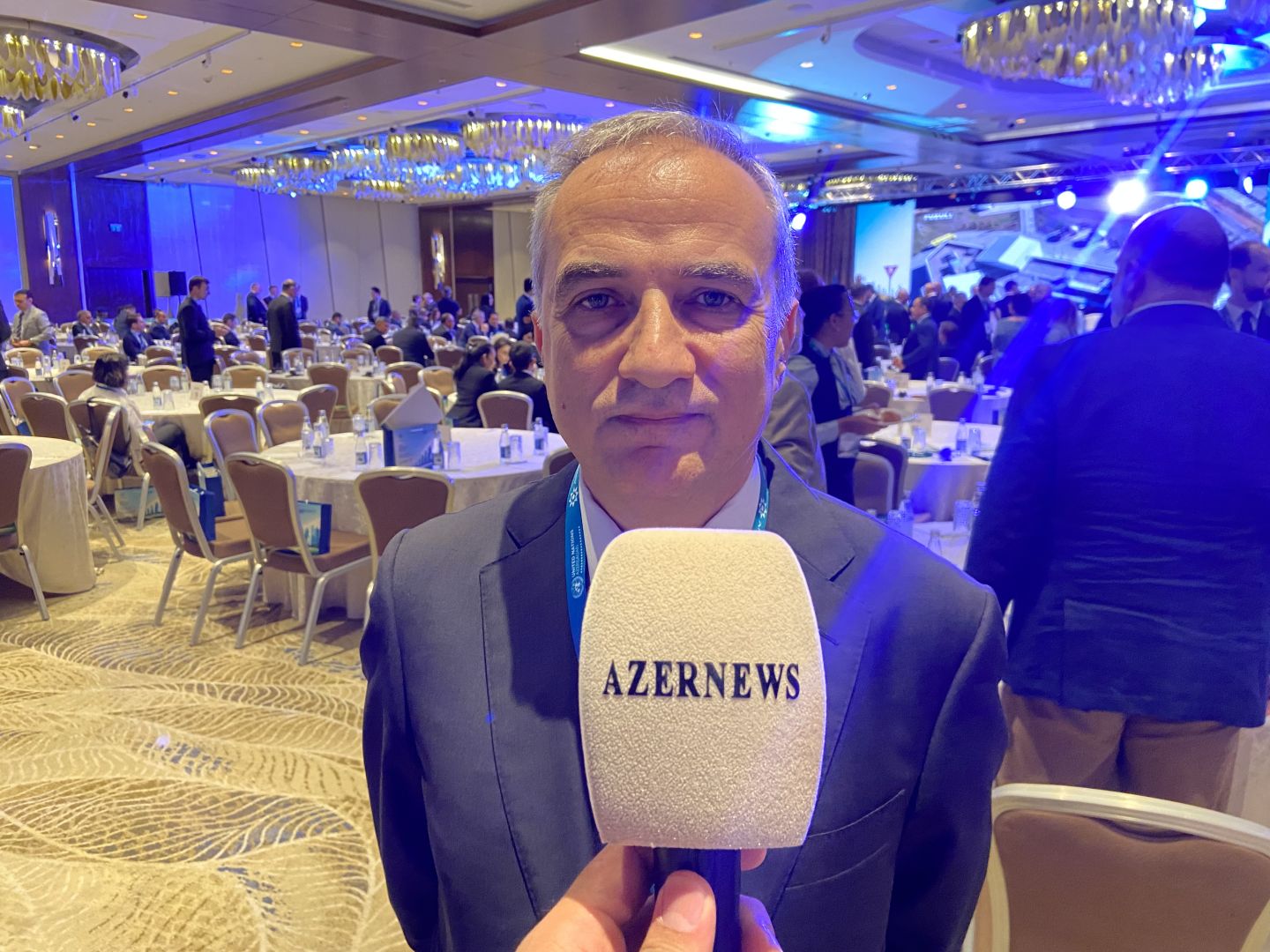
Speaking to AzerNEWS on the sidelines of the 4th International Mine Action Conference, Farid Shafiyev, Chairman of the Center of Analysis of International Relations, stressed that the problem should primarily be understood through its political dimension.
“Yes, this is actually a political problem. The mine issue has several dimensions, including casualties and technical challenges, but what interests us in this context is its political dimension. The normalization process between Armenia and Azerbaijan is underway, and precautionary measures are being discussed. Unfortunately, I do not think the Armenian side is taking consistent steps to resolve the mine problem.”
Shafiyev argued that the information provided by Armenia has not been sufficient to address the scale of the problem on the ground.
“We were given mine maps, but experience shows that those maps are not sufficient. Mines continue to be found in many areas, while the Armenian side usually argues that the mines were laid in the 1990s and that the maps are inaccurate. They claim that maps were not properly prepared even when the mines were being laid, and this is then used to justify why additional information cannot be provided to the Azerbaijani side.”
He further pointed to mines allegedly laid after the Second Garabagh War, arguing that this makes the question of available information particularly significant.
“On the other hand, after the Second Garabagh War, Armenia had time to withdraw from the territories, yet mines were planted during that period. In 2021 and 2022, mines were laid in some areas as well. This was not 30 years ago—it was only two, three, four or five years ago. When those mines were laid, the people who carried out those operations were in Armenia or had knowledge of these activities. Therefore, if this information is not provided, I believe there is a lack of political will to resolve the issue. This issue should be addressed within the normalization process, because at present Armenia is not undertaking sufficient operational measures to help resolve the problem.”
Here we are to serve you with news right now. It does not cost much, but worth your attention.
Choose to support open, independent, quality journalism and subscribe on a monthly basis.
By subscribing to our online newspaper, you can have full digital access to all news, analysis, and much more.
You can also follow AzerNEWS on Twitter @AzerNewsAz or Facebook @AzerNewsNewspaper
Thank you!