
Energy markets under pressure as Middle East conflict triggers emergency oil measures

AzerNEWS Staff
Read moreThe ongoing conflict in the Middle East is continuing to send shockwaves through global energy markets, exposing the vulnerability of supply chains and highlighting the strategic importance of coordinated international responses. Among the sectors most affected is the global oil market, where disruptions to critical transport routes and geopolitical tensions have triggered emergency measures by major energy stakeholders.
Countries with limited domestic energy resources are particularly vulnerable to these disruptions, as price volatility and supply shortages quickly translate into economic pressure. In response, international institutions and national governments have begun implementing measures aimed at stabilizing the market and preventing a deeper energy crisis.
One of the most vital steps came from the International Energy Agency (IEA), whose member states unanimously agreed to release 400 million barrels of oil from emergency reserves to the global market. The decision followed an extraordinary meeting of the agency’s 32 member governments convened by Executive Director Fatih Birol to assess rapidly evolving market conditions and coordinate a response to supply disruptions caused by the regional conflict.
“The oil market challenges we are facing are unprecedented in scale,” Birol said, welcoming the collective action as the largest emergency response in the agency’s history. According to him, the decision underscores the global nature of the oil market and the necessity of coordinated international action when major supply disruptions occur.
IEA members collectively hold more than 1.2 billion barrels of government-controlled emergency oil stocks, as well as an additional 600 million barrels held by industry under government obligations. The planned release represents the sixth coordinated emergency stock draw since the IEA was established in 1974, following previous actions during events such as the Gulf War and supply disruptions caused by Hurricane Katrina.
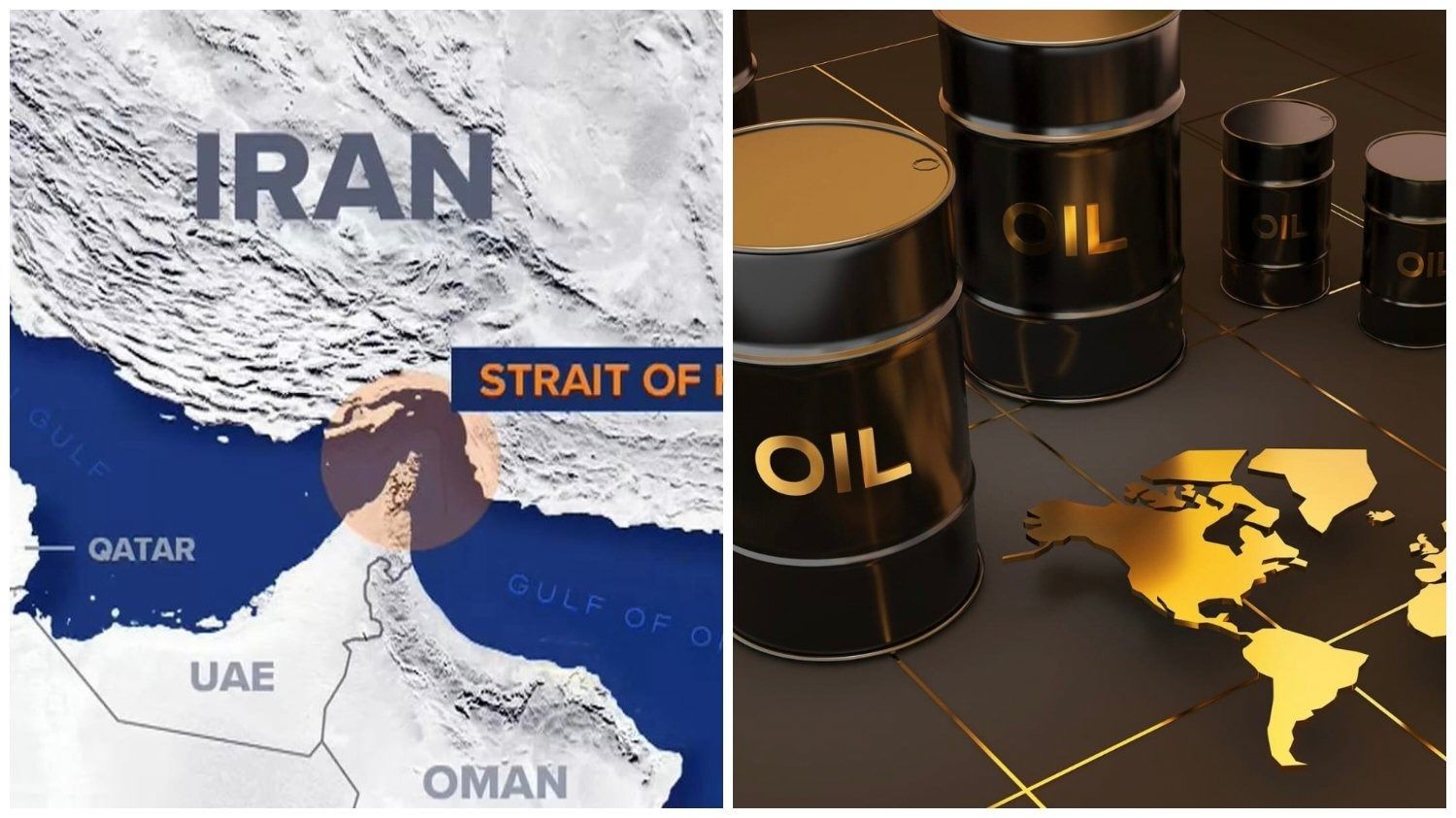
The latest market turmoil stems from the conflict in the Middle East that escalated on February 28, 2026, severely disrupting oil flows through the Strait of Hormuz which is one of the world’s most critical maritime chokepoints. Prior to the conflict, approximately 20 million barrels of crude oil and petroleum products per day passed through the strait, accounting for roughly one-quarter of global seaborne oil trade. However, export volumes have reportedly fallen to less than 10 percent of pre-conflict levels, forcing energy operators across the region to suspend or sharply reduce production. With few viable alternative routes available, the disruption has had immediate consequences for global energy supply chains, pushing oil prices upward and increasing market uncertainty.
In parallel with the IEA’s coordinated action, the United States has taken temporary steps to ease market pressure. The U.S. Treasury authorized foreign buyers to purchase Russian oil that had already been loaded onto tankers before March 12 and is currently at sea. The measure was announced by U.S. Treasury Secretary Scott Bessent and will remain valid until April 11, unless extended.
“This limited short-term measure applies only to oil that is already in transit and will not provide significant financial benefit to the Russian government,” Bessent said.
The decision reflects a balancing act between maintaining pressure on Russia and preventing further instability in global energy markets. According to U.S. officials, the temporary authorization is intended to stabilize supply, keep fuel prices from surging, and counter regional threats linked to Iran.
Earlier, amid rising oil prices and growing disruptions in the Persian Gulf, Washington also allowed India to resume certain purchases of Russian crude in order to ease supply shortages. Shipping data from maritime tracking platforms indicates that several tankers initially destined for East Asia have already redirected their routes toward Indian ports, highlighting the rapid shifts occurring in global oil trade flows.
The conflict has also raised serious concerns about maritime security. Reports suggest that vessels passing through the Strait of Hormuz could soon receive protection from the United States Navy, which may begin escorting tankers by the end of March to prevent drone or missile attacks linked to escalating regional tensions.
Such measures underline the strategic significance of maritime energy corridors and the extent to which geopolitical instability can reshape global energy logistics. The current developments illustrate how tightly interconnected geopolitics and energy markets remain. Even with diversification efforts and growing investment in alternative energy sources, the global economy continues to depend heavily on oil flows from the Middle East.
The disruption of a single maritime chokepoint like the Strait of Hormuz can rapidly trigger global price spikes, emergency stock releases, and policy adjustments by major powers. At the same time, the redirection of Russian oil supplies toward Asian markets demonstrates how energy trade routes can shift quickly in response to geopolitical pressures.
For energy-importing economies, particularly those with limited domestic reserves, such volatility highlights the urgency of strengthening energy security through diversification, strategic reserves, and alternative supply routes. The combination of emergency oil releases by the IEA, temporary regulatory adjustments by the United States, and increased security measures in the Persian Gulf reflects a coordinated effort to stabilize global energy markets during a period of heightened geopolitical risk.
However, these measures are largely short-term responses. If tensions in the Middle East persist or escalate further, the global energy system may face prolonged volatility. The current crisis therefore serves as a reminder that maintaining stable energy markets requires both emergency reserves and military safeguards, as well as long-term strategies focused on diversification, resilience, and international cooperation.
Here we are to serve you with news right now. It does not cost much, but worth your attention.
Choose to support open, independent, quality journalism and subscribe on a monthly basis.
By subscribing to our online newspaper, you can have full digital access to all news, analysis, and much more.
You can also follow AzerNEWS on Twitter @AzerNewsAz or Facebook @AzerNewsNewspaper
Thank you!