
Azerbaijan's shipyards are setting their sights on global markets

Qabil Ashirov
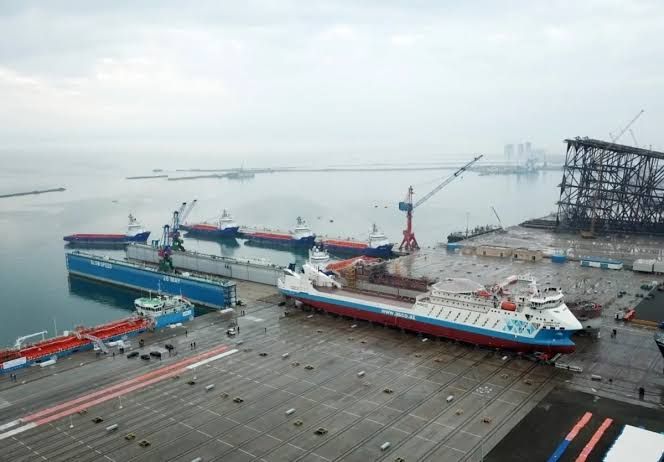
Read moreAzerbaijan’s export of three tugboats to the United Arab Emirates (UAE) in January–September 2026 signals the opening of a new chapter in the development of the country’s non-oil sector. Although the shipment may appear modest in terms of volume and value, it carries broader significance: a product manufactured by Azerbaijan’s shipbuilding industry has reached a foreign market, offering a new example of the country’s expanding industrial export potential.
As is widely known, Azerbaijan’s export revenues have traditionally been dominated by hydrocarbons. Initially, crude oil accounted for the overwhelming majority of exports, while over the past five to ten years oil and natural gas together have generally represented around 85–90% of total exports, and occasionally an even larger share. The non-oil sector has also been developing, creating additional sources of export revenue. However, its expansion has been accompanied by considerable concentration in both products and destination markets.
Fruit and vegetables have accounted for more than 20% of non-oil exports. In 2025, Azerbaijan exported approximately 845,900 tonnes of fruit and vegetables worth $901.5 million, representing 24.85% of total non-oil exports. Raw materials have also occupied a substantial position in the sector’s export structure. Put simply, agricultural produce and raw materials have accounted for the lion’s share of non-oil exports. Concentration has also been evident geographically. Four countries — Russia, Türkiye, Georgia and Switzerland — together accounted for approximately 70% of Azerbaijan’s non-oil exports in 2025.
Against this background, Azerbaijan’s gradual entry into new product categories and markets represents an encouraging development. The export of three tugboats may seem insignificant to some observers. However, those familiar with the structure of Azerbaijan’s export economy and the challenges of diversification can appreciate why this shipment deserves attention. Its importance extends beyond the value of the vessels themselves: it demonstrates that the country’s manufacturing capabilities are beginning to generate products with export potential in new industrial segments.
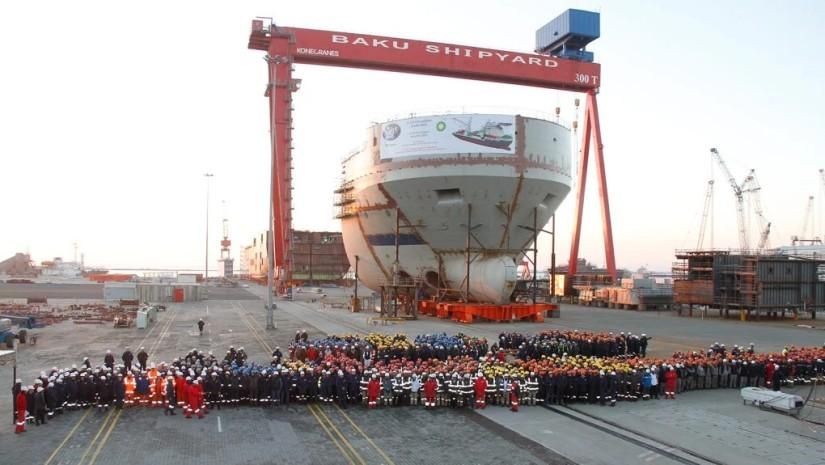
More specifically, the government began taking measures to develop the shipbuilding sector in 2010, and these efforts are now producing tangible results. The launch of Baku Shipyard in 2013 marked a major step in this process. By establishing domestic production capacity, Azerbaijan gradually became capable of building several types of vessels that had previously been purchased from foreign manufacturers, strengthening its ability to meet domestic demand through local production.
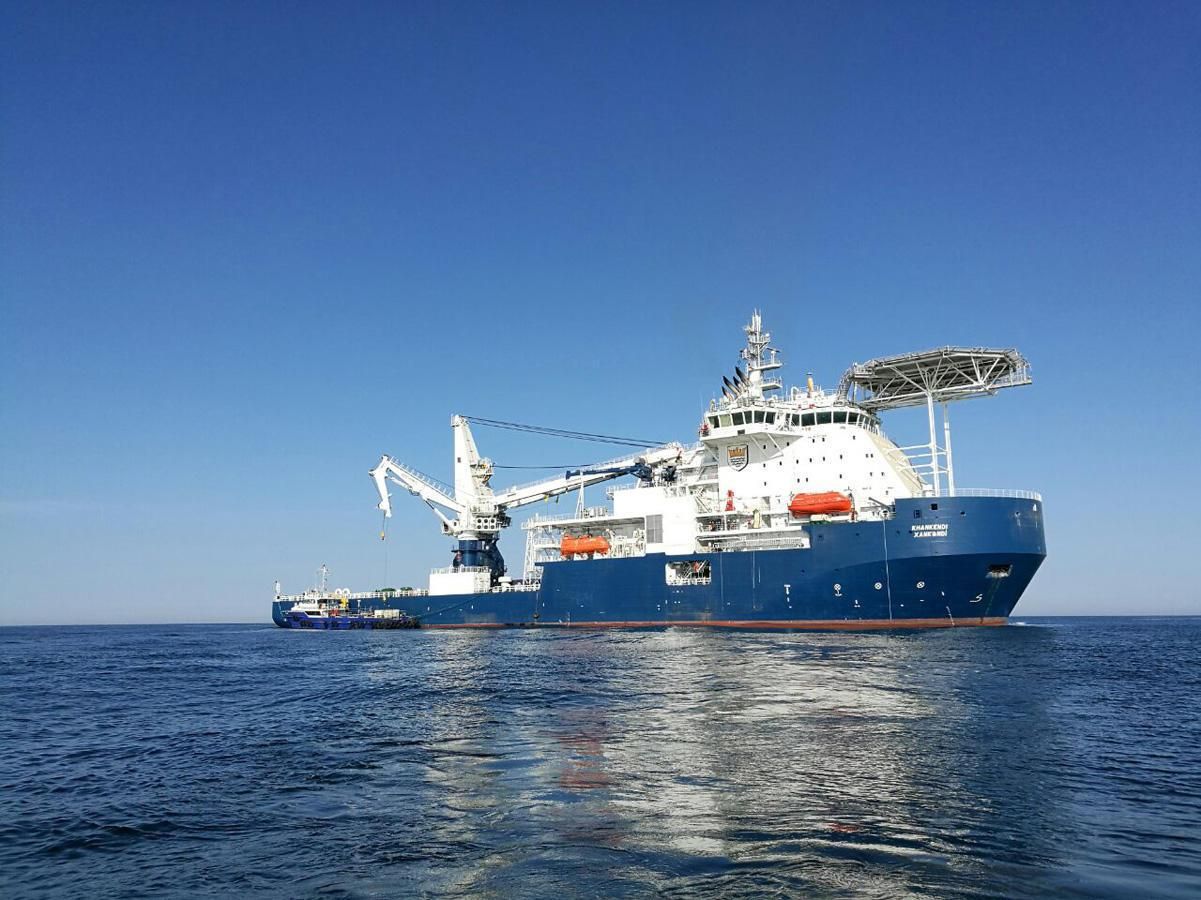
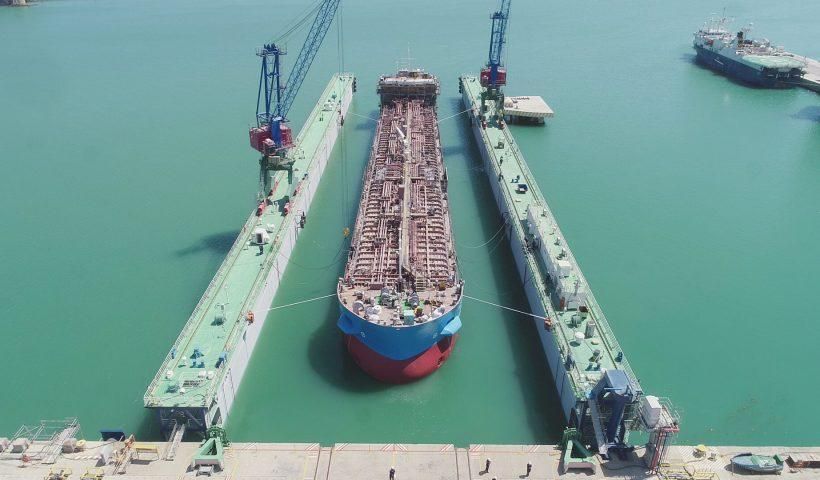
The range of vessels constructed in Azerbaijan illustrates this progress. The country has built tankers such as Lachin, Kalbajar, Akademik Khoshbakht Yusifzadeh and Zangilan, as well as the Azerbaijan and Zarifa Aliyeva ferries. Its shipbuilding capabilities also cover offshore support vessels, including the Ufuq, Zafar and Turan crew boats, which transport personnel and supplies to oil and gas facilities in the Caspian Sea. Another important achievement is the Khankendi subsea construction vessel, developed through international cooperation. Designed to carry out specialised operations on the seabed, it supports offshore engineering work, including the installation, maintenance and servicing of subsea infrastructure used in oil and gas projects.
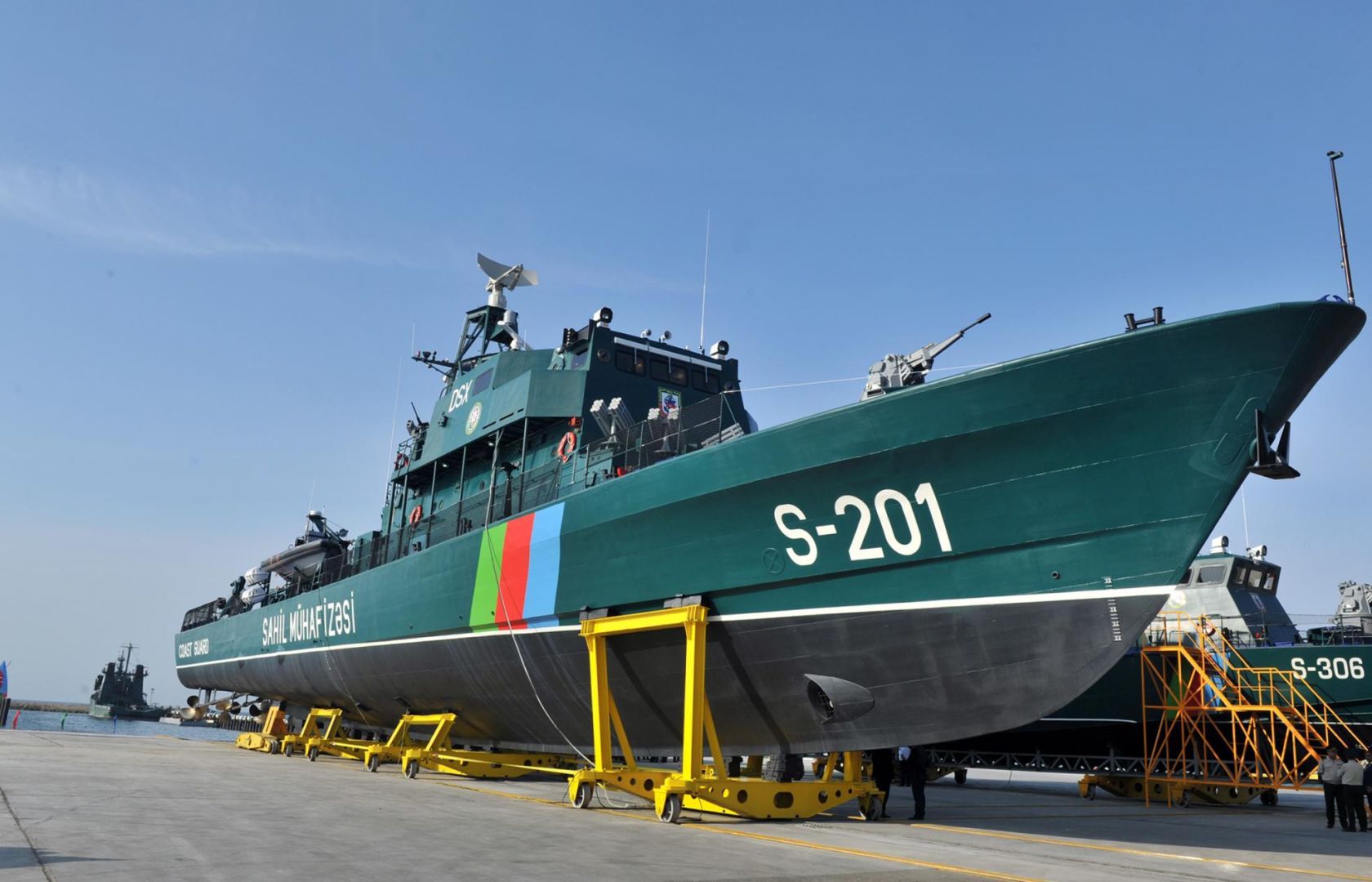
Azerbaijan’s shipbuilding activity also extends beyond civilian and commercial vessels. The country has constructed Shahdag- and Tufan-class vessels for the State Border Service’s Coast Guard, demonstrating the development of domestic capacity to produce specialised ships for maritime security and border protection.
As in the machinery industry, the long-term economic value of shipbuilding extends beyond the initial sale of a vessel. Maintenance, repairs and technical support create recurring demand and provide an additional source of revenue throughout a ship’s operational life. Azerbaijan has also made considerable progress in this area. ASCO operates the Zigh Ship Repair and Construction Plant and the Bibiheybat Ship Repair Plant, which serve its own fleet as well as external customers. In 2024, the two facilities carried out a combined 1,088 repair operations, of which 27 involved vessels belonging to third-party organisations. Over the preceding five years, they completed 4,707 repair operations, including 195 involving vessels owned by external organisations. These figures refer to repair operations rather than the number of individual vessels, but they nevertheless demonstrate the scale of activity and the experience accumulated by the country’s repair facilities.
In other words, Azerbaijan has reached a stage at which its shipbuilding industry can meet a significant part of domestic demand and has begun exporting its production. Developments across the region and the growing importance of trans-Caspian transport could create further opportunities for this industry and increase its contribution to the national economy.
Uzbekistan is one potential partner in this process. Despite being a doubly landlocked country, it is seeking to strengthen its access to international markets through the Caspian Sea and the Middle Corridor. In July 2026, Uzbekistan’s Deputy Minister of Investments, Industry and Trade, Khurram Teshabayev, announced plans to establish a joint fleet on the Caspian Sea with Azerbaijan and create a joint venture between the Uzbek transport company Uztemiryulkargo and Azerbaijan Caspian Shipping Company (ASCO). The initiative is intended to improve multimodal transport, strengthen supply-chain resilience and reduce logistics costs for exporters. If these plans advance and the fleet requires additional vessels, Azerbaijani shipbuilders could potentially become suppliers. While specific shipbuilding orders have yet to be announced, the proposed cooperation offers a promising opportunity for the country’s maritime industry.
Another important development is the establishment of the West Industrial Park in January 2026, covering territory in Ganja and Shamkir. The park’s priority areas include ferrous and non-ferrous metallurgy, metal processing, steel and rolled metal production, as well as the manufacture of various metal products. Its development could give fresh momentum to Azerbaijan’s metallurgical industry and create new opportunities for industrial cooperation.
This is particularly relevant to shipbuilding and machinery manufacturing, both of which are major consumers of metal products. Ship construction requires steel, processed metal, pipes, structural components and specialised materials that must meet demanding technical and quality standards. The development of domestic metallurgical production could therefore strengthen local supply chains, increase the share of locally sourced inputs and retain a greater portion of industrial value added within the country. The extent of this contribution will depend on the ability of local producers to meet the technical, quality and certification requirements of shipbuilders.
Ultimately, the export of three tugboats to the UAE represents a small shipment with a potentially much larger industrial significance. Azerbaijan’s shipbuilding capabilities have developed considerably, moving from a focus on meeting domestic demand towards the possibility of serving foreign markets. At the same time, initiatives such as the West Industrial Park could provide complementary support by expanding the domestic production of materials required by shipyards and other manufacturers. The combination of these developments could help Azerbaijan move gradually towards a more diversified export structure, in which locally manufactured products, industrial services and interconnected production chains play a growing role in the economy.
Here we are to serve you with news right now. It does not cost much, but worth your attention.
Choose to support open, independent, quality journalism and subscribe on a monthly basis.
By subscribing to our online newspaper, you can have full digital access to all news, analysis, and much more.
You can also follow AzerNEWS on Twitter @AzerNewsAz or Facebook @AzerNewsNewspaper
Thank you!