
India’s Pahalgam narrative strength projected isolation delivered
By Jehanzeb Iqbal | AzerNEWS
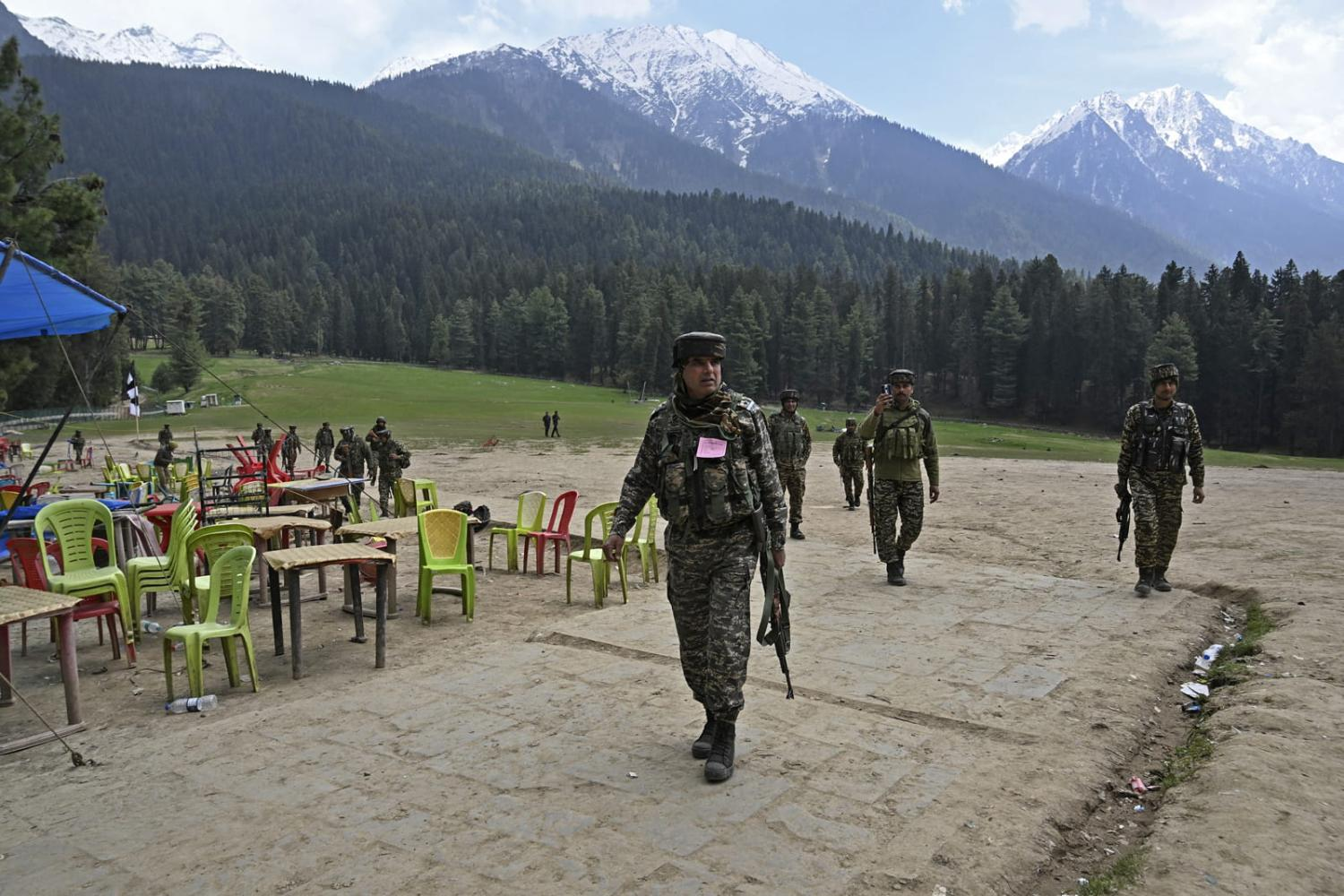
One year ago today, on April 22, 2025, gunmen opened fire on tourists in the scenic Pahalgam valley of Indian-administered Jammu & Kashmir, killing dozens of civilians in one of the deadliest attacks the region had witnessed in years. Within hours, before any investigation had commenced, the Indian state machinery; its media anchors, its intelligence briefers, its cabinet ministers had already written the verdict: Pakistan was responsible. We would rather avoid discussing Indian obsession with Pakistan.
What followed over the next twelve months was not a story of justice, security, or regional stability. It was the story of a carefully constructed narrative eating itself alive.
The Indian establishment’s reflexive attribution of the attack to Pakistan was not grounded in evidence. It was grounded in habit. For decades, New Delhi has maintained a strategic posture in which every act of militancy on its soil becomes a Pakistani plot, regardless of facts on the ground. The Pahalgam attack fit that template perfectly, and was deployed accordingly.
A group calling itself The Resistance Front claimed responsibility. Indian investigators, with remarkable speed, declared it a front organization for Lashkar-e-Tayyeba. No forensic trail, no intercept transcripts, no credible evidentiary chain was made public. The claim was asserted; the narrative was set.
Pakistan, for its part, made an offer that was both reasonable and diplomatically astute: an inquiry by any mutually agreed neutral party to establish the facts. India rejected it outright. The rejection itself was revealing; nations confident in their evidence do not refuse independent verification.
Having foreclosed diplomacy, New Delhi turned to force. In early May 2025, India launched cross-border air strikes into Pakistani territory, targeting sites it claimed were terrorist infrastructure in Bahawalpur, Lahore, and Muzaffarabad. The Indian government, riding high on a decade of soft power accumulation and a carefully cultivated image as a rising global power, expected a swift demonstration of dominance.
However, what it received instead was catastrophe. Pakistani air defenses, sharper and better integrated than Indian planners had apparently anticipated, downed six to seven Indian fighter aircrafts, including advanced Rafale jets procured from France at enormous cost. The loss was not merely material; it was symbolic and strategic. Over the next four days, the world watched what can only be described as the meltdown of Indian regional hegemony in real time.
The damage rippled outward almost immediately. Dassault Aviation, the French manufacturer of the Rafale, found itself in an uncomfortable position as the jets’ poor combat performance became a talking point across global defense circles. Reports emerged that French officials privately expressed frustration at how India had deployed and lost such a sophisticated hardware. The United States, meanwhile, was reportedly active behind the scenes, with President Trump publicly acknowledging on multiple occasions that Indian jets had been shot down, calling for de-escalation in terms that stripped away any ambiguity about what had happened in the skies over the border.
India’s silence on American mediation efforts compounded its isolation. New Delhi’s refusal to publicly acknowledge let alone thank Washington’s intervention was read as arrogance in Western capitals. It accelerated a quiet but significant cooling in the diplomatic warmth India had carefully cultivated since the early 2000s.
While India was managing the fallout of its military and diplomatic miscalculations through the summer and autumn of 2025, Pakistan was quietly consolidating strategic gains.
By late 2025, Pakistani defense exports to developing nations had risen substantially, with Islamabad emerging as a credible arms supplier and security partner in a multipolar world increasingly skeptical of Western-aligned defense hierarchies. More significantly, Pakistan and Saudi Arabia signed a landmark bilateral defense agreement; Strategic Mutual Defense Agreement (SMDA), formalizing Pakistan’s role as a net security provider for the Kingdom. It came as a development that repositioned Islamabad in Gulf geopolitics and gave it strategic depth that no amount of Indian lobbying could easily undo.
India’s much-touted project of isolating Pakistan internationally had not merely failed, it had inverted. Pakistan was gaining diplomatic space as India was quietly losing it.
Then came March 2026, and a development that reshuffled the entire regional chessboard: coordinated Israeli and American strikes against Iran. The attack fundamentally altered the security architecture of West Asia, triggering cascading crises that demanded mediators with credibility on multiple sides.
Pakistan with its Islamic identity, its relationships across the Gulf, its long-maintained back-channels with Tehran, and its recently burnished credentials as a responsible state actor stepped into that role. Today, on the first anniversary of the Pahalgam attack, Pakistani leadership is engaged in active mediation between Washington and Tehran, working to prevent a wider conflagration in West Asia. Islamabad is in the global spotlight for the right reasons. India, by contrast, is watching from the periphery. The BJP-led government faces sharpening domestic criticism from opposition parties over what many are now openly calling a foreign policy catastrophe, a war that was sold as a demonstration of strength and delivered humiliation, followed by a diplomatic retreat dressed up as restraint.
Narratives built on nationalist bias rather than fact are brittle structures. They hold together only as long as power can enforce their acceptance. The moment that power falters in the air over Muzaffarabad, in the back-channels of Washington, in the defense ministries of Riyadh; the narrative collapses under its own weight.
India set out in April 2025 to isolate Pakistan. One year later, it is India that finds itself isolated from the defining events of the moment. The slogans of Pakistani irrelevance have been answered by Pakistani mediation at the highest levels of global diplomacy. History has a particular irony reserved for states that confuse hegemony with strategy. India is learning that lesson in real time one painful anniversary at a time.
---------
The views and opinions expressed by guest columnists in their articles may differ from those of the editorial board and do not necessarily reflect its views.
Here we are to serve you with news right now. It does not cost much, but worth your attention.
Choose to support open, independent, quality journalism and subscribe on a monthly basis.
By subscribing to our online newspaper, you can have full digital access to all news, analysis, and much more.
You can also follow AzerNEWS on Twitter @AzerNewsAz or Facebook @AzerNewsNewspaper
Thank you!