
Car tariffs have complicated Canada-U.S. trade talks
by Alimat Aliyeva
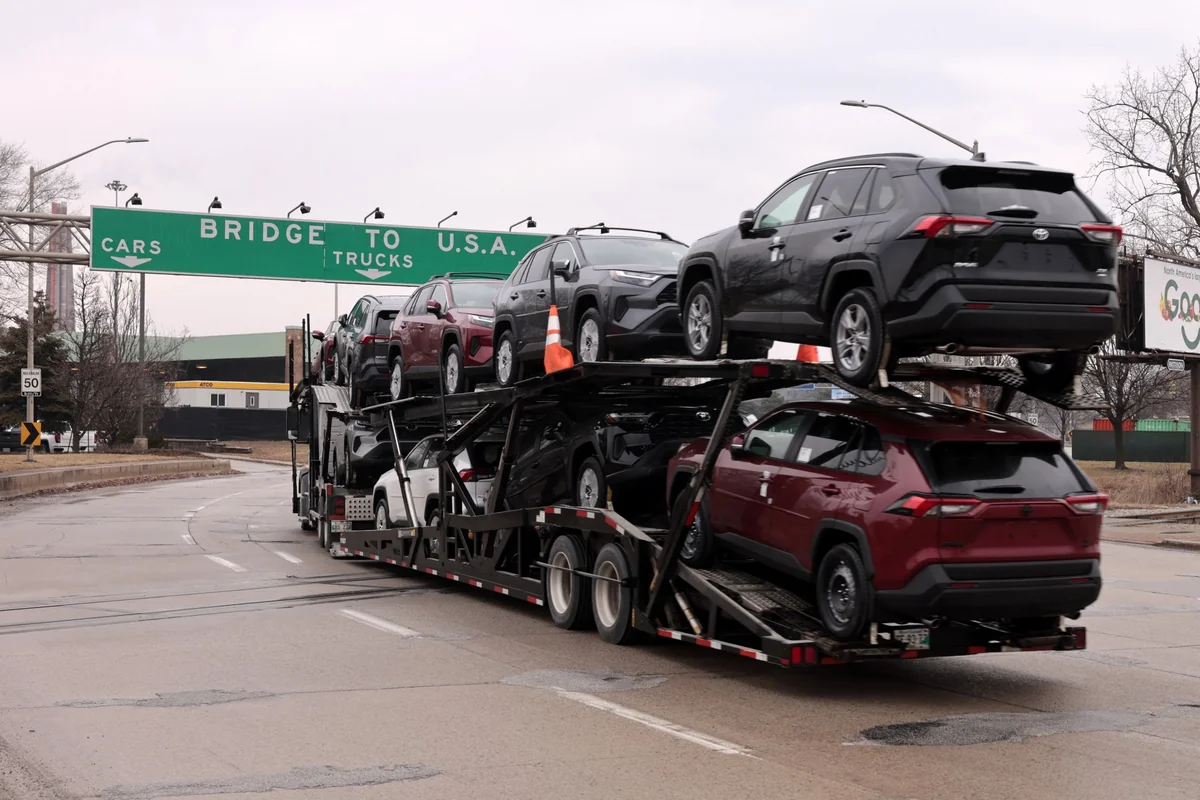
Car tariffs have emerged as one of the main points of contention in the latest trade negotiations between Canada and the United States.
Canadian authorities are pushing for tariffs on cars exported to the United States to be reduced to 10% or for existing exemptions to be extended to vehicles containing American-made components.
The administration of U.S. President Donald Trump, however, is calling for a minimum tariff rate of 15%, putting additional pressure on Canada’s auto industry.
Canadian negotiators held consultations in Washington over the weekend in an effort to prevent higher duties from being introduced as early as this week. On the U.S. side, the talks reportedly involved senior officials, including U.S. Trade Representative Ambassador Jamie Grierson and Commerce Secretary Howard Lutnick.
On July 21, Trump announced additional 50% tariffs on certain Canadian products in response to Ottawa’s trade measures against American goods. Energy products, potash, seafood and critical minerals are exempt from the new duties. The restrictions are expected to take effect on August 19.
Canadian Prime Minister Mark Carney has said that Ottawa is prepared to respond if the new U.S. tariffs come into force. However, he stressed that Canada would not take retaliatory measures before the American restrictions actually take effect.
The dispute is particularly important for the automotive sector because Canada and the United States have deeply integrated supply chains. A single vehicle can cross the border several times during the manufacturing process, meaning that higher tariffs could ultimately increase production costs on both sides.
The standoff also carries risks for consumers. If manufacturers pass the additional costs on to buyers, higher tariffs could eventually translate into more expensive cars and potentially make new vehicles less affordable in both countries.
The outcome of the negotiations could therefore have implications far beyond the auto industry, affecting thousands of jobs, investment decisions and the broader economic relationship between two of North America’s closest trading partners.
Here we are to serve you with news right now. It does not cost much, but worth your attention.
Choose to support open, independent, quality journalism and subscribe on a monthly basis.
By subscribing to our online newspaper, you can have full digital access to all news, analysis, and much more.
You can also follow AzerNEWS on Twitter @AzerNewsAz or Facebook @AzerNewsNewspaper
Thank you!