
Climate change and the Caspian: a crisis at Europe’s edge

Ulviyya Poladova
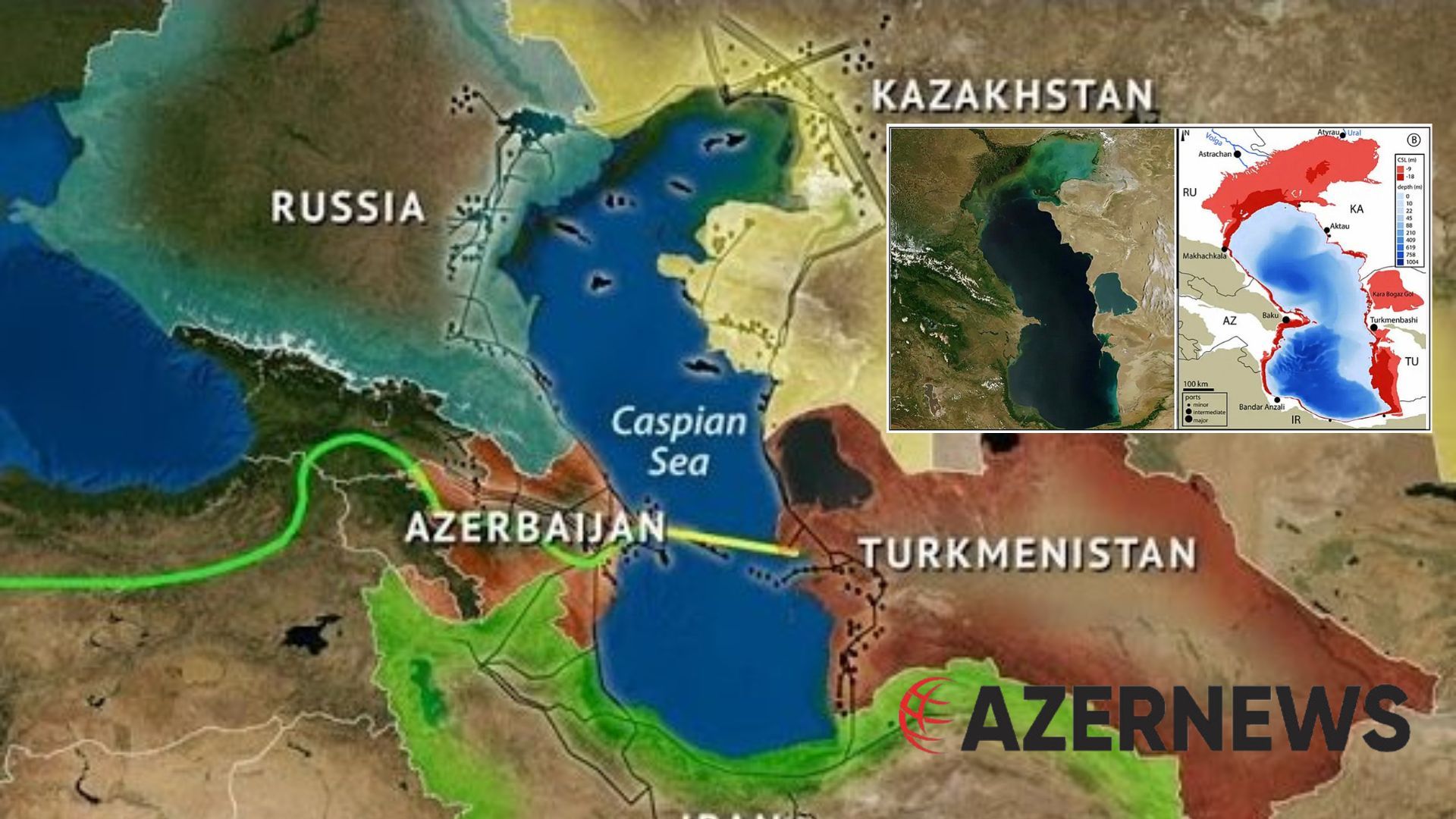
Read moreThe shrinking of the Caspian Sea is emerging as one of the most consequential environmental transformations of the 21st century, with far-reaching ecological, economic, and geopolitical implications. Although global discourse often focuses on rising sea levels caused by climate change, inland water bodies like the Caspian are experiencing the opposite trend-rapid desiccation driven by a complex interplay of climatic and human factors.
At the core of this decline is global warming. Rising temperatures across the Caspian basin have intensified evaporation rates, outpacing the volume of water entering the sea through precipitation and river inflows. This imbalance in the hydrological cycle has already been observed through satellite-based radar altimetry, including monitoring systems such as NASA’s Global Water Monitor, which shows a steady drop in water levels since the mid-1990s.
A critical contributing factor is the reduced inflow from rivers, particularly the Volga River, which historically supplies the majority of the Caspian’s water. Extensive dam construction and water diversion for agriculture and hydroelectric power have significantly curtailed this inflow. The cumulative effect of these interventions has disrupted the natural balance of the basin, accelerating the sea’s retreat.
Sea water retreat adds new risk to Eurasian energy markets
The Caspian region is rich in hydrocarbons, making it a key energy hub for countries such as Azerbaijan, Kazakhstan, and Turkmenistan. While oil and gas extraction provide substantial economic benefits, they also contribute to greenhouse gas emissions, further intensifying the climate crisis that underlies the sea’s decline. This creates a feedback loop in which economic dependence on fossil fuels exacerbates environmental degradation.
The consequences of the Caspian’s shrinking are multifaceted. Ecologically, falling water levels threaten biodiversity, disrupt fish spawning grounds, and degrade critical habitats. Economically, the retreating shoreline poses severe challenges to coastal infrastructure, tourism, and fisheries. In the northern Caspian, particularly along Kazakhstan’s shallow coastline, even a 10-meter drop could push the shoreline back by up to 200 kilometers, rendering ports and seaside developments obsolete.
Social impacts are equally concerning. As coastal cities lose their proximity to the sea, they risk economic decline, reduced employment opportunities, and population outmigration. Investments in tourism and real estate may become stranded assets, leading to broader regional instability.
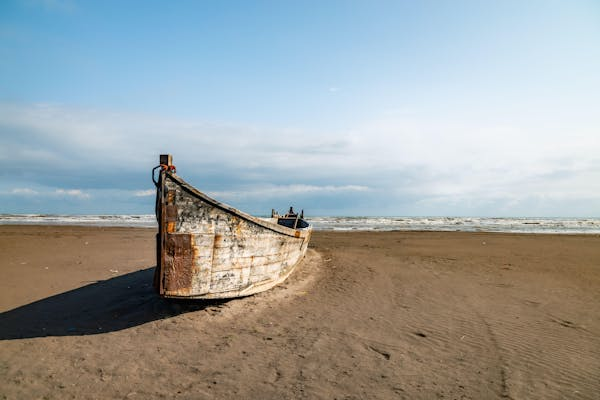
Photo: S. Melkin / Alamy
The ecological consequences would be dramatic. Four out of ten ecosystem types unique to the Caspian Sea would disappear completely. The endangered Caspian seal could lose up to 81% of its current breeding habitat, and Caspian sturgeon would lose access to critical spawning habitat.
As in the Aral Sea disaster, where another massive lake in central Asia almost entirely disappeared, toxic dust from the exposed seabed would be released, with serious health risks.
Geopolitically, the changing geography of the Caspian may alter maritime boundaries and resource access, potentially heightening tensions among the five littoral states: Azerbaijan, Iran, Kazakhstan, Russia, and Turkmenistan. Existing legal frameworks, such as the Tehran Convention, provide a foundation for cooperation, but may prove insufficient in addressing the dynamic challenges posed by a rapidly changing environment.
Shrinking of the Caspian Sea is not merely an environmental issue but a systemic crisis that intersects climate science, resource management, and regional politics. Addressing it will require coordinated action among the Caspian states, including sustainable water management, reduced reliance on fossil fuels, and adaptive strategies for affected communities. Without such measures, the Caspian’s decline could become a defining example of how climate change reshapes not only natural systems but also human societies.
Here we are to serve you with news right now. It does not cost much, but worth your attention.
Choose to support open, independent, quality journalism and subscribe on a monthly basis.
By subscribing to our online newspaper, you can have full digital access to all news, analysis, and much more.
You can also follow AzerNEWS on Twitter @AzerNewsAz or Facebook @AzerNewsNewspaper
Thank you!