
Muscat talks expose depth of Iran–US divide after 2025 escalation
By AzerNEWS Staff
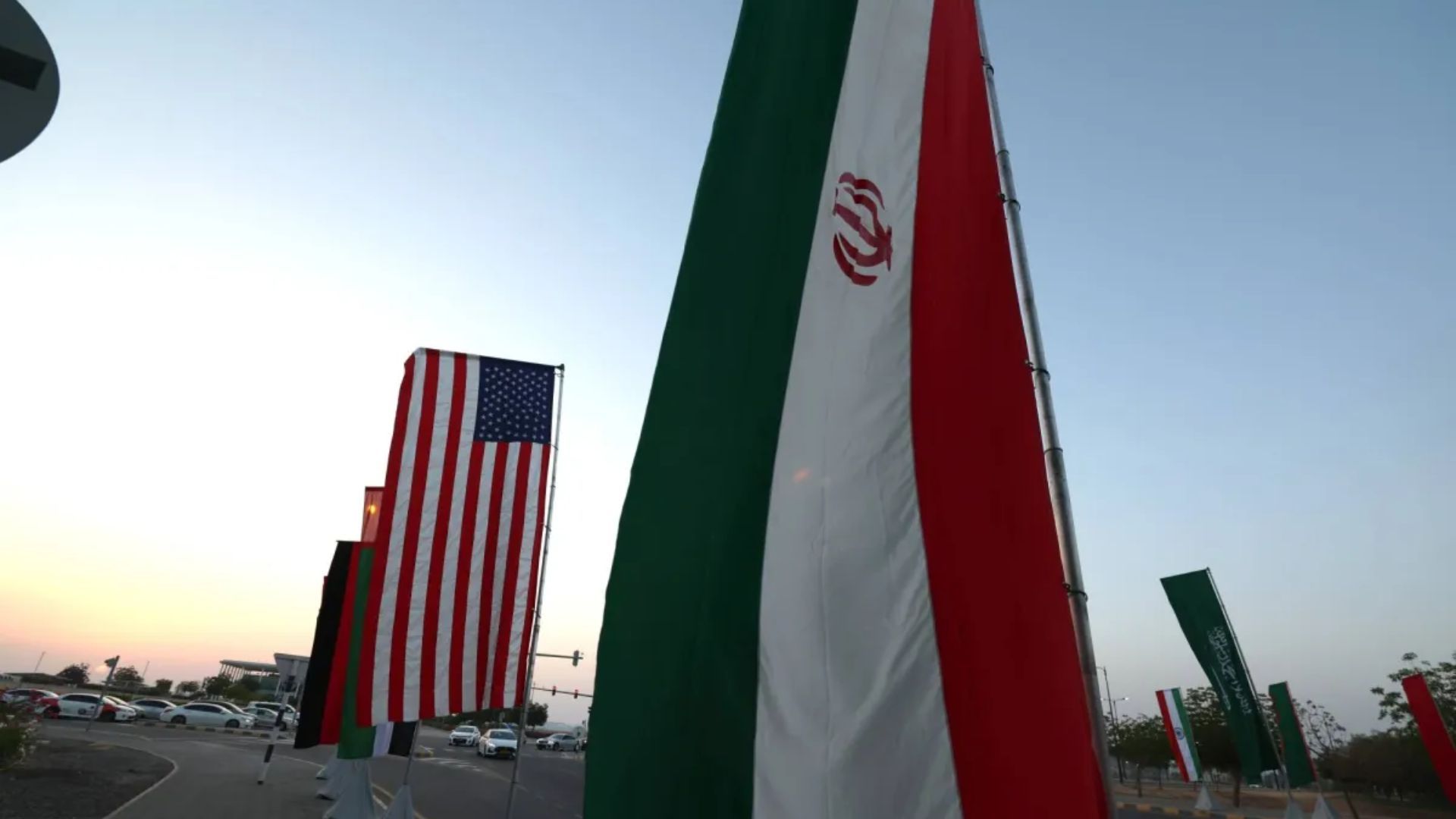
The US-Iran meeting in Oman, which initially seemed impossible to everyone, once again showed that bloody wars can always be replaced by a meeting at the table. The result that will be achieved here, by comparison, may not outweigh the losses that war can cause. But when it comes to the clash of two irreconcilable forces, negotiations begin to take on more importance.
Despite the first round of Iran–US talks in Muscat delivered no breakthrough, but what it did provide was time. Whether that time is used to build a framework for de-escalation or simply to delay a more dangerous confrontation will become clear in the weeks ahead.
When Iranian and American negotiators wrapped up several hours of discussions in the Omani capital on 6 February, neither side publicly signalled any movement from its opening position. Tehran insisted the talks be confined strictly to the nuclear file. Washington arrived seeking a broader agenda, encompassing ballistic missiles, Iran’s regional allies and armed groups, and wider concerns it has repeatedly raised, including human rights. Neither position prevailed. Instead, both sides agreed to reconvene.
As reported by Aljazeera, at first glance, the outcome appeared uneventful. In reality, it was not.
The Muscat meeting marked the first high-level diplomatic engagement between Iran and the United States since joint US-Israeli strikes on Iranian nuclear facilities in June 2025—an escalation that Tehran says killed more than 1,000 people and targeted three nuclear sites. The decision to return to the same palace near Muscat’s airport that hosted earlier talks in 2025, and to commit to further meetings, carries symbolic and strategic weight.
Yet symbolism should not be mistaken for progress. The gap between the two sides remains substantial. Iran seeks sanctions relief and international recognition of its nuclear programme within tightly defined parameters. The United States, meanwhile, continues to frame the nuclear issue as inseparable from Iran’s regional posture and military capabilities.
For now, Muscat has offered both sides a diplomatic pause rather than a pathway to resolution. Whether that pause becomes the foundation for renewed negotiations—or merely a holding pattern before the next escalation—will define the trajectory of Iran–US relations in the coming weeks.
Here we are to serve you with news right now. It does not cost much, but worth your attention.
Choose to support open, independent, quality journalism and subscribe on a monthly basis.
By subscribing to our online newspaper, you can have full digital access to all news, analysis, and much more.
You can also follow AzerNEWS on Twitter @AzerNewsAz or Facebook @AzerNewsNewspaper
Thank you!