
Asian nations tighten border controls amid Nipah virus cluster in India

Akbar Novruz
Read moreIn response to reports of a Nipah virus cluster in Kolkata, India, Hong Kong authorities are stepping up health precautions for inbound travelers, while closely monitoring developments in the region, Azernews reports.
The Centre for Health Protection (CHP) of the Department of Health (DH) announced on January 26 that it has requested updated information from the World Health Organization (WHO) and Indian health authorities. Health screenings are being conducted on travelers arriving from the affected area who display possible symptoms, with suspected cases being referred promptly to hospitals for investigation. Currently, Hong Kong has reported no imported or local Nipah virus cases.
Preliminary reports indicate that a hospital in West Bengal has recorded five confirmed cases since mid-January, primarily among healthcare workers through nosocomial transmission. No deaths or cross-border transmissions have been reported so far. Around 100 close contacts have been quarantined and tested in India. The CHP assesses the risk of importation to Hong Kong as low.
Background on Nipah virus
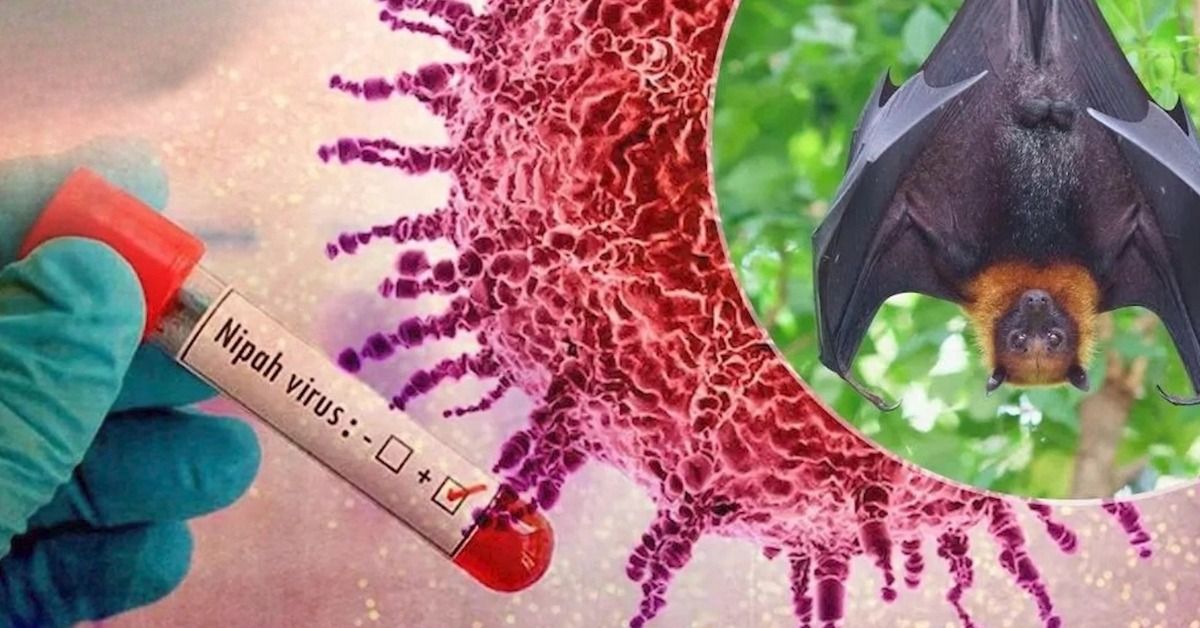
First identified during 1998–1999 outbreaks in Malaysia and Singapore, the Nipah virus primarily affects humans who have close contact with infected animals, particularly pigs. Other animals, such as horses, goats, sheep, cats, and dogs, can also be infected. In India and Bangladesh, outbreaks typically occur between December and April, with fruit bats as the natural reservoir. Transmission to humans usually occurs through consumption of food contaminated by bat saliva, urine, or droppings — particularly raw date palm sap — or via close contact with infected persons in household or healthcare settings.
Dr. Edwin Tsui, Controller of the CHP, explained that early symptoms can mimic the flu, including fever, headache, vomiting, sore throat, and muscle aches, while severe cases may develop pneumonia, seizures, encephalitis, coma, or death. Fatality rates range from 40% to 75%, and some survivors may experience long-term neurological complications. There is currently no specific treatment, and care is limited to supportive measures.
Hong Kong’s precautionary measures
The CHP emphasized that Hong Kong has robust surveillance and medical assessment systems at boundary control points and hospitals. While there are no direct flights from Kolkata to Hong Kong, authorities have arranged temperature screenings, medical assessments, and referral protocols for travelers arriving from India as a precautionary measure.
“Hong Kong has the ability to detect infections of unknown causes and emerging infectious diseases at boundary control points and in hospitals,” Dr. Tsui said. “We will continue to monitor the situation and step up measures as necessary to safeguard public health.”
The move comes as neighboring Asian countries have implemented stringent control measures, including military deployment and travel restrictions, in response to the outbreak in India.
Here we are to serve you with news right now. It does not cost much, but worth your attention.
Choose to support open, independent, quality journalism and subscribe on a monthly basis.
By subscribing to our online newspaper, you can have full digital access to all news, analysis, and much more.
You can also follow AzerNEWS on Twitter @AzerNewsAz or Facebook @AzerNewsNewspaper
Thank you!