
India’s Nipah outbreak triggers policy response in Taiwan

Akbar Novruz
Read moreTaiwan’s Centers for Disease Control (CDC) has announced plans to classify Nipah virus infection as a Category 5 notifiable disease, following a recent outbreak in India that has heightened regional and global health concerns, Azernews reports via Taiwanese media.
According to CNA, CDC officials said on Sunday that a proposed amendment to Taiwan’s infectious disease control measures was released on January 16, formally initiating the process to add Nipah virus infection to the Category 5 list. The proposal will now undergo a 60-day public consultation period before it can take effect.
Nipah virus has been under priority surveillance in Taiwan since 2018, but it has not previously been classified as a notifiable disease. CDC data show that globally more than 750 cases have been reported since the virus was first identified in 1998, with a fatality rate of around 58 percent, making it one of the deadliest known zoonotic viruses.
If designated as a Category 5 disease, Nipah virus would be categorized as an emerging or rare infection posing major public health risks. This status would require immediate reporting of suspected cases and the implementation of special control and containment measures.
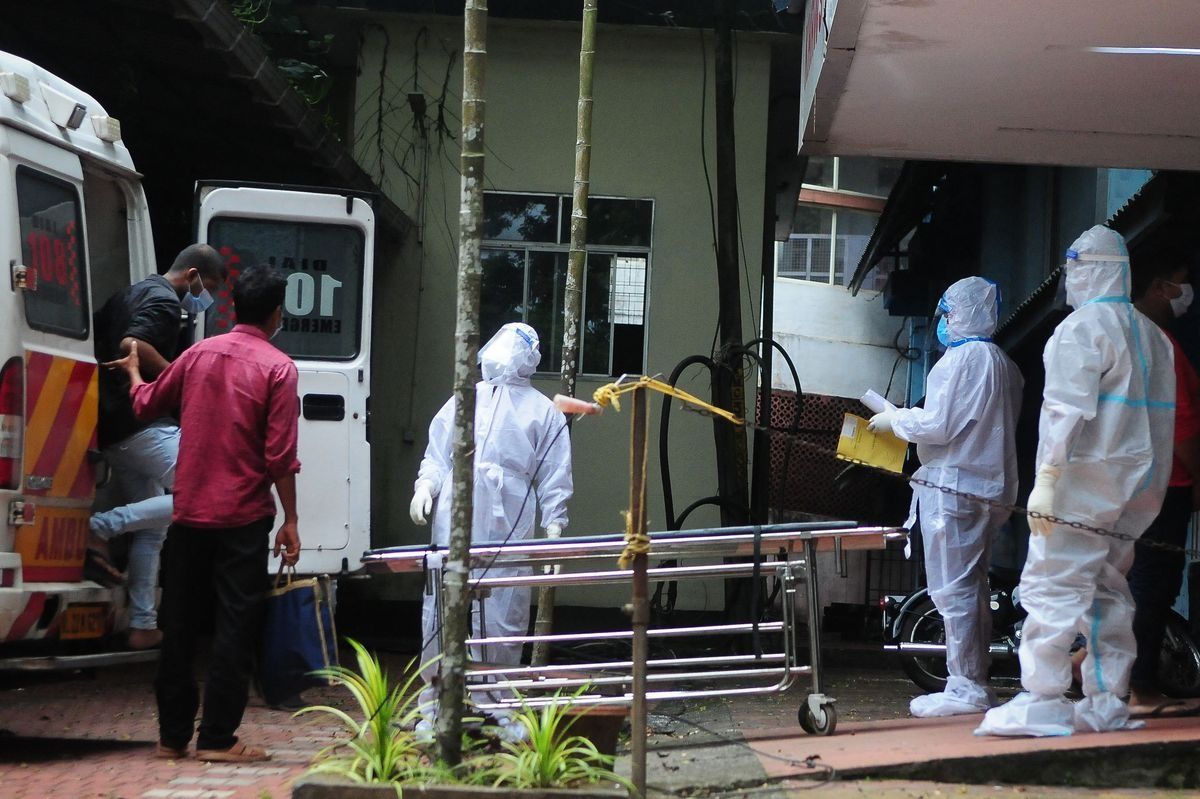
The move comes amid efforts by Indian authorities to contain a Nipah virus outbreak in the eastern state of West Bengal, where five infections had been confirmed as of January 19, according to CDC Deputy Director-General Lin Ming-cheng. Nearly 100 people have reportedly been placed under quarantine as part of containment efforts.
Despite the outbreak, Lin said Taiwan is maintaining a Level 2 “yellow” travel alert only for Kerala state in southwestern India, a region traditionally associated with Nipah virus cases. No travel warning has been issued for West Bengal or other areas. Under Taiwan’s four-tier travel advisory system, a Level 2 alert urges travelers to exercise heightened caution and take preventive measures but does not restrict travel.
Lin noted that travel advisories will be adjusted depending on how the outbreak develops. If community transmission is detected, alerts could be raised, while infections limited to hospital settings would prompt advice for travelers to avoid medical facilities in affected areas.
The CDC also warned that fruit bats are the natural reservoir of the Nipah virus and that coconuts contaminated by bat saliva or urine pose a significant infection risk. Travelers to India were urged to avoid raw or unheated foods and beverages, with particular caution against consuming raw coconut juice.
According to the CDC, Nipah virus can spread to humans through contact with infected bats or animals such as pigs, as well as via respiratory droplets or direct contact with bodily fluids. Limited human-to-human transmission has also been documented. Symptoms can range from no signs of illness to severe respiratory disease and fatal encephalitis, underscoring the virus’s serious public health threat.
Here we are to serve you with news right now. It does not cost much, but worth your attention.
Choose to support open, independent, quality journalism and subscribe on a monthly basis.
By subscribing to our online newspaper, you can have full digital access to all news, analysis, and much more.
You can also follow AzerNEWS on Twitter @AzerNewsAz or Facebook @AzerNewsNewspaper
Thank you!