
Iran arrests 3,000 people related with terrorist groups
Akbar Novruz
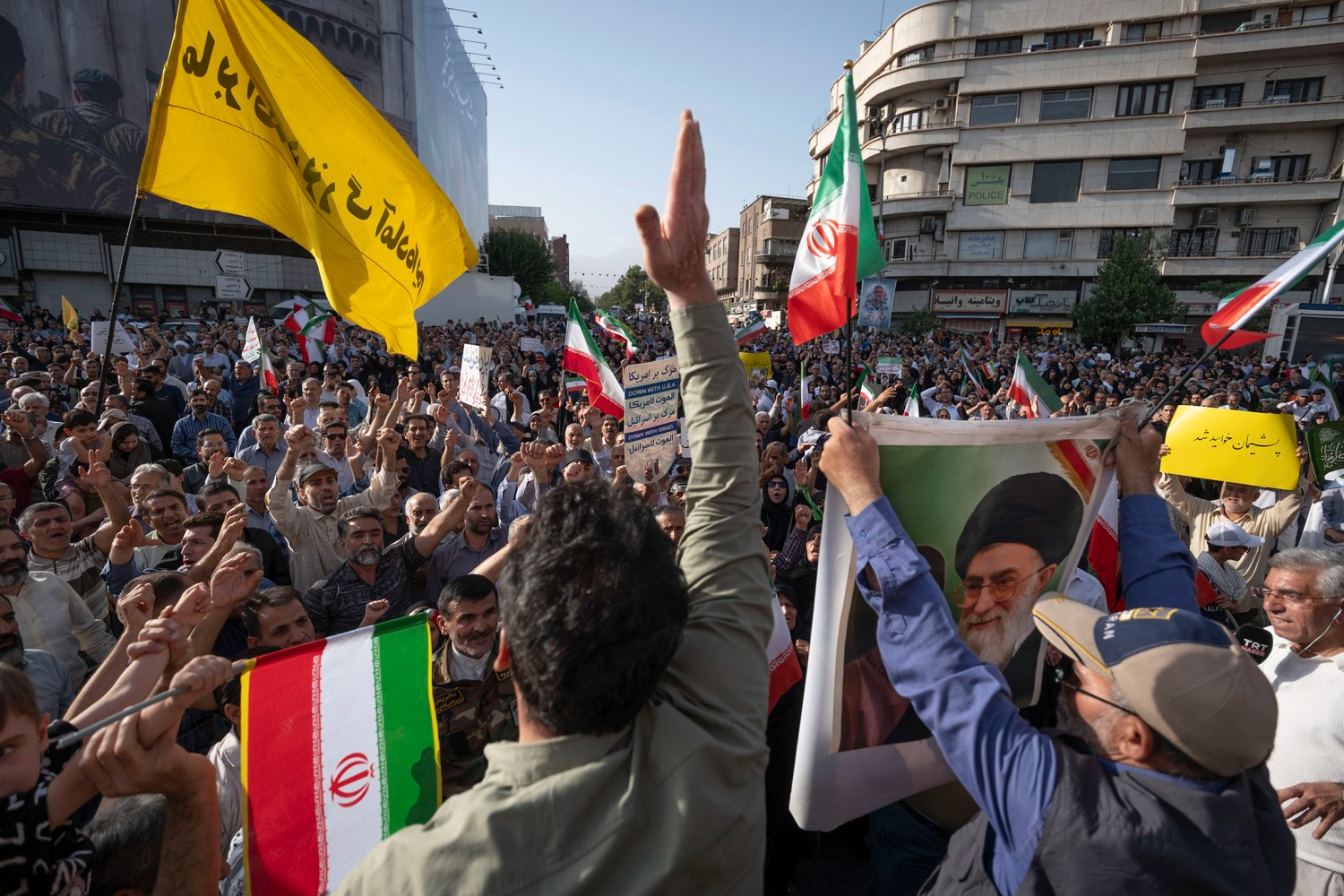
Read moreIran has arrested 3,000 people affiliated with terrorist groups who took part in the country-wide protests, Azernews reports citing Iranian media.
Iran was shaken over the last week by some of the biggest anti-government protests in the history of the Islamic republic. However, the demonstrations appear to have diminished in the face of repression and a week-long internet blackout.
Until Wednesday, the United States was threatening military action against Iran should it carry out the death penalty against people arrested over the protests -- and Washington’s envoy to the UN said Thursday all options were still “on the table.”
Iranian-American journalist Masih Alinejad, invited to address the Council by Washington, said “all Iranians are united” against the clerical system in Iran.
“Millions of Iranians flooded into the streets demanding that their money stop being stolen and sending to Hamas, to Hezbollah, to Houthi” fighters, she said referring to Tehran-backed armed groups.
The protests, described by analysts as the largest uprising since the 1979 Islamic Revolution, began in late December amid deep economic distress, including soaring inflation and a devaluing rial, and spread rapidly across dozens of cities. Demonstrations were fueled by broader grievances against political repression and alleged corruption within Tehran’s ruling establishment. According to human rights monitors, more than 2,500 people have been killed in the crackdown, while tens of thousands have been arrested since late December.
Iran’s authorities have accused demonstrators of links to “terrorist” organizations and foreign interference, claims that rights groups and independent observers widely dispute. Tehran has repeatedly framed the unrest as a security threat and a coordinated attempt to destabilize the country, particularly after imposing a near‑total internet blackout starting on January 8. The blackout, which cut connectivity to almost all foreign and many domestic digital platforms, has substantially hindered independent reporting and made it difficult to verify events on the ground.
The significant repression and threats of capital punishment drew sharp responses from the United States. Until mid‑week, the US had threatened military action against Iran if executions of detained protesters went ahead, with Washington’s envoy to the United Nations affirming on Thursday that all options remained “on the table.” These warnings came as Iran reportedly halted planned executions, including that of a high‑profile protester, although details remain disputed.
Iranian‑American journalist Masih Alinejad, invited by the US to address the UN Security Council, said in her remarks that “all Iranians are united” against the clerical system and criticized the government’s priorities. She stated that “millions of Iranians flooded into the streets demanding that their money stop being stolen and sent to Hamas, Hezbollah and Houthi fighters,” referencing Tehran‑backed armed groups. Her comments reflect the opposition’s broader narrative that the regime’s foreign engagements and spending priorities have exacerbated internal economic hardship.
Here we are to serve you with news right now. It does not cost much, but worth your attention.
Choose to support open, independent, quality journalism and subscribe on a monthly basis.
By subscribing to our online newspaper, you can have full digital access to all news, analysis, and much more.
You can also follow AzerNEWS on Twitter @AzerNewsAz or Facebook @AzerNewsNewspaper
Thank you!