
Media literacy becomes national priority in age of digitalization and AI – MEDIA

AzerNEWS Staff
Read moreFor the past four years, the organization of systematic, consistent, and unified activities around media literacy at the end of each year has become an important tradition in Azerbaijan. At a time when digitalization is rapidly deepening and the scale of information production and consumption is significantly expanding, media literacy - grounded in the principles of security, responsibility, and reliability - has gained particular relevance.
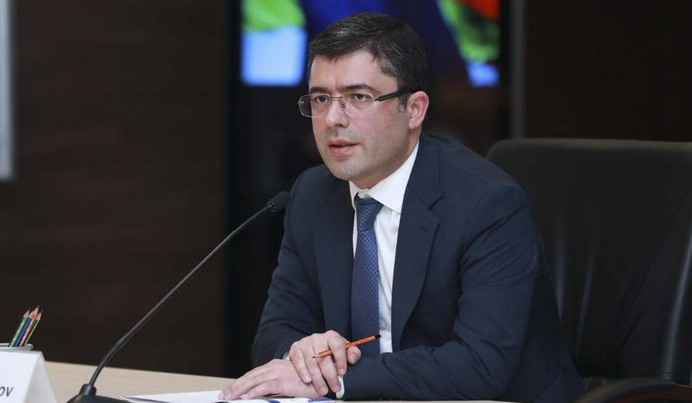
As reported by Azernews, these remarks were made today by Ahmad Ismayilov, Executive Director of the Media Development Agency, during his speech at the conference titled “Digitalization, Artificial Intelligence, and Media Literacy.”
Ismayilov emphasized that this approach is not only vital for participants in the information sphere but also shapes a broader value system and behavioral model for society as a whole.
“In a modern information environment where data reaches wide audiences within seconds in real time, this year we are also marking the 150th anniversary of the Azerbaijani national press,” he noted. “Based on the relevant decree of President Ilham Aliyev, the large-scale celebration of this anniversary is of great importance for an in-depth analysis of the historic role of the national press, its place in shaping public opinion, its educational traditions, and its contribution to preserving and developing statehood ideals. At the same time, this jubilee creates broad opportunities to review the development path of the national press founded with the ‘Akinchi’ newspaper and to define new responsibilities facing the media amid the challenges of the global information environment. The rich historical legacy of the national press demands even greater responsibility in the modern era.”
The Executive Director pointed out that the rapid expansion of the digital media environment, the tendency for speed to outweigh accuracy, and the growing influence of social media platforms on public opinion have turned information exchange into a process based on collective responsibility.
“Under these conditions, regardless of the source, ensuring the accuracy, objectivity, and public value of information comes to the forefront as a priority,” Ismayilov said. “Against the backdrop of global information threats and new realities, protecting the country’s information environment and ensuring citizens’ access to accurate, reliable, and objective information is of particular importance. The responsible provision of socially significant information by media entities and the process of increasing media literacy among the population function as complementary and mutually reinforcing mechanisms. Especially at the current stage of rapid development of artificial intelligence technologies, safeguarding a healthy information environment, adhering to ethical standards, and promoting accurate information are of strategic importance.”
Ismayilov stressed that strengthening media literacy should be viewed as a shared responsibility not only of professional journalists but also of the wider audience as information consumers. Critical thinking skills, along with the ability to assess the source and purpose of information, are among the key factors ensuring societal resilience.
“In the fight against disinformation - one of the most serious threats on the global agenda - increasing media literacy and implementing continuous, systematic awareness-raising activities on evaluating media content have been identified as priority areas in Azerbaijan,” he said. “The inclusion of the concept of media literacy in the Law of the Republic of Azerbaijan ‘On Media,’ which entered into force in 2022, and the assignment of state measures in this field to the Media Development Agency represent important institutional steps in this direction.”
He added that enhancing media literacy is a multifaceted and complex process, requiring coordinated and targeted cooperation among families, the education system, state institutions, non-governmental organizations, and media entities.
Events held within the framework of Media Literacy Week aim to strengthen this cooperation, encourage initiative, and promote a responsible approach within the media environment. Based on successful international experience, the Media Development Agency is implementing phased and consistent measures to improve media literacy skills in society. As a result of these programs, more than 2,000 young people in over 25 regions have been engaged to date; informational sessions have been organized for over 3,000 students in more than 20 secondary schools to expand media literacy education; and educational and promotional materials have been prepared and presented to the public in cooperation with media organizations.
Here we are to serve you with news right now. It does not cost much, but worth your attention.
Choose to support open, independent, quality journalism and subscribe on a monthly basis.
By subscribing to our online newspaper, you can have full digital access to all news, analysis, and much more.
You can also follow AzerNEWS on Twitter @AzerNewsAz or Facebook @AzerNewsNewspaper
Thank you!