
Khamenei’s death and swift choreography of Iranian succession: Who is Alireza Arafi?
Akbar Novruz
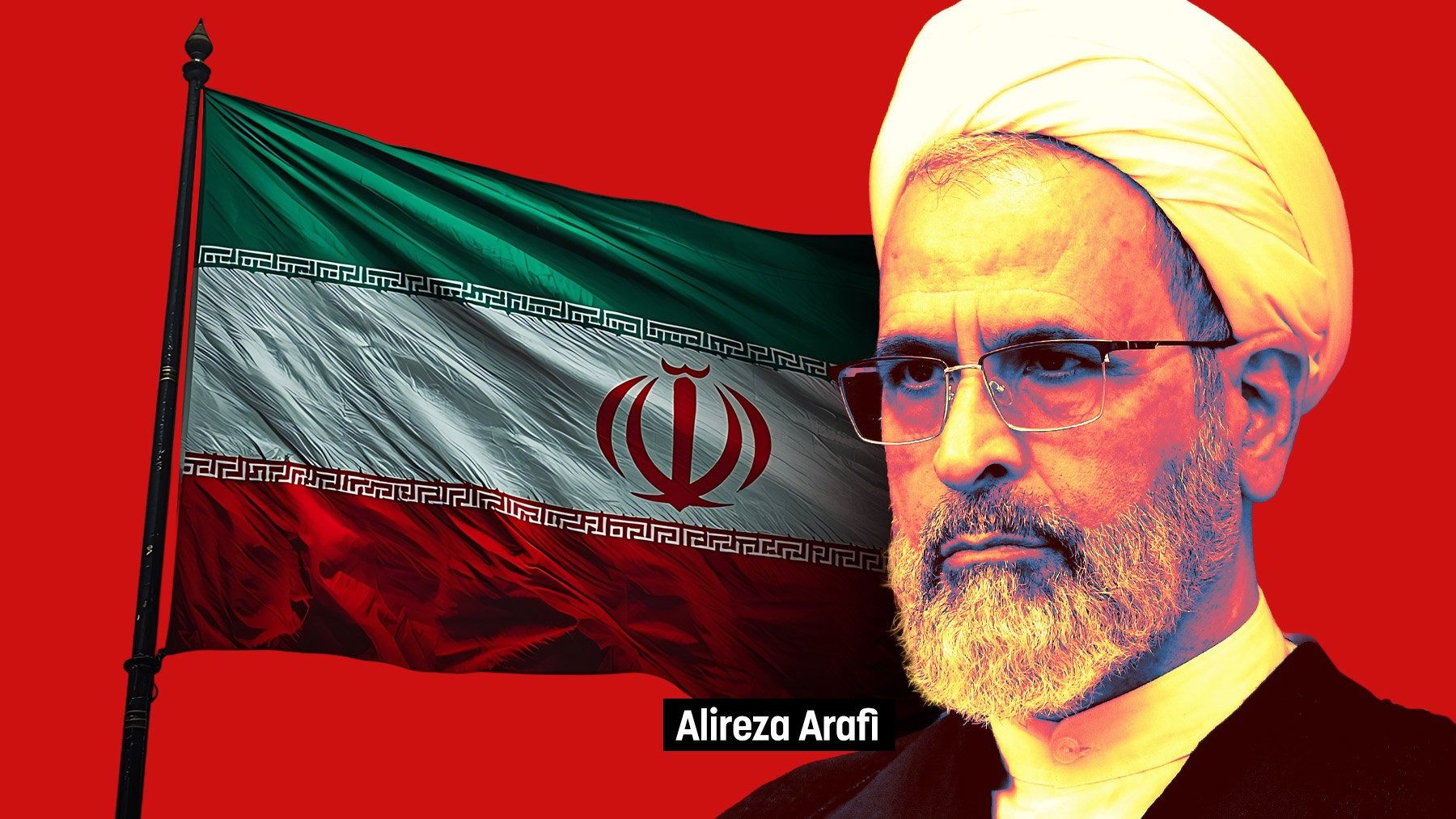
Read moreWithin hours of the death of its long-serving supreme leader, Ayatollah Ali Khamenei, the Islamic Republic moved to project continuity. The Assembly of Experts, an 88-strong clerical body charged with selecting and, if need be, supervising the supreme leader, has appointed Ayatollah Alireza Arafi, 67, as interim successor.
Perhaps, Iran’s theocracy does not much care for interregna.
The speed of the decision suggests a system anxious to appear unruffled at a moment of extraordinary strain.
Ayatollah Seyyed Ali Khamenei was killed in joint American-Israeli air strikes on Tehran early on Saturday, an event that marks only the second leadership transition since the revolution of 1979. The first, in 1989, followed the death of Ayatollah Ruhollah Khomeini and reshaped the republic’s balance of power. This one comes amid open regional conflict and deep domestic malaise.
In theory, the choice of a new supreme leader rests with the Assembly of Experts, elected every eight years, but hardly a forum of ideological diversity. Its members are senior clerics vetted for loyalty by the regime itself. Collectively, they are meant to steward the office’s duties during a transition. In practice, succession in Iran is as much about elite consensus as it is about formal procedure.
Arafi is a product of the system rather than a tribune of the masses. Born in 1959 in Meybod, in Yazd province, he hails from a clerical family and was trained in Qom, the Shiite world’s foremost seminary city. He attained the rank of mujtahid, entitling him to issue independent religious rulings. His ascent has owed more to institutional preferment than to popular acclaim.
From 2009 to 2018, he headed Al-Mustafa International University in Qom, which trains clerics from Iran and abroad. During his tenure, he boasted that the seminary network had converted 50 million people worldwide to Shiism in eight years, a claim widely regarded as fanciful but indicative of evangelical ambition.
Khamenei rewarded such zeal with promotion. Arafi was appointed Friday-prayer leader in Meybod and later in Qom, and in 2019 joined the Guardian Council, the unelected body that vets legislation and election candidates. The trajectory pointed to the supreme leader’s trust in his ideological reliability and administrative competence.
Electoral politics have treated him unevenly. He failed to secure a seat in the Assembly of Experts in 2016, but entered through a 2021 by-election. In March 2024, he topped the poll in Tehran and was subsequently named the assembly’s second deputy chairman, placing him near the machinery of succession just as speculation about Khamenei’s health intensified.
His public rhetoric has been bracing. America, he declared last year, would “take its wish for Iran to abandon production of military hardware to the grave”. In another speech, he labelled the United States an “epicentre of the violation against human rights”. Such language will reassure hardliners that, at least for now, the revolution’s ideological line is intact.
Iran has entered a 40-day mourning period. Behind the ritual, however, lies a more consequential question: how swiftly and smoothly the Assembly of Experts can agree on a permanent successor, and whether the balance of power within the Islamic Republic shifts in the process.
For the moment, Ayatollah Arafi stands as caretaker of a system determined to show that even an air strike cannot unseat it.
One more thing is Arafi's stance on Azerbaijan. Apparently, he is seen as more actively involved in this matter. On October 7, 2020, Ayatollah Arafi issued a special statement regarding the Karabakh conflict between Armenia and Azerbaijan. In this statement, he asserted that Karabakh rightfully belongs to Azerbaijan and called for support from the Islamic world for Azerbaijan.
He highlighted that Azerbaijan has produced numerous prominent figures in the fields of science, culture, and religion. Additionally, the statement emphasized that all international documents recognize Karabakh as an integral part of Azerbaijan's territory.
Here we are to serve you with news right now. It does not cost much, but worth your attention.
Choose to support open, independent, quality journalism and subscribe on a monthly basis.
By subscribing to our online newspaper, you can have full digital access to all news, analysis, and much more.
You can also follow AzerNEWS on Twitter @AzerNewsAz or Facebook @AzerNewsNewspaper
Thank you!