
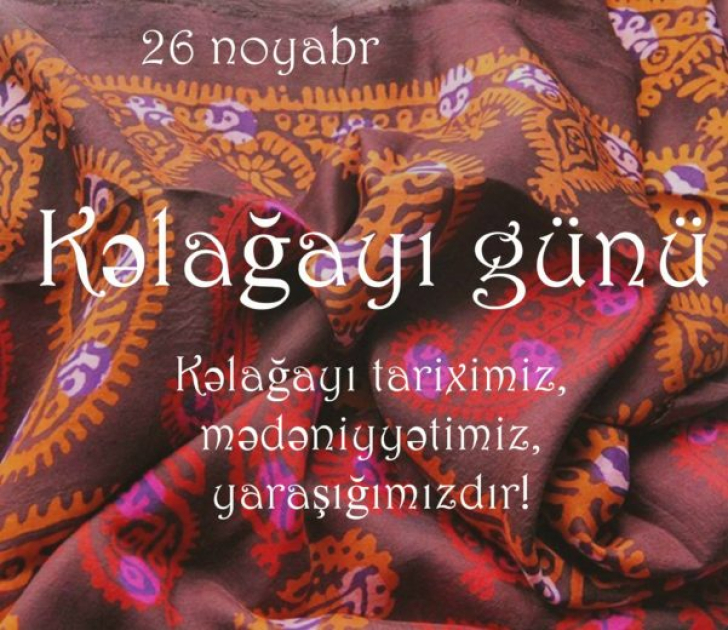
November 26 celebrated as Azerbaijani Kelaghayi Day [PHOTOS]

Alimat Aliyeva
Read moreNovember 26 is celebrated as Azerbaijani Kelaghayi Day, honouring one of the country's most treasured traditional crafts and symbols of national identity.
The kelaghayi represents Azerbaijan's cultural heritage, femininity and centuries-old craftsmanship. Through the delicate texture of silk, the harmony of intricate patterns and the richness of colours, this traditional art form remains an integral part of the nation's cultural memory.
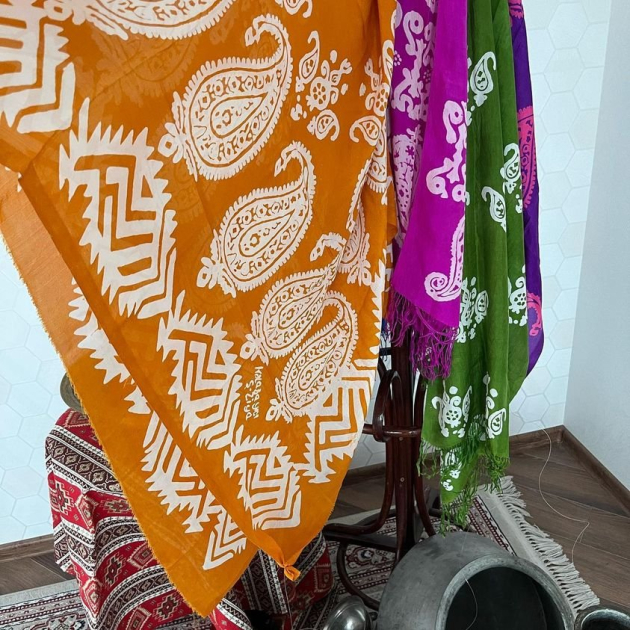
Kelaghayi is a traditional square-shaped women's headscarf made from pure silk thread and has been produced in Azerbaijan since ancient times. In the country's western regions, it is also known as a chargat.
The preservation and promotion of this traditional craft remain an important priority in Azerbaijan. Through the multifaceted activities of the Heydar Aliyev Foundation, kelaghayi has gained wider international recognition as one of the most significant expressions of the Azerbaijani people's cultural identity, spiritual values and traditions.
A major milestone came on November 26, 2014, when the UNESCO Intergovernmental Committee for the Safeguarding of the Intangible Cultural Heritage inscribed "Traditional Art and Symbolism of Kelaghayi, Making and Wearing Women's Silk Headscarves" on the UNESCO Representative List of the Intangible Cultural Heritage of Humanity.
This recognition marked an important achievement for Azerbaijan, confirming the international significance of its traditional silk craftsmanship and highlighting the contribution of centuries-old Azerbaijani traditions to the world's shared cultural heritage.
Historically, high-quality kelaghayi scarves were produced in Tabriz, Ganja, Shamakhi, Shaki and Nakhchivan, as well as in the village of Basgal in the Ismayilli district.
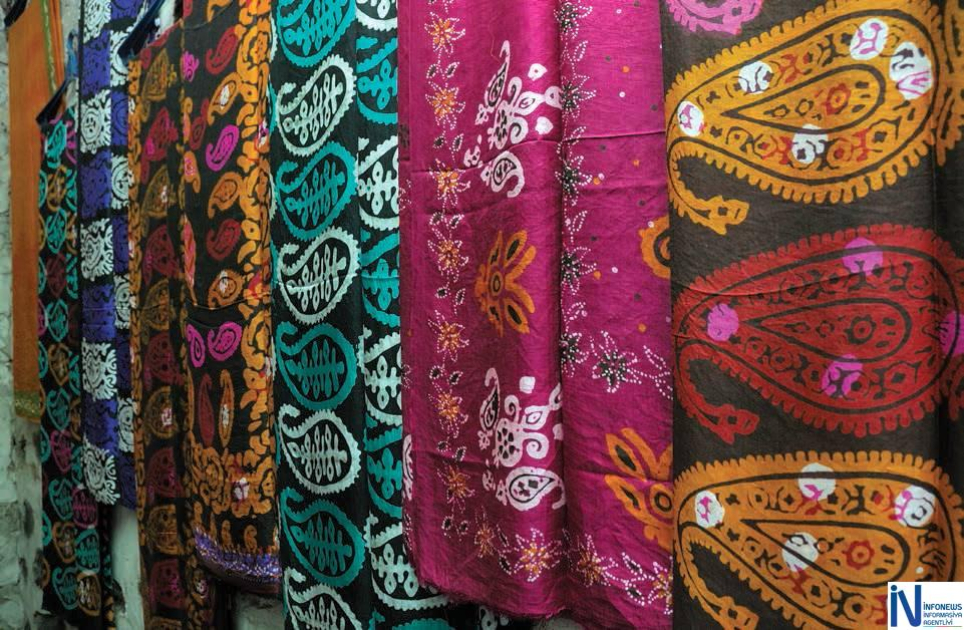
The borders of kelaghayi scarves, and sometimes their central sections, were decorated with geometric and floral patterns using traditional block-printing techniques. The designs varied from one silk-weaving centre to another, giving each region's products a distinctive artistic identity.
Famous Patterns, Natural Dyes and a Symbol of Elegance
Kelaghayi scarves have traditionally played an important role in Azerbaijani women's clothing and social customs. Older women generally wore them wrapped around their heads in styles known as chalma or dinga, while younger women and girls used them as headscarves.
Colours also carried particular significance in traditional Azerbaijani society. Women traditionally wore black kelaghayi scarves during mourning ceremonies, while brightly coloured and patterned scarves were chosen for weddings. This custom continues to be observed today.
Widely worn across the Middle East and the Caucasus, kelaghayi scarves come in different sizes and colours. Older women traditionally preferred larger scarves in darker shades, while younger women tended to choose smaller versions in white and brighter colours.
Beyond their practical purpose, kelaghayi scarves have long been associated with Azerbaijani customs and symbolic traditions, with different colours representing joy, sorrow, happiness and misfortune.
Among the customs associated with kelaghayi are placing a white scarf on a bride's head during wedding ceremonies, tying white, onion-coloured, orange and deep-red scarves to the front of a bridal carriage, and hanging black scarves outside homes during periods of mourning.
Other traditions include taking kelaghayi scarves to mosques and sacred sites when a wish has been fulfilled, as well as presenting them as gifts to poor and disadvantaged people.
Kelaghayi decorated with Eastern-inspired patterns and ornamental borders using traditional block-printing techniques have also earned recognition beyond Azerbaijan's borders.
Among the most popular designs produced in Shaki and Basgal are Shah Buta, Saya Buta and Khirdа Buta. Colourful kelaghayi varieties known as Heyrati, Sogani, Istiotu, Albukhari, Abi and Yelani have also achieved considerable popularity.
These exquisite silk products have long attracted the admiration of local residents, visitors and international tourists. They have also been showcased at exhibitions and traditional fairs, helping introduce Azerbaijani craftsmanship to wider audiences.
Kelaghayi has always added an element of mystery and elegance to the beauty of Azerbaijani women. Its delicate folds have inspired poets and ashugs, who have celebrated the modest glances, graceful smiles and distinctive beauty of women adorned with these traditional silk scarves.
A wide variety of natural shades is used in kelaghayi production. Traditional dyes are made from plants and natural ingredients, including sumac, barberry, bitter orange, wild apples, saffron and blackcurrants.
More than a traditional silk accessory, kelaghayi is regarded as a symbol of modesty, grace and feminine elegance, representing the refinement of Azerbaijani folk craftsmanship and the enduring legacy of the country's cultural traditions.
Here we are to serve you with news right now. It does not cost much, but worth your attention.
Choose to support open, independent, quality journalism and subscribe on a monthly basis.
By subscribing to our online newspaper, you can have full digital access to all news, analysis, and much more.
You can also follow AzerNEWS on Twitter @AzerNewsAz or Facebook @AzerNewsNewspaper
Thank you!