
National conductor talks on revival of classical masterpieces and int'l projects [INTERVIEW]
![National conductor talks on revival of classical masterpieces and int'l projects [INTERVIEW]](https://www.azernews.az/media/2026/01/07/597607648_25146497765041673_1619086595368602074_n.jpg)
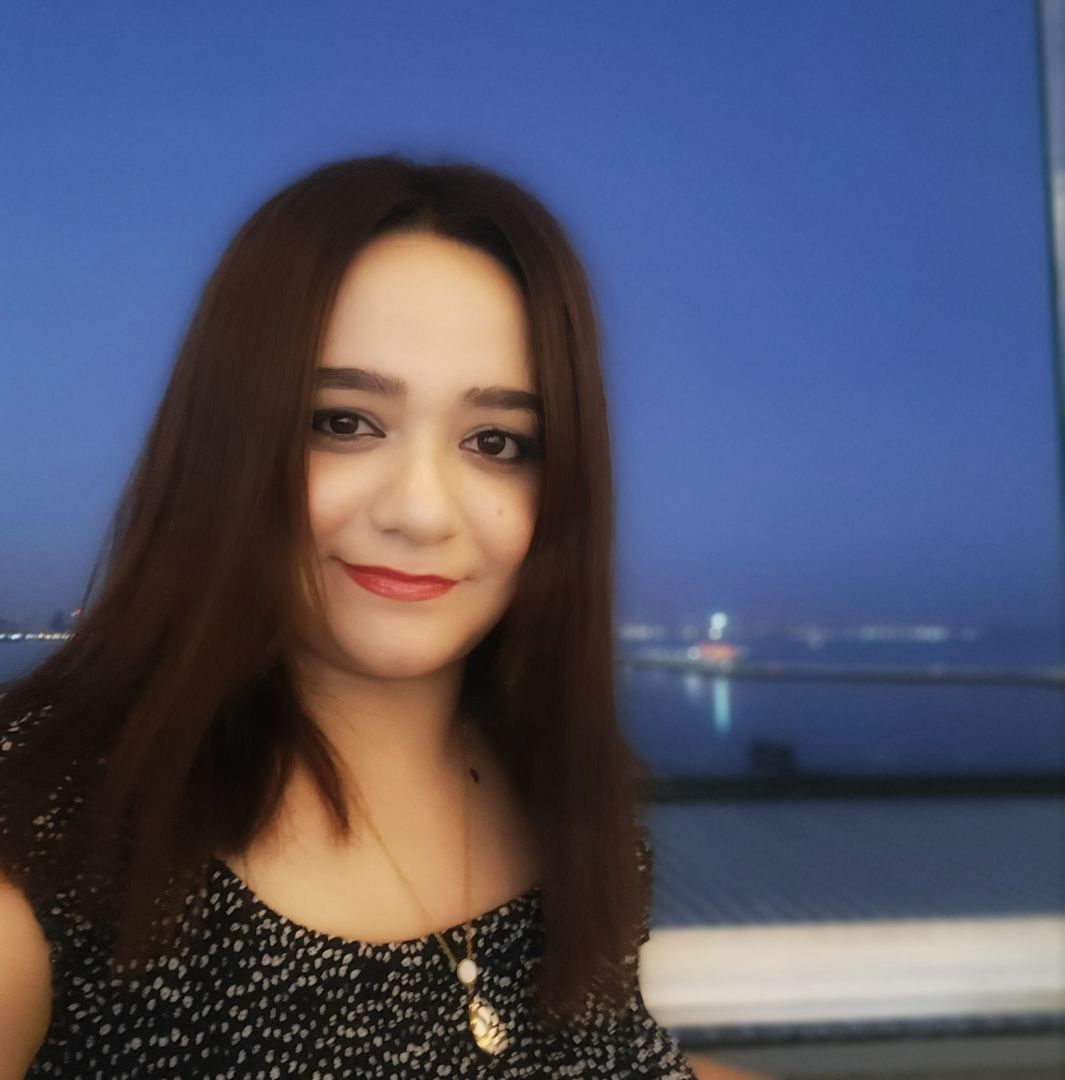
Laman Ismayilova
Read moreAs the lights dim and the first chords fill the air, the stage transforms into a realm of dreams. Curtains rise, dancers glide, and the music carries the audience on a journey where every movement tells a story and every note awakens the imagination.
It is a space where tradition meets inspiration, and where the magic of ballet and opera comes alive in its fullest splendor.
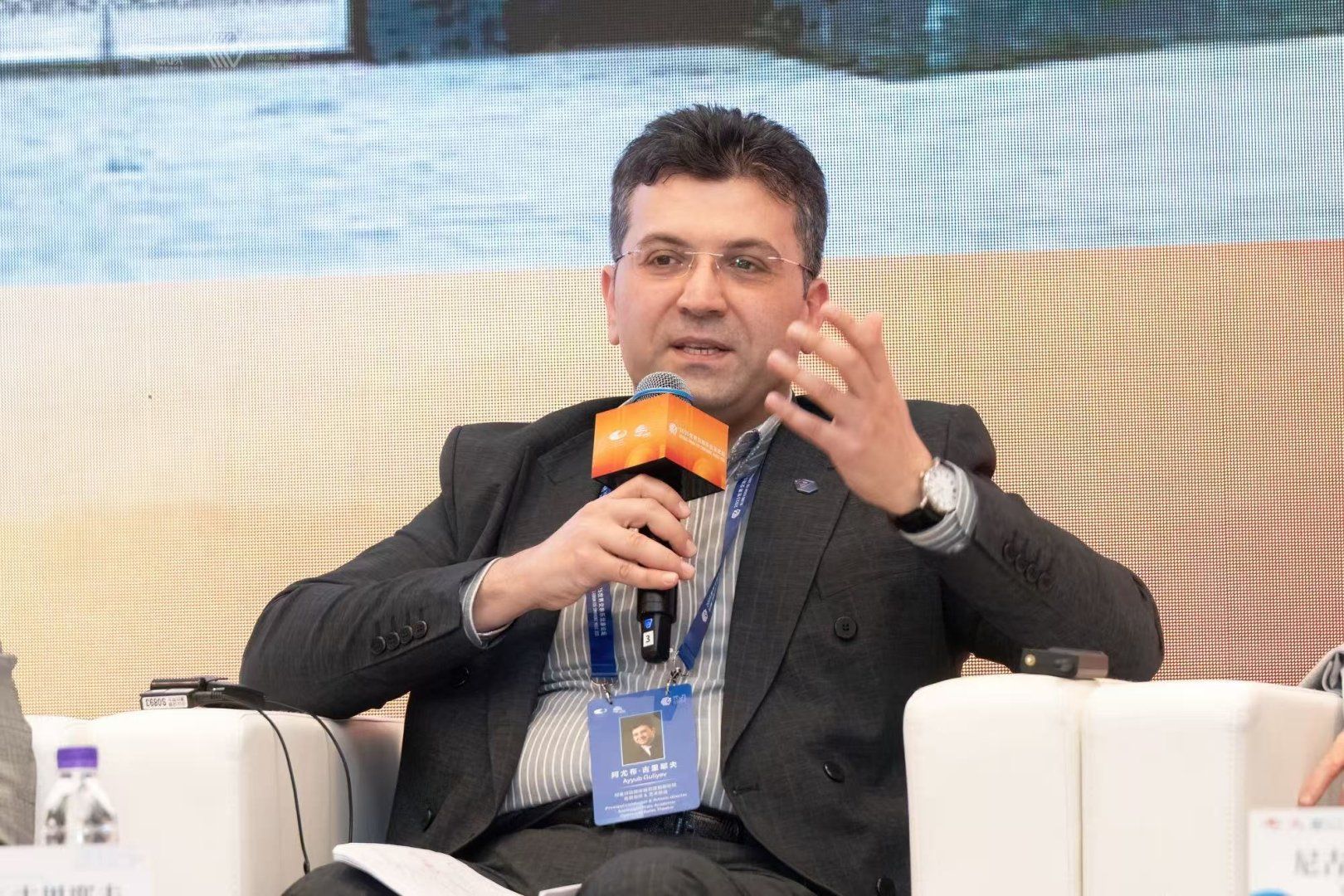
In his interview with AZERNEWS, renowned Azerbaijani conductor, Honored Artist Ayyub Guliyev guides readers through this wonderful world of music.
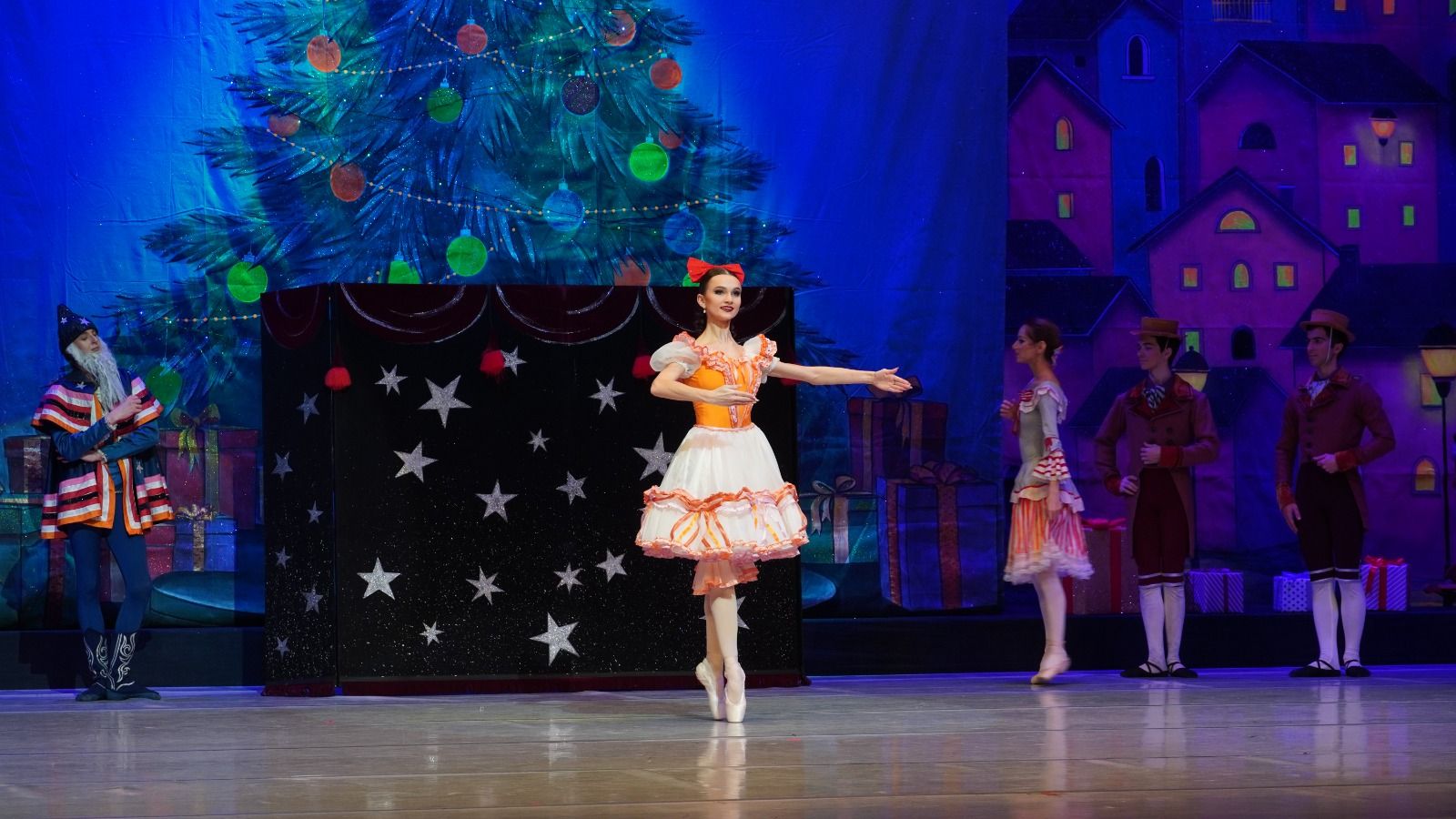
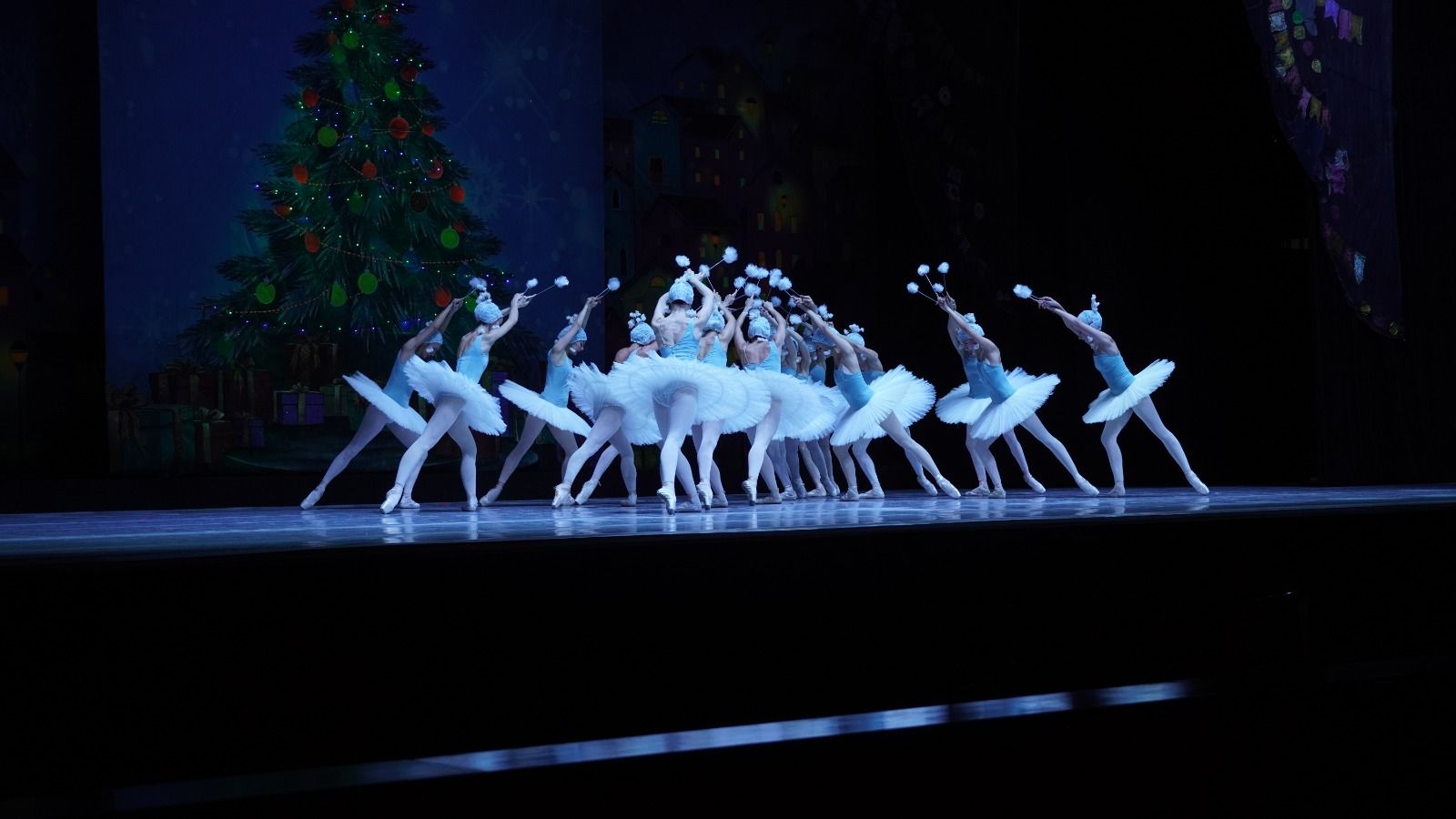
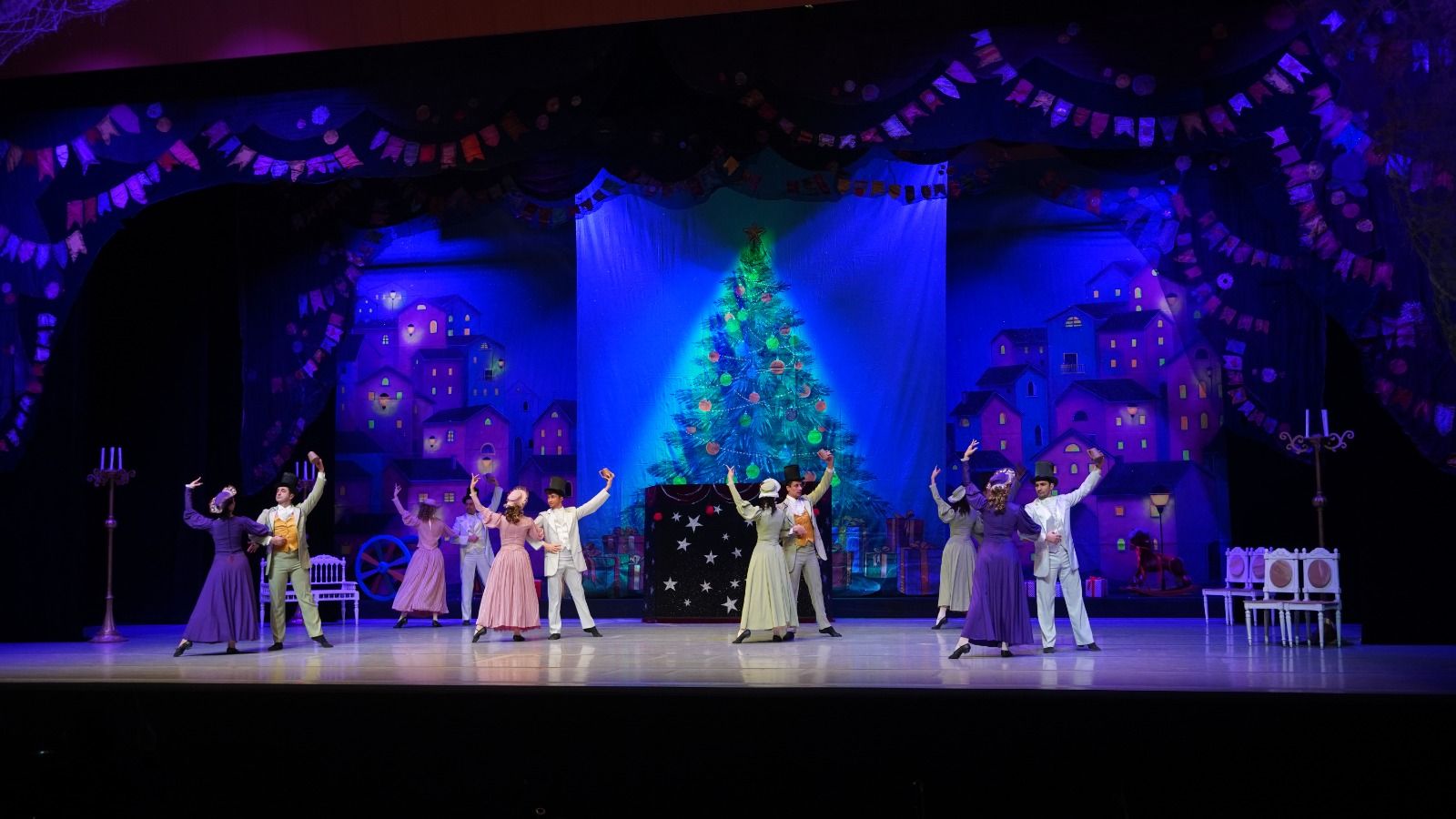
He shared his impressions of the winter production of the ballet "The Nutcracker" at the Azerbaijan State Academic Opera and Ballet Theater.
The conductor also discussed his recent appointment as the head of the Gara Garayev State Chamber Orchestra, upcoming concerts dedicated to Bach and Beethoven, and his focus on showcasing the works of young composers as well as lesser-known Azerbaijani music authors.
Q: During the winter holidays, the Azerbaijan State Academic Opera and Ballet Theater presented the ballet "The Nutcracker" to audiences. We'd love to hear more about the production and how it was welcomed by viewers?
A: In celebration of the winter holidays, the Azerbaijan State Academic Opera and Ballet Theater delighted audiences with a performance of "The Nutcracker".
"The Nutcracker" has long been an essential part of the repertoire of theaters worldwide and remains one of the most beloved works to this day. Performers, ballet dancers, and symphony orchestras approach this masterpiece by Pyotr Tchaikovsky with great enthusiasm. In my view, it is a brilliant work that can be performed at any time of the year. The ballet immerses audiences, especially children in a magical atmosphere, while its magnificent music evokes deep emotion in both young and adult spectators, each finding something uniquely personal in the performance.
When it was announced that the performance would take place at the Heydar Aliyev Palace, tickets sold out within just a few days. As the theater's principal conductor, it was immensely important to me that our entire company, the ballet troupe, soloists, and orchestra worked with complete dedication to give the audience a truly festive experience and to bring the spirit of Tchaikovsky's music to life, adding a touch of enchantment. We performed the ballet with great joy, and I believe the audience felt it.
I would especially like to highlight the contribution of our women’s choir, which added an extra layer of charm and magic to the performance. The production was met with enthusiastic applause and became a worthy finale to the year.
We also presented "The Nutcracker" in the version of the late Rafiga Akhundova, an outstanding ballerina and choreographer who played a key role in shaping Azerbaijani ballet. She served for many years as a choreographer at our theater, and her version of "The Nutcracker" has rightfully earned its place among the classic productions.
I am confident that this ballet will continue to delight our audiences for many years to come.
Q: Congratulations on your recent appointment as the conductor of the Gara Garayev Azerbaijan State Chamber Orchestra. What exciting performances and concerts can we expect from the orchestra in the near future?
A: Regarding my recent appointment, I must first emphasize that I have known the Azerbaijan State Chamber Orchestra for a long time. Of course, the ensemble's composition has evolved over the years, but I have been familiar with it for nearly thirty years—time truly flies. My first concert with this orchestra took place, if I recall correctly, in 1994.
That concert holds a special place in my heart, as it marked my musical debut: I performed alongside my late father, the People’s Artist, professor, and master tar player Ramiz Guliyev. The concert took place in June 1994 on the stage of the State Philharmonic with this very orchestra. I played the tar, and it was my first public performance. It is incredible to think that more than three decades have passed since that moment.
Since then, I have repeatedly performed with this orchestra, both as a tar player and as a conductor. In recent years, our collaborations have become quite frequent. I hold this ensemble in great affection—they are exceptionally talented, with many young musicians full of potential. The orchestra continually develops its skills, and our recent concerts have once again demonstrated the high level of artistry they maintain.
I strive to ensure that our programs cover a broad spectrum of musical literature. Recently, very successful concerts were held at the State Philharmonic, featuring works by Handel and Bach, 20th-century music, and even Verdi's Symphony for Strings in E minor. We also performed Mendelssohn's Violin Concerto with my talented friend and remarkable musician, Elvin Ganiyev.
These concerts were dedicated to the memory of one of the orchestra's founders, Nazim Rzayev, whose centenary we celebrated in December. We also recently performed at an evening commemorating National Leader, Heydar Aliyev, on the stage of the Baku Music Academy, alongside violinist Elvin Ganiyev and the tar player Sakhavet Mammadov.
I am deeply grateful to the leadership of the Ministry of Culture of Azerbaijan, as well as to the administration of the Azerbaijan State Philharmonic Hall, especially to its director Murad Adigozalzade, our remarkable and renowned pianist and People's Artist for their trust and support. It means a great deal to me.
We are working on many exciting projects. One of the upcoming concerts will be dedicated to Johann Sebastian Bach, the great composer often called the father of classical music.
We also keep our regions in mind: on January 23, we will perform at the Ganja Philharmonic Hall with an engaging program featuring not only Azerbaijani music but also global classical repertoire.
On February 12, audiences will enjoy a special program also dedicated to Bach, though not limited to his works—we have included music by more contemporary composers inspired by his legacy. At the end of February, guest conductors from Korea will join us.
We are also preparing an evening devoted to Beethoven. While not always considered a chamber composer, we will present works that have either been arranged by renowned conductors and composers or recently rediscovered, many of which I believe will be performed for the first time. I am confident this will delight Beethoven enthusiasts.
Our series of regional concerts will continue with performances in Khachmaz, Fuzuli, and, as mentioned, Ganja. This summer, a major summer festival will take place at Staste Philharmonic Hall, for which we are preparing a special program.
In March, a solo concert with our exceptionally talented pianist, Honored Artist Emil Afrasiyab is scheduled. Overall, there are many projects ahead, and we hope each will provide audiences with unforgettable musical experiences.
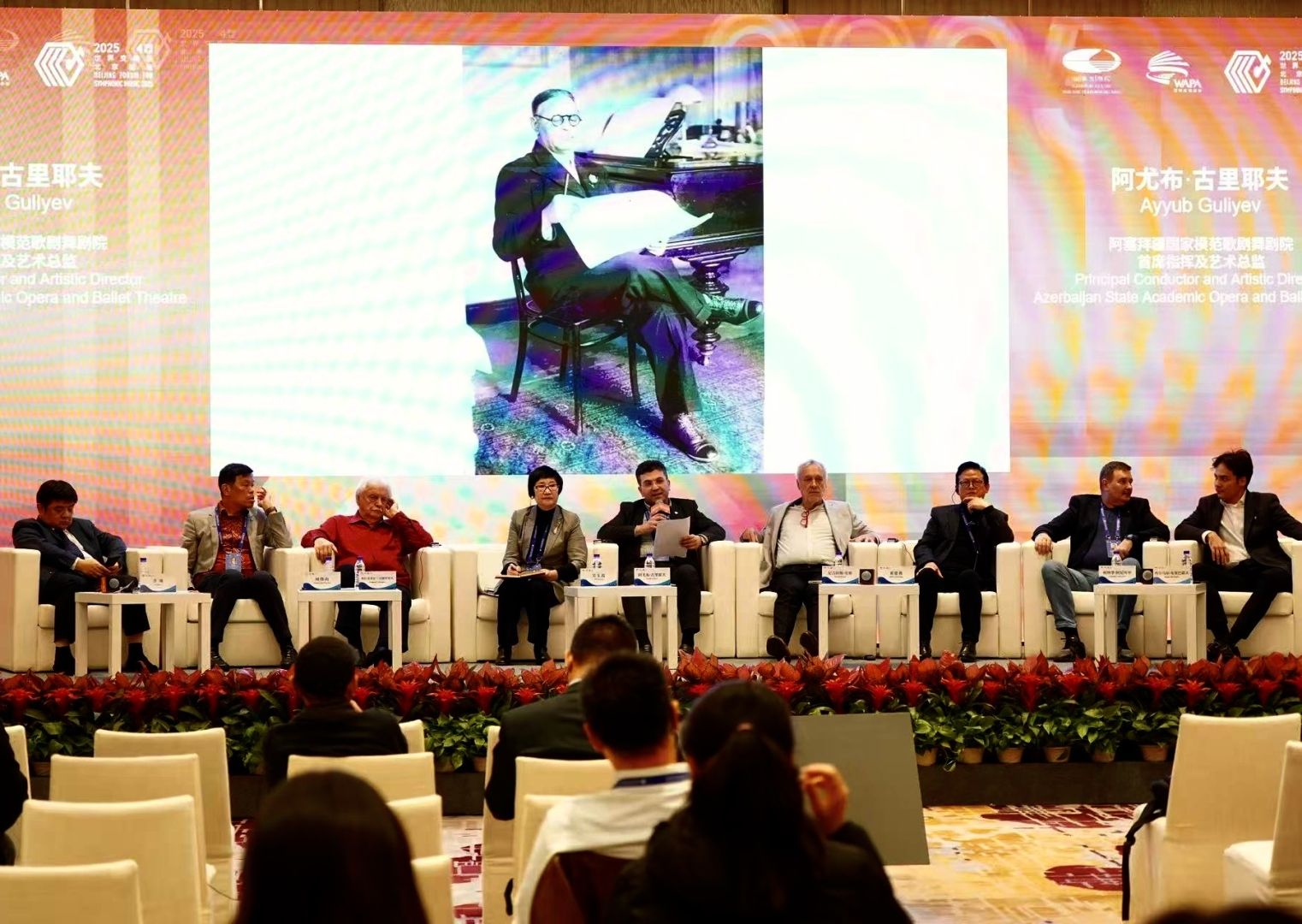
Q: In your lecture "Symphonic Foundations and National Roots in Azerbaijani Music" at the Beijing Forum for Symphonic Music, you addressed important aspects of the development of symphonic culture in Azerbaijan. What were the main ideas you aimed to convey to the international audience regarding the role of national traditions in symphonic music?
A: Beijing hosted a large-scale symphonic forum held every two years in the capital of China. The forum was organized by the National Centre for the Performing Arts of China (NCPA) and World Association of Performing Arts (WAPA), of which the Azerbaijan State Academic Opera and Ballet Theater is a member. Some of the world's leading and most renowned ensembles participated.
It was a great honor for me to represent my country, Azerbaijan, and our theater at this forum. I had the opportunity to be alongside outstanding conductors, managers, and leaders, including representatives from the Vienna Philharmonic, as well as orchestras from Germany, England, France, the USA, Kazakhstan, China, Japan, Korea, and Latin American countries such as Brazil and Uruguay.
The forum brought together the world's best orchestras and their leaders, including directors of Munich's Opera House, the Orchestre de Paris, and the Orchestre Philharmonique de Radio France — in short, all the leading ensembles were represented, performed, and showcased their countries' musical traditions.
I also had the honor of presenting the roots of our musical culture, focusing on the influence of mugham and traditional music on Azerbaijani composers. My lecture was part of a session dedicated to the ethnic origins of the musical culture of different countries. I spoke in detail about the development of the symphonic mugham genre, the work of the great composer Fikrat Amirov, the impact of mugham on other composers, and the use of national instruments such as the tar and kamancheh in the music of Uzeyir Hajibayli, Fikrat Amirov, and other composers.
I also discussed the creation of the first mugham operas, the development of opera as an art form, and the first instrumental concertos for national instruments. Special attention was given to the work of Haji Khammamadov and the great tar player, People's Artist Ramiz Guliyev. We even listened to a recording of his performance, which made the moment especially moving. Beside me was Vladimir Andropov, the principal conductor of the State Orchestra of Russian Folk Instruments, with whom my father had performed Haji Khammamadov's concerto many years ago. His support and presence made the moment even more significant.
My lecture was very warmly received and has already been published in the forum proceedings. We have also received an invitation to the next forum, where I hope we will once again present Azerbaijani music, particularly instrumental works.
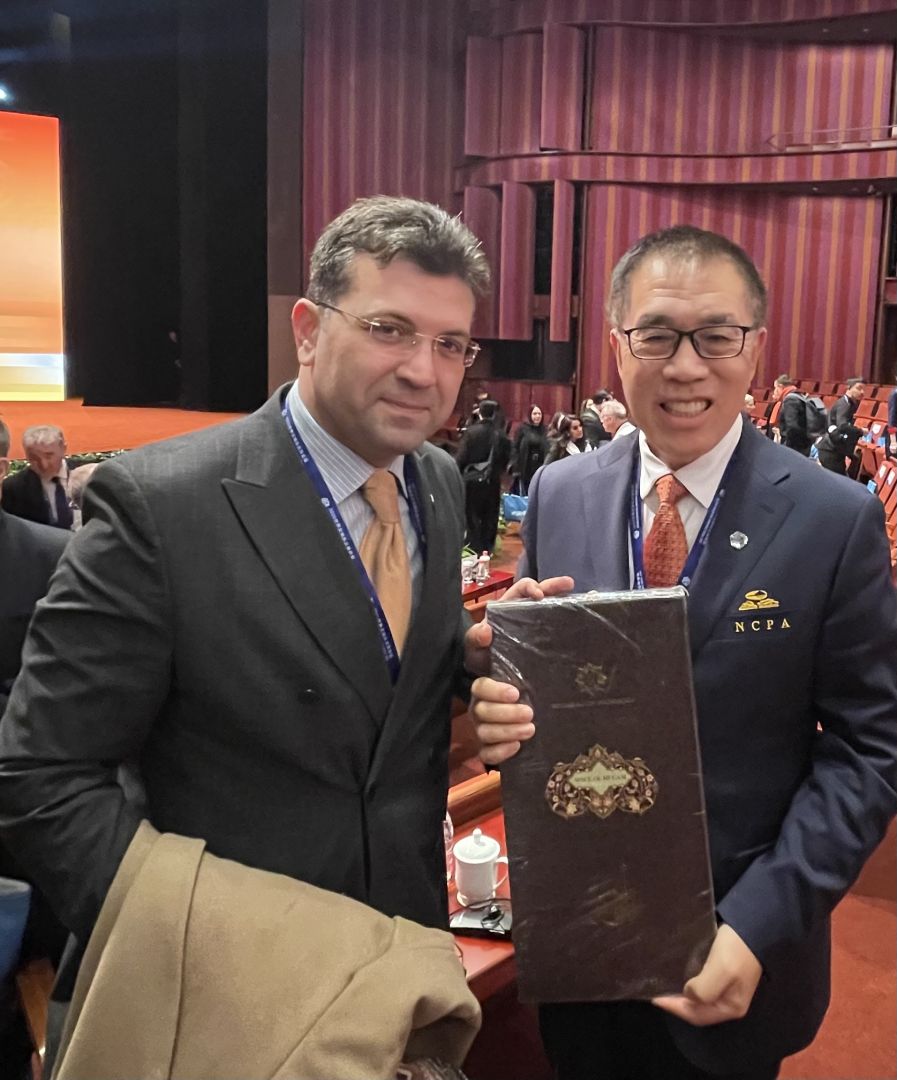
I had the chance to meet many important and fascinating leaders of various musical ensembles, many of whom expressed great interest in our country. I also had a private meeting with NCPA President Wang Ning, to whom I presented a collection of Azerbaijani national musical anthologies published by the Heydar Aliyev Foundation. He received the gift with great enthusiasm and interest. I am confident that our collaboration with this organization will continue.
Q: What significant events or projects do you plan to participate in this year? Are there any particularly important creative initiatives that you intend to implement in the near future?
A: For me, all important creative initiatives are connected to Azerbaijani musical ensembles, with which I am closely collaborating, especially with the Azerbaijan State Academic Opera and Ballet Theater. The theater's team is preparing for large-scale projects under the leadership of director, tenor, and People's Artist Yusif Eyvazov.
We are working on several significant projects, particularly the "Opera Days", which will take place in June. Major premieres are planned within this event, including works by Puccini, as well as a concert performance of Verdi's "Otello". We also plan to host a parade of vocalists, separate concert programs featuring soloists and opera ensembles, master classes by the theater director, and a conference with cultural figures focusing on opera.
By the end of the season, we will focus on important productions, including Gara Garayev's "Seven Beauties", dedicated to his anniversary, which is scheduled to be staged at the Heydar Aliyev Palace. We will also perform "Orpheus and Eurydice", magnificent Baroque opera by Christoph Gluck.
In addition, we are planning to restore another Baroque opera, "La Serva Padrona", a two-act opera buffa by Giovanni Battista Pergolesi, directed by Inara Babayeva.
We never forget about our Azerbaijani composers. In March, there will be a new production of the opera "Nasimi" by People's Artist, Siyavush Karimi.
The production will feature new sets and costumes, designed by my wife Nargiz Guliyeva. This will be her debut in our opera theater, and we are eagerly preparing for this event.
Furthermore, the theater is preparing for major tours at the end of January. The opera "Tosca" will be presented at the Royal Opera House Muscat. Our orchestra and choir, together with internationally renowned opera singers, will present this performance at the highest professional level.
As I have already mentioned, at the end of May, the "Opera Days" will begin, opening with the opera "Keroglu", featuring Yusif Eyvazov.
The renowned recording company Deutsche Grammophon will record this production, which is a significant and important event.
We are also planning to restore some classic ballet productions, including the best examples of Azerbaijani ballet. These may include new versions and stagings that we are actively working on.
With the Azerbaijan State Chamber Orchestra, we are planning a series of concerts. These will include both biographical portrait concerts and programs featuring contemporary Azerbaijani music, where we will present works by young and talented composers. In addition, I intend to restore and draw attention to the works of some of our composers who, unfortunately, remain insufficiently known.
One of the major events will be the Gabala Music Festival, which will take place in February. I am pleased that its opening will feature our symphonic orchestra and leading soloists from the opera theater. I would like to express my gratitude to the artistic director of the festival, the rector of the Baku Music Academy, People's Artist Professor Farhad Badalbayli, for the invitation — it is a great honor and trust for us.
At the same time, I continue my international projects. In December, in Mexico City, I presented 11 performances of "The Nutcracker" at the Auditorio Nacional, which holds around 10,000 spectators. These performances featured the Orquesta del Teatro de Bellas Artes and the Compania Nacional de Danza Mexico. Over the course of these performances, the total audience reached around 100,000 people.
These performances were held at the highest level, and I was impressed by how much ballet is appreciated and loved in Mexico. I received an invitation to return in November 2026 for new tours and productions. I would like to thank the leadership of the Heydar Aliyev Foundation, the Azerbaijan Culture Ministry, and the Azerbaijani Embassy in Mexico for their support — without their help, these tours would not have been possible.
In the near future, there are tours planned in various Asian countries, as well as at the Istanbul Opera Festival in Turkiye. We are preparing for this event with great interest and responsibility. Tours in European countries are also planned. Last year, we performed in Berlin and now we are preparing a new concert program for Vienna and Paris with the support of the Azerbaijani Embassies in Austria and France.
These are large-scale projects, and we eagerly await their realization. The new year has arrived, and I hope it will be successful, bright, and unforgettable for all of us.


Here we are to serve you with news right now. It does not cost much, but worth your attention.
Choose to support open, independent, quality journalism and subscribe on a monthly basis.
By subscribing to our online newspaper, you can have full digital access to all news, analysis, and much more.
You can also follow AzerNEWS on Twitter @AzerNewsAz or Facebook @AzerNewsNewspaper
Thank you!