
Russian oil row puts Hungary, Slovakia at odds with Ukraine amid winter blackouts
Elnur Enveroglu
Read moreFour years have now passed since Russia attacked Ukraine, yet this anniversary, too, was marked not by negotiations at the table but by Russian drone strikes. Although the years have gone by quickly, the deepening of the war has slowed political processes and pushed the parties further and further away from any framework for peace. The cold and freezing winter months have put Kyiv to a harder test, even creating additional moments of tension with countries in Central and Eastern Europe. Ukraine now finds itself face-to-face with Russia’s relentless and ruthless attacks, and, deprived of energy supplies, the authorities in Kyiv are searching for alternative solutions.
The war in Ukraine has entered a bitter and revealing phase. It is because of Russia's intensive missile strikes in Kyiv while temperatures plunge to minus twenty-two degrees. More than half a million people in the capital have been left without electricity. Odesa and Kharkiv have endured repeated bombardment. The Kremlin has made clear that it views the energy grid not as civilian infrastructure but as a legitimate instrument of coercion. In this freezing winter, darkness itself has become a weapon.
President Volodymyr Zelenskyy insists there has been no pause in the aerial assault, despite talks brokered by Washington and held in Geneva last week. Moscow’s demand that Ukraine surrender territory in the Donbas region remains unchanged. For Kyiv, such concessions would amount to national capitulation. The military stalemate in the east is therefore mirrored by a political deadlock that shows no sign of easing.
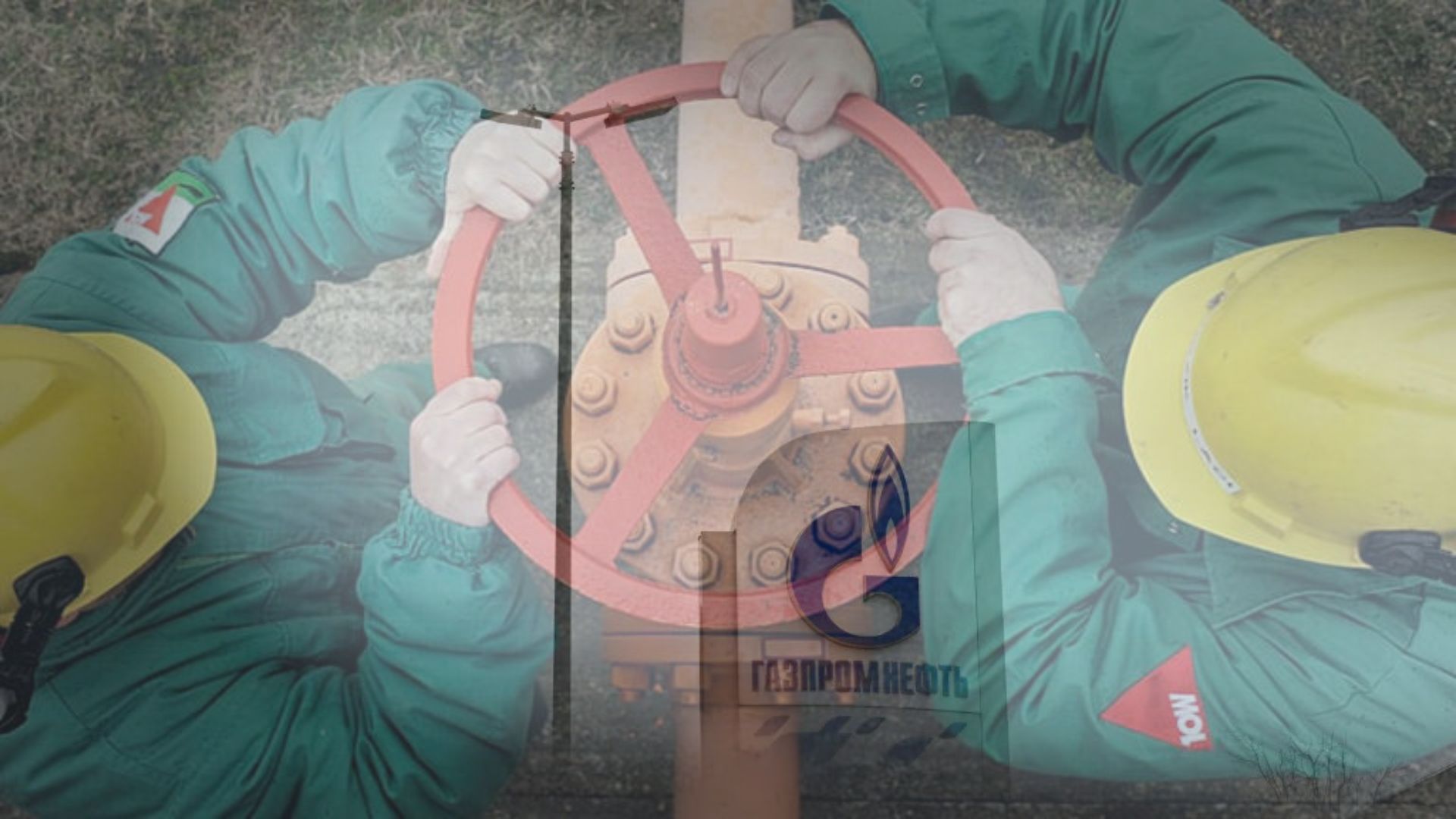
Yet while Ukraine withstands pressure from the east, it now faces mounting strain from within the European Union. Hungary and Slovakia have escalated a dispute over Russian oil deliveries that risks to undermine European unity at a pivotal moment. Both governments are demanding the resumption of crude flows through the Druzhba pipeline, which crosses Ukrainian territory and has long served as a vital artery for central European refineries.
Kyiv maintains that a Russian drone strike in January damaged the pipeline, disrupting supplies. Budapest and Bratislava, however, accuse Ukraine of dragging its feet over repairs. Hungary has threatened to block a new package of EU sanctions against Moscow. Slovakia has gone further, warning it will halt emergency electricity exports to Ukraine if oil deliveries are not restored.
The political symbolism is stark. As Ukrainian cities shiver in darkness following missile strikes, two neighbouring EU states are leveraging their energy grievances to extract concessions. Péter Szijjártó, Hungary’s foreign minister, has stated openly that until oil shipments resume, Budapest will refuse to support decisions important to Kyiv. Slovak Prime Minister Robert Fico has accused Zelenskyy of acting maliciously and framed the stoppage as a direct economic injury to Slovakia.
Energy has always been central to Russia’s strategy in Europe. For decades, Moscow cultivated dependence through pipelines such as Druzhba, embedding itself in the economic lifeblood of former Eastern Bloc states. The invasion of Ukraine was meant to redraw borders by force. The energy war that followed has sought to redraw political loyalties.
Hungary and Slovakia argue that their energy security is at stake. Their refineries are configured to process Russian crude, and alternative supplies require costly adjustments. Domestic politics also play a role. Both governments have adopted a more conciliatory tone towards the Kremlin than many of their EU partners. By tying support for sanctions to the restoration of oil flows, they are signalling that national economic considerations outweigh collective geopolitical resolve.
But this stance carries consequences. The European Union is preparing its twentieth sanctions package against Moscow, timed to coincide with the fourth anniversary of the invasion. Sanctions are among the few instruments available to the bloc to exert pressure without direct military involvement. If internal divisions prevent agreement, the signal to the Kremlin will be unmistakable.
There is also a moral dimension that cannot be ignored. Ukraine’s energy grid is being systematically targeted in sub zero conditions. Civilian suffering is not incidental but integral to Moscow’s strategy. For EU member states to condition their support on the uninterrupted flow of Russian oil risks reinforcing precisely the leverage the Kremlin seeks to maintain.
At the same time, Kyiv must recognise the complexity of its neighbours’ position. Energy interdependence is not undone overnight. If technical repairs to Druzhba are genuinely feasible, transparency and urgency would help defuse accusations of deliberate delay. Ukraine’s diplomatic challenge is to preserve solidarity while under siege, a task made harder by the daily reality of missile strikes and power outages.
The broader lesson is that Europe remains caught between principle and pragmatism. The war has accelerated diversification away from Russian energy, yet pockets of dependence endure. As long as oil and gas flows remain intertwined with political calculations, Moscow retains a degree of influence.
Winter has laid bare the fragility of both infrastructure and alliances. The Kremlin’s bombardment seeks to break Ukrainian resilience. The dispute over Druzhba tests European cohesion. In this contest, the stakes extend beyond barrels of crude. They concern the credibility of the European project and its willingness to sustain support for a country fighting for its sovereignty.
If unity falters over oil, the consequences will echo far beyond this winter. Ukraine’s battlefield is not only in the Donbas or above its cities in the night sky. It is also in the council chambers of Brussels, where decisions about sanctions and solidarity will shape the trajectory of the war as surely as any missile strike.
Here we are to serve you with news right now. It does not cost much, but worth your attention.
Choose to support open, independent, quality journalism and subscribe on a monthly basis.
By subscribing to our online newspaper, you can have full digital access to all news, analysis, and much more.
You can also follow AzerNEWS on Twitter @AzerNewsAz or Facebook @AzerNewsNewspaper
Thank you!