
Munich Security Conference: Navigating "Wrecking Ball" era of global politics

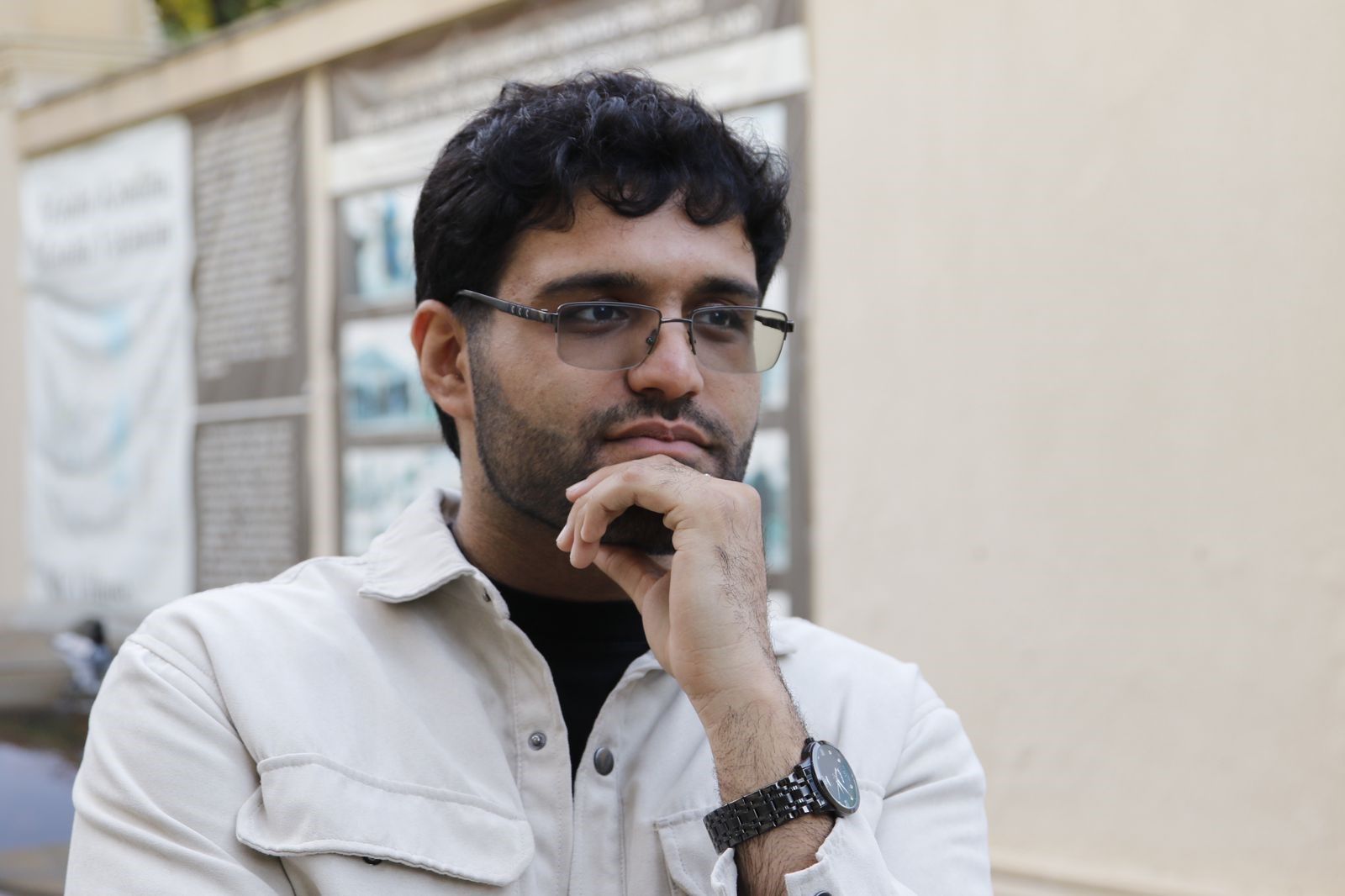
Akbar Novruz
Read moreIn the drafty halls of the Bayerischer Hof, the "Bayerischer Hof" of the mind has always been more important than the physical suite. Since its 1963 inception under Willy Brandt, the Munich Security Conference (MSC) has functioned as a high-altitude barometer for the geopolitical climate. If the 2025 gathering was a study in the choreographed friction of a multipolar world, the 2026 iteration suggests the stage itself is beginning to splinter.
We have entered what some analysts gloomily describe as the “wrecking ball” era of diplomacy. It is a period defined less by the careful preservation of institutional norms and more by a "disruptive line" that prioritises upending the status quo over reforming it. With the transatlantic relationship in a state of flux and the guardrails of international law looking increasingly thin, the focus has shifted from managing power to surviving its fragmentation.
Perhaps, we may be in a sensitive period where a global war could occur, even for the smallest reasons.
The World Uncertainty Index (WUI) has hit an all-time high, climbing above levels seen during the 9/11 attacks, the Iraq War, the 2008 financial crisis, and even the COVID-19 pandemic. By its own measure, the world has never been this uncertain. The WUI tracks how often the word “uncertainty” appears in country reports published by the Economist Intelligence Unit.
The 2026 agenda highlights several urgent focus areas:
Strategic Competition: The erosion of international norms amidst rising global instability.
Technological Threats: The dual-edged sword of Artificial Intelligence, cyber risks, and defence innovations.
European Defence: The shifting landscape of transatlantic relations and its impact on continental security.
Systemic Fragility: A move away from institutional cooperation toward a more fragmented, hyper-competitive international environment.
Azerbaijan’s voice in Munich
Within this turbulent landscape, Azerbaijan has secured a significant position. President Ilham Aliyev’s participation has become a staple of the conference, where he consistently presents a distinct responsibility-based leadership model founded on peace, humanism, and justice.
Azerbaijan is increasingly framed as a rare specimen of a state that has successfully transmuted military-political outcomes into a durable peace agenda predicated on international law. By moving away from the rhetoric of war toward a platform of dialogue, Baku is attempting to lead by diplomatic example. Perhaps most pragmatically, the government is positioning the country as a vital hub for transport, energy, and logistics. The goal is to "monetise" regional peace, turning geopolitical stability into tangible economic value that binds the South Caucasus to the wider world.
In a world increasingly defined by "wrecking ball" diplomacy, Azerbaijan is betting that its blend of military resolve and economic integration will prove a more durable model than the institutional drift seen elsewhere.
The MSC has historically provided a unique "off-the-record" environment for high-stakes mediation. This was evident in 2023, when President Aliyev served as a keynote speaker for the plenary session "Moving Mountains? Building Security in the South Caucasus," moderated by MSC Chairman Christoph Heusgen.
Following the 44-day war, Azerbaijan has pivoted from the rhetoric of war to a platform of development. Rather than pursuing revanchism, Baku has strategically chosen regional cooperation, as evidenced by various bilateral meetings with Armenian Prime Minister Pashinyan held on the sidelines of the conference.
As the 2026 conference progresses, President Aliyev is scheduled for another round of high-level bilateral meetings and a focal panel session. In an era defined by the "wrecking ball" of disruption, Azerbaijan’s efforts to establish a new geopolitical reality in the South Caucasus, one rooted in economic integration rather than conflict, offer a rare case study in stabilising a volatile region.
Here we are to serve you with news right now. It does not cost much, but worth your attention.
Choose to support open, independent, quality journalism and subscribe on a monthly basis.
By subscribing to our online newspaper, you can have full digital access to all news, analysis, and much more.
You can also follow AzerNEWS on Twitter @AzerNewsAz or Facebook @AzerNewsNewspaper
Thank you!