
Peace at fragile hour: why Armenia’s court ruling risks Baku-Yerevan reconciliation
Elnur Enveroglu
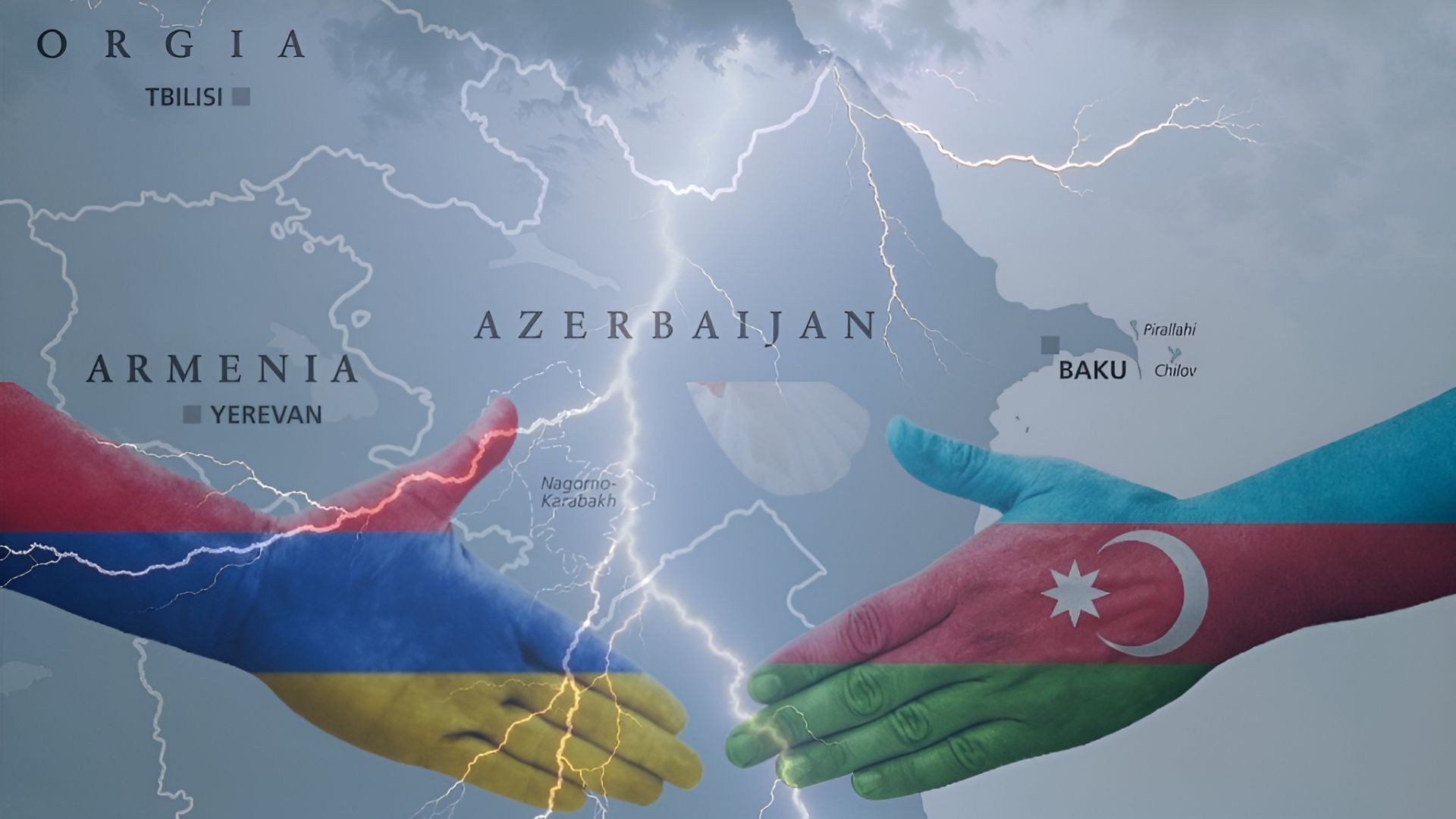
Read moreAt moments of fragile peace, symbolism often matters as much as substance. Legal decisions are rarely just legal, timing is almost never accidental, and gestures aimed at domestic audiences tend to echo well beyond national borders. This is the context in which a recent ruling by an Armenian court, recognising claims that the dissolution of the former Armenian separatist entity in Garabagh was made “under pressure”, must be understood. The reaction of the Western Azerbaijan Community is therefore not a disruption of the peace process between Baku and Yerevan, but an early warning that selective legal revisionism, cloaked in judicial language, risks unsettling a carefully balanced diplomatic trajectory.
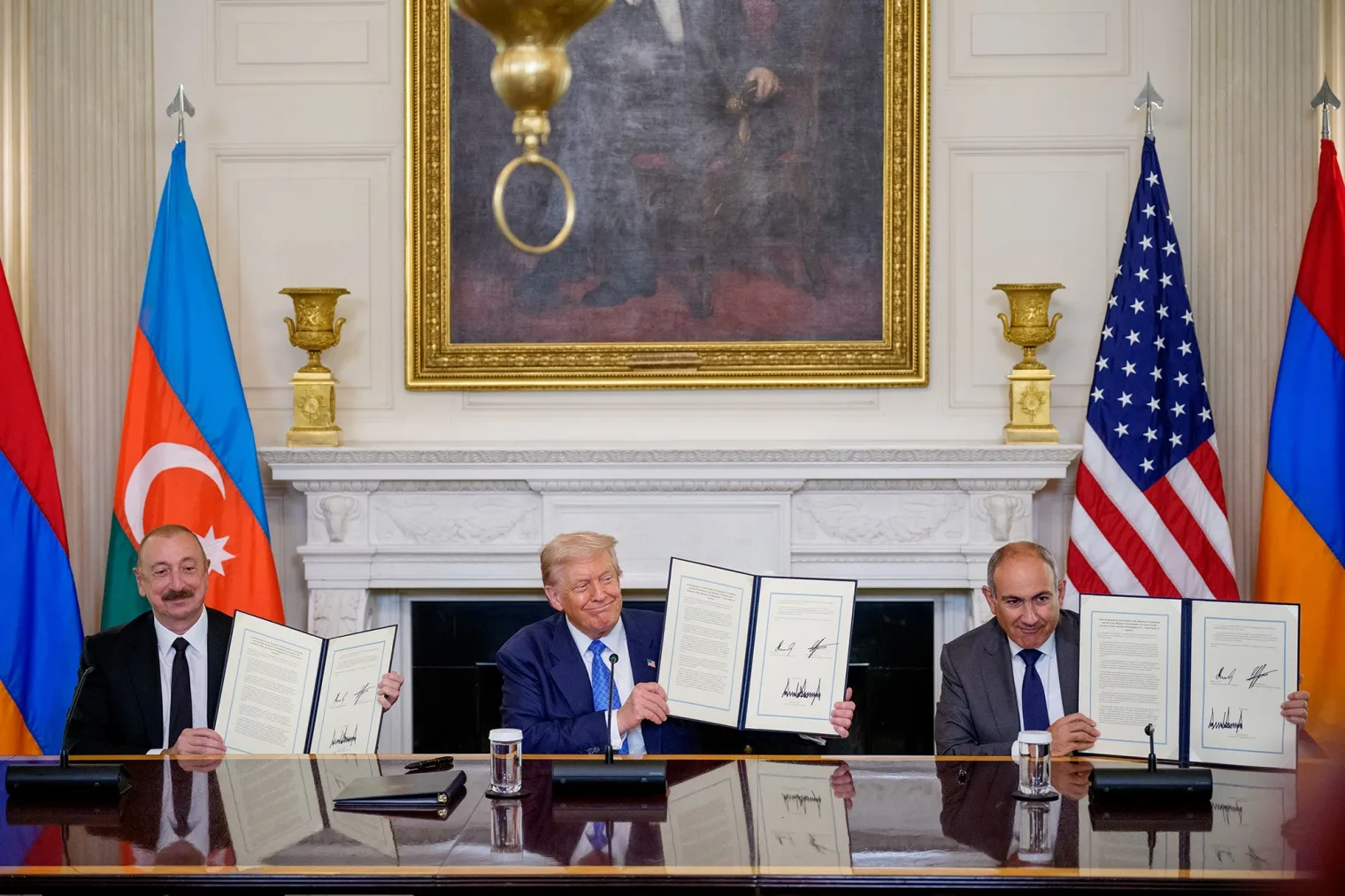
Since the August 2025 summit in Washington, held with the participation of US President Donald Trump, Azerbaijan–Armenia relations have entered their most constructive phase in decades. That meeting paved the way for the initial paraphing of a peace treaty, the expansion of mutual confidence-building measures, and renewed discussions on restoring economic and transport links across the South Caucasus. Subsequent talks in Abu Dhabi confirmed that this was not a one-off gesture but a sustained diplomatic course. It is precisely because of this momentum that the Armenian court’s decision has raised concern. At a time when the international community is focused on consolidating peace, any move that appears to cast doubt on Azerbaijan’s restoration of sovereignty in 2023 inevitably carries political significance.
The ruling centres on Samvel Shahramanyan, the last figure associated with the now-defunct separatist structure that once operated in Garabagh. By accepting claims that the decision to dissolve that entity was taken under coercion, the Armenian court has effectively introduced a narrative that retrospectively questions the legitimacy of the dissolution itself. This is not a technical legal issue. It indirectly challenges a sovereign process carried out within Azerbaijan’s internationally recognised borders and risks reviving political constructs that the peace process was designed to put to rest. It is from this standpoint that the Western Azerbaijan Community has posed a fundamental question: on what legal or moral basis can a court in one state pass judgement on the internal sovereign actions of another?
The answer lies less in law than in politics. Armenia is entering an election year, and domestic political pressure is intensifying. Revanchist groups opposed to reconciliation, including hardline nationalist circles and influential diaspora networks, have increased their efforts to constrain the government’s room for manoeuvre. In such an environment, judicial institutions often become tools of political signalling. The court ruling serves as a gesture to sceptical voters, offering reassurance that concessions have not gone too far, while stopping short of an outright rejection of the peace process. When the Western Azerbaijan Community warns of revanchist activity, it is pointing precisely to this phenomenon: peace being gradually diluted by election-driven populism.
One of the most striking elements of the Community’s statement is its focus on legal selectivity. If Armenian courts are prepared to revisit decisions allegedly taken “under pressure”, then the absence of any legal reckoning with the mass deportation of Western Azerbaijanis between 1987 and 1991 becomes impossible to ignore. Entire communities were expelled, religious and cultural sites were destroyed, and a centuries-old presence was erased, yet no judicial process has addressed these events. The implication is clear: justice is being applied selectively, guided by political convenience rather than universal legal principles. This inconsistency does not merely affect bilateral relations; it undermines the credibility of legal institutions in the eyes of international mediators.
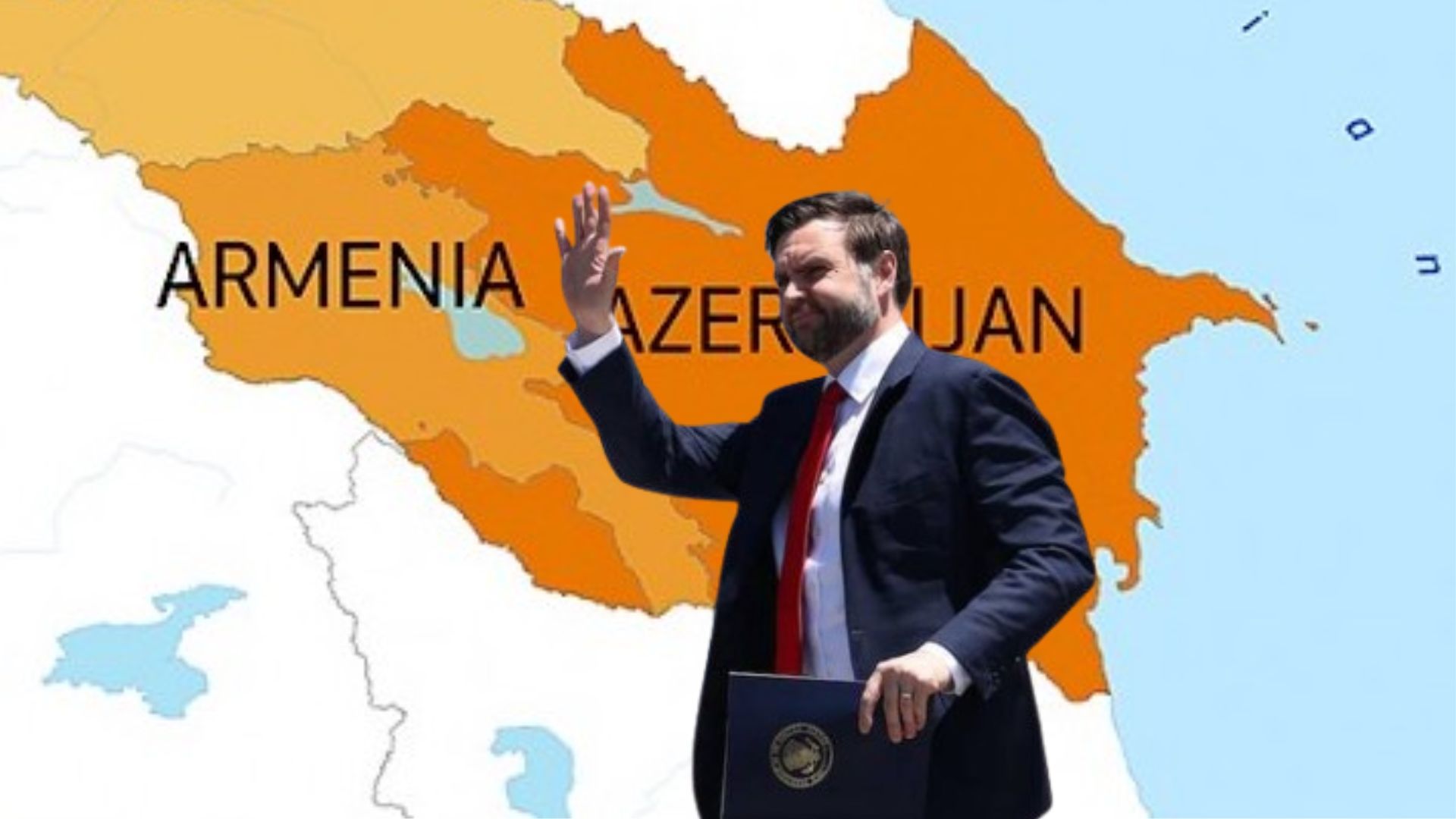
The immediate impact of the ruling should not be overstated. Armenia has not formally withdrawn from negotiations, nor has it abandoned the commitments made in Washington and Abu Dhabi. The risk is not strategic collapse but tactical erosion. Each such decision chips away at trust, introduces uncertainty, and provides ammunition to those who argue that reconciliation is inherently fragile. This matters particularly as US Vice-President JD Vance prepares to visit Yerevan and then Baku. At a moment when Washington’s diplomatic engagement is expected to reinforce stability, mixed signals from domestic institutions complicate the message.
It is also essential to clarify what the Western Azerbaijan Community is not doing. It is not advancing territorial claims, nor does it question Armenia’s sovereignty or internationally recognised borders. Its agenda focuses on the right of return, protection of rights, and historical justice, and most importantly, all these issues are grounded in international human rights norms. By issuing its statement now, the Community seeks to alert international actors to potentially destabilising developments, to protect the peace process from unexpected sabotage, and to ensure that reconciliation is not built on historical distortion.
Viewed in this light, the statement is less a provocation than a stabilising intervention. Peace processes rarely fail through dramatic reversals; more often, they are weakened by incremental steps that reopen settled questions under the guise of legality. If Azerbaijan and Armenia are to move from conflict management to durable peace, courts and politicians alike must resist the temptation to instrumentalise the past. As the Western Azerbaijan Community has made clear, peace cannot be sustained through selective memory or legal ambiguity. It requires consistency, accountability and a genuine commitment to move forward rather than sideways.
Here we are to serve you with news right now. It does not cost much, but worth your attention.
Choose to support open, independent, quality journalism and subscribe on a monthly basis.
By subscribing to our online newspaper, you can have full digital access to all news, analysis, and much more.
You can also follow AzerNEWS on Twitter @AzerNewsAz or Facebook @AzerNewsNewspaper
Thank you!