
J.D. Vance’s South Caucasus trip and test for US diplomacy

Elnur Enveroglu
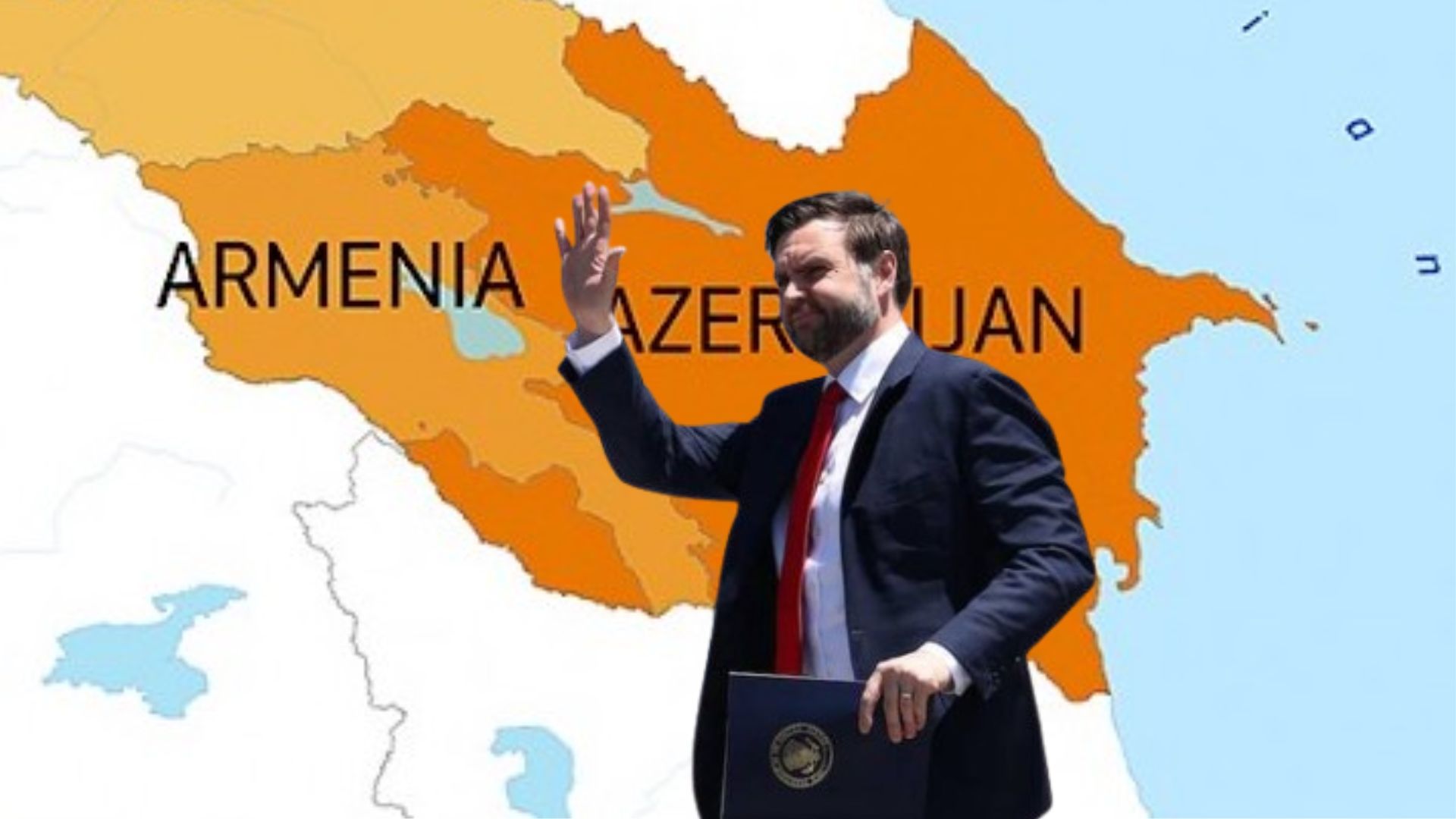
Read moreUS Vice President J.D. Vance is scheduled to visit Armenia and Azerbaijan in February 2026, in a high-level diplomatic trip aimed at reinforcing a US-brokered peace process and advancing broader cooperation in the South Caucasus. US President Donald Trump announced the visit, highlighting its role in building on recent peace efforts between the two countries.
The trip comes months after Armenia and Azerbaijan signed a US-mediated peace agreement in August 2025 that formally ended decades of conflict over Qarabag (formerly Nagorno-Karabakh), reaffirmed territorial integrity, and committed both sides to non-violence and international law.
Why South Caucasus suddenly become US priority
This visit marks a rare vice-presidential engagement in the South Caucasus, highlighting increased US attention to regional stability and integration. Previous US vice-presidential visits to Baku were rare historical events; the region has generally been peripheral to senior US diplomacy until now. In fact, January 2025 can be called a kind of turning point in US-Azerbaijani relations. This year can also be considered a step towards a peace phase between Azerbaijan and Armenia, the launch of the TRIPP project on the Zangezur Corridor, Azerbaijan's participation in a number of platforms promoted by the US, including full membership in the Board of Peace over Gaza, and at the same time a year of impetus in trade turnover between Baku and Washington.
Undoubtedly, the geopolitical realities that have emerged in recent years are of particular importance. Once a co-leader of the Armenia–Azerbaijan peace process, the Kremlin is now largely absent from it. Today, the White House has taken the lead. The breakdown of ties between Armenia and Russia, the erosion of trust in the Kremlin, and Moscow’s concentration of resources on the Ukrainian front have all relegated Russia to the sidelines, even as US influence grows. Time, of course, waits for no one. Against the backdrop of rapidly shifting dynamics in the South Caucasus, the United States must take decisive steps to ensure the swift implementation of its emerging commitments.
But what is the main purpose behind this visit?
A primary purpose of the trip is to reinforce the implementation of the peace deal signed last August. Vance is expected to discuss how both Armenia and Azerbaijan can move from political commitments to concrete cooperation on the ground, including security guarantees, economic links, and people-to-people ties.
As many experts speculate, a central focus is expected to be the TRIPP initiative, a strategic transit and connectivity project linking Azerbaijan proper to its exclave Nakhchivan via Armenian territory. The initiative is designed to help unlock regional transport links, trade corridors, and economic cooperation. Also, in talks with both governments, especially with Azerbaijan, Vance is expected to deepen ties with Baku, including expanded cooperation on defense, technology, and investment.
Discussing peaceful nuclear cooperation and diplomatic engagement with Armenia might take a central part in Vance's visit to Yerevan. Generally, the US Vice President's mission is widely understood as a continuation of the peace-building efforts that began with last year’s peace agreement. The US administration sees this visit as an opportunity to reaffirm commitments from both Armenia and Azerbaijan to uphold the peace deal. This, certainly, will encourage trust-building measures that help translate political accords into tangible outcomes.
Moreover, a major focus will be on the TRIPP initiative that is in the agenda of the US administration for the South Caucasus. The US Vice President is expected to discuss next steps for infrastructure development along the corridor, explore investment opportunities for US companies in construction, logistics, and connectivity as well as clarify roles and responsibilities for Armenian and Azerbaijani partners. Besides, while not the central focus, defense cooperation may be part of talks with Azerbaijan, including potential US defense equipment sales, such as protective gear, boats, and broader strategic alignment in the security domain. However, J.D. Vance's upcoming visit signals broad regional and economic integration with an agenda, including transport and logistics linkages in the South Caucasus, energy cooperation, integration projects, and cross-border economic frameworks that facilitate trade and mobility.
In a nutshell, Azerbaijan has consistently attached strategic importance to its relationship with the United States and has demonstrated readiness to participate in US-backed initiatives. In recent years, however, changes in Washington’s domestic political climate, particularly critical rhetoric emerging from Congress, have complicated the deepening of bilateral ties. Today, shifting priorities within the Trump administration and a renewed focus on the South Caucasus are helping to reverse that trend, creating an opportunity to rebuild trust and expand cooperation between Baku and Washington across multiple domains.
J.D. Vance’s visit, however, should not be measured by symbolism alone. Its success will be judged by whether it produces tangible movement on implementation, above all, on regional connectivity. The TRIPP project is the clearest litmus test. For the United States, success would mean securing Armenia’s practical buy-in to a transit framework that is commercially viable, politically sustainable, and insulated from renewed obstruction. That does not necessarily require immediate construction or sweeping announcements, but it does demand clarity: timelines, responsibilities, and a shared understanding that connectivity is not a concession, but a mutual economic gain.
Failure, by contrast, would be quieter but no less consequential. If Armenia continues to frame TRIPP primarily through the lens of sovereignty anxieties or domestic political pressure, delaying or diluting implementation, the credibility of the US-brokered peace architecture could erode. In that scenario, the region risks slipping back into a familiar pattern: agreements signed but not executed, corridors discussed but not opened, and trust deferred indefinitely. For Washington, this would undermine its claim to leadership in shaping the post-conflict order, opening space for alternative actors or renewed regional stagnation.
Ultimately, this visit is less about mediating the past than about underwriting the future. The question is not whether peace has been declared. It has, but whether the United States can now help make it irreversible. In the South Caucasus, implementation is policy. Connectivity is strategy. And J.D. Vance’s visit will be remembered not for where he traveled, but for whether movement followed.
Here we are to serve you with news right now. It does not cost much, but worth your attention.
Choose to support open, independent, quality journalism and subscribe on a monthly basis.
By subscribing to our online newspaper, you can have full digital access to all news, analysis, and much more.
You can also follow AzerNEWS on Twitter @AzerNewsAz or Facebook @AzerNewsNewspaper
Thank you!