
Germany and France clash over fighter jet production
By Alimat Aliyeva
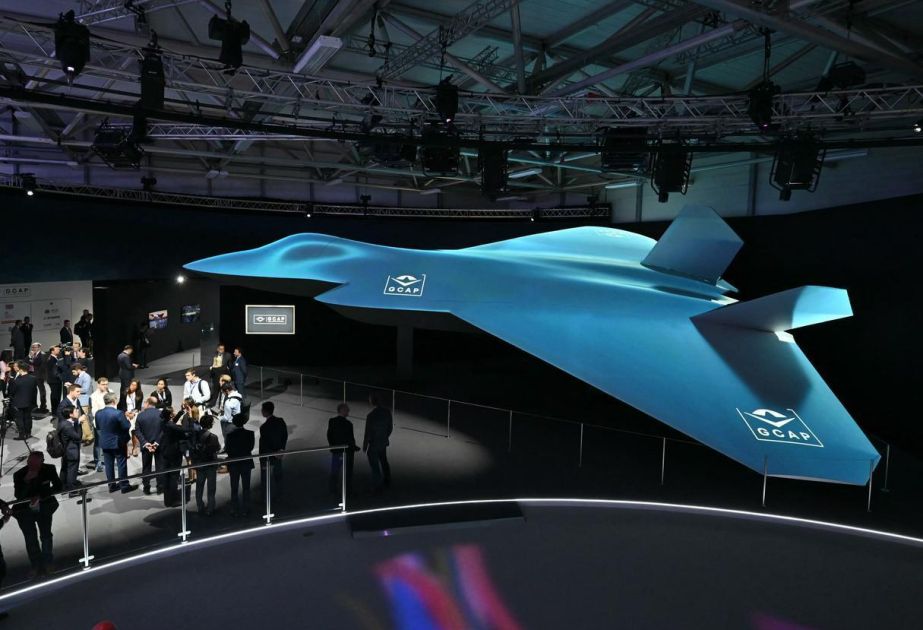
There have been significant disagreements between Germany and France regarding the development of the next-generation fighter jets as part of Europe's flagship Future Combat Air System (FCAS) program, AzerNEWS reports.
Chancellor Friedrich Merz has openly questioned Germany's continued involvement in the project, signaling that Berlin may look for alternative partners outside of France if critical differences are not resolved. Speaking in an interview with the German political podcast Machtwechsel, Merz emphasized that the issue was not political in nature but rather stemmed from differing military requirements. "This isn't a political dispute," he explained. "We are facing a serious problem with the demand profile. If we can't resolve it, we won’t be able to proceed with the project."
Merz's comments make it clear that Germany may walk away from the FCAS program unless the fundamental disagreements over the aircraft's design and capabilities are addressed. A major point of contention is the type of fighter jet that should be developed. France is seeking a new-generation aircraft with nuclear strike capabilities and the ability to operate from aircraft carriers. As Merz pointed out, the Bundeswehr (Germany's armed forces) currently has no need for such capabilities. "The French want a next-gen aircraft that can carry nuclear weapons and operate off carriers. We don't need that right now," he said.
This disagreement raises key questions about whether the FCAS program should result in a single unified aircraft or multiple different versions to meet the distinct needs of each partner. "France wants to produce only the aircraft it requires and adapt it to its needs. But that’s not what we need," Merz stated, underscoring the divergent priorities.
Merz also shared that he had discussed the future of manned fighter jets with Defense Minister Boris Pistorius, speculating that Germany may no longer require such jets in the coming decades. He hinted at the possibility of exploring alternative partnerships within Europe, citing Spain and other nations as potential collaborators. "There are other countries in Europe, including Spain, that are interested in discussing this matter with us," Merz said.
The FCAS system is intended to replace both the German Eurofighter and the French Rafale aircraft by 2040, integrating stealth technology, drones, and advanced cloud-based combat management systems. However, the project has faced repeated delays, primarily due to disputes between the two key industrial partners—Dassault Aviation (backed by France) and Airbus (supported by Germany). These ongoing disagreements over design authority have led to significant setbacks, raising concerns about the future of the program.
An interesting aspect of this dispute is the broader implications for European defense cooperation. As the geopolitical landscape shifts, particularly with the rising tensions in Eastern Europe and the growing influence of the U.S. in European defense, Germany and France's diverging defense priorities could push both nations to seek different alliances or even forge independent paths in their military capabilities. This might ultimately lead to the fragmentation of what was intended to be a unified European defense initiative, or perhaps spur the creation of new, more tailored defense coalitions across the continent.
Here we are to serve you with news right now. It does not cost much, but worth your attention.
Choose to support open, independent, quality journalism and subscribe on a monthly basis.
By subscribing to our online newspaper, you can have full digital access to all news, analysis, and much more.
You can also follow AzerNEWS on Twitter @AzerNewsAz or Facebook @AzerNewsNewspaper
Thank you!