
Epstein files expose deeper ties with global scientific elite
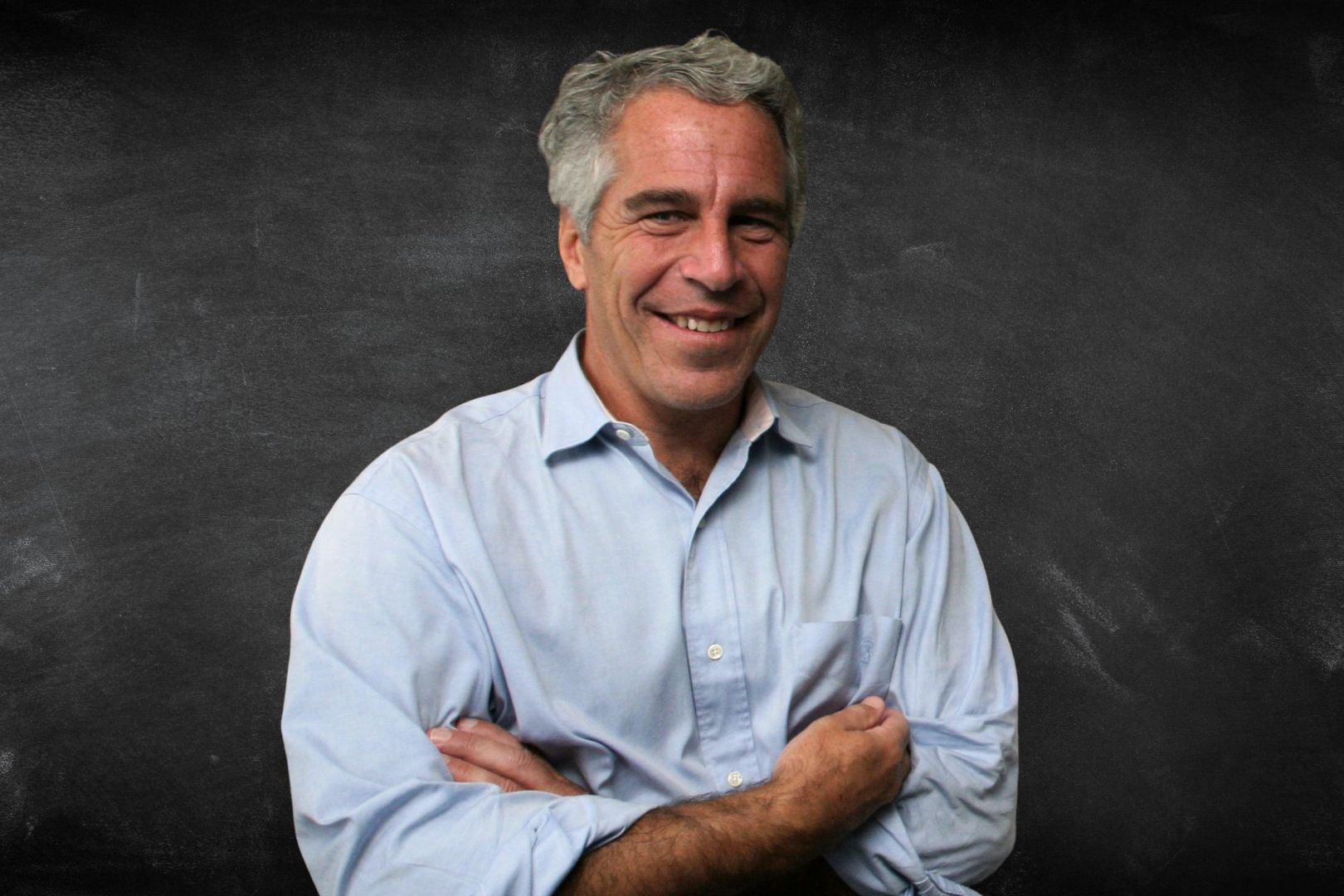
Newly released documents from the investigation into convicted sex offender Jeffrey Epstein have revealed that his connections to the global scientific community were far more extensive and deeply embedded than previously understood, Azernews reports citing Nature magazine.
Epstein, who died by suicide in 2019 while awaiting trial on federal sex-trafficking charges, cultivated close relationships with prominent researchers and invested millions of dollars in scientific initiatives. Although it was already known that some scientists continued to associate with Epstein after his 2008 conviction for sex crimes, the latest disclosure sheds new light on the scale and nature of those interactions.
The release, made public last Friday, includes more than three million files—emails, photographs, and financial records—marking the largest batch of Epstein-related materials disclosed by the US Department of Justice since the passage of the Epstein Transparency Act late last year. The law mandates the release of all federal documents related to the financier.
While the documents do not suggest criminal wrongdoing by the scientists mentioned, they illustrate how deeply Epstein embedded himself in the scientific projects and institutions he supported.
Among the newly detailed interactions are communications involving theoretical physicist Lawrence Krauss, whose science outreach organization received $250,000 from Epstein. In a 2018 exchange, Epstein wrote to Krauss, “I thought we agreed no comment !!!!!,” as Krauss responded to media inquiries about a sexual misconduct investigation that later led to his departure from Arizona State University.
Krauss told Nature that he sought advice from many acquaintances during that period and said he had no knowledge of Epstein’s “horrendous crimes” at the time. “I was as shocked as the rest of the world when he was arrested,” he said.
The files also show that Epstein maintained a list of nearly 30 prominent scientists, including Krauss, and reveal previously unknown links with several others. One of them is Lisa Randall, a theoretical physicist at Harvard University, who exchanged emails with Epstein that included jokes about his house arrest following the 2008 conviction. Randall also visited Epstein’s private Caribbean island in 2014.
Although she did not respond to Nature, Randall told the Harvard Crimson: “I am appalled by the full extent of allegations against him and deeply regret maintaining contact.”
Some documents reveal scientists approaching Epstein directly with funding proposals. In 2013, Nathan Wolfe, then a virologist at Stanford University, suggested that Epstein fund a study on undergraduate sexual behavior to test what he described as a “horny virus hypothesis.”
Wolfe later stated that Epstein never funded the project and said he regretted “not recognizing at the time how inappropriate [Epstein’s] framing was.”
One of Epstein’s closest academic relationships was with mathematical biologist Martin Nowak, formerly of the Institute for Advanced Study in Princeton and later at Harvard University. In his 2011 book SuperCooperators, Nowak described being invited to Epstein’s island, where Epstein allegedly offered to build an institute for him.
That offer materialized as the Program for Evolutionary Dynamics (PED) at Harvard, founded with a $6.5 million donation from Epstein. Epstein’s involvement went well beyond funding: he maintained a dedicated office in the PED building and visited several times a year to meet with academics. Following renewed scrutiny, Harvard shut down the program in 2021 and imposed sanctions on Nowak, which were lifted in 2023.
Emails in the newly released files also reference Corina Tarnita, a Romanian-born mathematician who was Nowak’s PhD student beginning in 2008. Documents show that she facilitated wire-transfer details in 2009 for two Romanian women who received payments from Epstein, sparking speculation due to similarities with alleged trafficking-related transfers.
Tarnita, now a mathematical biologist at Princeton University, said the payments were legitimate scholarships for young women in mathematics. In a statement to Nature, she said Epstein was “inspired” by her career path to support early-career female mathematicians. Princeton University confirmed her account, citing corroborating emails from 2008, and emphasized that Tarnita has never faced criminal allegations related to Epstein.
Taken together, the documents deepen public understanding of how Epstein leveraged wealth, access, and prestige to embed himself within elite scientific circles—often long after his criminal history was known. While no evidence of scientific misconduct or criminal complicity has emerged from the latest disclosures, the files have reignited debate over ethical responsibility, due diligence, and institutional accountability in academic funding.
Here we are to serve you with news right now. It does not cost much, but worth your attention.
Choose to support open, independent, quality journalism and subscribe on a monthly basis.
By subscribing to our online newspaper, you can have full digital access to all news, analysis, and much more.
You can also follow AzerNEWS on Twitter @AzerNewsAz or Facebook @AzerNewsNewspaper
Thank you!