
Gulf military buildup explained: US, Iran, and regional risks
By AzerNews Staff
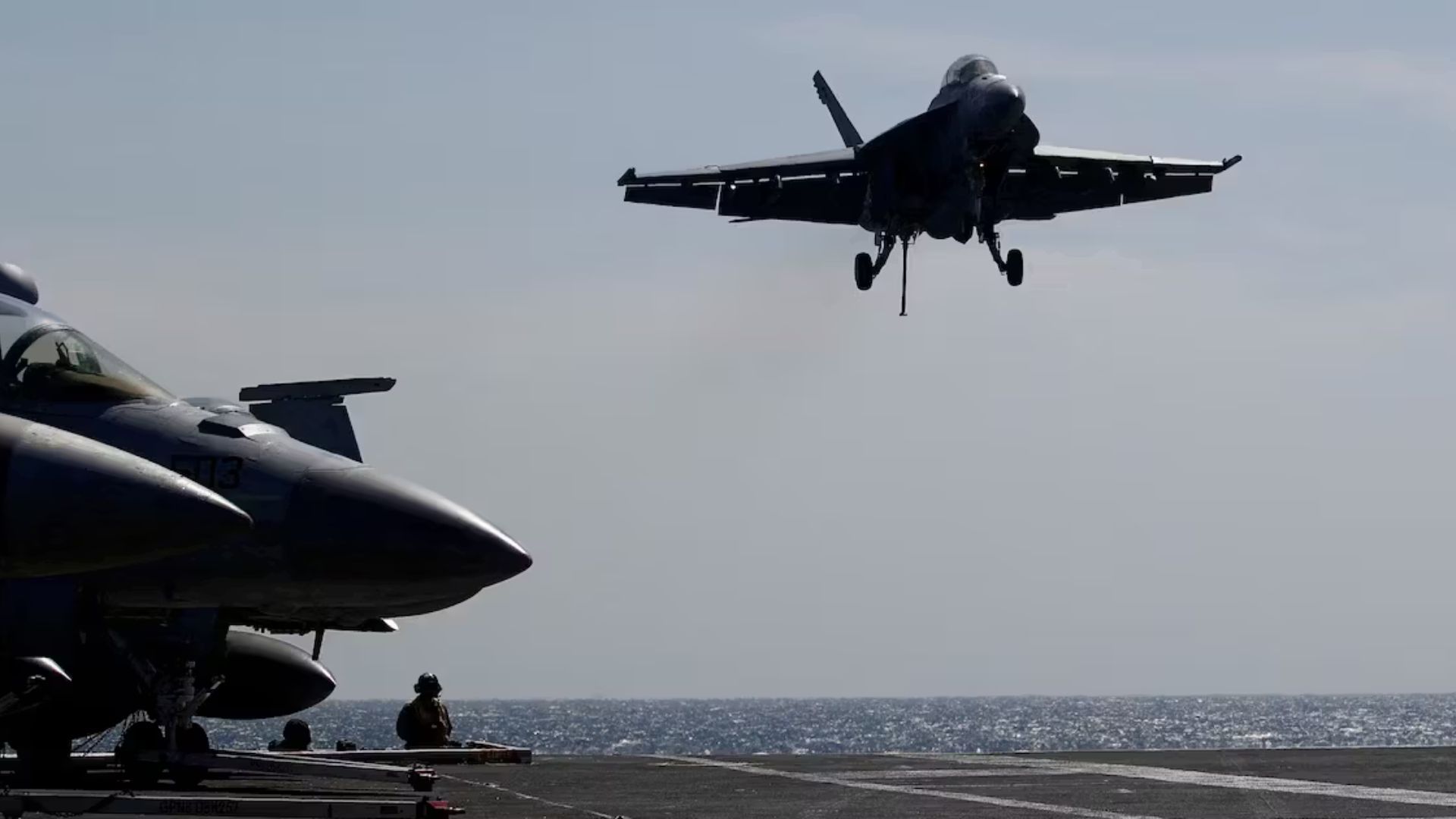
As a United States aircraft carrier strike group, centred on the USS Abraham Lincoln, heads towards the Gulf, the world watches with unease. President Donald Trump’s declaration of a sizeable naval “armada” bound for the region, aimed, he says, at keeping an eye on Iran, comes against a backdrop of heightened geopolitical tension.
This is not the first time Washington has deployed heavy forces to the Middle East. But the scale and timing strike observers as unmistakably pointed. Aircraft carriers, guided-missile destroyers and accompanying air power are no ordinary dispatches; they are symbols of strategic resolve, yet also potential tinder in a volatile landscape.
The official line from the White House underscores deterrence. Military moves are presented as precautionary, a message to Iran and its network of allies that the United States will respond firmly to any aggression. Yet Tehran’s own warnings have been stark: any strike, however limited, would be treated as “all-out war”, with promises of a full-throated response against US interests and bases across the region.
What is often lost in the heat of speculation is the distinction between posturing and impending conflict. Deploying warships and air defence assets is as much about signalling, to domestic audiences and international rivals, as it is about preparing for an actual strike. Washington’s emphasis on deterrence suggests caution; it is seeking to avoid a kinetic confrontation even as it strengthens its military footprint.
But the risks of miscalculation are real. Even if a direct US strike on Iranian soil is not imminent, a buildup on this scale heightens the likelihood of incidents, an errant missile, a misread radar contact or a clash between patrol boats that could spiral out of control. The deployment also complicates diplomatic avenues. Allies such as the United Kingdom have already repositioned combat aircraft to the region, underscoring shared concern but also a broader entanglement in any potential crisis.
For Trump’s administration, the current approach reflects a dual impulse: to project strength and to avoid a wider war. The carrier’s presence is part deterrent, part reassurance to partners fearful of Iranian pressure tactic. But it also reveals an underlying tension in US policy between the need to contain Iran’s regional ambitions and the imperative to avoid a conflict that could engulf the entire Middle East.
So, is escalation imminent? Not necessarily. What we are seeing is preparation, not declaration. A military buildup gives Washington options and leverage without irrevocably crossing the threshold into war. Yet the ambiguity that makes the posture flexible also makes it dangerous. In crises, ambiguity can be a tool or a trap.
What happens next will depend as much on diplomacy and communication as on naval power. A carrier strike group in the Gulf is a powerful signal. But unless it is accompanied by sustained diplomatic engagement, including clear channels with Tehran and its regional interlocutors, it risks slipping from calculated deterrence into unwanted confrontation.
Here we are to serve you with news right now. It does not cost much, but worth your attention.
Choose to support open, independent, quality journalism and subscribe on a monthly basis.
By subscribing to our online newspaper, you can have full digital access to all news, analysis, and much more.
You can also follow AzerNEWS on Twitter @AzerNewsAz or Facebook @AzerNewsNewspaper
Thank you!