
Nizami Ganjavi International Center hosts high-level event at Munich Security Conference [PHOTOS]
![Nizami Ganjavi International Center hosts high-level event at Munich Security Conference [PHOTOS]](https://www.azernews.az/media/2026/02/15/n1.jpg)
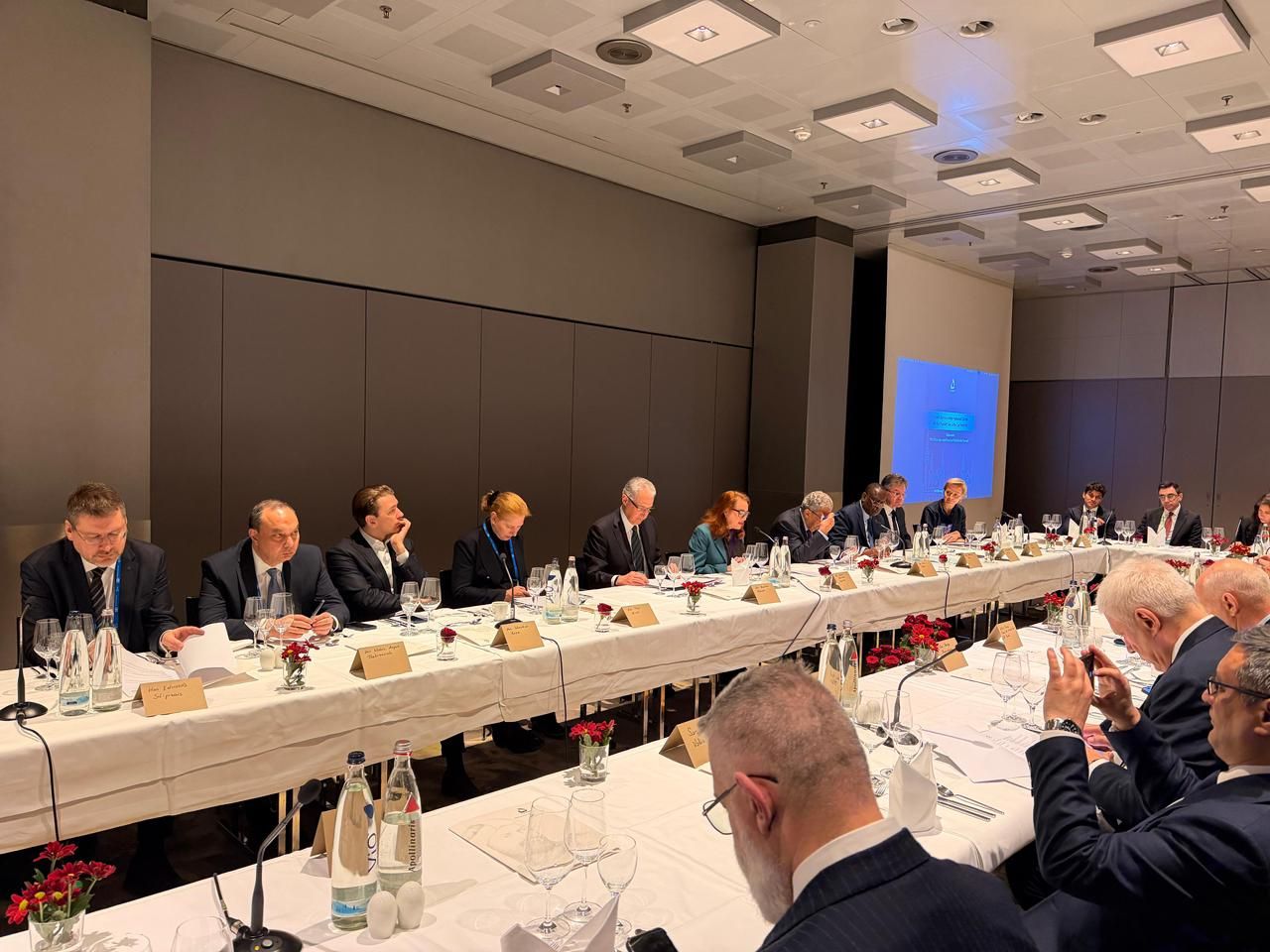
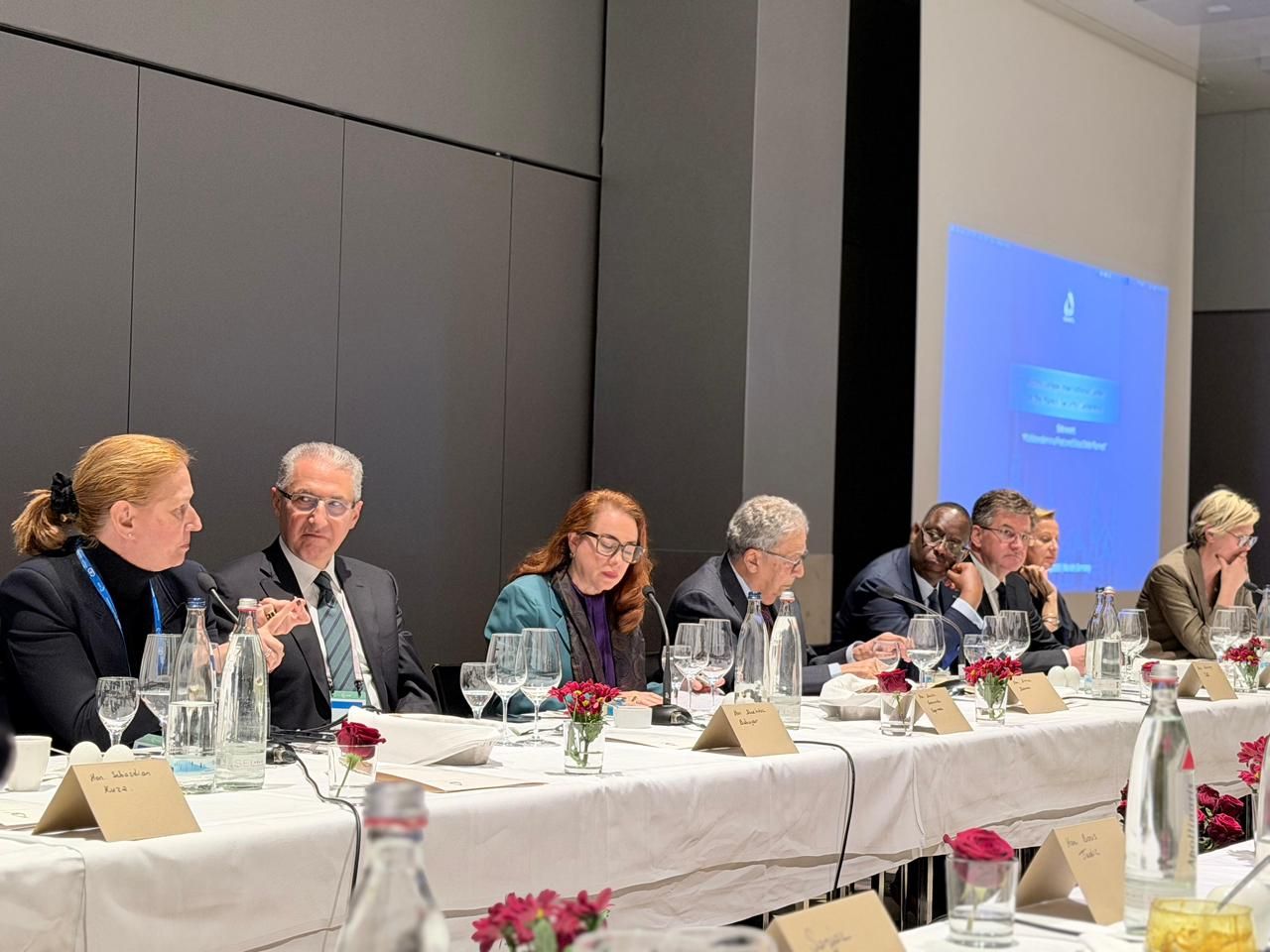
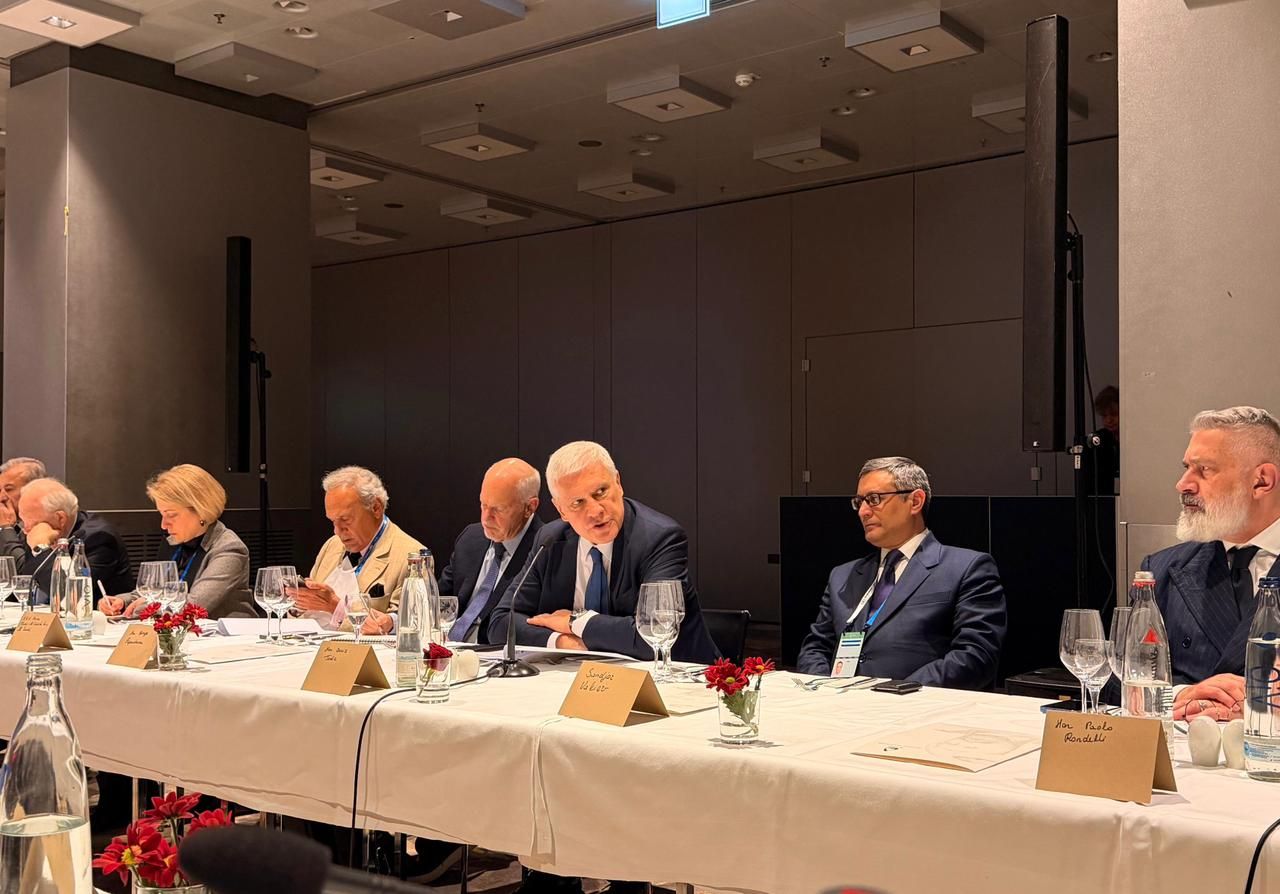
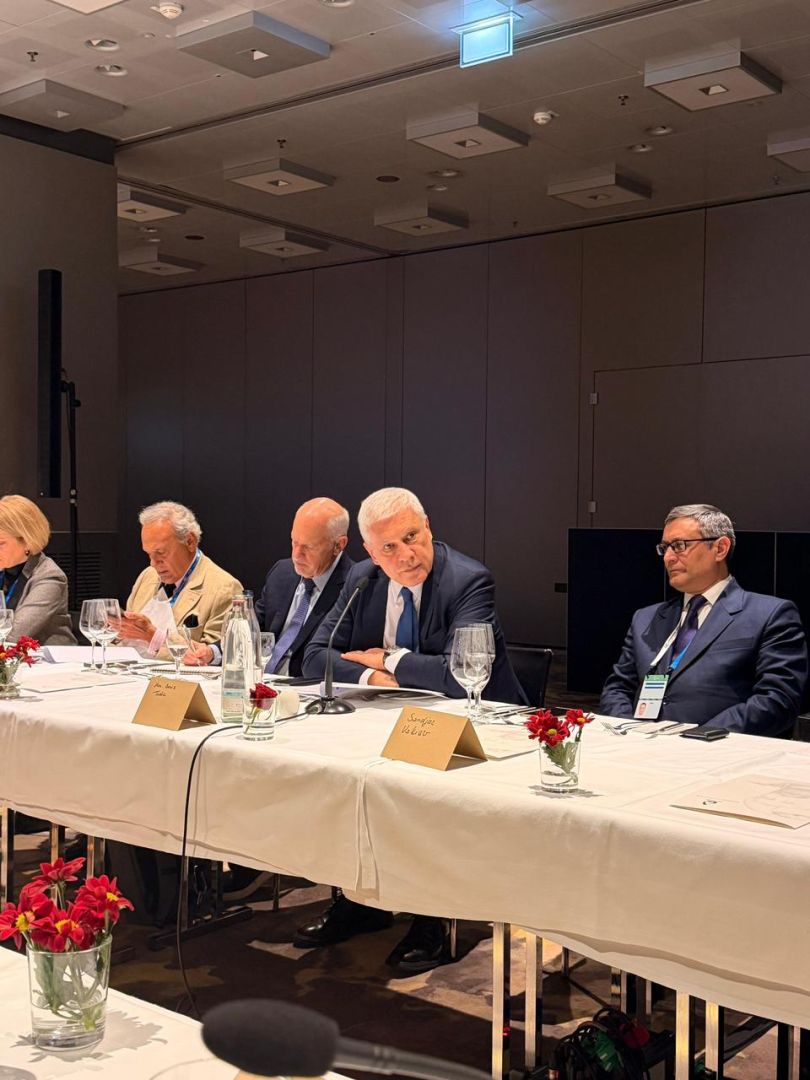
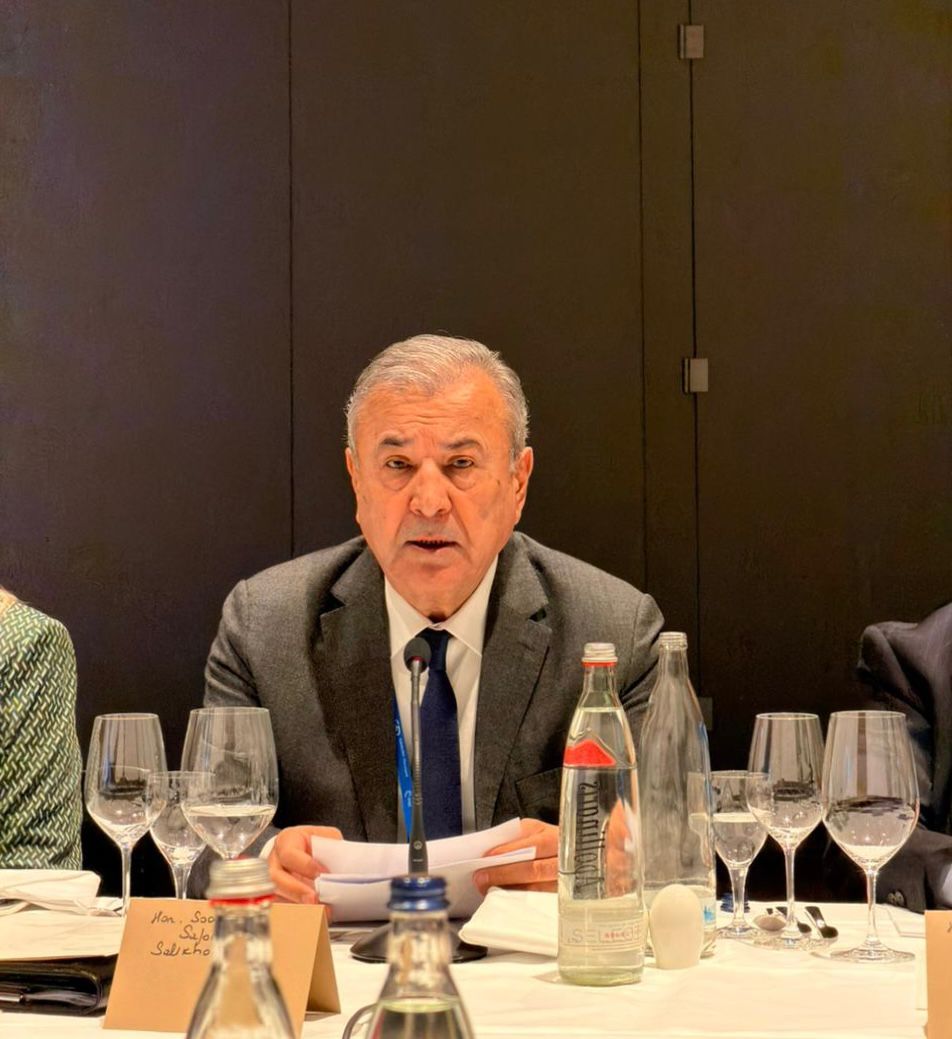
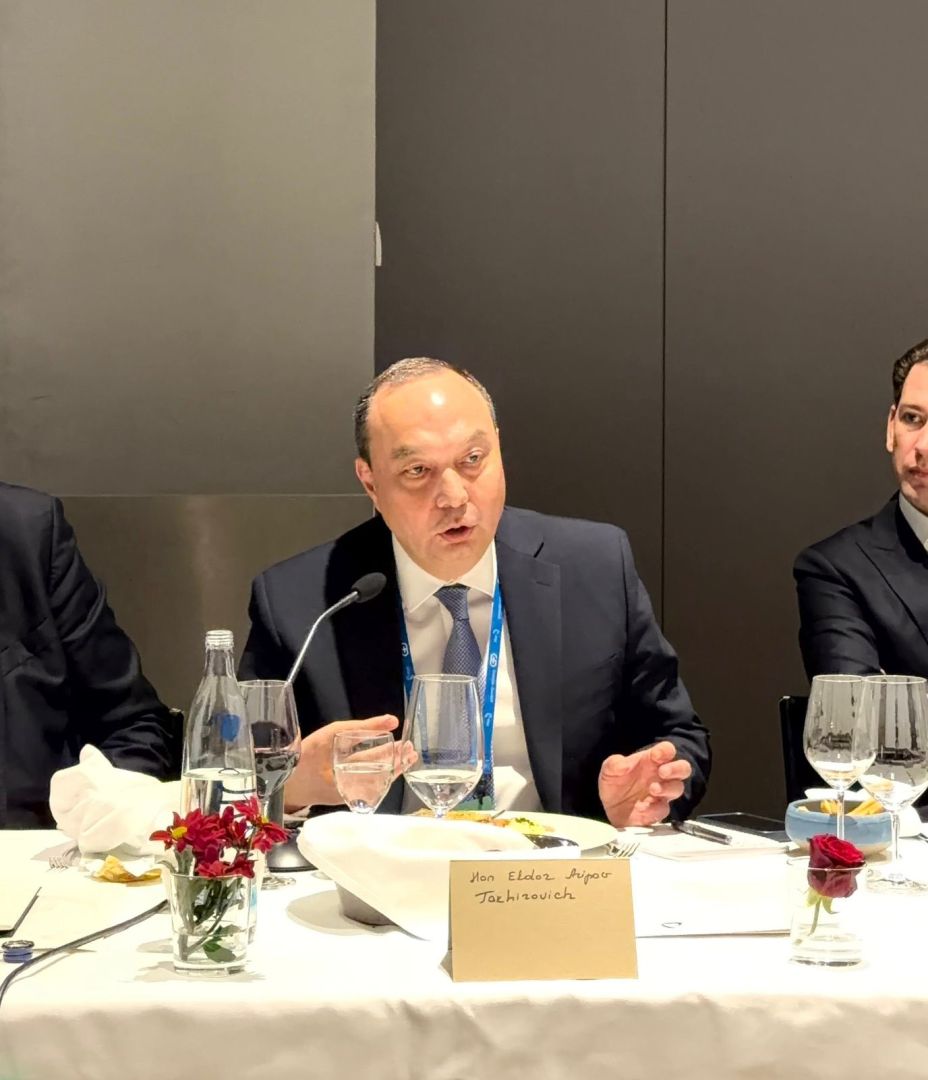
A high-level discussion on the future of global cooperation was held on the sidelines of the Munich Security Conference as part of MSC 2026, bringing together political leaders, diplomats, and strategic thinkers amid growing geopolitical fragmentation.
The roundtable, titled “Multilateralism in a Fractured Global Order,” was organized by the Nizami Ganjavi International Center and focused on how multilateral institutions can preserve their effectiveness and legitimacy at a time when global consensus is increasingly elusive. Particular attention was paid to possible reforms of the United Nations system as it marks eight decades of existence.
According to AzerNEWS, the event gathered around 40 high-level participants from more than 15 countries, including senior UN officials, former heads of state and government, ministers, leaders of regional organizations, and prominent international experts.
Among the speakers were Prince Turki Al Faisal, Chairman of the Board of the King Faisal Center for Islamic Studies; former Serbian President Boris Tadić; former Senegalese President Macky Sall; EU Special Representative for Central Asia Eduards Stiprais; and former Austrian Chancellor Sebastian Kurz.
The discussion also featured Mukhtar Babayev, Azerbaijan’s presidential representative on climate issues and President of COP29, as well as María Fernanda Espinosa and Sodiq Safoyev.
During a dedicated lunch session, participants exchanged views on the evolving architecture of global governance. Contributions came from UN Under-Secretary-General Miguel Ángel Moratinos, former Arab League Secretary-General Amr Moussa, former Israeli Foreign Minister Tzipi Livni, former Greek Prime Minister George Papandreou, and former UN General Assembly President Miroslav Lajčák, alongside senior officials from Uzbekistan and the Nizami Ganjavi International Center.
The debate highlighted emerging cooperation formats in Central Asia and the South Caucasus, the growing strategic importance of the Trans-Caspian connection, and the role of post-conflict normalization processes. Speakers emphasized that regional initiatives, rather than competing with global institutions, could complement and reinforce multilateral frameworks at a time when the international order is under strain.
Here we are to serve you with news right now. It does not cost much, but worth your attention.
Choose to support open, independent, quality journalism and subscribe on a monthly basis.
By subscribing to our online newspaper, you can have full digital access to all news, analysis, and much more.
You can also follow AzerNEWS on Twitter @AzerNewsAz or Facebook @AzerNewsNewspaper
Thank you!