
Water Tuesday: How does water symbolize renewal?

Laman Ismayilova
Read moreNovruz is the most ancient and beloved holiday in Azerbaijan, marking the arrival of spring and the renewal of nature at the time of the vernal equinox, usually on March 20 or 21, AzerNEWS reports.
Recognized by UNESCO as part of the Intangible Cultural Heritage of Humanity, Novruz reflects centuries-old traditions connected to nature, seasonal change, and the four classical elements. In the weeks leading up to the holiday, Azerbaijani people celebrate four consecutive Tuesdays known as "Çərşənbələr," each dedicated to one of the fundamental elements: water, fire, wind, and earth.
The first of these is Su Çərşənbəsi, or Water Tuesday, which symbolizes water as the source of life and the element that awakens nature after winter. According to traditional belief preserved in Azerbaijani folklore, water is the first of the elements to be created, and its renewal marks the beginning of seasonal transformation.
As winter ends and the days grow longer, people observe the revival of rivers, springs, and streams, which are seen as signs that nature is preparing for rebirth. The celebration of Water Tuesday expresses respect for water's life-giving power and its role in purification, health, and abundance.
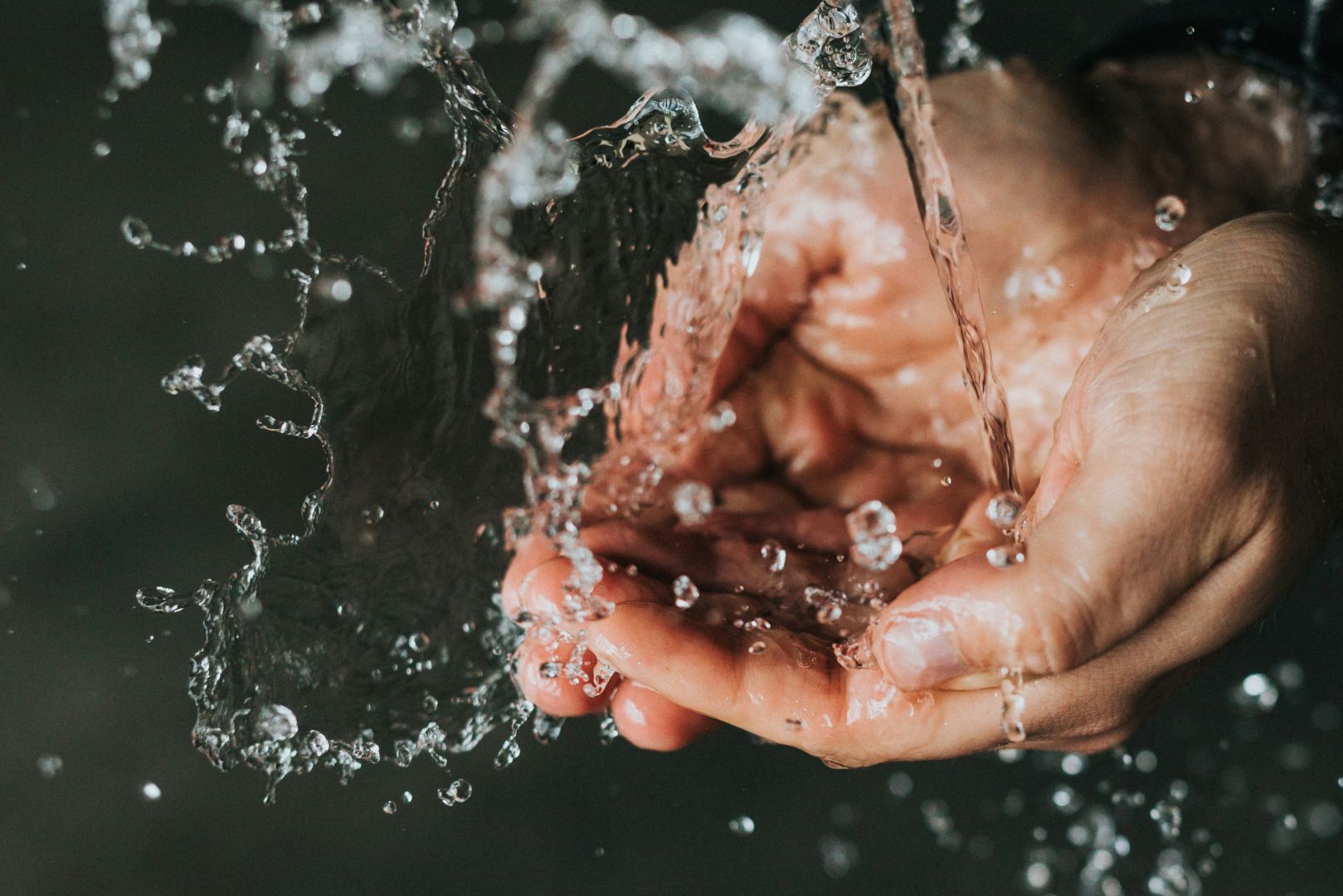
On the morning of Water Tuesday, many people traditionally visit natural water sources such as rivers, springs, or wells. It is customary to collect fresh water at dawn, when it is believed to be especially pure and beneficial. Young girls often go together to fetch water, sometimes singing folk songs along the way. The collected water is brought home and used for symbolic rituals. Family members wash their hands or faces with it, believing this act will cleanse them of illness and misfortune and bring health throughout the coming year. In rural areas especially, people may sprinkle water around their homes, in courtyards, and on trees, expressing hope for fertility, prosperity, and a fruitful agricultural season.
Water is also used symbolically within the household. A bowl of clear water may be placed on the Novruz table as part of the festive arrangement that includes sprouted wheat (samani), sweets, dyed eggs, and candles.
The presence of water represents clarity, freshness, and the continuous flow of life. In some regions, people gently splash water on one another as a sign of blessing. Another widespread custom involves jumping over flowing water or stepping across a small stream. This gesture symbolizes leaving behind the troubles of the old year and entering the new year purified and renewed.
These practices are rooted in ancient beliefs that long predate modern times. Historically, communities in the region viewed natural elements as sacred forces that governed life. Water in particular was associated with healing and protection. Folk traditions hold that water drawn before sunrise on this day has special properties.
Today in Azerbaijan, Water Tuesday continues to be observed both in villages and cities. While urban life has changed many aspects of traditional practice, families still maintain core customs, such as washing with fresh water and preparing for the upcoming Novruz festivities. Schools, cultural institutions, and community groups sometimes organize educational events explaining the significance of the four Tuesdays and their connection to national heritage.
Su Çərşənbəsi (Water Tuesday) is followed by Od Çərşənbəsi (Fire Tuesday), Yel Çərşənbəsi (Wind Tuesday), and Torpaq Çərşənbəsi (Earth Tuesday), each representing another stage in nature's awakening.
Here we are to serve you with news right now. It does not cost much, but worth your attention.
Choose to support open, independent, quality journalism and subscribe on a monthly basis.
By subscribing to our online newspaper, you can have full digital access to all news, analysis, and much more.
You can also follow AzerNEWS on Twitter @AzerNewsAz or Facebook @AzerNewsNewspaper
Thank you!