
Why fourteen-day US-Iran ceasefire won’t fix global energy crisis

Qabil Ashirov
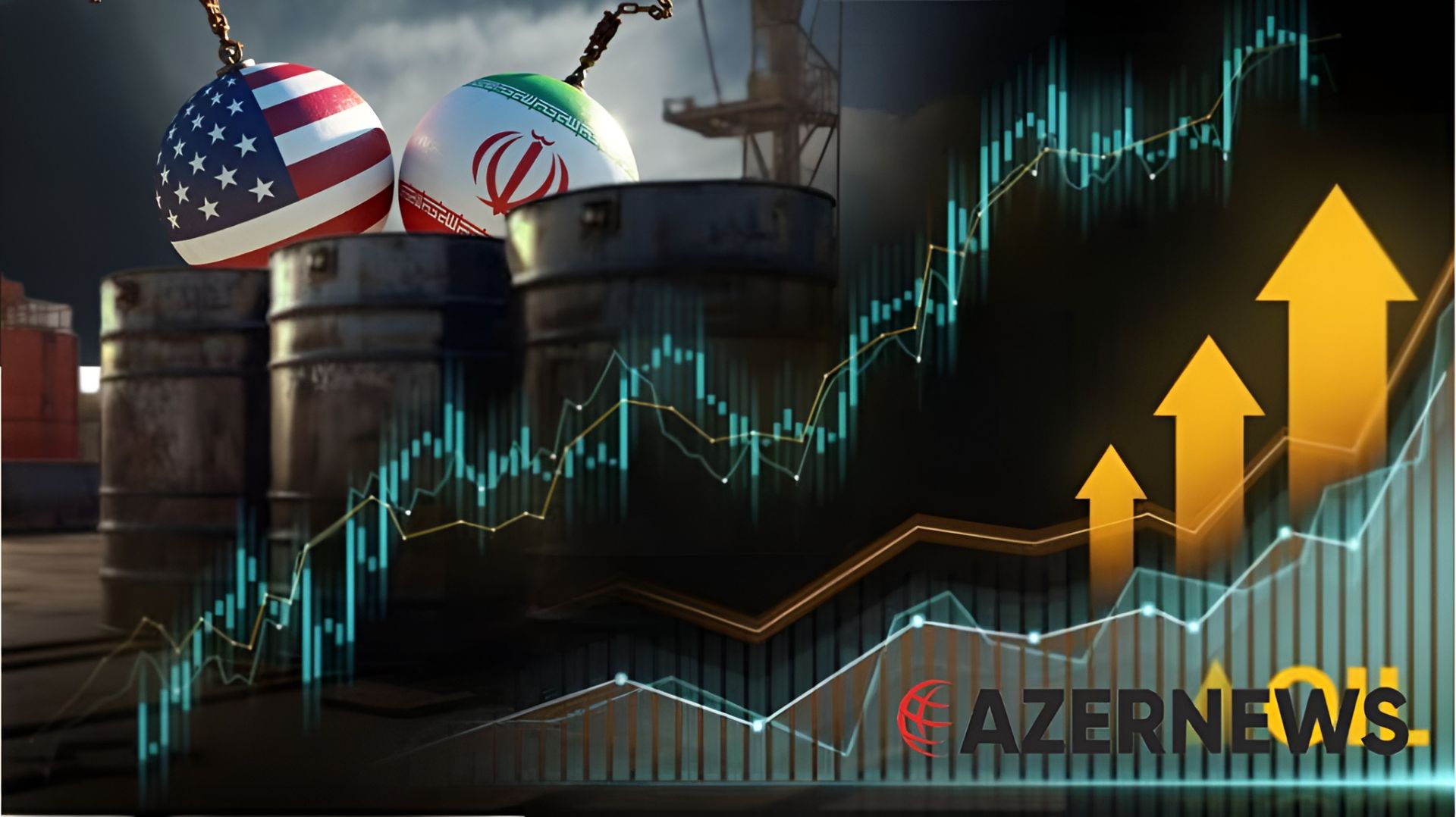
Read moreThe announcement of a fourteen-day ceasefire between major regional powers and Western interests has sent a collective, albeit cautious, sigh of relief through global financial capitals. In the immediate wake of the news, markets reacted with the predictable volatility of a coiled spring being released: crude oil prices took a sharp dive, while speculative assets like Bitcoin surged. However, for those observing the geopolitical landscape from the editorial desks of the South Caucasus or the trading floors of London and Baku, the euphoria feels premature. Beneath the surface-level optimism lies a sobering reality: a two-week pause is a tactical timeout, not a strategic solution, and the road back to the $60-70 oil range remains blocked by charred infrastructure, shattered trust, and a fundamental deficit in global supply.
The market’s initial reaction, i.e., the sudden evaporation of the "war premium" on crude, is largely a psychological phenomenon. For months, the price of a barrel has been propped up not just by supply and demand, but by the sheer existential fear of a total shutdown of the Strait of Hormuz. With a fourteen-day window of silence, that fear has momentarily subsided as traders rush to lock in profits. Yet, this is a classic "buy the rumour, sell the news" scenario. The fundamental drivers of high energy prices remain stubbornly in place. Even if every gun remains silent for the next fortnight, the physical reality of the oil market is one of a massive structural deficit. The world is currently missing nearly 9 million barrels of daily production, and a temporary truce does not magically put those barrels back into the pipelines.
The damage to the region’s energy architecture is profound and, in some cases, irreversible in the short term. Reports from the Persian Gulf and the Iranian coast suggest that the "invisible wounds" of this conflict—the destruction of jetty systems at Kharg Island, the crippling of high-tech refineries in Abadan, and the widespread disruption of power grids—cannot be repaired with a simple signature on a ceasefire document. We are looking at a recovery timeline measured in months, if not years. Modern oil infrastructure is a precision-engineered ecosystem; when a refinery’s catalytic cracker or a deep-water loading terminal is damaged, one does not simply buy a replacement off the shelf. Specialised parts must be manufactured, shipped through risky waters, and installed by international experts who, quite frankly, will be hesitant to enter a zone where "peace" has an expiration date of only fourteen days.
Furthermore, the logistical nightmare in the Strait of Hormuz persists as a silent killer of economic growth. The waterway is currently haunted by the spectre of naval mines and the wreckage of targeted tankers. A ceasefire does not automatically lower insurance premiums or clear shipping lanes. Until international maritime insurers are convinced that the cessation of hostilities is permanent, the "risk surcharge" on every barrel of oil passing through the region will remain an inflationary anchor on the global economy. Ships are currently taking longer, more expensive routes to avoid the zone of conflict, and these costs are being passed directly to the consumer at the pump and in the supermarket.
For a country like Azerbaijan, positioned as a vital node in the "Middle Corridor" and the North-South transport nerve, this ceasefire is a complex double-edged sword. On one hand, regional stability is the lifeblood of Baku’s ambition to become a premier global transit hub. A peaceful Iran and a stable Gulf mean that projects like the International North-South Transport Corridor (INSTC) can finally move from the blueprint stage to full operational capacity, bringing much-needed transit revenues to the non-oil sector. On the other hand, the Azerbaijani state budget and the State Oil Fund (SOFAZ) are calibrated against the price of Brent. While a drop to $60-70 oil would be a blessing for the global consumer and a tool to fight global inflation, it would pose a significant fiscal challenge for oil-exporting nations in the CIS region. However, given the current supply-demand imbalance, the fear of a price collapse seems unfounded. The "New Normal" for the remainder of 2026 appears to be entrenched in the $90-$100 range, as the world grapples with the fact that lost production cannot be switched back on like a light bulb.
We must also address the elephant in the room: the tactical nature of the ceasefire itself. This is not a peace treaty; it is a geopolitical "time-out." In the history of Middle Eastern conflicts, such pauses are frequently utilised by combatants to refuel, rearm, and reposition their forces. Institutional investors are keenly aware of this cycle. While Bitcoin may jump 5% on a wave of "risk-on" sentiment from retail traders, the kind of institutional capital that builds pipelines, develops new oil fields, and reconstructs cities will remain firmly on the sidelines. Real investment requires the predictability of a decade, not the fleeting hope of a fortnight.
As we look toward the end of April 2026, the trajectory of the global economy remains tethered to the outcome of these fourteen days. If this window leads to a permanent settlement and the reintegration of Iranian barrels into the global market under a new diplomatic framework, then might we see a return to the $70 floor by late 2027? But for now, the charred ruins of the Gulf’s oil terminals serve as a grim reminder: it is far easier to destroy a market than it is to rebuild one. The ceasefire is a welcome mirage in a scorched landscape, but the desert of high prices, damaged infrastructure, and supply instability remains vast and difficult to cross. The world must prepare for a long, expensive recovery rather than a quick return to the status quo.
Here we are to serve you with news right now. It does not cost much, but worth your attention.
Choose to support open, independent, quality journalism and subscribe on a monthly basis.
By subscribing to our online newspaper, you can have full digital access to all news, analysis, and much more.
You can also follow AzerNEWS on Twitter @AzerNewsAz or Facebook @AzerNewsNewspaper
Thank you!