
Azerbaijan marks 120 years of its first satirical magazine [PHOTOS]
![Azerbaijan marks 120 years of its first satirical magazine [PHOTOS]](https://www.azernews.az/media/2026/04/07/molla_nasreddin_collage.jpg)

Laman Ismayilova
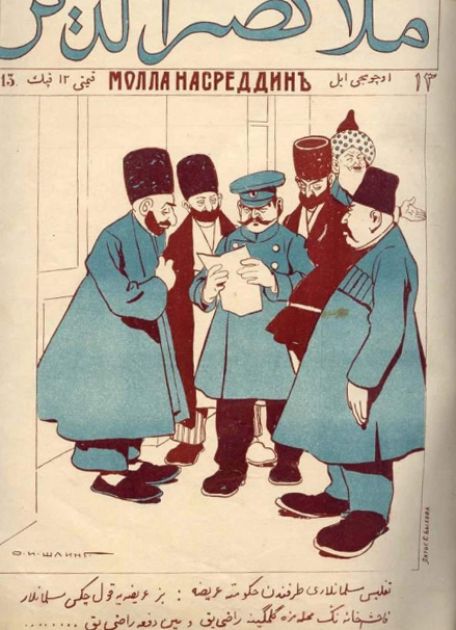
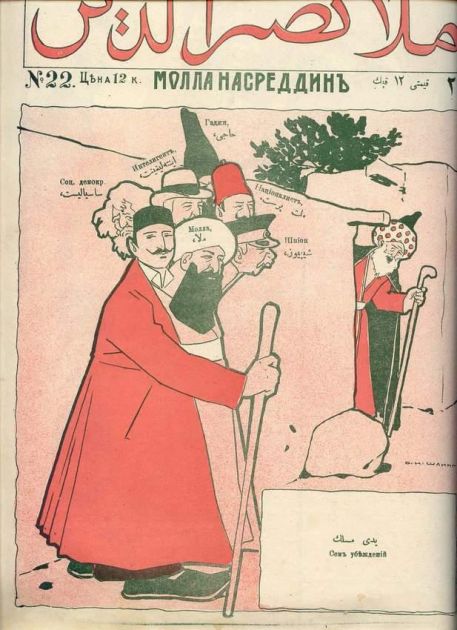
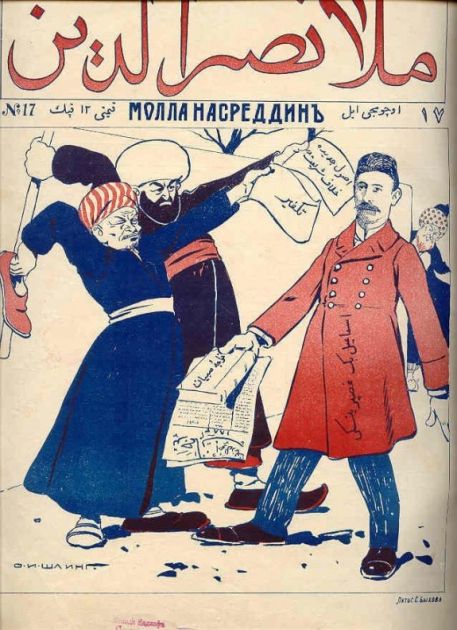
Read moreHumor has long been one of the most powerful tools for confronting injustice and pretension. This idea is perfectly embodied in "Molla Nasreddin", an influential eight-page satirical weekly that holds a special place in the history of Azerbaijani journalism.
First published in Tbilisi on April 7, 1906, "Molla Nasreddin" released 340 issues there until 1917. It later continued its publication in Tabriz with eight issues in 1921, and then in Baku from 1922 to 1931, bringing the total number of issues to around 400.
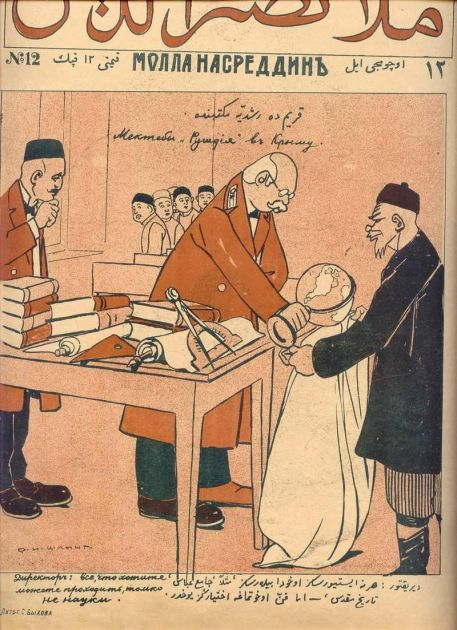
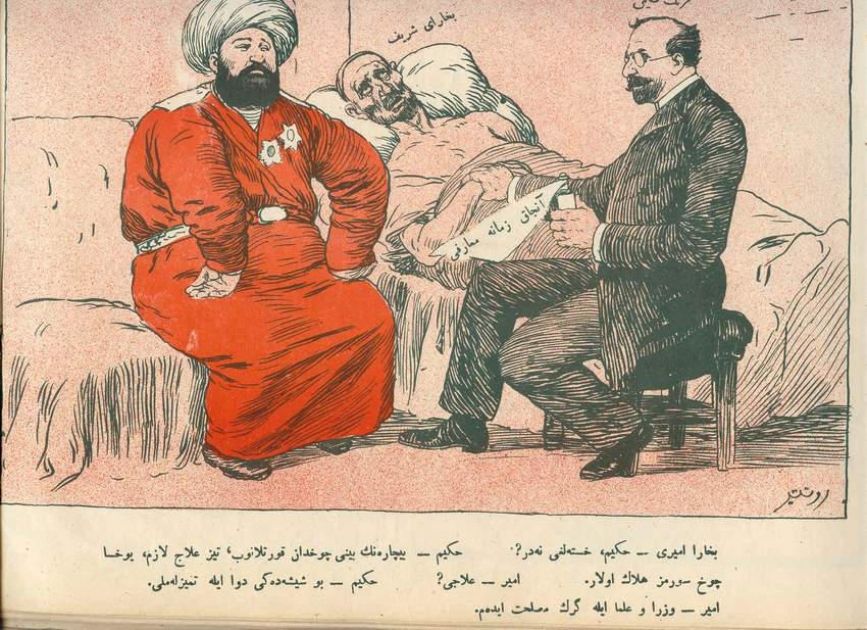
For its time, the magazine was truly revolutionary. It tackled pressing social issues, including corruption, illiteracy, elitism, women's rights and the safeguarding of the national language and cultural heritage.
The magazine was founded by the prominent satirical writer Jalil Mammadguluzadeh, who famously remarked that "Molla Nasreddin" "was born of its time." Its title was inspired by the legendary 13th-century Sufi figure Molla Nasreddin, known for his wit and wisdom. His humorous anecdotes were widely beloved across the Turkic world and had spread into Persian, Arab, African, and Indian cultures.
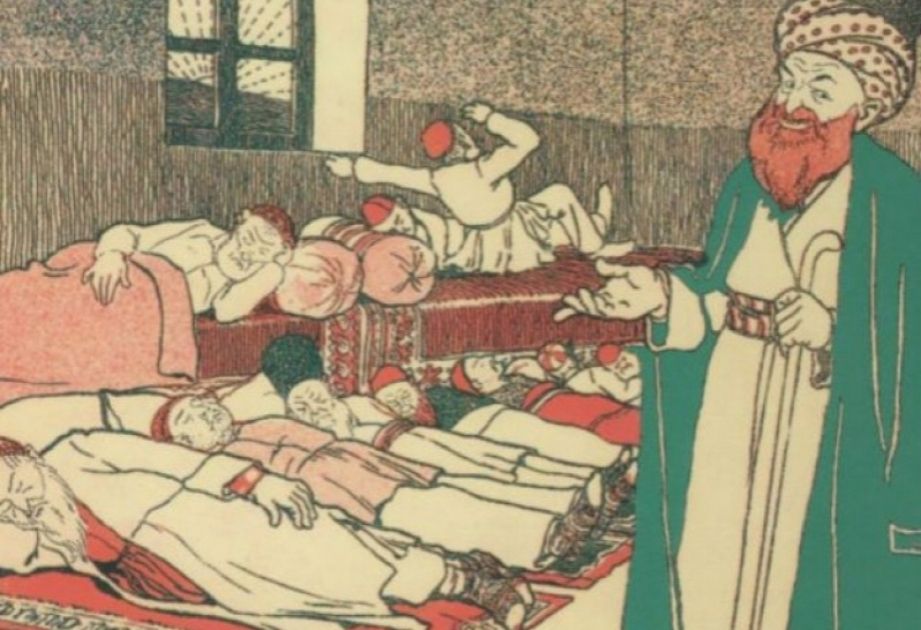
Unlike many publications of its era, "Molla Nasreddin" reached not only the educated elite but also ordinary, less literate readers. It used accessible forms, including satirical poems, short stories, and especially cartoons, to communicate its messages effectively. The magazine featured contributions from leading Azerbaijani intellectuals and writers, including M.A. Sabir, N. Narimanov, A. Haqverdiyev, M.S. Ordubadi, O.F. Nemanzadeh, Ali Nazmi, and A. Gamkusar.
One of the key factors behind the magazine's popularity was the work of Mirza Alakbar Sabir, an outstanding poet whose sharp and innovative satire appeared regularly until his death in 1911. Through his poetry, Sabir exposed the abuses of Tsarist officials, the injustices of landowners, the hardships of working people, and the oppression of women.
The magazine also played a significant role in advocating for women's rights, contributing to the historic introduction of women's suffrage in Azerbaijan in 1919, the first such reform in the Muslim world. However, its fearless criticism often provoked strong backlash from authorities, leading to bans in 1912, 1914, and 1917.
Despite these challenges, including repeated bans in 1912, 1914, and 1917, the publication endured for more than 25 years before ultimately ceasing in 1931.
Much of the magazine's great impact was due to the vision and leadership of its founder, Jalil Mammadguluzadeh.
He was a central figure in Azerbaijani literature, known for his works across multiple genres, including plays, essays, and short stories.
Among his most notable works are "The Disappearance of the Donkey", "The Corpses", "The Madmen's Gathering", and "The Lamb".
He passed away on January 4, 1932, leaving behind a lasting legacy. In his honor, a drama theatre in Nakhchivan, a street in Baku, the city of Jalilabad, and the town of Jalikand bear his name. His house-museum, opened in 1977, continues to promote his life and work through exhibitions and educational activities.
It has been 120 years since "Molla Nasreddin" first appeared, and its legacy endures as a symbol of how humor can spark reflection and social change.
Here we are to serve you with news right now. It does not cost much, but worth your attention.
Choose to support open, independent, quality journalism and subscribe on a monthly basis.
By subscribing to our online newspaper, you can have full digital access to all news, analysis, and much more.
You can also follow AzerNEWS on Twitter @AzerNewsAz or Facebook @AzerNewsNewspaper
Thank you!