
Trump’s tariff policy may trigger new trade blocs and global economic uncertainty

Qabil Ashirov
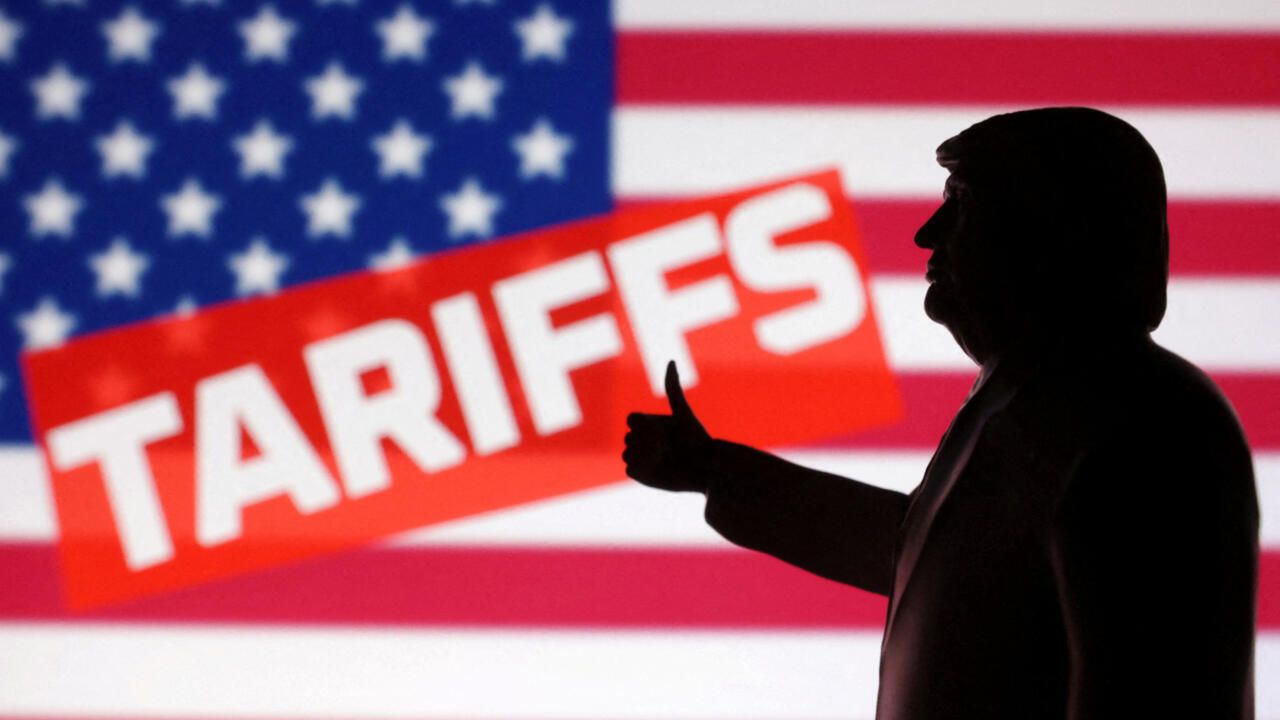
Read moreThe global tariffs announced by U.S. President Donald Trump are expected to take effect this week, a decision that could generate both short-term and long-term consequences for the global economy. At first glance, the move appears aimed at protecting domestic production and demonstrating political strength. Yet its implications are likely to be felt far beyond the United States.
Raising tariffs from 10 percent to 15 percent may appear modest, but such a shift could trigger significant fluctuations in global markets. Energy and raw material sectors are particularly sensitive to changes in trade policy, and consumer goods prices are also likely to react. For countries exporting to the U.S. market, the increase effectively translates into higher costs. Producers may be forced to raise prices to compensate for the additional tariffs, a move that will ultimately be reflected in the daily expenses of American consumers.
Changes in global trade flows are also likely. As European and Asian exporters gradually lose their competitive edge in the U.S. market, China and other regional economic powers may emerge as alternative centers of trade. Over time, such shifts could weaken the United States’ trade advantage and encourage a diversification of global economic partnerships.
According to U.S. Treasury Secretary Scott Bessent, the tariffs are expected to remain in force for only 150 days. Yet in the context of global trade, even a temporary period can have far-reaching effects. Trade routes, supply chains, and commercial agreements can be reshaped surprisingly quickly when market conditions change.
Even temporary tariffs introduce uncertainty into financial markets. They can reduce investors’ appetite for risk and slow capital flows across borders. Emerging economies may be particularly vulnerable to such developments, as currency markets in these countries tend to react strongly to global financial instability. While Washington frames the policy as an effort to protect domestic industry, its broader effect could disrupt the balance of global production and trade. If such measures become a long-term strategy, the world economy could gradually divide into new trade blocs.
Energy markets, however, may feel the impact even more acutely. The Strait of Hormuz remains a vital corridor for global oil trade, and signals from Washington that it is prepared to use military force to ensure the security of this route have added new tension to already sensitive markets. Oil prices are notoriously responsive to geopolitical risk, and such statements inevitably influence investor expectations.
Meanwhile, the introduction of political risk insurance mechanisms in the Persian Gulf may provide some degree of stability for energy markets. Yet it also reflects growing concern over rising tensions in the region. As a result, fluctuations in global energy prices appear almost inevitable.
In the short term, the global economy may be able to absorb the effects of these tariffs. Recent assessments by the International Monetary Fund suggest that global growth remains relatively stable for now. Over the longer term, however, the risks could become far more serious.
If the United States continues to pursue an aggressive tariff strategy, the European Union and Asian economies may increasingly seek to strengthen trade cooperation among themselves. Such developments could gradually fragment the global economic system and accelerate the formation of regional economic blocs. The United States, in turn, could move toward a more inward-focused economic model centered on domestic production. While such a strategy might generate short-term political gains, it could also limit long-term economic growth.
As uncertainty rises in financial markets, investors typically seek more stable destinations for their capital. This dynamic presents both opportunities and risks for developing countries. On the one hand, capital moving away from the United States could flow toward emerging markets. On the other hand, currency volatility and political risk may undermine the sustainability of these inflows.
Energy markets face their own uncertainties. If the United States moves toward a stronger military presence to secure global energy routes, oil prices could rise further — creating additional burdens for energy-importing countries.
For the South Caucasus, and particularly for Azerbaijan, the indirect effects of this tariff policy are likely to be felt primarily through energy markets. As an exporter of oil and natural gas, Azerbaijan is directly influenced by fluctuations in global energy prices. Rising tensions around the Strait of Hormuz could push energy prices higher, potentially increasing Azerbaijan’s export revenues. At the same time, global market uncertainty could pose risks to the region’s broader economic stability.
Azerbaijan’s energy strategy, which increasingly focuses on supplying European markets, partially aligns with Washington’s broader geopolitical approach to energy diversification. Yet the risks associated with tariffs and the security of energy routes remain strategically important for Baku as well.
Other South Caucasus states, including Georgia and Armenia, may not be directly affected by the tariffs themselves. However, shifts in global energy prices could still influence their economies indirectly. Given the region’s growing importance as a transit corridor between Europe and Asia, efforts by the United States to secure energy routes may further increase the geopolitical significance of the South Caucasus.
Ultimately, Washington’s tariff policy carries both economic and geopolitical implications. In the short term, the world may witness higher consumer costs, shifting trade flows, and volatility in energy markets. In the longer term, however, the stakes are far greater: the fragmentation of the global economic system, the emergence of new trade blocs, and the possible weakening of the United States’ economic dominance.
Here we are to serve you with news right now. It does not cost much, but worth your attention.
Choose to support open, independent, quality journalism and subscribe on a monthly basis.
By subscribing to our online newspaper, you can have full digital access to all news, analysis, and much more.
You can also follow AzerNEWS on Twitter @AzerNewsAz or Facebook @AzerNewsNewspaper
Thank you!