
Iran-US nuclear talks in Geneva: Strait of Hormuz risks and Azerbaijan’s energy strategy

AzerNEWS Staff
Read moreThis Thursday, February 26, Iranian and US representatives are scheduled to hold another round of nuclear talks in Geneva. The talks come at a time of heightened military tensions in the Middle East, with US President Donald Trump warning that “limited strikes” remain on the table if no agreement is reached.
Iranian Deputy Foreign Minister Abbas Araghchi stated that an “unprecedented agreement” serving the interests of both sides is possible, and that Tehran is preparing to present a formal package of proposals. Against this backdrop, the US has deployed its largest military force in the region in decades, including aircraft carriers and fighter jets. Meanwhile, new protests in Iran have added pressure, making this meeting appear to many observers as a “last chance.” Washington seeks to block Iran’s ability to acquire nuclear weapons, while Tehran demands recognition of its right to a “peaceful” nuclear program in exchange for lifting economic sanctions.
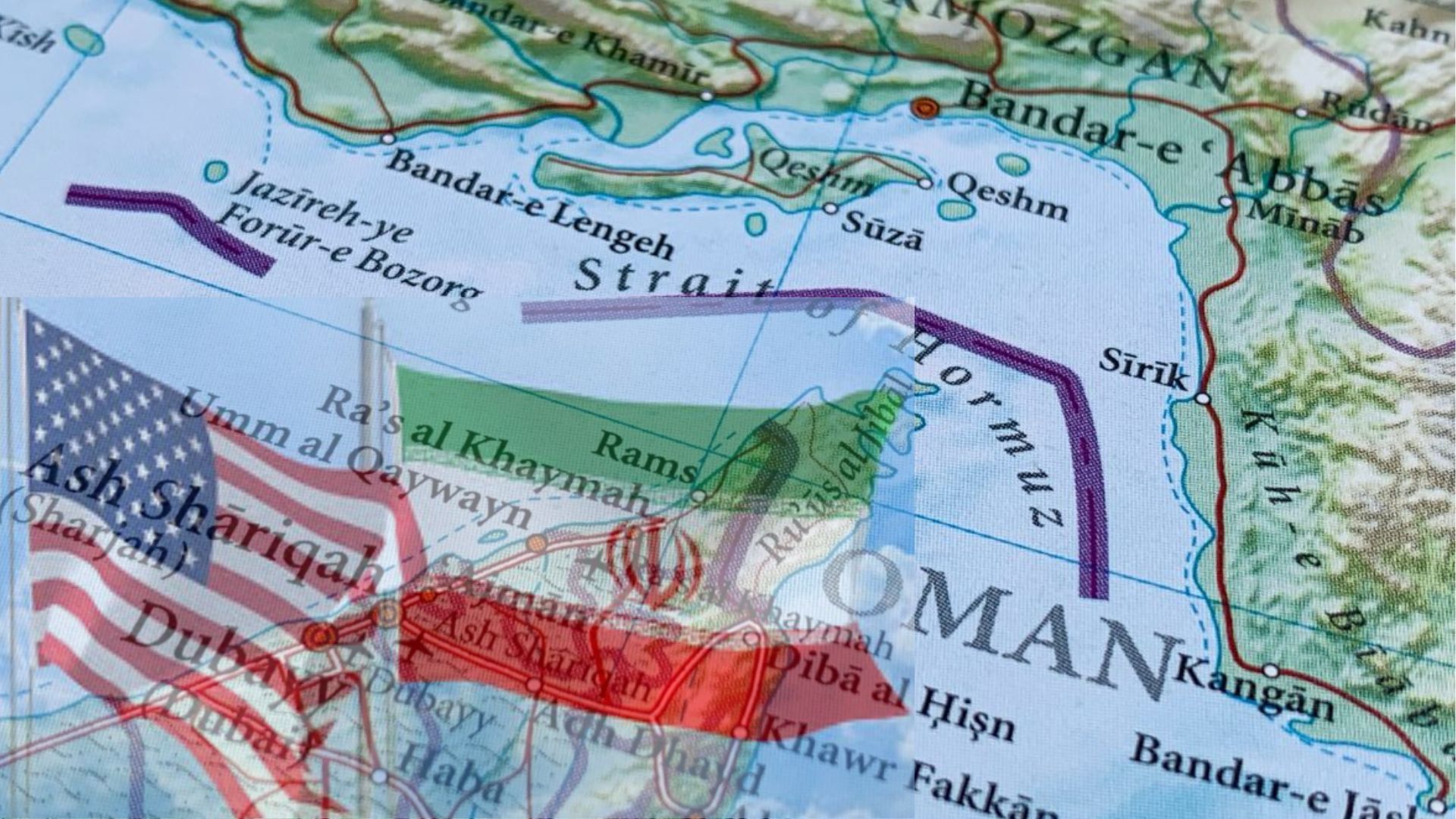
Whenever tensions rise between Iran and the United States, one narrow waterway moves to the center of global attention - the Strait of Hormuz. Earlier this month, Tehran signaled how it might respond to an attack by temporarily closing sections of this strategic passage, which links the Gulf to open seas.
To assess the likelihood and implications of such a move, AzerNEWS spoke with Dr. Frank Musmar, a political analyst specializing in the Middle East, Turkiye, and the Caucasus. He emphasized the importance of distinguishing between immediate and long-term threats to inform strategic planning.
Dr. Musmar noted that the probability of Iran initiating a full, long-term closure of the Strait of Hormuz is low. This assessment, he argued, should reassure policymakers about regional stability despite frequent threats.
Q: Considering that around 20% of global oil supplies pass through the Strait of Hormuz, what impact would a closure have on global oil supply and prices?
A closure of the Strait of Hormuz, through which roughly 20% of global oil passes, would trigger an immediate shock to energy markets. Oil prices could surge to $120–$150 per barrel, with US gasoline prices potentially exceeding $3–$4 per gallon. This would fuel worldwide inflationary pressures.
A sustained disruption of 20 million barrels per day would cause a global supply crisis, as alternative pipelines can bypass only about 15% of that volume. Countries heavily reliant on Gulf energy, such as China, India, and Japan, would face severe shortages. Maritime insurers might suspend coverage or demand exorbitant premiums, forcing shipping companies to halt traffic or take longer, costlier routes.
Q: What lessons can past Strait of Hormuz crises teach us about today’s market risks?
Historical precedent is instructive. The strait was effectively closed or severely impacted during the 1973 oil crisis and the 1979 Iranian Revolution, both of which triggered massive price shocks.
More limited disruptions such as the 1980s “tanker war” or modern drone incidents are more likely than a full closure. Yet even these smaller-scale actions create immediate volatility in oil futures, impacting global supply chains.
Mitigating factors exist: Saudi Arabia’s East-West pipeline can bypass the strait, though it handles only a fraction of Gulf exports. Strategic petroleum reserves in the US, China, and OECD countries, along with diversified supply chains, provide some buffer against short-term disruptions.
Q: From Azerbaijan’s standpoint as a regional energy producer, how could a disruption in the Strait of Hormuz affect its oil exports and energy strategy?
A disruption would significantly boost Azerbaijan’s energy strategy by driving up global oil prices and enhancing the value of its non-Persian Gulf export routes, particularly the Baku-Tbilisi-Ceyhan (BTC) pipeline.
Baku would likely face increased demand for Caspian oil and lucrative opportunities to expand exports to Europe and Asia. Azerbaijan’s diversified pipeline network, including Baku-Novorossiysk and Baku-Supsa, positions it as a reliable energy partner outside the Gulf.
Revenue gains from surging oil prices could accelerate Azerbaijan’s plans to expand pipeline capacity and strengthen its role in reducing Europe’s reliance on Gulf-dependent suppliers.
Q: Given that Azerbaijan shares a border with Iran, how might a war against Iran affect its energy security and regional stability?
A war against Iran would severely disrupt Azerbaijan’s energy security. It could threaten infrastructure, halt critical trans-border energy swaps (notably with Nakhchivan), and sever regional transit corridors.
The 765-km border puts Azerbaijani infrastructure at risk of spillover, requiring heightened security around pipelines through Georgia and Turkiye. The key gas swap agreement, under which Iran receives gas from Turkmenistan and delivers an equivalent amount to Nakhchivan, would likely collapse, forcing Azerbaijan to seek alternative supplies.
Joint energy projects in the Caspian Sea could also be halted. Most critically, Azerbaijan would face a “delicate balancing act” between its strategic partnership with Israel , which often targets Iranian assets, and its need to maintain stability along its southern border.
Here we are to serve you with news right now. It does not cost much, but worth your attention.
Choose to support open, independent, quality journalism and subscribe on a monthly basis.
By subscribing to our online newspaper, you can have full digital access to all news, analysis, and much more.
You can also follow AzerNEWS on Twitter @AzerNewsAz or Facebook @AzerNewsNewspaper
Thank you!