
Hybrid threats and diplomatic shockwaves: Moscow's battle for South Caucasus
By AzerNEWS Staff
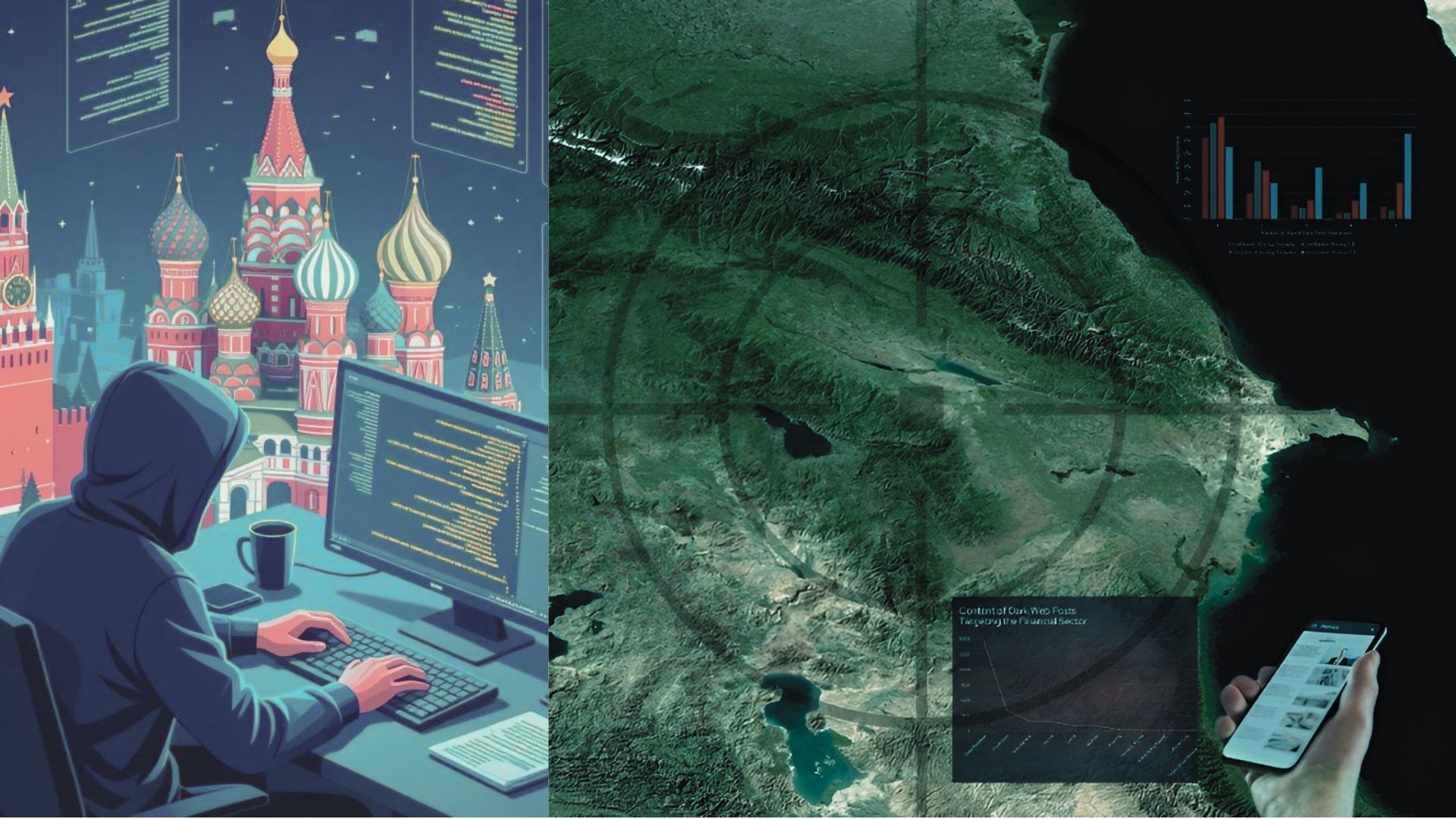
In recent times, and especially today, much has been said and written about developments in Azerbaijan’s information space: disinformation dumps, scandals and hybrid threats. Media outlets and channels speak of a hybrid attack against the country, of traces leading to Moscow, says in BakinskiyBurila, a telegram channel publishes in Russian. The channel reports that yet two key points must be noted:
First, this did not begin today. This is not merely an attack; it is a war, hybrid and propagandistic, and it has been waged for quite some time. Second, the stronger and more independent Azerbaijan becomes in its decision-making, the more those inclined to exert underhanded and malicious pressure on Baku will emerge.
To understand this, one must look more broadly at developments in Azerbaijani–Russian relations.
The crisis surrounding the AZAL passenger aircraft became a trigger, after which Moscow’s attitude towards Baku, no longer pragmatic and clear, but ambiguous, Soviet in tone and, if one may say so directly, colonial, began to be displayed openly and on a daily basis. Where are those held accountable? Where are the compensations paid? The criminal case against the individual who gave the order to shoot down a civilian passenger aircraft was ultimately discontinued.
Perhaps Moscow assumed that Baku would swallow this and remain silent. If so, Russia was met with several unpleasant surprises: the Aliyev–Pashinyan meetings in Abu Dhabi, the TRIPP project and the initialling of a peace agreement in Washington, the strengthening of relations between Azerbaijan and the United States, and moreover, the constructive personal rapport between President Ilham Aliyev and President Donald Trump.
Subsequently, JD Vance visited the region, which was another blow to Moscow’s sense of pride. It was described as an effective and productive visit, again undermining Moscow’s expectations.
More recently, further setbacks were delivered to those dreaming of a “revival of the USSR”. First, Ruben Vardanyan, sent from Moscow to Karabakh, received a 20-year prison sentence. And today, in Washington, a Peace Council summit is taking place, with the President of Azerbaijan participating.
Analysts around the world frequently comment on processes in the South Caucasus by saying that “Russia has been pushed out of the region”. What they fail to clarify is that Russia was not pushed out; it pushed itself out through its own attitude, behaviour and actions. These are not the 1930s, the 1970s or the 1990s. The world has changed. Azerbaijan has changed and Russia even more so.
As for that attitude, consider the example of Ruben Vardanyan. How and why did he suddenly appear in Karabakh? The tales of a visionary who allegedly renounced his Russian passport and travelled not even to Armenia but to a separatist entity for the sake of “an idea and a future” can be left to children who believe in Father Christmas and pink ponies. Moreover, the separatist stirrings in Karabakh, followed by internal political developments in Armenia, clearly demonstrated that there were significant plans for Vardanyan.
Looking back from 2026, it appears evident that he was meant to build political capital in Karabakh before relocating to Armenia to “save the nation”, effectively replicating the career trajectory of two other figures, Serzh Sargsyan and Robert Kocharyan, whose ties with Russia were notably close. Vardanyan is now in prison. His “predecessors”, including Arayik Harutyunyan, Bako Sahakyan and Arkadi Ghukasyan, are likewise detained. The Armenian threat, fuelled from Moscow, has been fully neutralised.
The same applies to the threats Russia allegedly sought to cultivate in Baku itself. The premises once occupied by the so-called “Russian House” in Baku, a vaguely defined institution that made little effort to conceal suspicions of intelligence activity, now house a fitness centre. The activities of the Baku office of the outlet Sputnik were also curtailed swiftly and decisively. These episodes form part of the chain of events after which Moscow allegedly launched a large-scale hybrid campaign against Baku.
This time, the activity has reportedly shifted to Europe: through networks of influence, through various politicians in the Parliamentary Assembly of the Council of Europe and in Brussels more broadly, and through Azerbaijani radical opposition figures residing in Germany and other EU states. Notably, many of them appeared to become active almost simultaneously, reviving blogs, websites and social media platforms.
Here we are to serve you with news right now. It does not cost much, but worth your attention.
Choose to support open, independent, quality journalism and subscribe on a monthly basis.
By subscribing to our online newspaper, you can have full digital access to all news, analysis, and much more.
You can also follow AzerNEWS on Twitter @AzerNewsAz or Facebook @AzerNewsNewspaper
Thank you!