
Why France keeps choosing tension over stability in South Caucasus
By AzerNEWS Staff
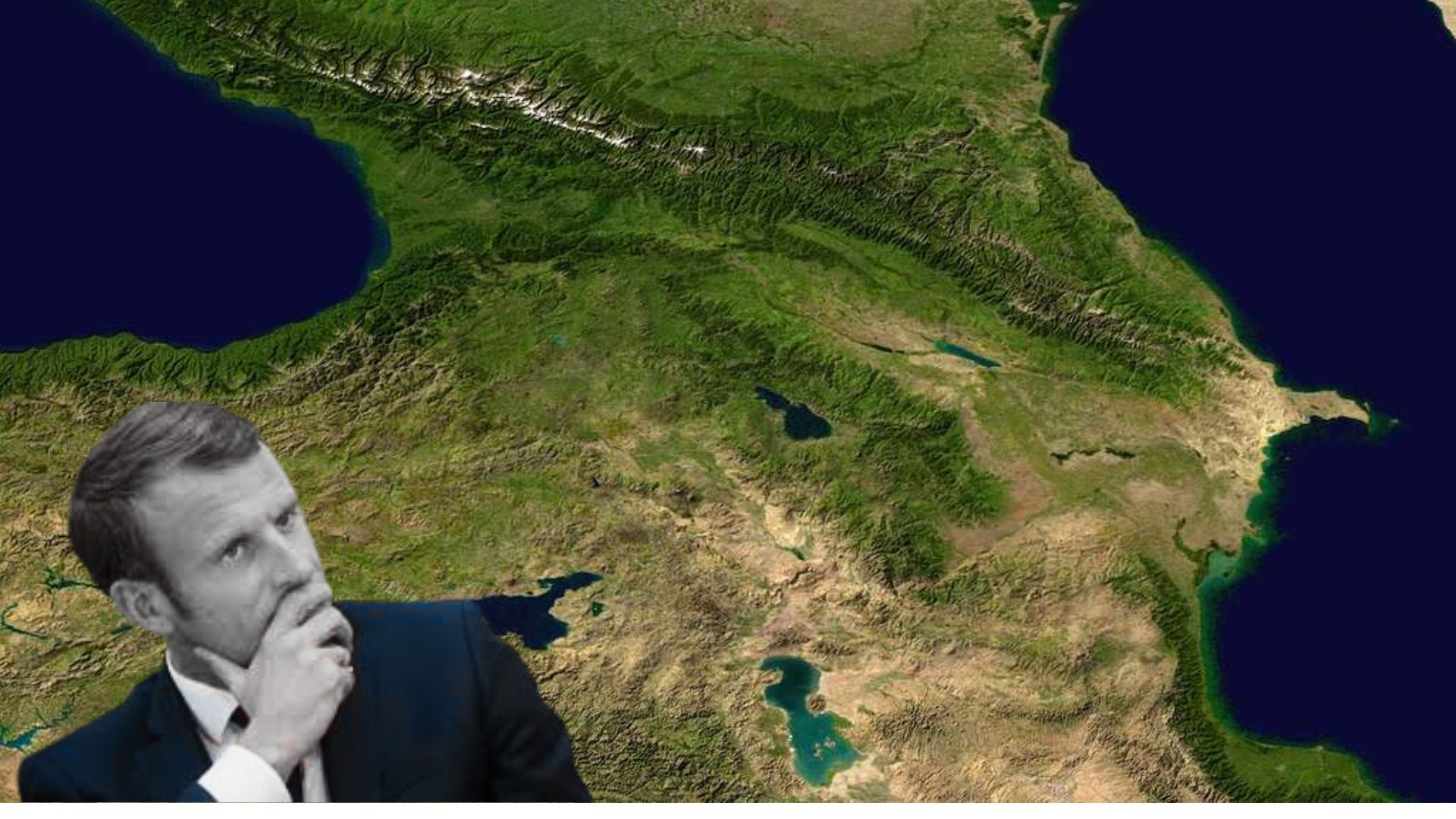
At a time when Azerbaijan’s judicial process concerning individuals accused of war crimes and crimes against humanity has entered its decisive phase, especially, with evidence examined, witness testimonies heard, and facts publicly disclosed, France’s National Assembly has chosen confrontation over restraint. The adoption of yet another one-sided resolution is not a coincidence, nor is it an isolated incident. It is, unfortunately, part of a broader pattern that exposes Paris’s unwillingness to accept post-conflict realities in the South Caucasus.
The question therefore arises: why France?
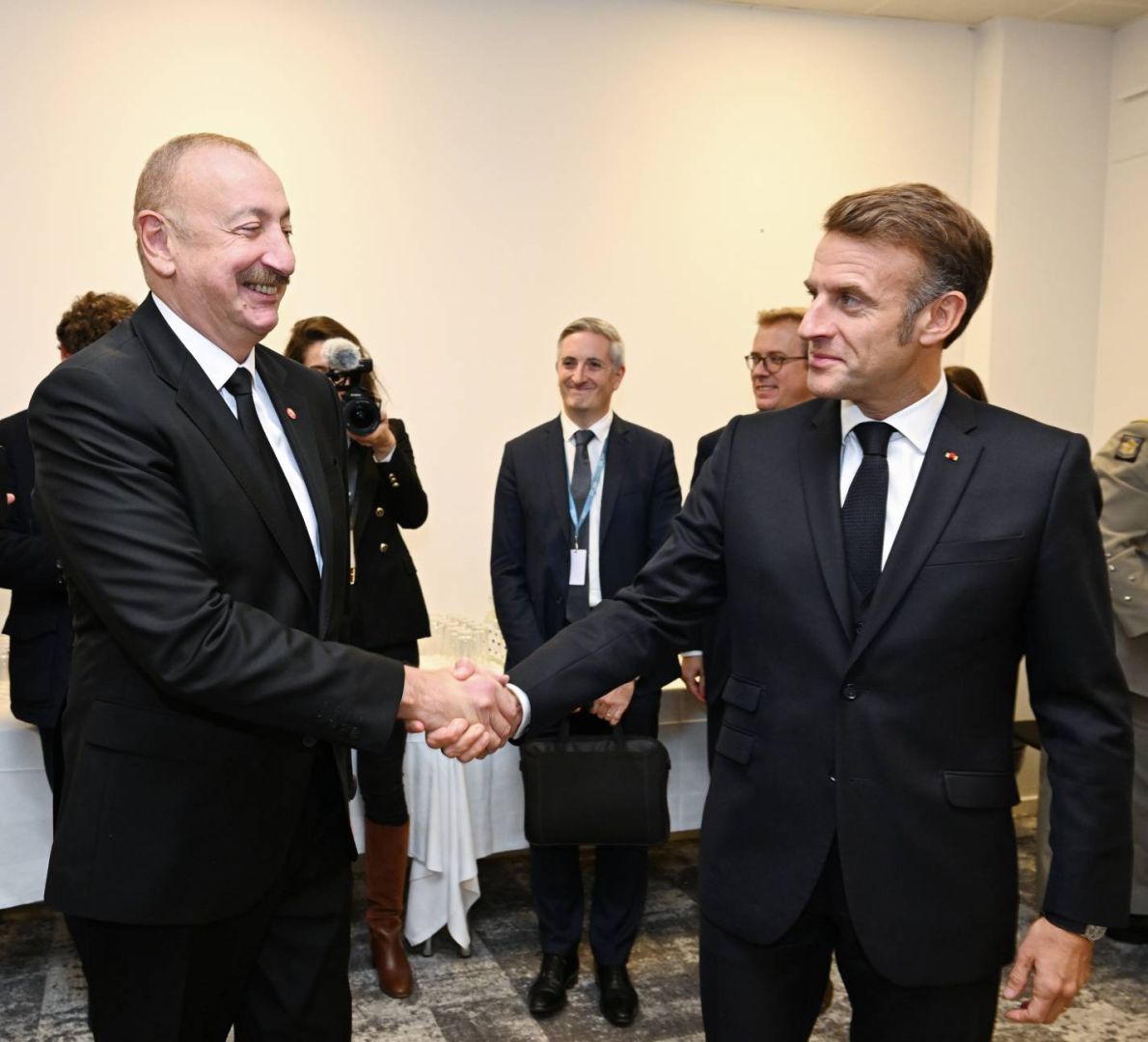
Only months earlier, in October 2025, President Emmanuel Macron personally approached President Ilham Aliyev on the margins of the 7th European Political Community Summit in Copenhagen, requesting steps towards easing tensions and restoring bilateral relations. That appeal, presented as diplomatic goodwill, now rings hollow. The subsequent actions of the French political establishment suggest that Macron’s overture was less about reconciliation and more about tactical optics.
This contradiction illustrates a recurring feature of French foreign policy under Macron: rhetorical engagement paired with practical obstruction. While Paris speaks the language of peace, its policies consistently undermine the very processes that could stabilise the region.
France’s posture towards Azerbaijan has hardened noticeably since the end of the Armenia–Azerbaijan conflict. Instead of supporting post-war normalisation, Paris has aligned itself with revanchist narratives in Armenian politics, elevating emotion over international law. French lawmakers have repeatedly ignored UN Security Council resolutions affirming Azerbaijan’s territorial integrity, choosing instead to politicise humanitarian concerns while remaining silent on decades of occupation, ethnic cleansing, and the destruction of Azerbaijani cultural heritage.
This bias is not merely symbolic. France has openly supported Armenia’s rearmament, supplied military equipment, and encouraged Yerevan to resist compromise at critical stages of the peace process. Such actions directly contradict France’s self-declared role as a mediator and seriously call into question its credibility within international diplomatic frameworks.
More troubling still is France’s apparent determination to disrupt broader geopolitical alignments. By pursuing an antagonistic line against Baku, Paris risks undermining US-led peace initiatives in the South Caucasus and obstructing the region’s growing engagement with the European Union and NATO. This is not diplomacy; it is strategic sabotage.
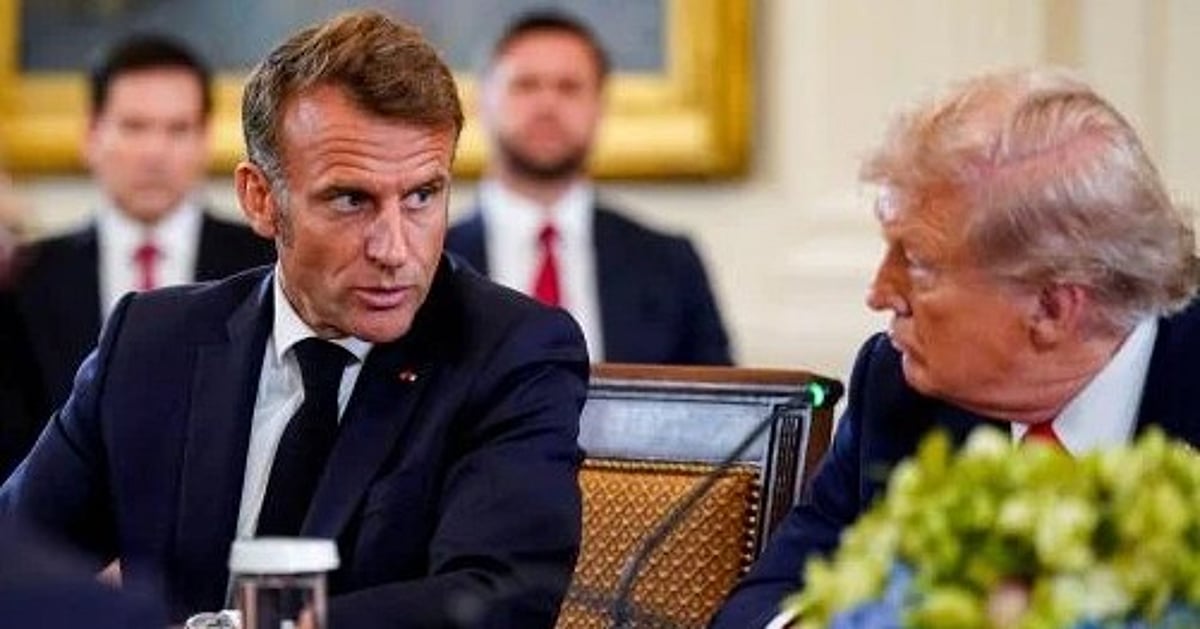
The background to this behaviour lies partly in France’s strained relationship with Washington. The public polemics between French and US leaders, followed by Macron’s repeated criticism by US President Donald Trump, were not trivial episodes. They reflected a deeper frustration within the Macron administration: France’s systematic exclusion from major US-driven geopolitical projects.
From energy corridors to regional security frameworks, Paris has found itself sidelined. Unable to shape outcomes through leadership, Macron has instead resorted to obstruction. The South Caucasus has become one of the arenas where this frustration is most visibly projected.
History supports this assessment. In the immediate aftermath of the war, France repeatedly attempted to stall diplomatic progress, advocating for formats that preserved old power balances rather than accepting new realities. It resisted initiatives aimed at opening transport links, delayed confidence-building measures, and amplified narratives that kept the conflict politically alive long after it had ended militarily.
Despite its ambitions to position itself as Europe’s strategic heavyweight, France has consistently failed to translate rhetoric into effective leadership. In the South Caucasus, this failure manifests as a preference for tension over transformation.
By adopting biased resolutions at a sensitive judicial moment, France sends a clear signal: it is not interested in justice, nor in regional stability. Instead, it seeks leverage, influence, and relevance, even at the cost of peace.
For Azerbaijan, the lesson is unmistakable. Sustainable peace in the South Caucasus will not be achieved through selective morality or parliamentary theatre in Paris. It will be built through respect for international law, recognition of sovereignty, and support for legal accountability; principles that France increasingly invokes in theory, but undermines in practice.
Here we are to serve you with news right now. It does not cost much, but worth your attention.
Choose to support open, independent, quality journalism and subscribe on a monthly basis.
By subscribing to our online newspaper, you can have full digital access to all news, analysis, and much more.
You can also follow AzerNEWS on Twitter @AzerNewsAz or Facebook @AzerNewsNewspaper
Thank you!