
Green energy and geopolitics: logic behind Azerbaijan-UAE cooperation

Qabil Ashirov
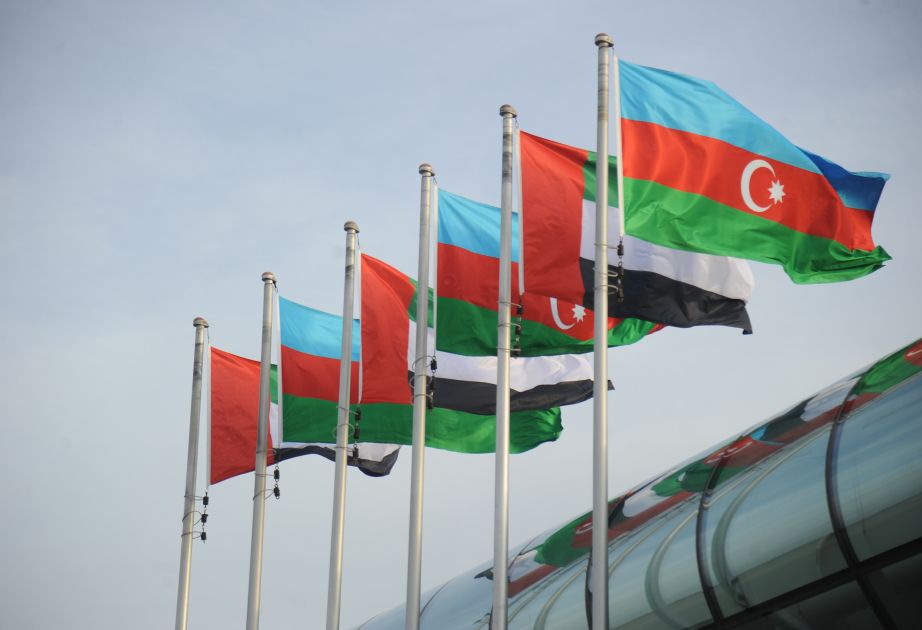
Read moreAzerbaijan and the United Arab Emirates are bound together by a range of shared characteristics: both are globally known hydrocarbon producers, both are Muslim-majority societies, and both emphasize multiculturalism, tolerance, and coexistence as core elements of their national identity. These commonalities are not merely symbolic. They have laid a strong foundation for a relationship that is steadily deepening and evolving into one of Azerbaijan’s most important strategic partnerships.
What is particularly notable about the growing closeness between Azerbaijan and the UAE is that it is no longer confined to high-level political dialogue or ceremonial visits by officials. Instead, this relationship is increasingly spreading “from the top to the bottom,” becoming broader, more structural, and more sustainable. Official data shared by state institutions clearly supports this assessment. Year after year, the number of mutual tourist visits is rising, bilateral trade volumes are expanding, and investment flows are becoming more diversified and substantial.
At the same time, Azerbaijan is pursuing a deliberate policy of reducing its dependence on oil and gas revenues by diversifying its non-oil sector. In this process, the UAE has emerged as an increasingly important partner. The importance of the UAE lies not only in its financial capacity, but also in its experience. The Emirates represent a successful model of economic diversification, logistics development, and global trade integration—areas where Azerbaijan seeks to accelerate its own progress. Moreover, the UAE plays a meaningful role in helping Azerbaijan expand its export geography. For several years now, Azerbaijani companies, particularly those operating in the food production and agricultural sectors, have been taking concrete steps to enter the Emirati market.
All these developments indicate that the UAE has effectively become one of Azerbaijan’s closest partners, with bilateral relations now carrying a clear strategic character. The reciprocal visits by the heads of state have further strengthened this partnership. The UAE President’s visits to Baku and Shusha, as well as the Azerbaijani President’s ongoing engagement with the Emirates, are not merely diplomatic gestures; they are political signals underscoring long-term commitment and mutual trust.
Trade figures further illustrate the rapid pace of this partnership. While in 2022 the UAE was not among the top ten destinations for Azerbaijan’s non-oil and non-gas exports, the picture changed significantly in subsequent years. By 2024, the UAE ranked 10th with imports of Azerbaijani non-oil products worth $54 million. In 2025, this figure more than doubled to $113 million, pushing the UAE to 6th place among Azerbaijan’s export destinations. Similarly, total trade turnover between the two countries grew from $96.8 million in 2024 to approximately $182 million in 2025—nearly a twofold increase in just one year.
Perhaps the most visible and strategically significant area of cooperation today is the green energy sector. UAE companies, particularly Masdar, have become key players in Azerbaijan’s renewable energy transformation. Masdar’s first and most important project in Azerbaijan is the Garadagh Solar Power Plant. With a capacity of 230 MW, this facility is the country’s first large-scale solar power project implemented through foreign investment. The plant generates approximately 500 million kilowatt-hours of electricity annually and contributes to a reduction of more than 200,000 tons of carbon emissions each year.
Masdar’s engagement does not stop there. The company is currently expanding Azerbaijan’s solar energy capacity through the construction of two additional power plants: a 445 MW facility in the Bilasuvar district and a 315 MW plant in the Neftchala district. Once commissioned, these projects will significantly increase Azerbaijan’s renewable energy output and support the country’s broader goal of transitioning toward a greener and more sustainable energy mix.
Another important, though less discussed, dimension of Azerbaijan–UAE cooperation is the defense sector. Both countries prioritize mutual respect, recognition of territorial integrity, and non-interference in their foreign policy doctrines. Neither Azerbaijan nor the UAE pursues irredentist policies against their neighbors. However, the realities of their respective regions impose a hard truth: in an unstable geopolitical environment, peace often requires preparedness.
In regions like the South Caucasus and the Middle East, the principle of “if you want peace, be ready for war” still holds considerable relevance. Consequently, both Azerbaijan and the UAE are focused on strengthening the material and technical capabilities of their armed forces. Recent joint military exercises between the two countries serve as clear evidence of this approach.
Traditionally, Azerbaijan has conducted most of its joint military drills with its closest strategic ally, Türkiye. On certain occasions, third countries—such as Pakistan or Georgia, both of which are also considered strategic partners—have participated in these exercises. Against this backdrop, Azerbaijan’s decision to hold joint military exercises with the UAE is particularly significant. It reflects the high level of trust between the two states and demonstrates the value they attach to one another.
These joint drills contribute to building operational coordination between the armed forces of Azerbaijan and the UAE, enhance mutual capabilities, and serve as a powerful symbol of partnership and brotherhood. Taken together, developments in trade, energy, investment, tourism, and defense clearly show that Azerbaijan–UAE relations have moved beyond cooperation and into the realm of genuine strategic alignment.
Here we are to serve you with news right now. It does not cost much, but worth your attention.
Choose to support open, independent, quality journalism and subscribe on a monthly basis.
By subscribing to our online newspaper, you can have full digital access to all news, analysis, and much more.
You can also follow AzerNEWS on Twitter @AzerNewsAz or Facebook @AzerNewsNewspaper
Thank you!