
What Azerbaijan’s trials tell us about unfinished wars and forgotten victims
Elnur Enveroglu
Read moreWars usually end with maps redrawn and statements signed. Justice is often left behind. Those responsible for mass killings fade into exile or silence, protected by time, politics, or selective memory. This is why what Azerbaijan has done after restoring its territorial integrity deserves serious attention, even from critics who remain sceptical of Baku’s broader politics.
Azerbaijan has not only restored full sovereignty over its internationally recognised territory. It has also brought individuals accused of crimes against humanity and war crimes before a court of law. In modern conflicts, this combination is unusual. Most states manage one or the other. Very few manage both.
President Aliyev showed a level of political resolve that is rarely sustained once a war ends. Before the conflict, he publicly stated that those responsible for the Khojaly massacre and other crimes against Azerbaijani civilians would face justice. This was not framed as rhetoric for wartime morale. It was a promise. That promise has now been acted upon.
Azerbaijan stands out in contemporary history because it achieved this without foreign military assistance, despite sustained political pressure from abroad. Few states have restored territorial integrity through their own means while resisting external demands to abandon judicial accountability. In this sense, the trials are not simply legal proceedings. They are political statements about sovereignty and responsibility.
International experience shows how rare this is. Many wars end with peace deals that trade justice for stability. The result is unfinished conflict. Criminals walk free while victims are told to move on. This has happened repeatedly, from Africa to the Middle East. The absence of accountability leaves wounds open and fuels future violence.
There are partial exceptions. Israel pursued Nazi criminals decades after the Second World War, tracking some across continents. This effort became a moral cornerstone of the post war order, even though many perpetrators were never caught. In the former Yugoslavia, some war criminals were prosecuted, but only through broad international pressure and multilateral institutions. Even then, justice was selective and incomplete.
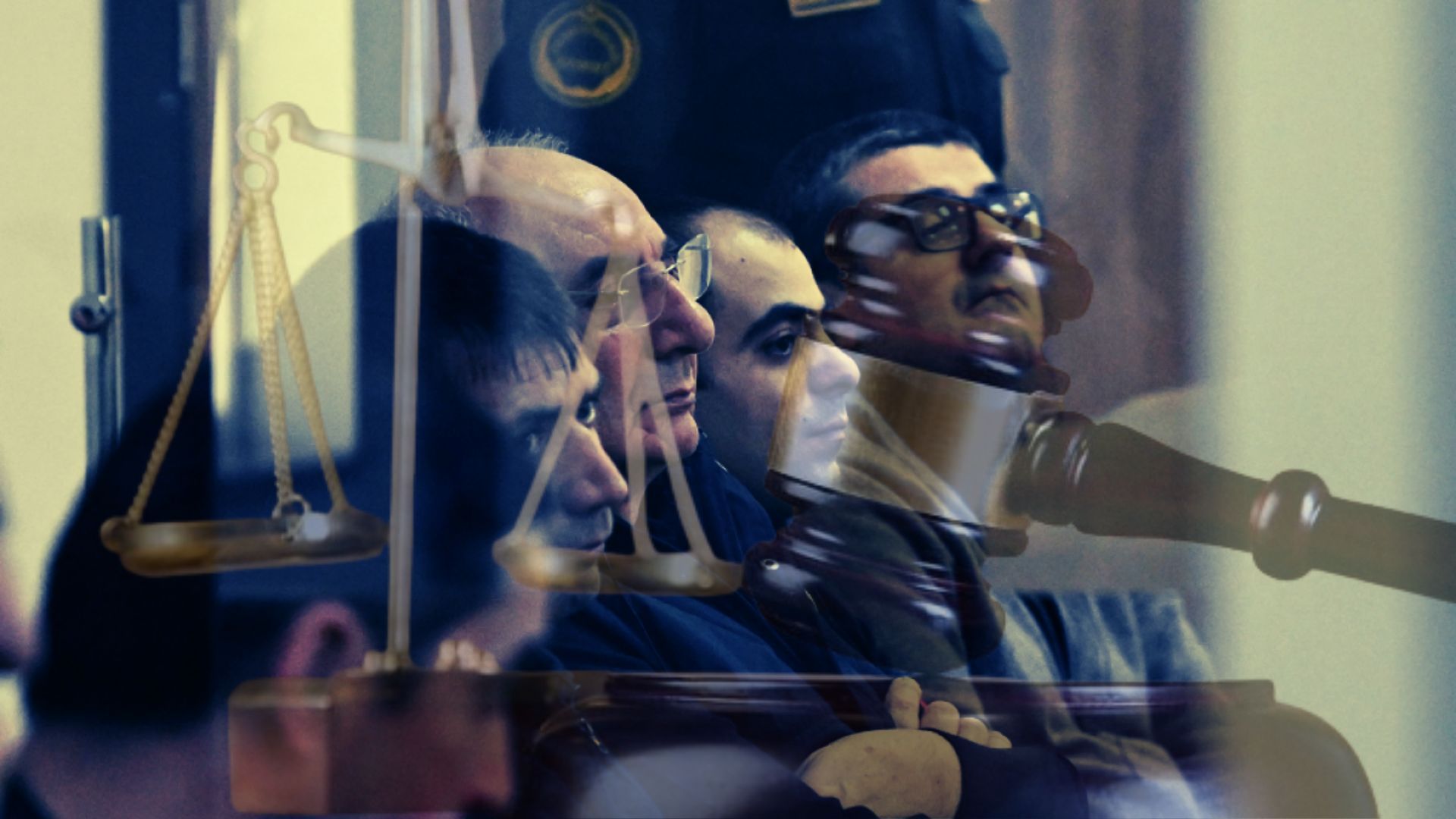
Azerbaijan’s approach is different. The judicial process is domestic, public, and based on direct evidence. Court hearings have revealed testimony, documents, and confessions that challenge long standing narratives about the Garabagh conflict. Statements made during the trial confirmed that the armed formations of the so called regime were not independent forces. They were integrated into the Armenian military system, with appointments approved in Yerevan and logistics organised through Armenia’s defence structures.
One of the defendants openly acknowledged that the armed units presented as local forces were in fact the largest military formation of the Armenian army in the occupied territories. Footage and testimony presented in court also showed the direct involvement of senior figures such as Arayik Harutyunyan and Bako Sahakyan in military operations, including the occupation of Shusha.
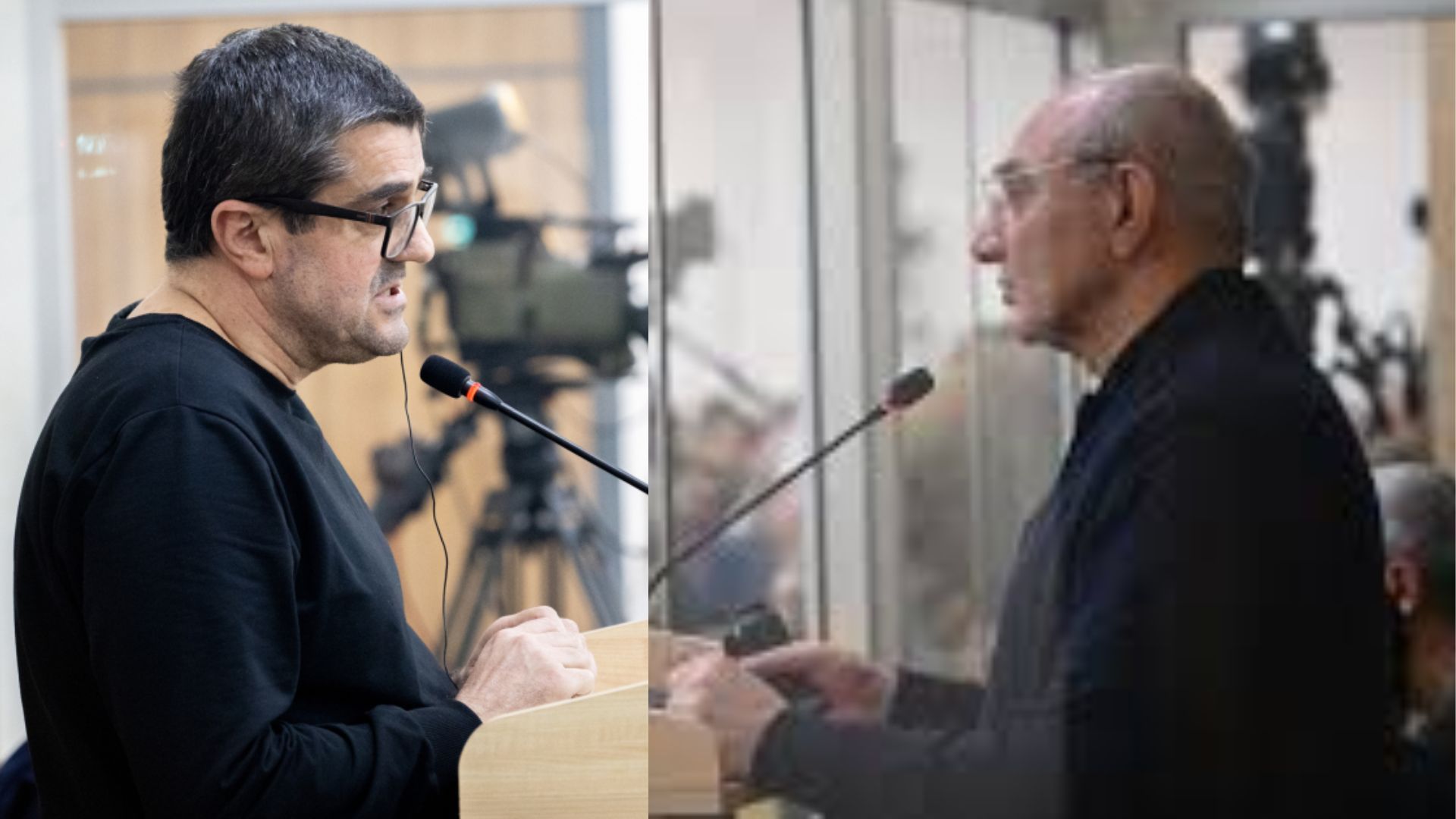
The trial has also exposed how a fabricated political structure was used to conceal an occupation policy. The so called regime functioned as an administrative tool, not a sovereign actor. Its leaders were executors of a broader state strategy, not independent decision makers.
More broadly, the proceedings have reinforced the case for Armenia’s state responsibility for crimes committed during the occupation. Evidence presented in open court has addressed mass killings, forced displacement, urbicide, and environmental destruction. These are not abstract accusations. They are supported by witness accounts, forensic material, and admissions by the accused.
There was strong external pressure on Azerbaijan to halt or soften this judicial process. It failed. President Aliyev’s position did not shift. This matters because it sets a precedent. Justice does not have to be outsourced or postponed indefinitely. It can be pursued by states that are willing to absorb diplomatic costs.
Holding perpetrators of crimes against humanity accountable is not an act of revenge. It is the minimum condition for a just peace. Azerbaijan’s post war legal process offers a model that many conflicts lack. It suggests that sovereignty, accountability, and justice do not have to cancel each other out.
The international community often demands reconciliation without reckoning. History shows that this approach does not work. Justice delayed becomes justice denied. In this case, Azerbaijan chose a harder path. It chose to finish the war not only on the battlefield, but in the courtroom.
Here we are to serve you with news right now. It does not cost much, but worth your attention.
Choose to support open, independent, quality journalism and subscribe on a monthly basis.
By subscribing to our online newspaper, you can have full digital access to all news, analysis, and much more.
You can also follow AzerNEWS on Twitter @AzerNewsAz or Facebook @AzerNewsNewspaper
Thank you!