
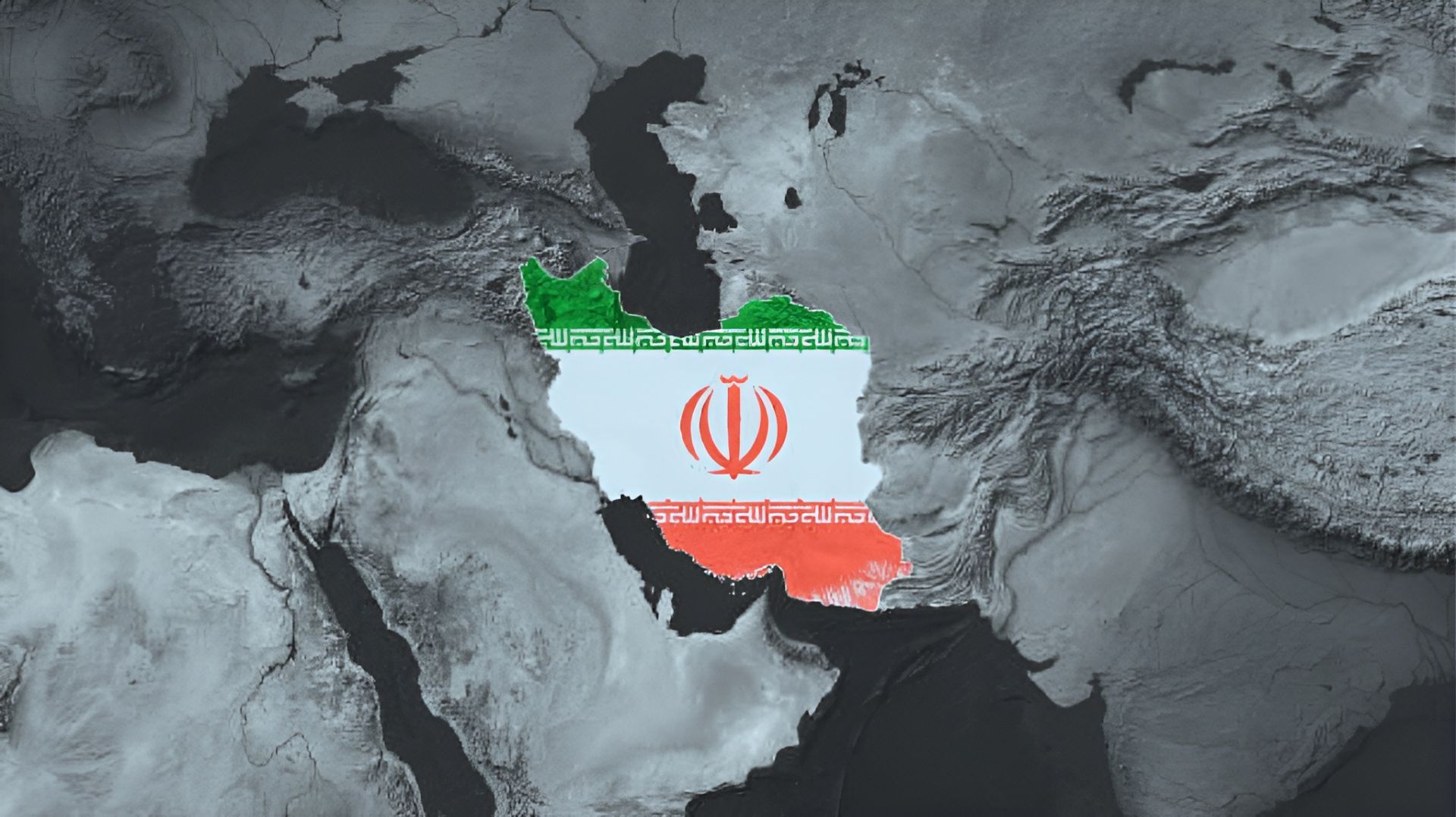
Unrest in Iran sparks international warnings and diplomatic moves
Qabil Ashirov
Read moreConflicting reports continue to circulate on the internet and in the media regarding the protests in Iran. Pro-government outlets insist that demonstrations have subsided and claim the situation is under control. Meanwhile, footage of a rally held in Tehran on the night of January 13 flooded social media, directly contradicting official narratives.
International reactions have further complicated the picture. On January 14, headlines reported that several regional countries, including Israel, privately urged the United States not to strike Iran, warning that military action or regime change could destabilise the region and disrupt global oil markets.
Canada has advised its citizens to avoid all travel to Iran and urged those already in the country to leave if possible. A day earlier, the United States issued a similar warning to its citizens, while France withdrew non-essential diplomatic staff. Some observers suggest these moves signal potential U.S. involvement in the unfolding crisis.
True to form, U.S. President Donald Trump shared a post encouraging demonstrators, hinting at support. Although he declined to clarify how Washington might assist, his remarks fueled speculation and raised expectations of regime change.
Since coming to power following the Islamic Revolution, Iran’s government has faced numerous mass demonstrations. The fall of strongmen such as Saddam Hussein, Muammar Gaddafi, Hosni Mubarak, Bashar al-Assad, and Ali Abdullah Saleh in the past decade has repeatedly raised hopes that Iran’s regime might also collapse. Yet each wave of protests has left expectations unfulfilled, frustrating those who anticipated change.
Speaking to Azernews, Sadig Isabeyli, Head of the Savalan Research Centre and member of the GAMAC Board of Directors, explained that an ideological regime relies on specific mechanisms to ensure continuity, primarily by masking internal discontent and shortcomings.
“Looking at the processes after 1979, when the Iranian regime was formed under the banner of the Islamic Revolution, we see that Khomeini’s first step was the creation of an ideological military force. Soon after, Hezbollah was established in Lebanon, followed by threats against Iraq. During the eight-year war with Saddam’s regime, many non-Persian youths—especially teenagers aged 14–18—were sent to the frontlines and forced into mine-clearing operations,” Isabeyli said.
He added that the regime later intensified its ideological propaganda. Branches of the Revolutionary Guards (Sepah Pasdaran) used technical and material resources to build networks and participate in major national projects. Under Ahmadinejad, they began to intervene directly in politics; previously, such interference had been indirect. As their influence grew, so did public discontent, sparking conflicts within institutions. Sepah also pushed for tighter control over citizens. Even today, the issue of compulsory hijab remains unresolved.
“Therefore, the claim that uprisings have not shaken the regime and will not do so in the future is incorrect. Like other dictatorships, this regime has begun to decay from within, and the signs are visible across all spheres. Ideologically, people no longer accept the narratives promoted by the regime. Assistance to Lebanon and Hezbollah, rooted in sectarianism, is also rejected by the public. The voice saying ‘Enough, leave us alone’ is growing stronger,” Isabeyli emphasised.
He noted that politically, protests have intensified. Former President Hassan Rouhani repeatedly stressed that armed groups cannot build a parallel state or monopolise media and resources. Yet the regime’s internal problems are accelerating its collapse. According to Isabeyli, the notion that protests or foreign intervention cannot shake the regime is unfounded. From any perspective, the regime is crumbling ideologically, politically, and socially due to its oppression of citizens. Internal dialogue is no longer possible.
“Such regimes suffer heavy blows in any crisis. Some may argue it is not collapsing, but the facts suggest otherwise: within two days, 12,000 people were killed. Internet and electricity were cut off, phone connections severed. Research indicates the death toll may be between 20,000 and 25,000, though this has not yet been fully proven. However, the killing of 12,000 people is already confirmed. If a regime attacks its own citizens so brutally—killing even children protesting alongside their fathers, using high-calibre weapons such as Kalashnikovs—it reveals its true nature. Witnesses claim that bullets not only kill but also tear bodies apart. This is a regime that has no tolerance and refuses to provide any conditions for its people,” Isabeyli concluded.
Here we are to serve you with news right now. It does not cost much, but worth your attention.
Choose to support open, independent, quality journalism and subscribe on a monthly basis.
By subscribing to our online newspaper, you can have full digital access to all news, analysis, and much more.
You can also follow AzerNEWS on Twitter @AzerNewsAz or Facebook @AzerNewsNewspaper
Thank you!