
Baku moving beyond infrastructure expansion toward sustainable mobility

AzerNEWS Staff
Read moreIn an era of rapid urbanization and mounting pressure on city infrastructure, transport systems have become a defining factor of economic competitiveness, environmental sustainability, and social well-being. Baku, Azerbaijan’s capital and largest metropolitan center, stands at a critical juncture in redefining its urban mobility model. The launch of the State Program on the Improvement of Transport Infrastructure for 2025–2030, aligned with the General Plan of Baku City (2020–2040), marks a strategic shift from fragmented infrastructure expansion toward an integrated, sustainable transport ecosystem.
This transformation also comes at a time when Baku is preparing to host a major global urban policy event. In 2026, the city will host the 13th World Urban Forum (WUF13), the United Nations’ flagship platform for sustainable urban development, placing Azerbaijan’s capital under international scrutiny and elevating the strategic importance of its transport and urban reforms.
Since 2003, Azerbaijan has invested heavily in transport infrastructure across all modes. Nationwide, more than 20,767 kilometers of roads, 335 bridges, 45 tunnels, and 163 pedestrian crossings have been constructed. Rail transport has expanded through 1,562 kilometers of new lines, the rehabilitation of 1,906 kilometers, and the acquisition of modern rolling stock.
In Baku, the metro network grew from 30 km to 41 km, with seven new stations and one depot, while annual passenger numbers increased from 137 million to 230 million over the past two decades. Public bus transport was modernized through the delivery of more than 1,300 buses and electric buses to BakuBus LLC. Meanwhile, Azerbaijan’s aviation sector strengthened its role as a regional hub with the commissioning of Fuzuli, Zangilan, and Lachin international airports, and plans to increase the annual capacity of Heydar Aliyev International Airport to 20 million passengers.
However, these impressive figures also reveal a critical limitation: infrastructure supply has struggled to keep pace with rising demand. Rapid population growth, suburban expansion, and increased private car ownership have placed sustained pressure on Baku’s transport network, turning congestion into a structural rather than temporary problem.
The scale of the challenge was openly acknowledged by President Ilham Aliyev in a recent interview with local media. Speaking candidly, the President noted that despite the construction of around 50 tunnels, nearly 50 bridges, and 2,500 kilometers of roads within Baku, traffic congestion remains a serious issue.
“Traffic is a really serious problem today… During my term of office, seven metro stations have been built, but this is not enough,” the President stated, announcing plans for the construction of 10 additional metro stations, alongside new bridges and tunnels.
Importantly, the President linked transport investment to broader fiscal and strategic priorities, noting that attracting financing for urban infrastructure would allow state resources to be redirected toward the reconstruction of Garabagh. This framing underscores a growing emphasis on efficient capital allocation and long-term economic planning, rather than unlimited expansion of road infrastructure.
The State Program for 2025–2030 represents a paradigm shift in urban transport policy. Instead of prioritizing road expansion, the focus is on building a multimodal mobility system that reduces dependence on private vehicles. This approach aligns Baku with global urban trends, where mobility is understood as a complex interaction of economic productivity, environmental sustainability, social inclusion, and digital innovation.
A central target of the program is to increase the share of public transport to 40% of all passenger movement, a goal that, if achieved, would significantly alter commuting behavior in the capital.
What are the strategic priorities of the State Program?
At the core of the State Program on the Improvement of Transport Infrastructure for 2025–2030 lies a clear policy objective: to move Baku away from car-dependent urban mobility toward a sustainable, integrated, and people-centered transport system. To achieve this, the program defines several interrelated strategic priorities.
How will public transport capacity be expanded and integrated? - The expansion of public transport infrastructure is the program’s primary pillar. Particular emphasis is placed on the metro system, which is expected to serve as the backbone of urban mobility. Plans include the construction of 10 new metro stations, the development of additional depots, and the optimization of existing stations to improve passenger flow and operational efficiency.
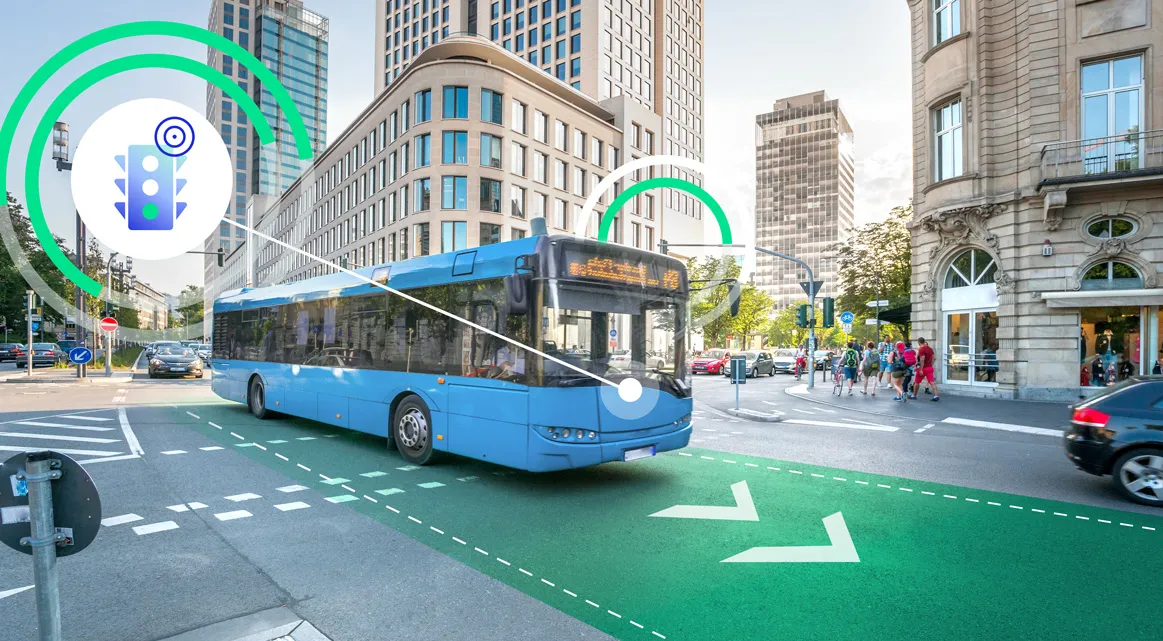
Beyond the metro, the program prioritizes the integration of bus, rail, and future rapid transit systems through dedicated bus lanes and modern transport interchange hubs. This integrated approach aims to increase the speed, reliability, and attractiveness of public transport, with the strategic goal of raising its share to 40% of total passenger movement. Achieving this target would significantly reduce road congestion and the environmental burden caused by private vehicle use.
How does the program address alternative and micromobility solutions? - Recognizing that not all urban trips require large-scale transport systems, the State Program actively promotes micromobility options, including bicycles, e-scooters, and other small electric vehicles. The expansion of dedicated lanes and parking infrastructure is intended to encourage short-distance travel without cars.
This policy reflects global urban mobility trends, where micromobility is increasingly viewed as a cost-effective tool to reduce congestion, lower emissions, and improve first- and last-mile connectivity to public transport networks.
What role does pedestrian infrastructure play in the new mobility model? Another key priority is the transformation of Baku into a more walkable city. The program предусматривает the creation of pedestrian zones, modernization of crossings, and improvement of sidewalks, making walking a safer and more attractive option for daily movement.
From an economic and social perspective, pedestrian-oriented urban design reduces short car trips, enhances public safety, and contributes to healthier lifestyles. International experience shows that walkable cities also tend to have stronger local economies and higher quality of urban life.
How is environmental sustainability integrated into transport planning? - Environmental considerations form a central component of the program. The gradual transition to electric buses, supported by the construction of depots equipped with charging infrastructure, aims to reduce emissions from public transport and improve air quality.
By prioritizing electrification, Baku aligns its transport policy with broader climate and sustainability goals, signaling a shift toward green urban infrastructure that supports long-term environmental resilience.
What is the role of digital technologies in the State Program? - Digitalization is one of the defining features of the program. The introduction of a single digital payment system for all public transport modes is expected to simplify commuting and encourage greater use of public transport.
In parallel, smart traffic management systems and data-driven planning tools will enable more efficient coordination of transport services, improved traffic flow, and better long-term infrastructure planning. In this sense, technology is positioned not merely as a convenience but as a strategic instrument for managing urban mobility complexity.
WUF13 and the international dimension of Baku’s transport reforms
The relevance of these reforms is heightened by Baku’s role as host of the 13th World Urban Forum (WUF13), scheduled to take place from May 17 to 22, 2026. The forum will be jointly organized by the Government of Azerbaijan and the UN-HABITAT Program of the United Nations, and is expected to bring together representatives from governments, municipalities, the private sector, civil society, youth and academic circles, and international organizations from around the world.
As the UN’s premier global conference on sustainable urban development, WUF13 places transport, mobility, and urban sustainability at the center of international dialogue. For Baku, this event acts as both an opportunity and a benchmark. Progress in metro expansion, public transport integration, pedestrianization, green mobility, and digital transport solutions will inevitably be assessed against global best practices and the objectives of the UN New Urban Agenda.
In this context, Baku’s transport reforms transcend domestic policy considerations and become part of the city’s international positioning and urban diplomacy. Successful implementation of the State Program ahead of WUF13 would allow Baku to present itself not merely as a host city, but as an emerging regional model for sustainable urban mobility.
If successfully implemented, the program is expected to reduce traffic accidents, increase public transport usage, and lower emissions. Beyond mobility, an efficient transport system will support economic productivity, social inclusion, and urban resilience, enhancing Baku’s attractiveness as a modern, globally connected city.
Baku’s transport transformation reflects a broader evolution in urban policy from building roads to building systems. The 2025–2030 State Program, reinforced by the city’s role as host of WUF13 in 2026, provides a strategic framework for addressing congestion while aligning transport development with environmental and economic priorities. The success of this transformation will depend on disciplined implementation, innovative financing, and strong institutional coordination. If achieved, Baku will not only improve the daily lives of its residents but also strengthen its position on the global urban map as a forward-looking, sustainable metropolis.
Here we are to serve you with news right now. It does not cost much, but worth your attention.
Choose to support open, independent, quality journalism and subscribe on a monthly basis.
By subscribing to our online newspaper, you can have full digital access to all news, analysis, and much more.
You can also follow AzerNEWS on Twitter @AzerNewsAz or Facebook @AzerNewsNewspaper
Thank you!