Azerbaijan’s agriculture expands role in non‑oil exports
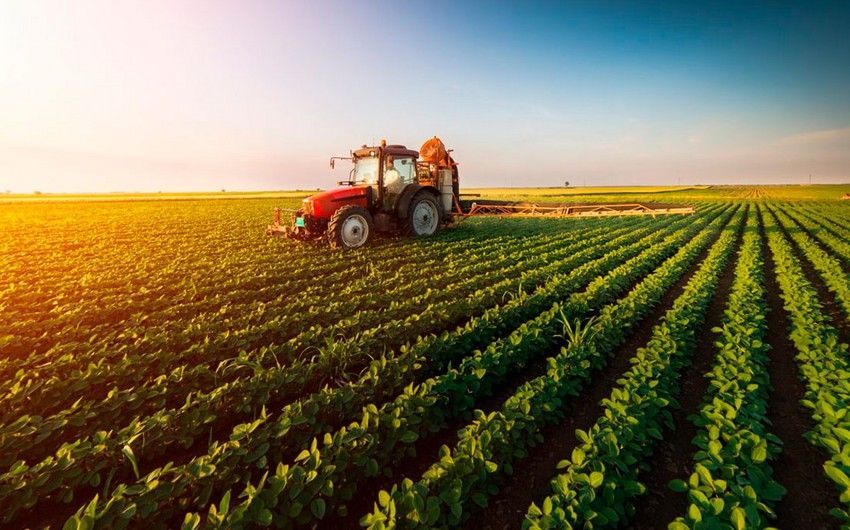
Azerbaijan’s agricultural sector, particularly fruit and vegetable production, has demonstrated remarkable progress in recent years. This branch of the economy is steadily increasing its importance within the country’s non‑oil exports, reflecting both rising production capacity and growing competitiveness in international markets. According to official data from the State Customs Committee, between January and November 2025 Azerbaijan exported 762,300 tons of fruits and vegetables. The total value of these exports reached 807.5 million US dollars. Compared with the same period of 2024, this represents a 25 percent increase in volume and a 28.6 percent rise in value. For reference, in the first eleven months of 2024, exports amounted to 610,000 tons worth 628 million dollars.
These figures illustrate the strengthening of Azerbaijan’s agricultural production base and the improvement of product quality in line with the requirements of foreign markets. Fruits and vegetables accounted for 3.45 percent of the country’s overall exports and 24.34 percent of non‑oil exports. This share highlights the growing role of agriculture in diversifying the national economy and reducing dependence on oil revenues.
The increase in both volume and value can be explained by several important factors. First, the introduction of modern farming methods has significantly boosted productivity. Improved irrigation systems, the use of advanced technologies, and the widespread adoption of high‑quality seeds have all contributed to higher yields and better product standards. Second, Azerbaijani farmers have increasingly focused on export‑oriented production. By cultivating crops that meet the specific demands of neighboring countries and other major markets, they have ensured that local produce remains competitive in terms of both quality and price.
Logistics and supply chain developments have also played a decisive role. Investments in cold storage facilities, modern transport infrastructure, and advanced packaging technologies have enabled products to reach international markets under optimal conditions. These improvements reduce losses, preserve freshness, and enhance the presentation of goods abroad. Importantly, such measures are supported by government initiatives. Farmers and agribusinesses receive training, subsidies, and technical assistance, which together promote sustainable growth and attract further investment into the sector.
The expansion of fruit and vegetable exports demonstrates Azerbaijan’s growing production capacity and the potential of its agrarian economy. The country’s diverse climate zones, fertile soils, and geographical proximity to regional markets provide natural advantages. These conditions allow Azerbaijan to position itself as a reliable supplier of high‑quality produce. Continuous innovation, adherence to international quality standards, and diversification of export destinations further strengthen the country’s reputation and contribute to economic resilience.
The government’s support programs are particularly noteworthy. Subsidies help farmers adopt modern technologies, while training initiatives ensure that agricultural workers are equipped with the skills needed to meet international standards. Technical assistance programs provide guidance on crop selection, pest management, and post‑harvest handling. Together, these measures create a favorable environment for long‑term growth.
The rise in exports also reflects the broader strategy of economic diversification. By increasing the share of non‑oil exports in overall trade, Azerbaijan is reducing its reliance on energy revenues and building a more balanced economy. Agriculture is emerging as one of the key drivers of this transformation. The sector not only generates foreign currency earnings but also supports rural development, employment, and food security.
In conclusion, the sharp increase in fruit and vegetable exports during the first eleven months of 2025 highlights the dynamism of Azerbaijan’s agricultural sector. With modern farming practices, infrastructure investments, and strong government support, farmers are well positioned for sustained growth. The sector’s expanding role in non‑oil exports underscores its importance as a pillar of economic diversification. Azerbaijan’s favorable natural conditions, combined with innovation and market orientation, ensure that the country will continue to strengthen its position as a reliable supplier of agricultural products to regional and global markets.
Here we are to serve you with news right now. It does not cost much, but worth your attention.
Choose to support open, independent, quality journalism and subscribe on a monthly basis.
By subscribing to our online newspaper, you can have full digital access to all news, analysis, and much more.
You can also follow AzerNEWS on Twitter @AzerNewsAz or Facebook @AzerNewsNewspaper
Thank you!