
Iran’s financial pyramid unravels, plunging the country into a historic crisis
By Farman Aydin
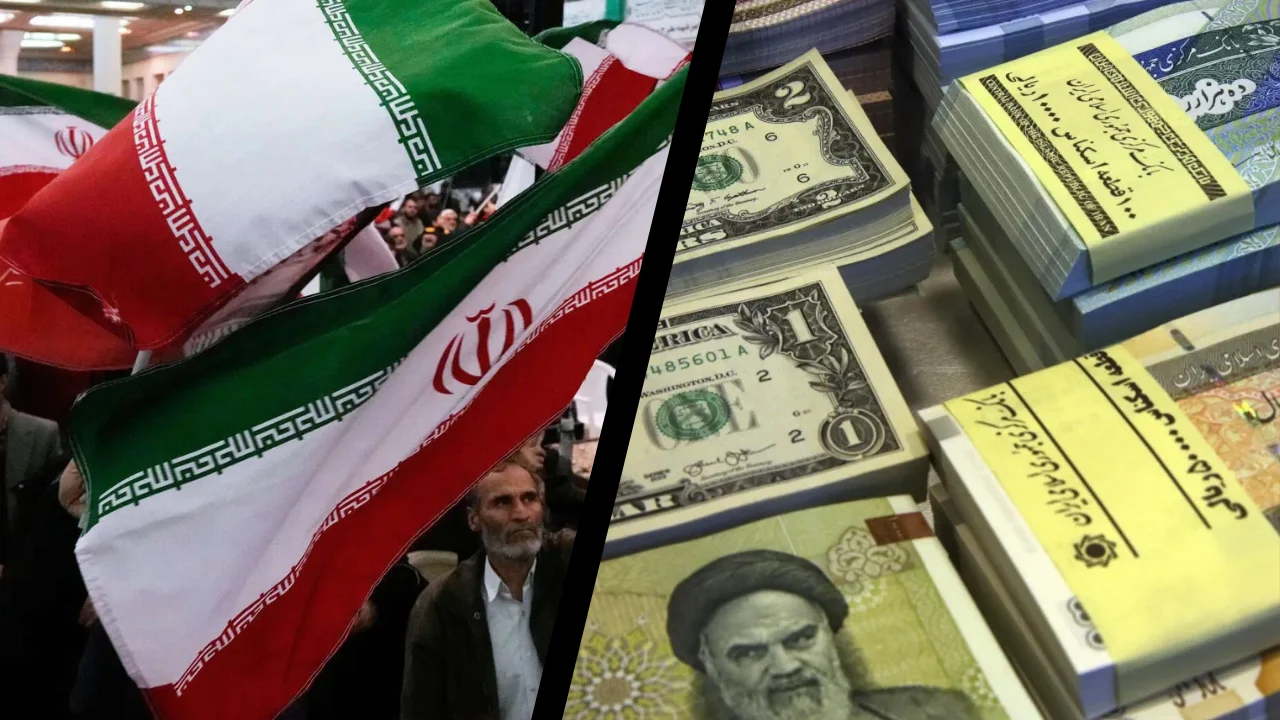
More than 2,500 people have been killed and over 16,000 arrested in Iran since late December 2025, according to the human rights group HRANA. The unrest erupted amid a sharp depreciation of the national currency, the rial, and a dramatic 72 per cent year-on-year increase in food prices, which has pushed millions of Iranians into acute economic hardship. Within just two weeks, protests initially focused on economic grievances evolved into widespread calls for the overthrow of the regime, marking the Islamic Republic’s most severe crisis since the 1979 revolution that toppled the Shah.
Analysts point to the collapse of the banking sector as one of the less visible but key triggers of the unrest. In October 2025, Ayandeh Bank, one of Iran’s largest private lenders, went bankrupt. Up to 97 per cent of its loans were delinquent, with a substantial portion of its capital tied up in the Iran Mall, a sprawling shopping center owned by the bank’s founder, Ali Ansari. According to The Wall Street Journal, the collapse of Ayandeh Bank, the result of a financial pyramid built over more than a decade and protected by political and religious networks, unleashed one of the largest waves of protests in the history of the Islamic Republic.
Ayandeh Bank was established in 2013 through the merger of three troubled credit institutions controlled by Ansari, a 63-year-old businessman from one of Iran’s wealthiest families. The bank’s largest borrower was the Iran Mall International Development Company, which received 135 separate loans totalling 97 trillion tomans ($9 billion) but had repaid only 25 trillion tomans ($2.3 billion). Iran Mall, opened in 2018, is the largest shopping complex in the Middle East, featuring luxury amenities such as an IMAX cinema, swimming pools, sports complexes, and a mirrored hall modelled after a 16th-century Persian palace. The mall’s extravagance sharply contrasted with widespread economic stagnation and growing poverty in the country, fueling public anger over elite mismanagement.
Ansari’s political and religious connections shielded him from legal accountability, while ordinary businesspeople with large debts faced arrest or even execution. The Central Bank revoked Ayandeh Bank’s license in October 2025 and transferred its operations to the state-owned Bank Melli, which assumed responsibility for insured deposits and managing the bank’s assets, including Iran Mall. Analysts estimate that covering Ayandeh’s massive losses would require printing new money, effectively transferring the cost of elite mismanagement to the broader population and further eroding purchasing power.
The Ayandeh case underscores systemic flaws in Iran’s banking system. During the 2010s, hundreds of unlicensed financial institutions emerged, often linked to military, religious, or parastatal entities. These institutions offered high interest rates to attract deposits but frequently defaulted, forcing the government to intervene and print money to cover losses, fueling inflation and rising living costs. By 2019, roughly 70 per cent of Iran’s banking system was under state control, heavily reliant on emergency liquidity from the Central Bank, which was often lent without collateral to politically connected individuals for speculative projects and large-scale construction.
Economic pressures intensified dramatically in 2025. The rial depreciated by 45 per cent against the dollar, inflation hit 42.2 per cent, and basic food prices surged nearly 72 per cent year-on-year. At the same time, the government implemented sweeping austerity measures, cutting $10 billion in state support, including bread subsidies and preferential import exchange rates. Combined with shortages of energy and water, these measures drove widespread anger, particularly among the middle class, which many Iranians say has been effectively destroyed by years of economic mismanagement.
The combination of banking collapse, currency devaluation, soaring food prices, and austerity brought Iran to a tipping point. Protests have erupted in dozens of cities, often met with severe repression. International attention has intensified as the unrest has implications for regional stability: US President Donald Trump has publicly urged Iranians to seize state institutions, while neighbouring countries are reportedly negotiating with Washington to prevent further destabilisation that could ripple across global markets.
Iran’s crisis highlights the fragility of a financial system heavily dependent on state intervention, political patronage, and elite-connected projects. Mismanagement and corruption, combined with social grievances and economic shocks, have transformed long-standing structural weaknesses into a sudden national upheaval, demonstrating how quickly a brittle system can unravel when multiple pressures converge.
Beyond the economic and political dimensions, analysts warn that the unrest could have long-term societal consequences. The erosion of public trust in government institutions, combined with growing anger among the younger generation—who face unemployment, rising costs of living, and limited opportunities—may deepen social polarization and create conditions for continued instability in the coming months.
Here we are to serve you with news right now. It does not cost much, but worth your attention.
Choose to support open, independent, quality journalism and subscribe on a monthly basis.
By subscribing to our online newspaper, you can have full digital access to all news, analysis, and much more.
You can also follow AzerNEWS on Twitter @AzerNewsAz or Facebook @AzerNewsNewspaper
Thank you!