
Int'l Mugham Center marks anniversary of eminent mugham master [PHOTOS]
![Int'l Mugham Center marks anniversary of eminent mugham master [PHOTOS]](https://www.azernews.az/media/2026/03/03/gtrgtgg13.jpg)
Laman Ismayilova
Read moreAzerbaiajn marks the 115th anniversary of the birth of the legendary mugham master and People's Artist Bahram Mansurov, AzerNEWS reports.
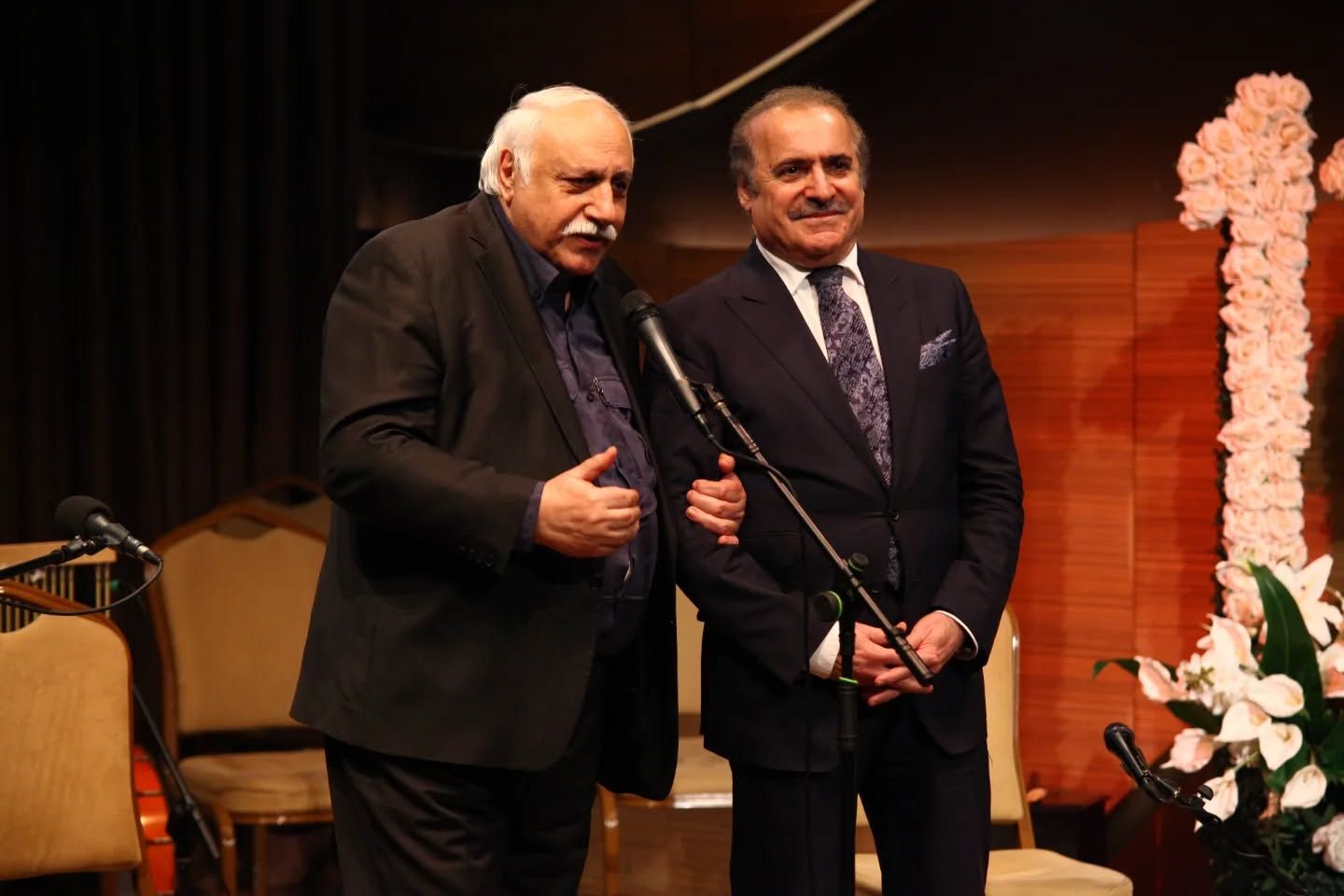
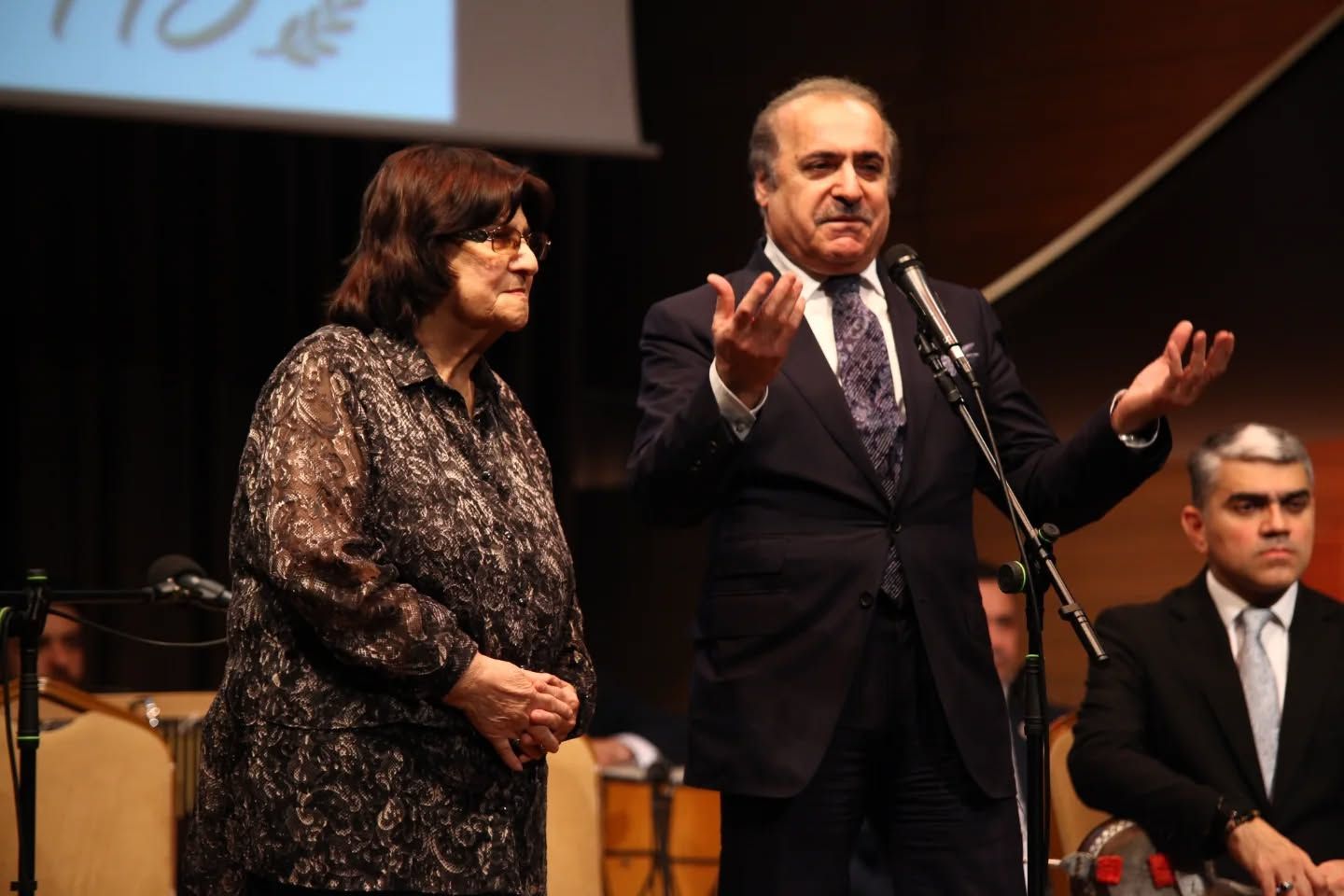
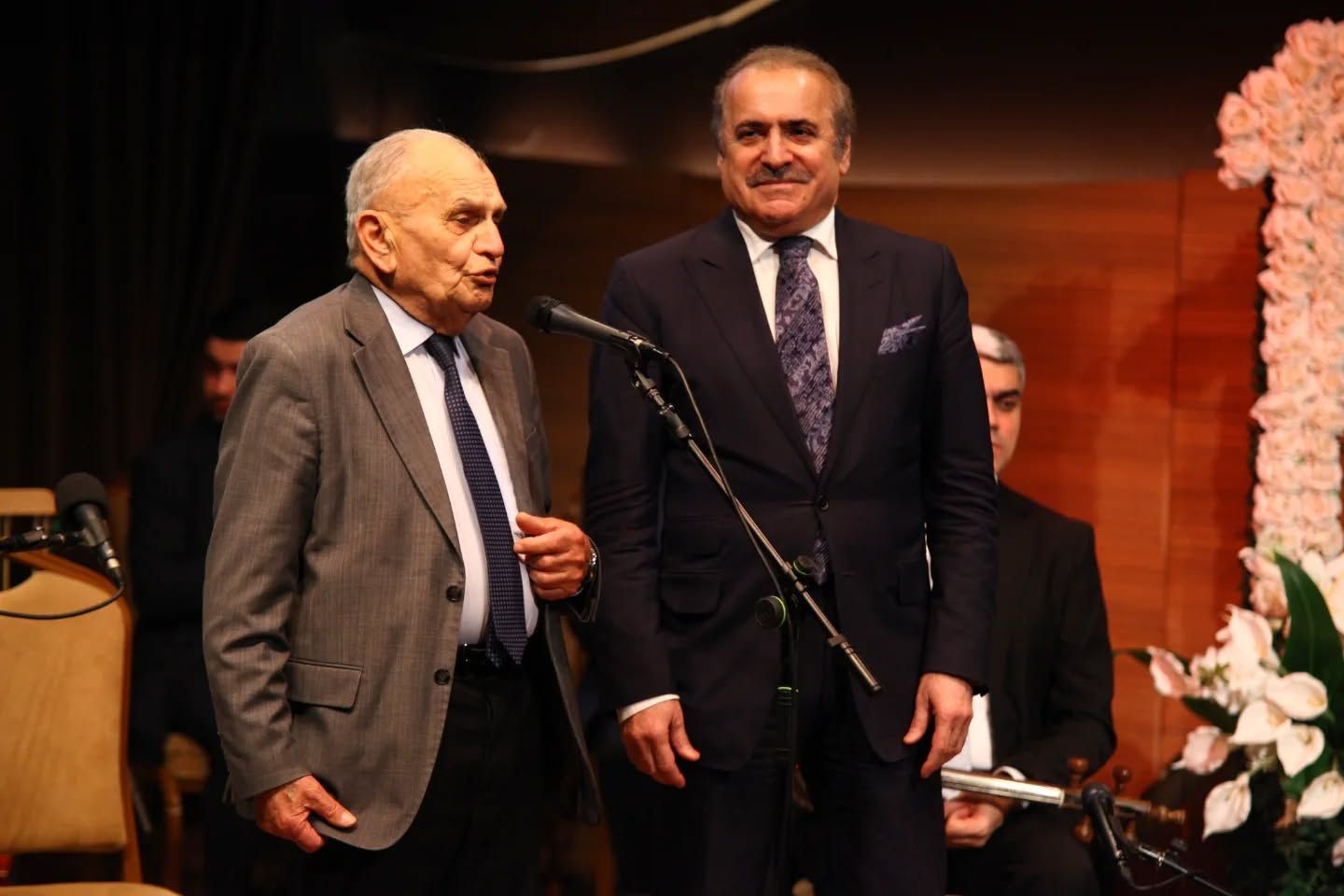
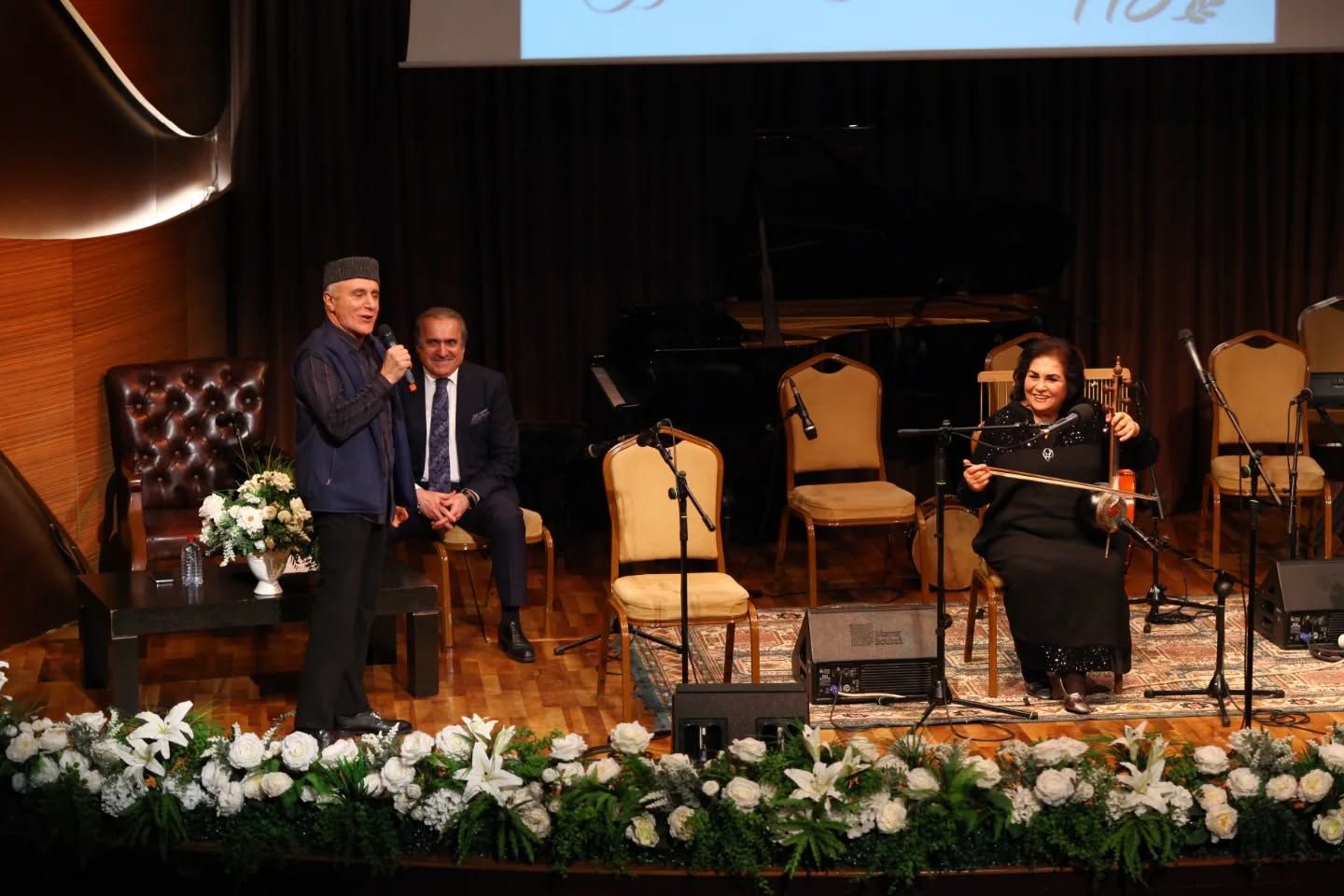
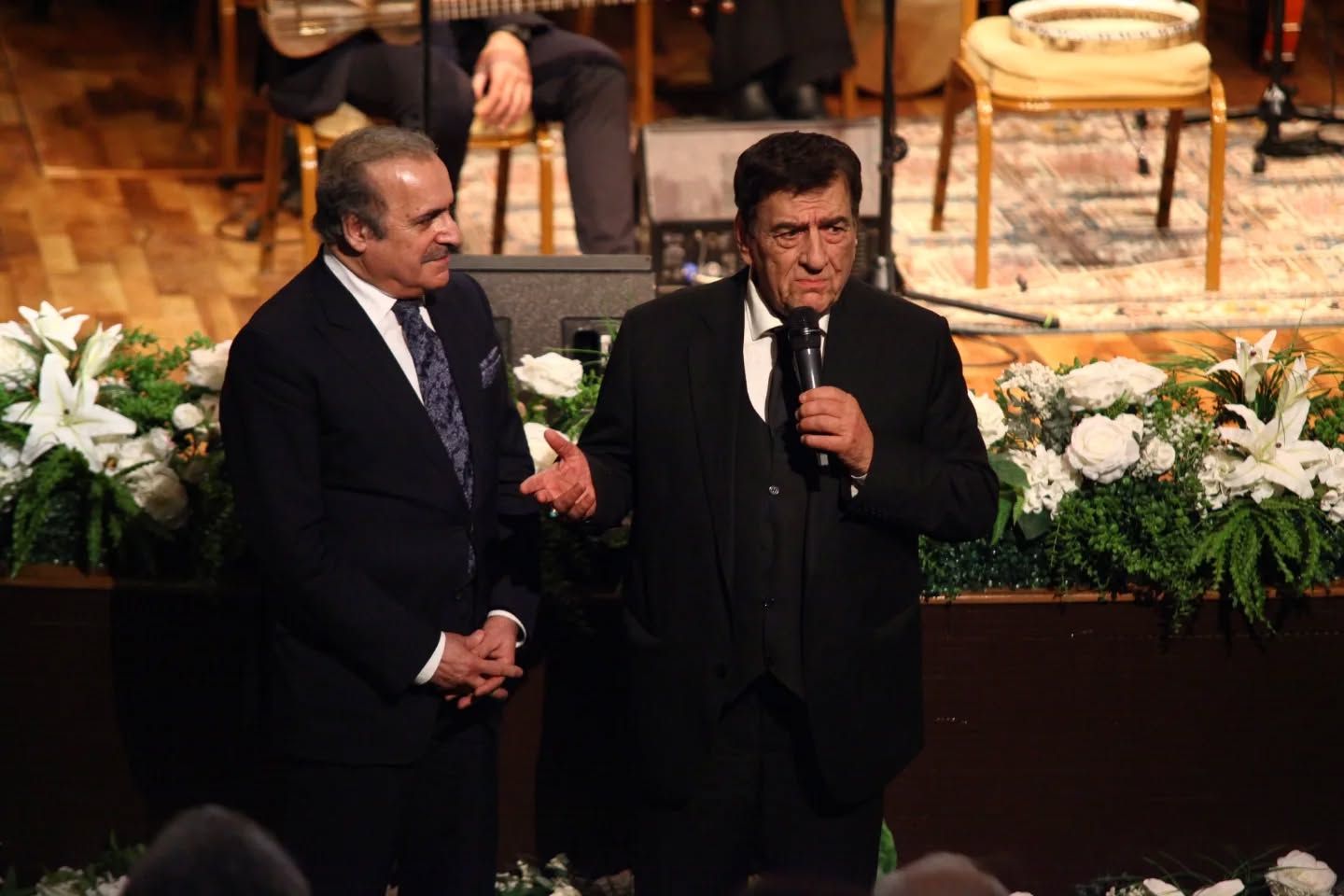
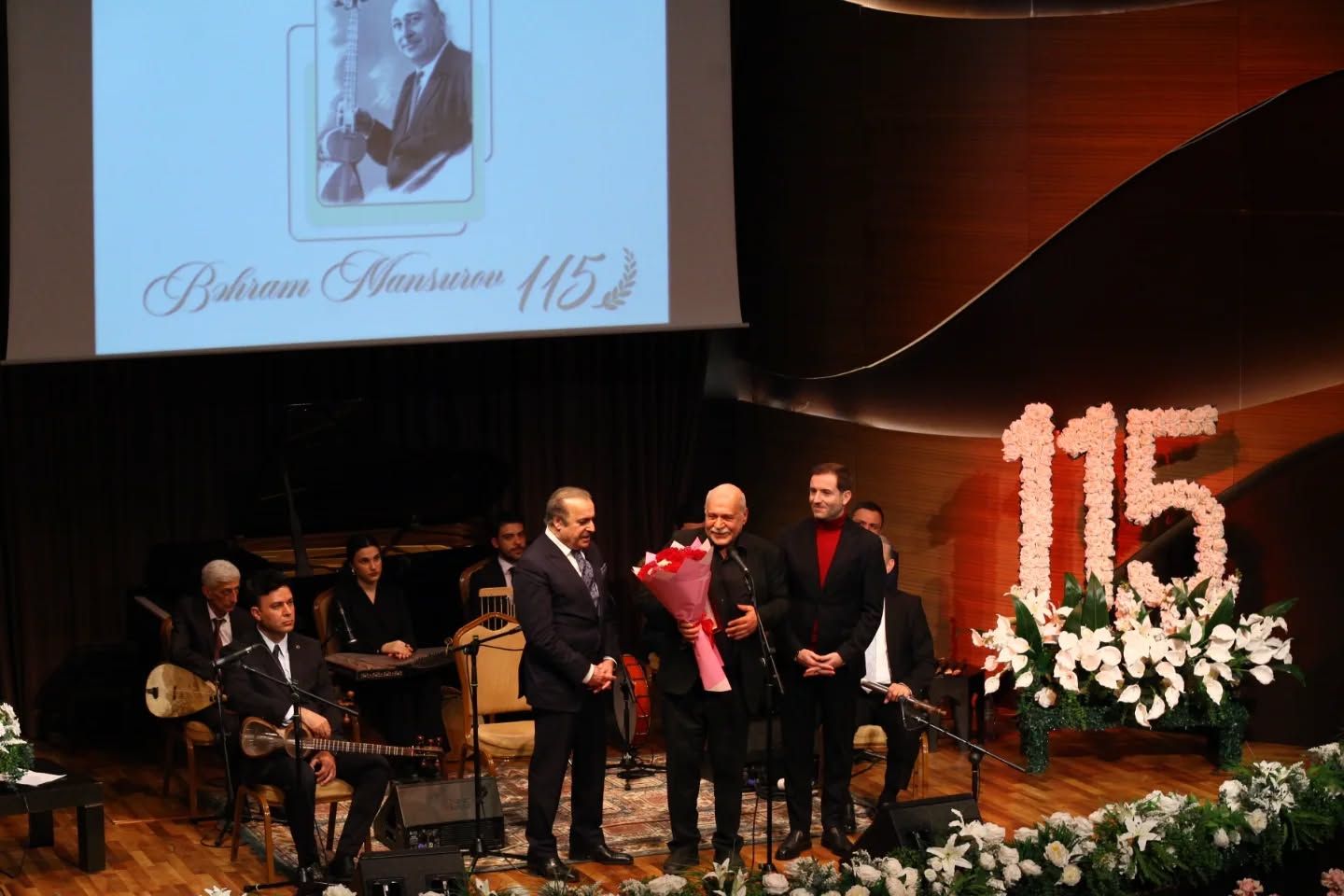
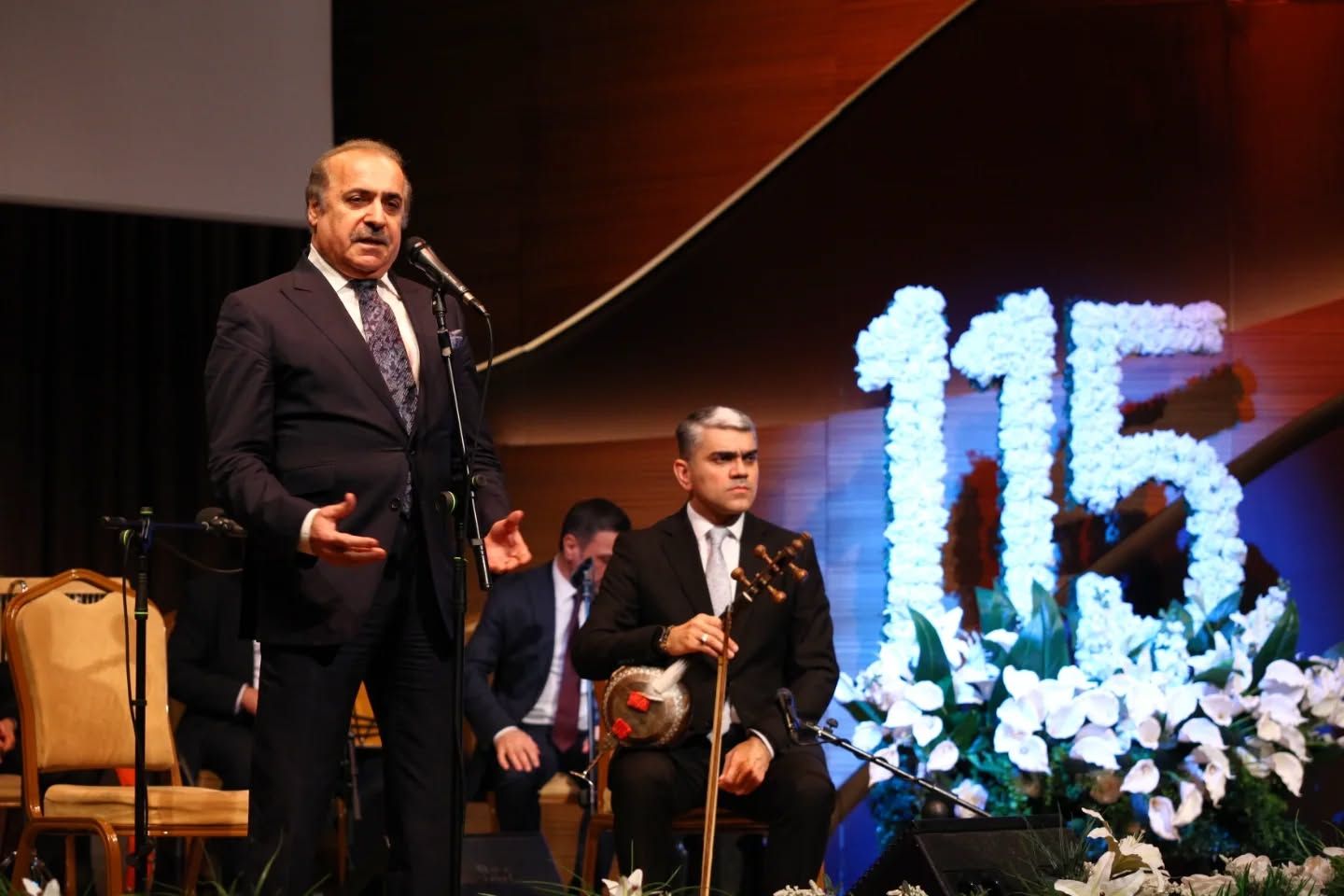
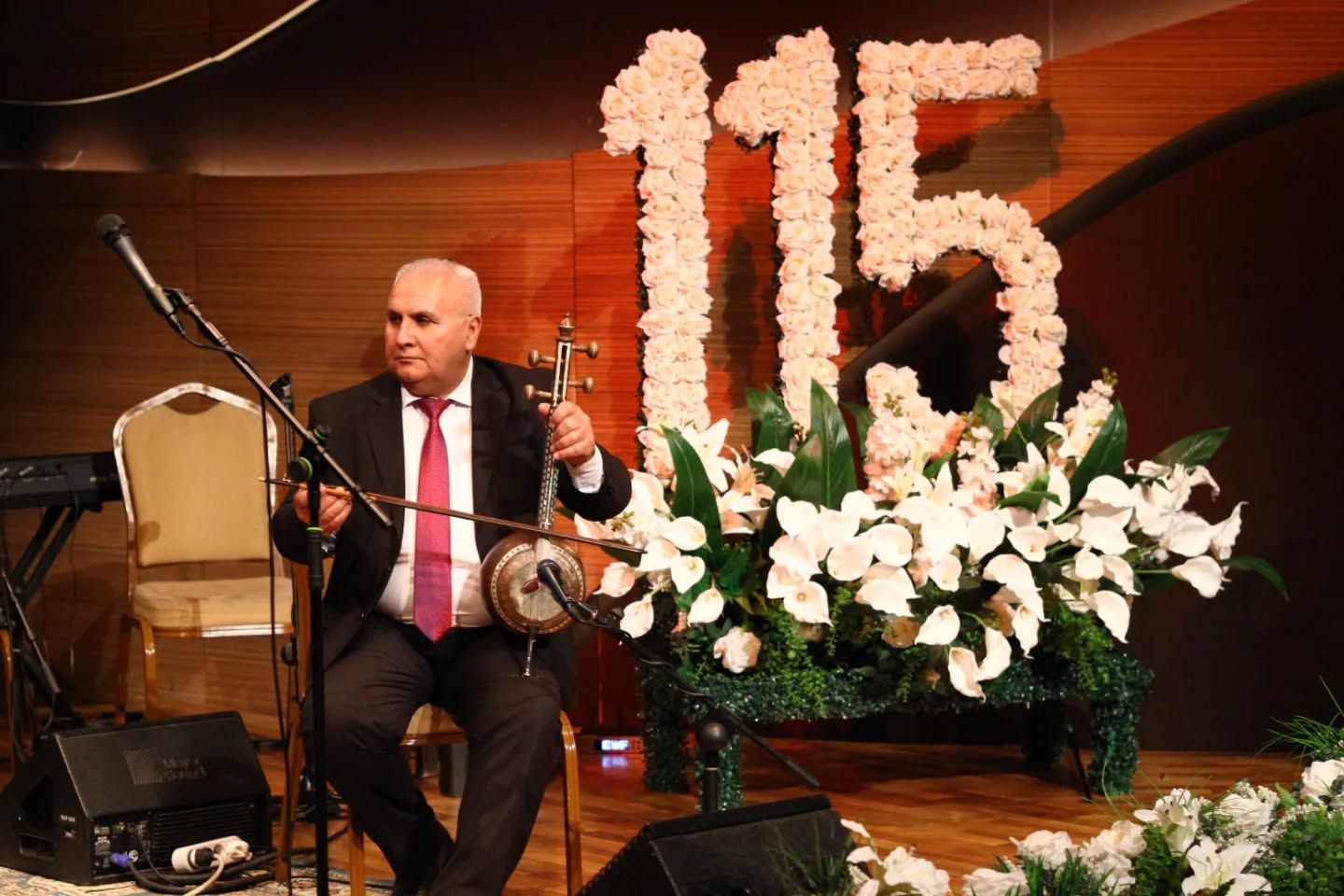
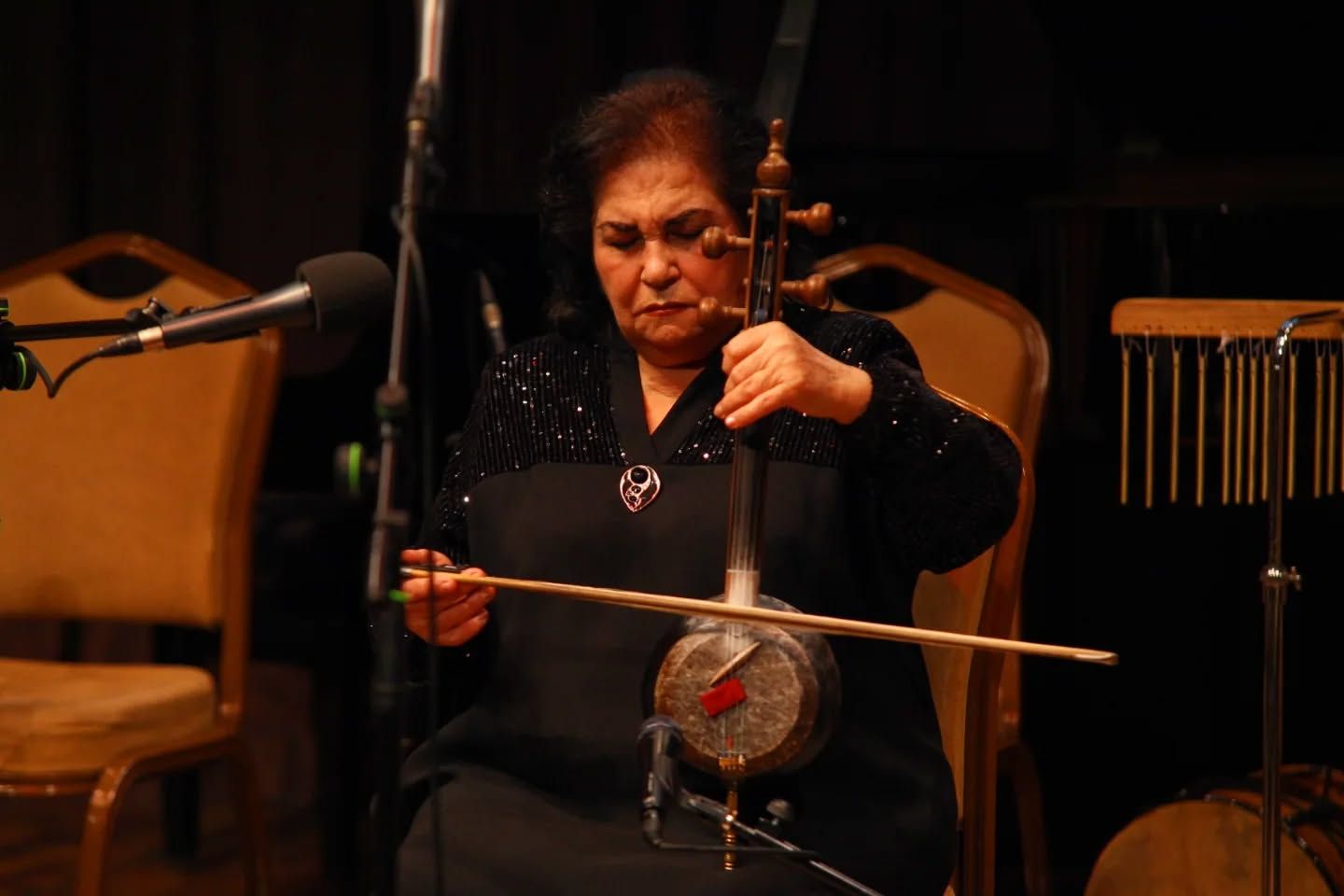
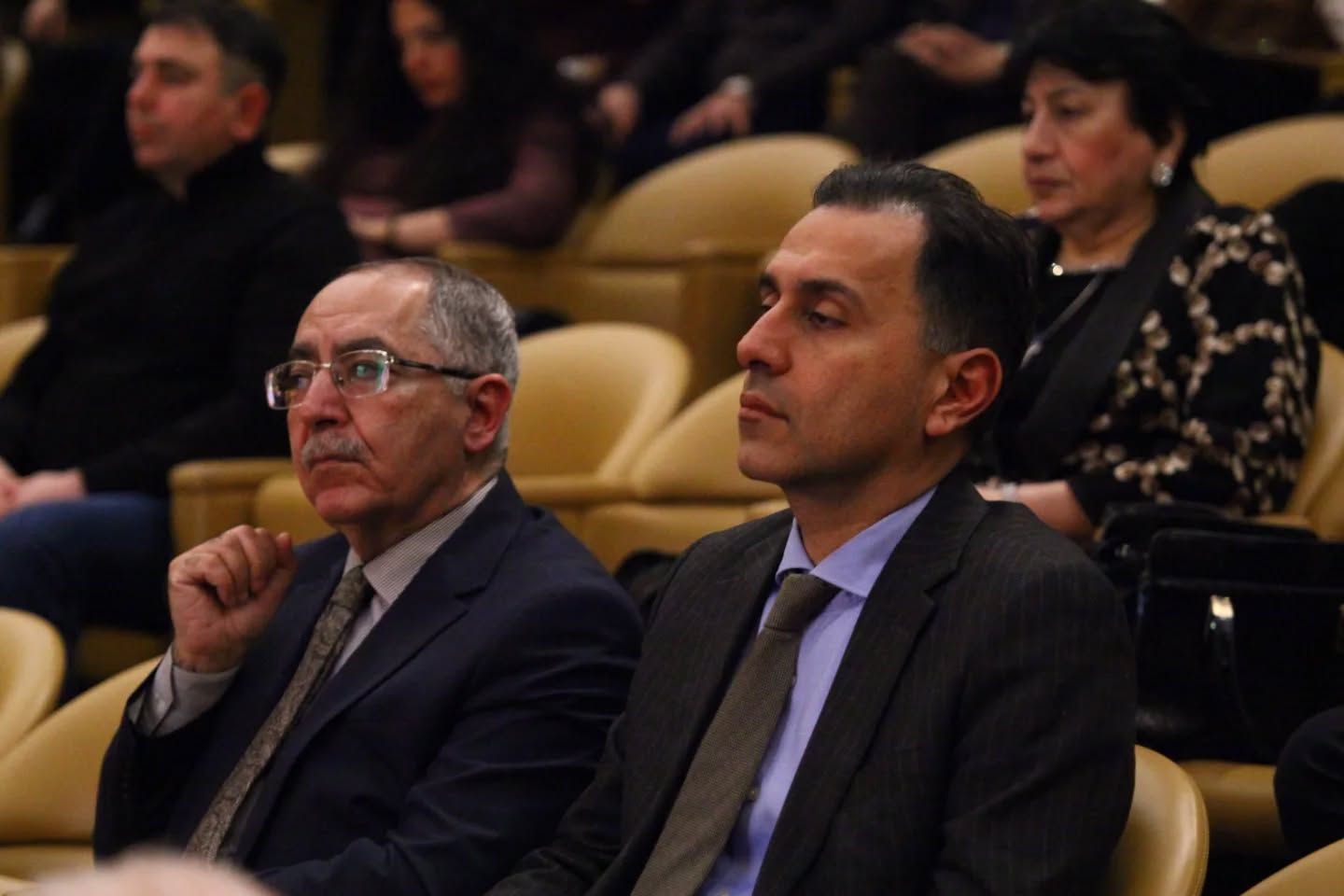
To honor his enduring legacy, the Azerbaijan Culture Ministry, together with the International Mugham Center, hosted a gala evening attended by prominent figures from the music world, cultural luminaries, and devoted admirers of mugham.
The event was hosted by Academician Rafael Huseynov, who traced the milestones of Bahram Mansurov's life and career, emphasizing that his artistic heritage continues to inspire contemporary performers.
Hailing from the illustrious Mansurov family, which has played a pivotal role in preserving and popularizing classical Azerbaijani mugham, Bahram Mansurov grew up in Icherisheher, immersed in a musical environment where melodies were part of everyday life.
This rich cultural upbringing profoundly shaped his professional path. In 1932, at the invitation of Muslim Magomayev (grandfather of the legendary singer Muslim Magomayev), he joined the Azerbaijan State Academic Opera and Ballet Theater, to which he remained devoted throughout his life. Mansurov became the first Azerbaijani musician whose mugham performances were recorded by UNESCO, first on vinyl and later on CDs, and distributed worldwide.
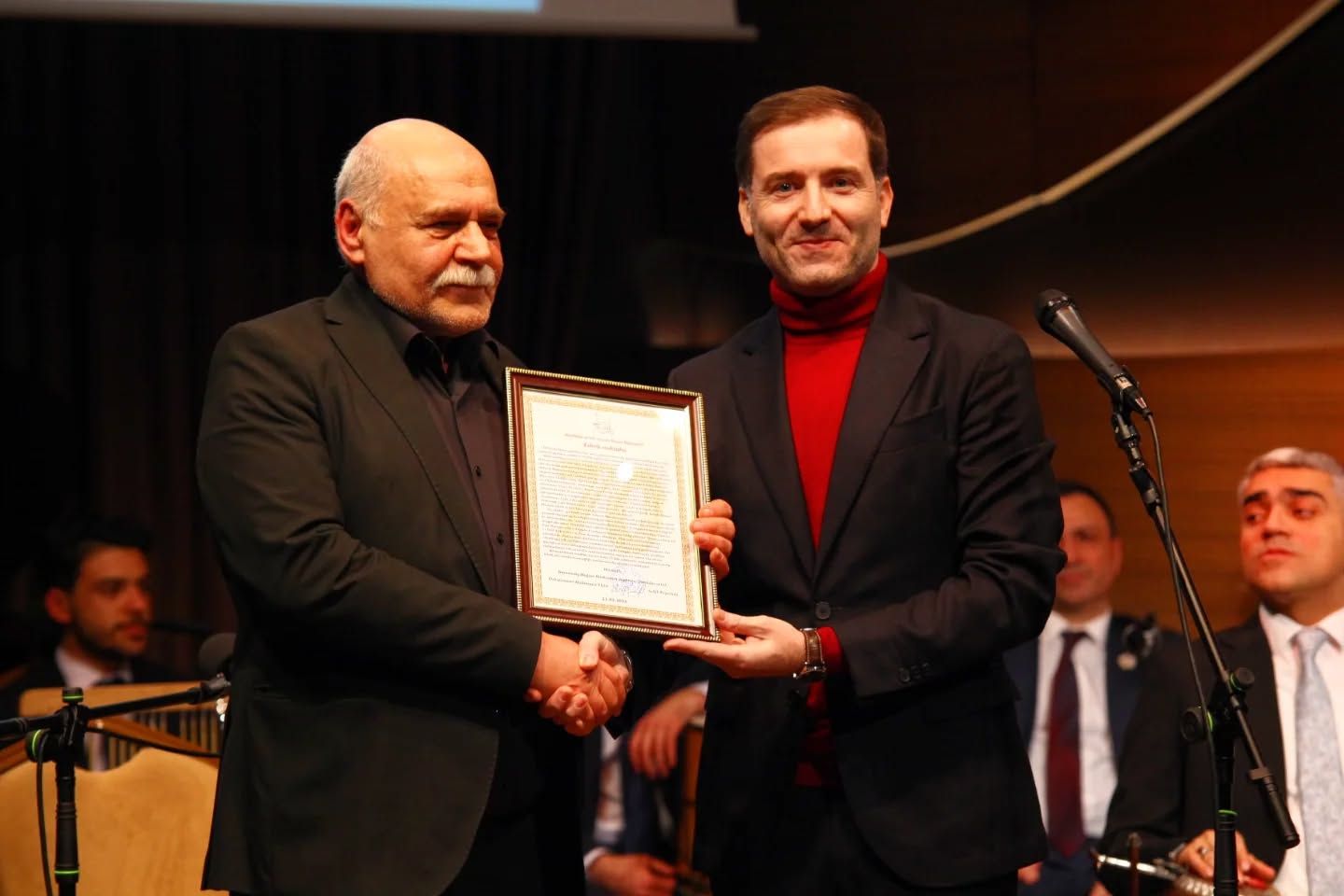
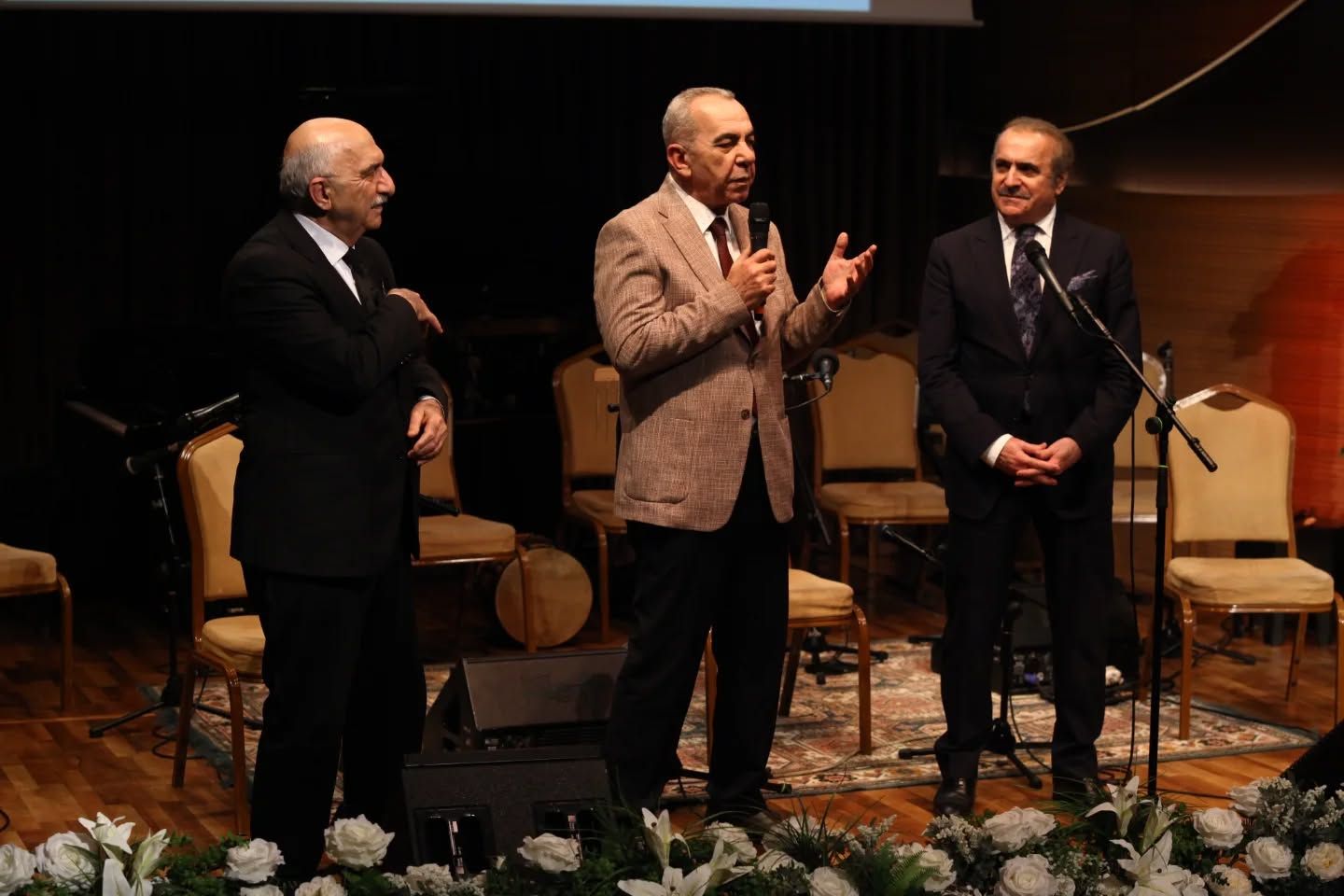
A particularly heartwarming moment of the evening was the celebration of the 70th birthday of Rafael Mansurov's son and artistic heir, Elkhan Mansurov. The Director of the International Mugham Center, Honored Artist Sahib Pashazade, presented him with a congratulatory letter, recognizing his contributions to the development of national music.
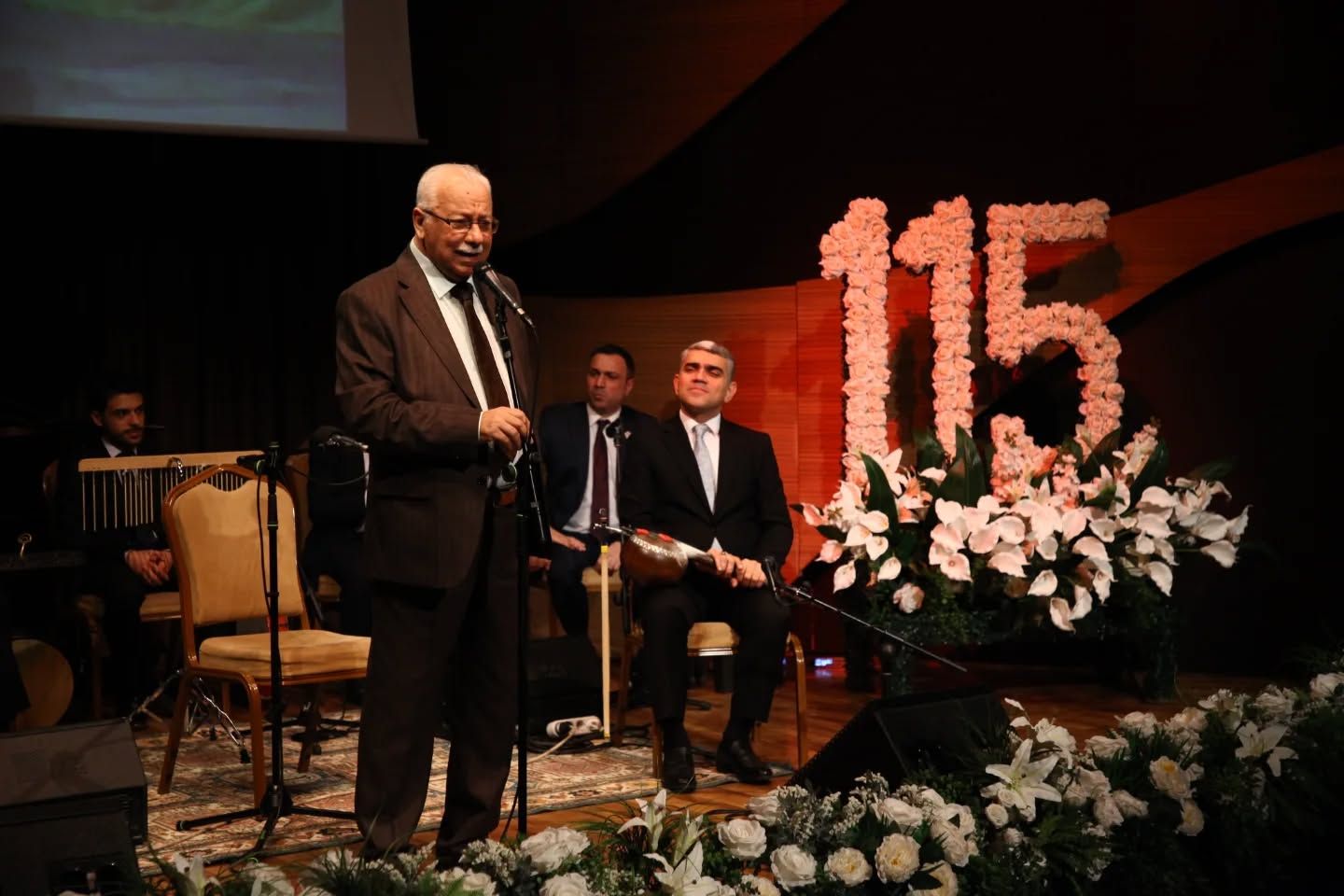
Tributes and reminiscences of the great tar player were shared by People's Artists Vamig Mamedaliyev, Sardar Farajov, Mokhlet Muslimov, Alim Gasimov, along with Honored Art Worker Zemfira Gafarova, Honored Artist Razi Shukurov, and associate professor of the Baku Music Academy, Mahmud Aliyev.
Eldar Mansurov, son of the legendary musician, composer, and People's Artist, expressed his gratitude to the organizers for honoring his father’s memory and emphasized the importance of preserving the traditions of the national musical school.
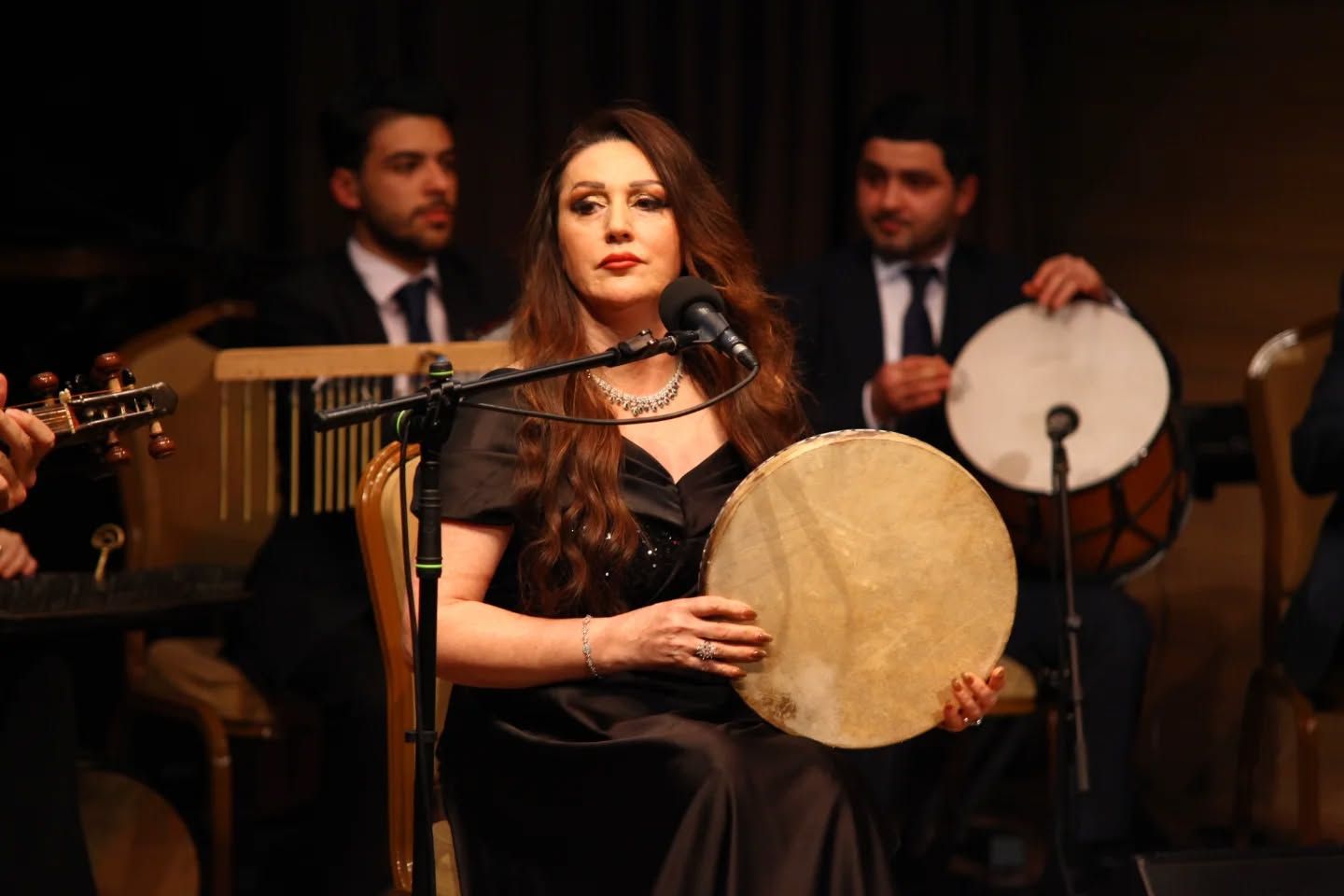
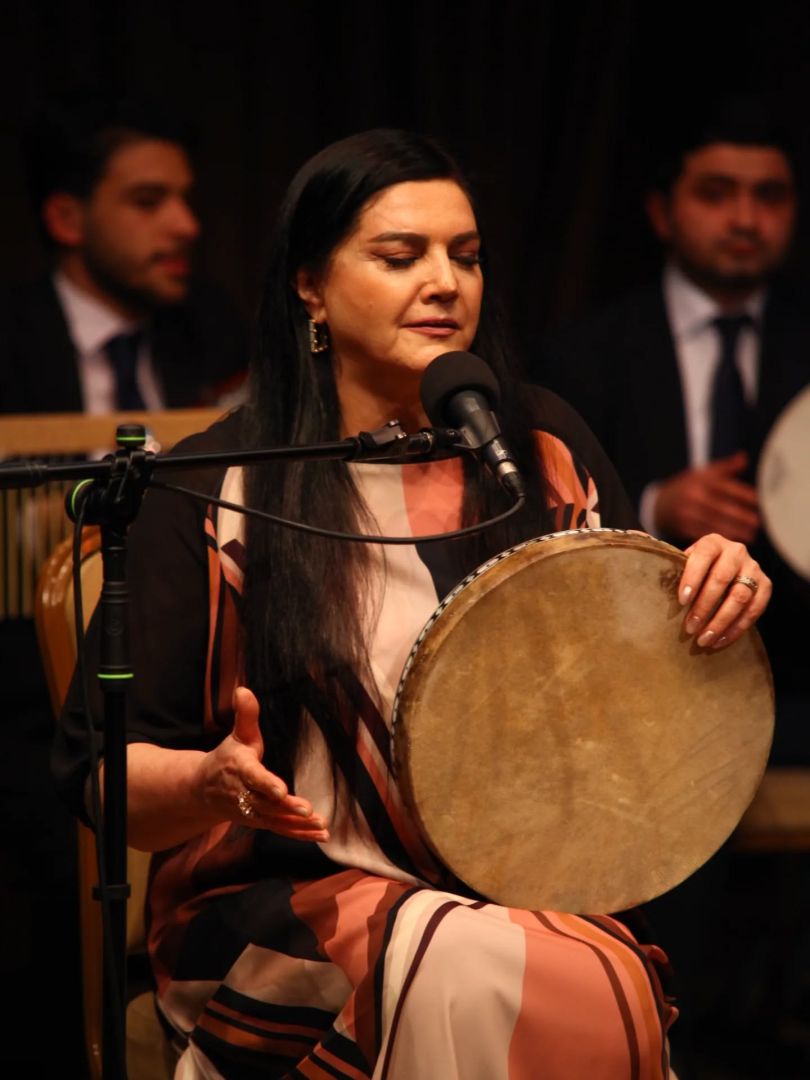
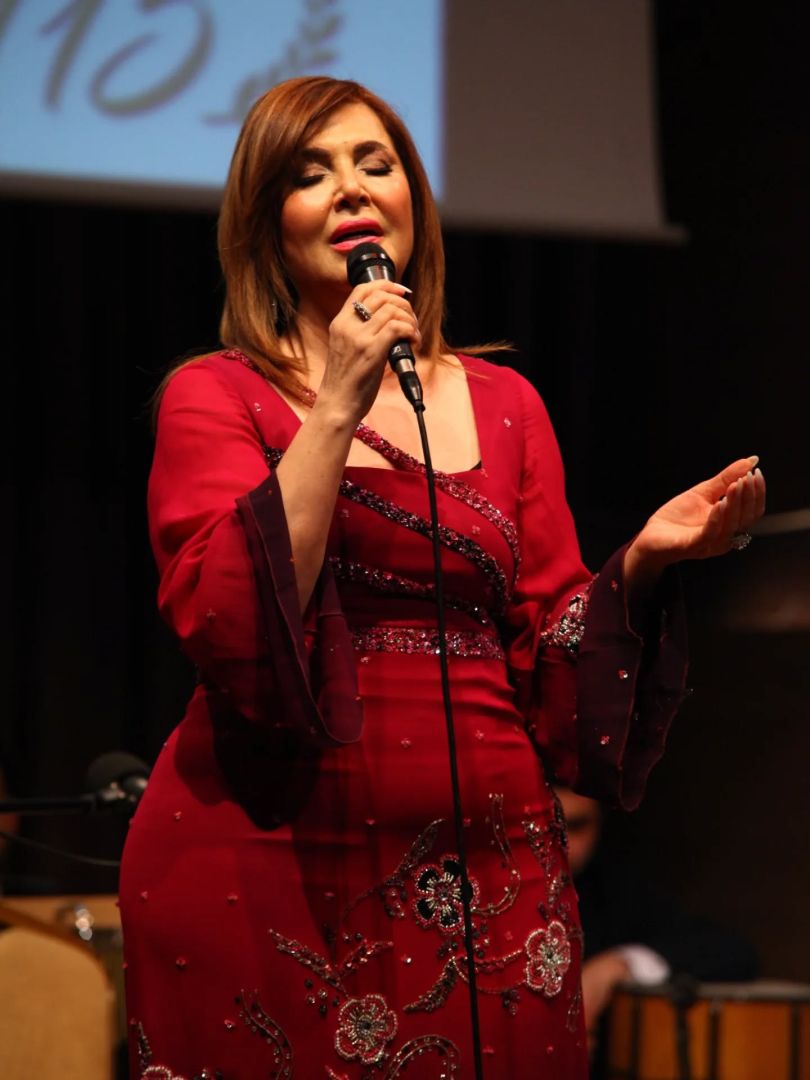
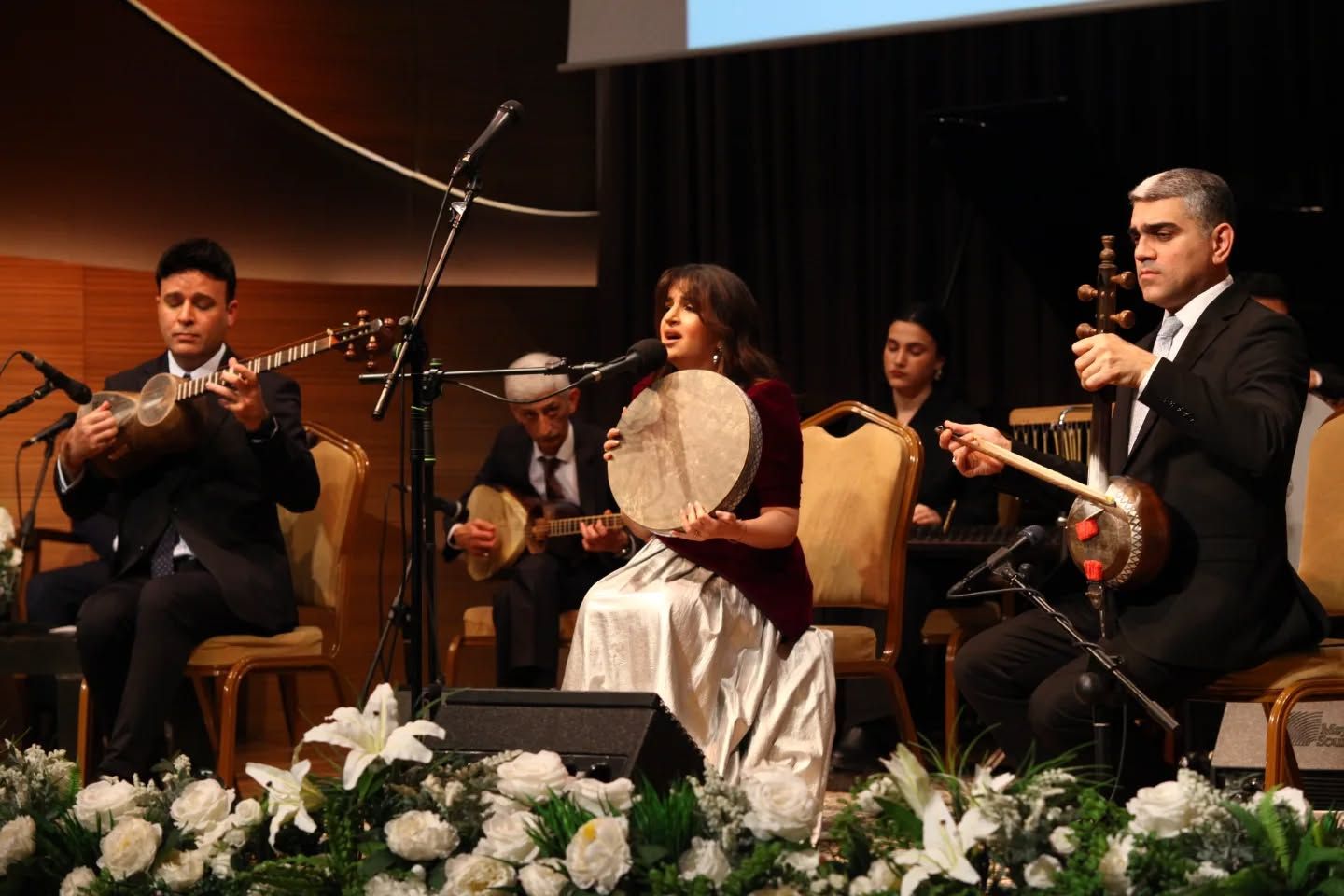
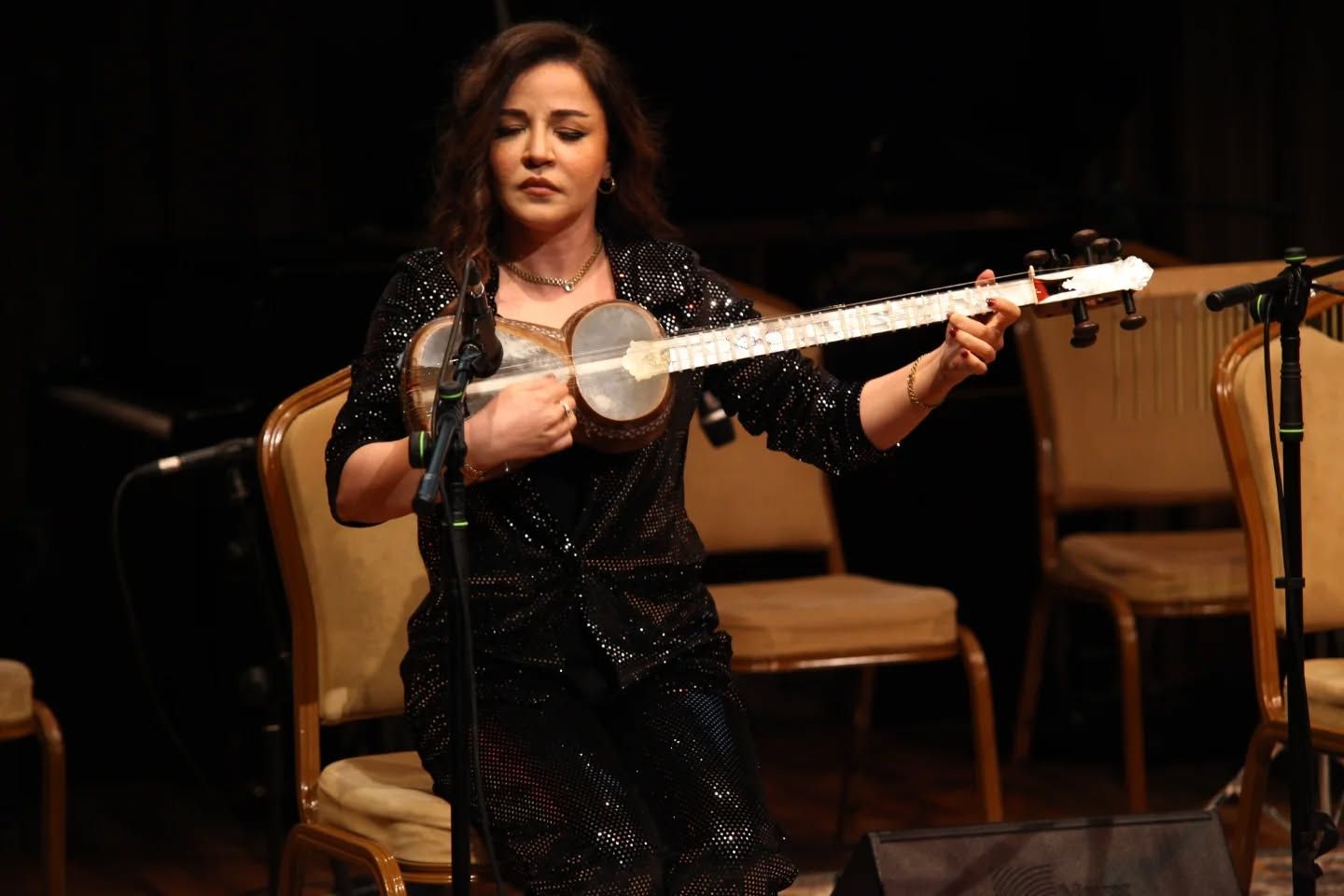
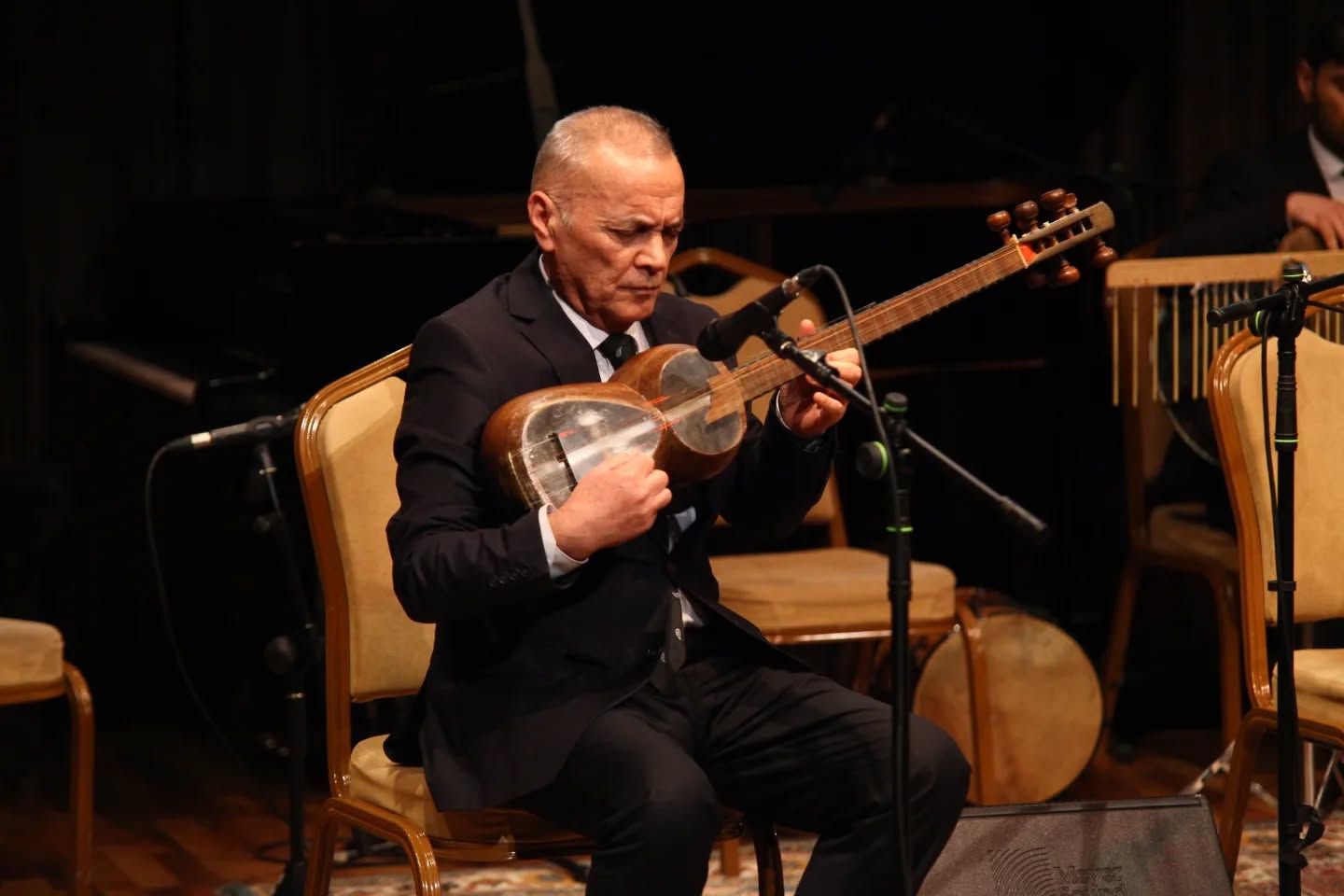
The evening concluded with a concert featuring acclaimed mugham performers, a vibrant testament that the art and spirit of Bahram Mansurov continue to live on and resonate with audiences today.
Bahram Mansurov was born on February 12, 1911, in the historic Icherisheher area of Baku, into a family deeply immersed in music and Azerbaijani cultural traditions. His grandfather, the musicologist Meshadi Malik Bay, hosted gatherings where mugham masters, singers, and musicians from across the country would perform, attended by notable figures such as Seyid Azim Shirvani, Khurshidbanu Natavan, and Abdurrahim Bey Hagverdiyev, which shaped Mansurov's early musical development.
Surrounded by traditional instruments, Mansurov spent countless hours experimenting with music, guided by his father Meshadi Suleyman Bay and his uncle Mirza Mansur, both accomplished tar players. From a young age it was clear that mugham ran in his blood. His formal education began at a madrasa and continued at a Russian-Tatar school, and in 1921, after Azerbaijan became part of the Soviet Union, he enrolled in the 10th First Grade School with his older brother Agha Malik, beginning a lifelong dedication to music.
Despite frequent changes in schools, Mansurov pursued his musical passion relentlessly. By the age of 19, he was invited by composer Muslum Magomayev to join the first notated folk instrument orchestra and later became a soloist tar player at the Opera and Ballet Theater, performing with leading vocalists including Huseyngulu Sarabski, Yaver Kelenterli, Hajiaga Hajibababayev, Alovsat Sadigov, Haqiqet Rzayeva, Rubaba Muradova, Sara Gadimova, and Zeynab Khanlarova.
From 1978 to 1983, his performances of Azerbaijani mugham were recorded and shared worldwide by UNESCO, establishing him as a cultural ambassador for Azerbaijan. As a child he displayed exceptional talent, performing complex mugham pieces such as Rast, Chahargah, Bayati-Shiraz, and Qatar by the age of twelve or thirteen. In 1929 he joined the Azerbaijan State Eastern Orchestra and later the State Philharmonic, performing alongside prominent musicians like Jabbar Garyagdioglu, Khan Shushinski, Hajiaga Hajibababayev, and Gurban Pirimov.
Mansurov toured extensively across Azerbaijan and the Soviet Union, bringing traditional music to a broad audience. In 1931, he became part of the first notated folk instrument orchestra under Magomayev and later became lead tar player at the Radio Committee, performing solo and in a trio with Gilman Salahov on kamancha and Khalig Babayev on qaval, often broadcast live on the radio.
His connection to the Opera and Ballet Theater was lifelong. Inspired at age eleven by a performance of Leyli and Majnun, he joined the theater in 1932, accompanying Huseyngulu Sarabski in the role of Majnun. For 54 years his tar accompanied the nation’s top vocalists in mugham operas, with his artistry guided directly by composers, including Uzeyir Hajibayli.
Beyond concerts, Mansurov led a military ensemble in 1934-35, preparing the group for the Transcaucasian Music Olympiad in Tbilisi, earning national recognition. During the Great Patriotic War, he performed tirelessly for soldiers at the front and in hospitals, and from 1941 to 1944 toured Iran, introducing Azerbaijani opera and mugham to audiences familiar with him only through radio broadcasts.
In 1941, he began teaching mugham at the Baku Music Technical School, creating his own method based on his father and uncle’s traditions. He stressed both technical mastery and the historical and cultural context of each mugham, ensuring students understood the music’s roots.
Mansurov played a key role in preserving Azerbaijani mugham through recording. He was the first Azerbaijani musician whose interpretations of Chahargah and Rast were transcribed into notation. UNESCO recorded his performances of Bayati-Shiraz, Humayun, Shur, Bayati-Kurd, and Chahargah, sharing Azerbaijani music worldwide. His son Eldar transcribed the complete repertoire of mugham, dastgahs, and other traditional forms that Mansurov performed.
In 1971, the Opera and Ballet Theater celebrated Mansurov’s 60th birthday and 40 years of artistic work with a gala featuring all the mugham operas he had accompanied, and the documentary Chalir Bahram Mansurov honored his talent and influence. As a consultant, jury member, and mentor, he ensured mugham thrived. His unique tar technique, mizrabi-destkari, involved playing with the left hand only, without a pick, a method previously used only by masters like Sadigjan, Meshadi Suleyman, and Mirza Mansur, making him the sole practitioner of this style in his generation.
Bahram Mansurov passed away on May 14, 1985, in Baku at the age of 74, leaving a legacy that continues to inspire musicians worldwide. His personal archive, preserved by his wife Munevver Khanum, remains a vital resource, and his sons Eldar, Aydin, and Elkhan continue the family's musical tradition, keeping the Mansurov name alive in Azerbaijani music. His music continues to bridge past and present, guiding future generations of artists.
Here we are to serve you with news right now. It does not cost much, but worth your attention.
Choose to support open, independent, quality journalism and subscribe on a monthly basis.
By subscribing to our online newspaper, you can have full digital access to all news, analysis, and much more.
You can also follow AzerNEWS on Twitter @AzerNewsAz or Facebook @AzerNewsNewspaper
Thank you!