
Tehran conditions war talks on U.S. compliance with Lebanon ceasefire

Qabil Ashirov
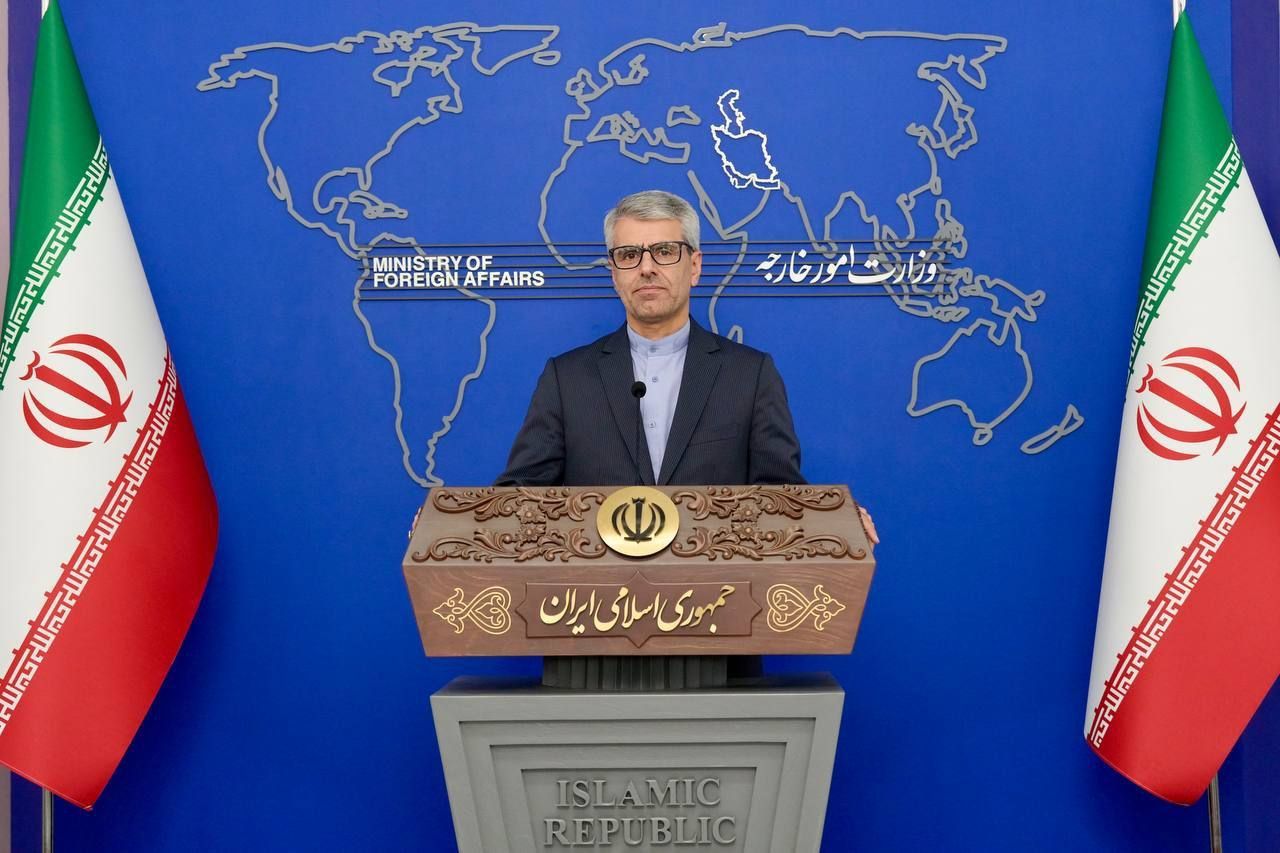
Read moreNegotiations on ending the ongoing conflict are contingent upon the United States adhering to its ceasefire commitments across all fronts, particularly in Lebanon, AzerNEWS reports, citing Iran’s Foreign Ministry spokesman Esmaeil Baghaei.
Speaking to journalists, Baghaei strongly condemned what he described as Israel’s actions in Lebanon.
“The cessation of the war in Lebanon is an integral part of the ceasefire agreement proposed by Pakistan. As clearly stated by the country’s prime minister, the United States has committed to halting hostilities on all fronts, including Lebanon. Any action or position contrary to this commitment will be regarded as a failure by the United States to fulfill its obligations,” he noted.
Baghaei also addressed the timing and location of the anticipated negotiations.
“The government of Pakistan has invited both sides to visit Islamabad for talks. This matter is currently under review and planning. However, it is clear that any negotiations will depend on obtaining guarantees that the United States will honor its ceasefire commitments across all fronts,” he added.
It should be noted that on February 28, the United States and Israel launched military operations against Iran. Strikes targeted major cities, including Tehran. The White House justified the attack by citing missile and nuclear threats allegedly originating from the Islamic Republic.
As a result of the strikes, Iran’s Supreme Leader Ali Khamenei and several other key figures were reportedly killed. In response, the Islamic Revolutionary Guard Corps announced a large-scale retaliatory operation against Israel.
Iran has also targeted U.S. facilities across the region with ballistic missiles, cruise missiles, and unmanned aerial vehicles, including sites in Bahrain, Jordan, Iraq, Qatar, Kuwait, the United Arab Emirates, Oman, Saudi Arabia, and Syria.
The conflict has placed the region’s energy infrastructure and maritime transport routes at significant risk. Heightened security tensions around the Strait of Hormuz have driven a sharp increase in global oil prices.
On April 7, the United States and Iran agreed to a temporary ceasefire lasting approximately two weeks in an effort to prevent further military escalation and create space for negotiations. According to reports, the agreement was brokered by Pakistan.
Here we are to serve you with news right now. It does not cost much, but worth your attention.
Choose to support open, independent, quality journalism and subscribe on a monthly basis.
By subscribing to our online newspaper, you can have full digital access to all news, analysis, and much more.
You can also follow AzerNEWS on Twitter @AzerNewsAz or Facebook @AzerNewsNewspaper
Thank you!