
Nearly 2,000 people evacuated from Iran as regional tensions escalate

Qabil Ashirov
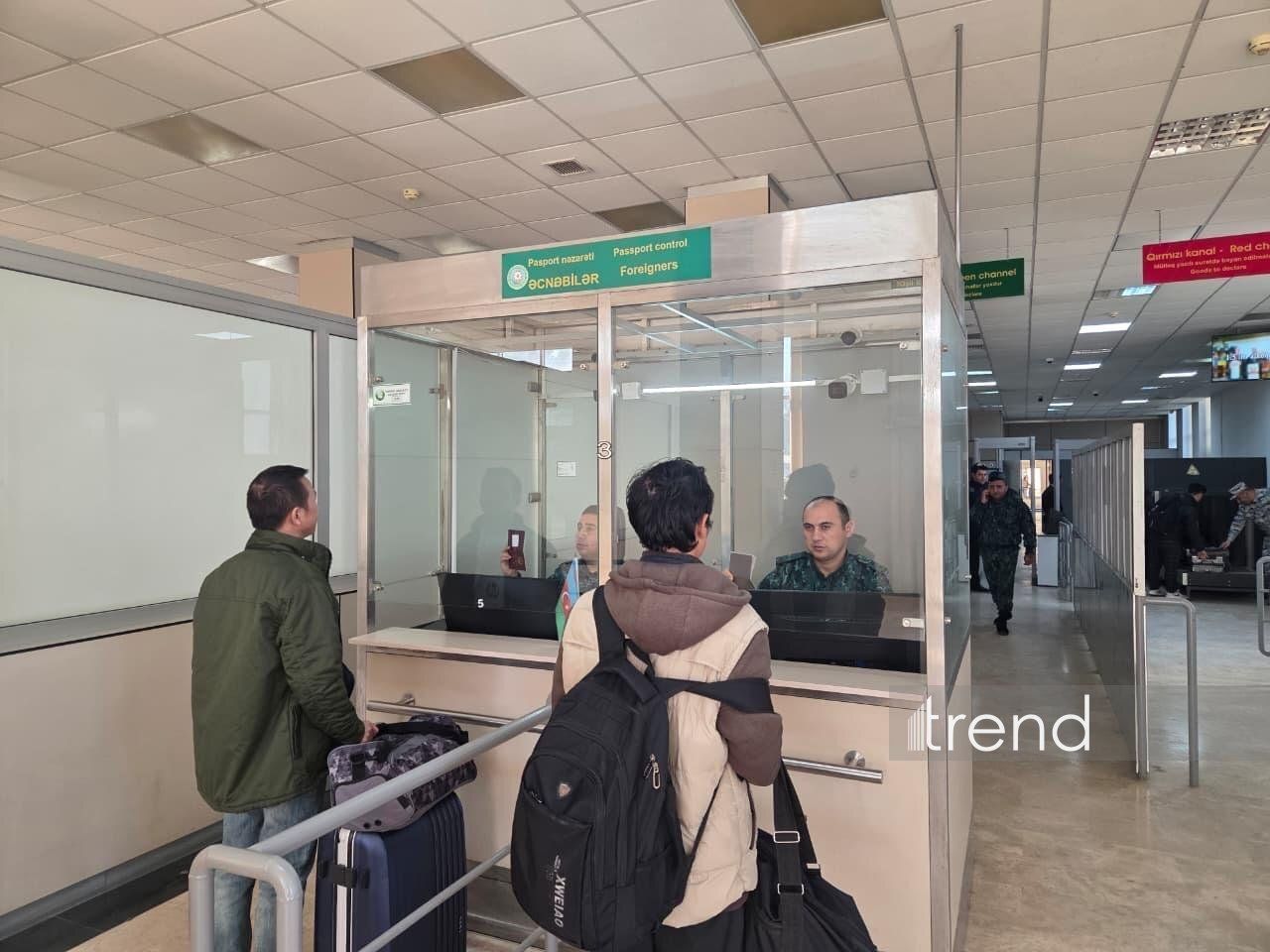
Read moreThe evacuation of Azerbaijani citizens and nationals of other countries from Iran continues amid escalating regional tensions.
AzerNEWS reports that a total of 1,918 people from various countries were evacuated from Iran between 08:00 on February 28 and 07:00 on March 9.
The evacuees include 541 citizens of China, 314 from Azerbaijan, 290 from Russia, 173 from Tajikistan, 123 from Pakistan, 57 from Oman, 44 from Italy, 32 from Indonesia, 26 each from Spain and Iran, 18 from Saudi Arabia, 17 from Japan, 16 from France, 14 from Germany, 13 each from Georgia and Hungary, 12 from Uzbekistan, and 10 each from Bulgaria, the Democratic Republic of Congo, and Nigeria.
In addition, eight citizens each from Brazil, the United Kingdom, and Kazakhstan were evacuated, along with seven citizens of Belarus.
The list also includes six citizens each from Slovakia, the United Arab Emirates, Belgium, and Canada. Five citizens each from Afghanistan, Serbia, the Czech Republic, Switzerland, Romania, and Austria were evacuated, while four citizens each from Jordan, Sri Lanka, Ukraine, Türkiye, Bahrain, Kuwait, and Bangladesh were also included.
Three citizens each from the Philippines, Qatar, Mexico, Finland, and Croatia were evacuated. Two citizens each from Nepal, Lebanon, Yemen, Kyrgyzstan, Sudan, India, Cyprus, Slovenia, and Sweden were also among those evacuated.
Additionally, one citizen each from Poland, Australia, Tunisia, South Africa, the Maldives, Myanmar, Cuba, the Vatican, Argentina, Bosnia and Herzegovina, Latvia, Egypt, and the United States was evacuated.
Meanwhile, on March 8, Iran’s Assembly of Experts elected Seyed Mojtaba Khamenei, the son of the late Supreme Leader Ayatollah Seyed Ali Khamenei, as Iran’s third Supreme Leader by a majority vote. The previous leader was killed in U.S.–Israeli airstrikes on February 28.
Earlier developments had heightened tensions in the region. After the second round of nuclear negotiations between Washington and Tehran on February 17 ended without progress, the United States significantly increased its military presence near Iran, deploying more than 150 aircraft to bases in Europe and the Middle East.
A third round of talks on Iran’s nuclear program took place in Geneva on February 26. The meeting, held under the administration of U.S. President Donald Trump, had been seen as a final opportunity for a diplomatic resolution. However, no concrete agreements were reached. Tehran refused to halt uranium enrichment, dismantle nuclear facilities, or accept indefinite restrictions on the development of its nuclear program.
In the early hours of February 28, Israel and the United States launched large-scale airstrikes against Iran.
The attacks reportedly killed Iran’s Supreme Leader Ayatollah Seyed Ali Khamenei along with several members of his family.
Among those also killed in the strikes were Iran’s Chief of the General Staff Major General Abdolrahim Mousavi, Commander-in-Chief of the Islamic Revolutionary Guard Corps Mohammad Pakpour, senior adviser to the Supreme Leader and Secretary of Iran’s Defense Council Ali Shamkhani, and Defense Minister Aziz Nasirzadeh.
Here we are to serve you with news right now. It does not cost much, but worth your attention.
Choose to support open, independent, quality journalism and subscribe on a monthly basis.
By subscribing to our online newspaper, you can have full digital access to all news, analysis, and much more.
You can also follow AzerNEWS on Twitter @AzerNewsAz or Facebook @AzerNewsNewspaper
Thank you!