
Lavrov: Deal with Iran failed due to last-minute amendments
By Sara Rajabova
Russian Foreign Minister said Iran and six world powers were close to reaching an agreement on a deal during talks in Geneva, but last-minute amendments to the draft document blocked a deal.
Sergei Lavrov said the amendments made by a member of the six world powers - the US, Britain, China, Russia, France and Germany - to a U.S.-proposed draft proposal during the recent nuclear talks in Geneva spoiled efforts to reach a deal, AP reported.
However, he did not mention which of the six countries introduced the amendments.
Lavrov said that the U.S.-proposed document and its amendments remain on the table, adding that the negotiating group will debate all of them at the level of political directors later.
Lavrov expressed hope that the representatives of the six countries will not abandon "agreements that already have been shaped" and strike a pact with Iran during next week's talks.
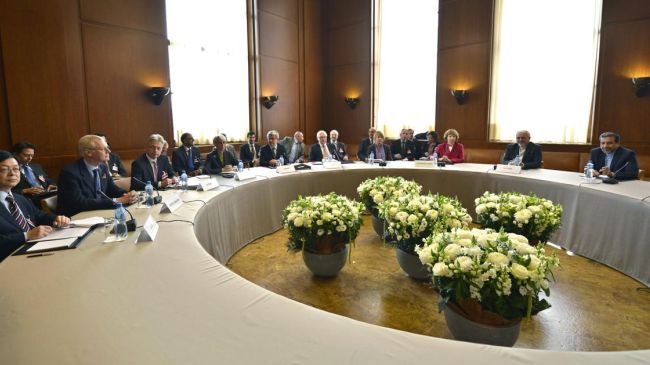
During the talks in Geneva on 7-8 November, Iran and the six major world powers did not reach an agreement, but emphasized that significant progress had been made and expressed optimism about the prospect of a possible deal in the future.
Spokesman for the EU foreign policy chief Michael Mann said after talks that "enormous" progress has been made in the two rounds of nuclear negotiations between Iran and the six major world powers in Geneva.
Mann also expressed hope that Tehran and the six powers "can make rapid progress" in their future nuclear talks.
However, U.S. State Secretary John Kerry blamed Iran for the failure of the talks between Iran and the six powers to reach an agreement.
Iran's Foreign Minister Mohammad Javad Zarif said that no one can distort the realities of the latest round of talks between Tehran and six major world powers in Geneva.
Zarif stressed the importance of respecting the Iranian nation's rights, because Iranians will not accept anything which is not based on mutual respect.
Political observers, however, say France has been the main reason behind the failure to reach an agreement.
The next round of discussions will be held in Geneva on November 20.
Abbas Araqchi, Iranian Deputy Foreign Minister and Helga Schmid, the deputy to European Union foreign policy Chief Catherine Ashton discussed the next round of the Iran-P5+1 negotiations on Iran's nuclear program.
However, no further details were available on the discussion.
The U.S. and its Western allies suspect Iran of developing a nuclear weapon - something that Iran denies. Iran has said that it does not seek to develop nuclear weapons, and is using nuclear energy for medical researches.
Here we are to serve you with news right now. It does not cost much, but worth your attention.
Choose to support open, independent, quality journalism and subscribe on a monthly basis.
By subscribing to our online newspaper, you can have full digital access to all news, analysis, and much more.
You can also follow AzerNEWS on Twitter @AzerNewsAz or Facebook @AzerNewsNewspaper
Thank you!