
Iran’s Lego videos reshape narrative war
by Alimat Aliyeva
It’s a Lego-style animation — but with a much darker and more political twist, AzerNEWS reports, citing foreign media, AzerNEWS reports via Al Jazeera.
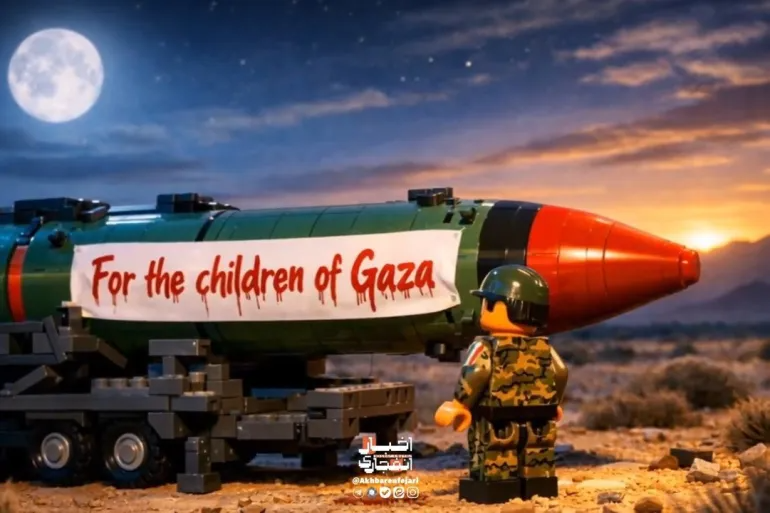
The video opens with a Native American chief riding a horse across a barren, moonlit landscape. It then rapidly cuts through a series of historical and modern scenes depicting groups portrayed as victims of U.S. government actions, including Black Americans in chains and survivors of Iraq’s Abu Ghraib prison.
The sequence continues with Iranian soldiers placing large banners on missiles. As the background music intensifies, each missile is labeled with messages such as: “For the stolen Blacks,” “For the people of Hiroshima and Nagasaki,” and “In memory of the victims of Iran Air Flight 655,” referencing the 1988 downing of a passenger aircraft by a U.S. warship that killed 290 people.
Other references include Rachel Corrie, the American activist killed in Gaza in 2003, as well as victims of conflicts in Afghanistan, Vietnam, and Iraq. The video also mentions the “children of Epstein Island,” before culminating in missiles launching and giant statues of U.S. President Donald Trump and Israeli Prime Minister Benjamin Netanyahu collapsing. The final frame displays a bold message: “ONE VENGEANCE FOR ALL.”
The March 29 video is one of several produced by Explosive Media, a group reportedly based in Iran that uses Lego-style animation to spread politically charged content across social media platforms. These videos often blend stylized visuals with rap music and provocative messaging, aiming to amplify Iran’s perspective on global conflicts and criticize Western foreign policy.
The clip gained significant traction online, reportedly receiving around 150,000 views on X. However, the group’s YouTube channel was later removed by Google for violating platform policies related to violent content.
Despite this, Explosive Media continues to produce similar videos. According to a representative of the group, the removals are seen as part of a broader effort to silence their narrative. They argue that the animations are symbolic rather than violent, and therefore unfairly targeted.
Interestingly, this reflects a wider trend in modern information warfare, where governments and affiliated media groups increasingly use viral internet formats — from memes to animation styles associated with children’s toys — to deliver highly political messages. By combining familiar, “innocent” aesthetics with heavy historical and geopolitical narratives, such content is designed to spread quickly online while also provoking strong emotional reactions and debate.
Here we are to serve you with news right now. It does not cost much, but worth your attention.
Choose to support open, independent, quality journalism and subscribe on a monthly basis.
By subscribing to our online newspaper, you can have full digital access to all news, analysis, and much more.
You can also follow AzerNEWS on Twitter @AzerNewsAz or Facebook @AzerNewsNewspaper
Thank you!