
President Ilham Aliyev met with families moving to first residential complex in Zangilan [PHOTOS]
![President Ilham Aliyev met with families moving to first residential complex in Zangilan [PHOTOS]](https://www.azernews.az/media/2026/05/10/17783995273653640018_1200x630.jpg)

AzerNEWS Staff
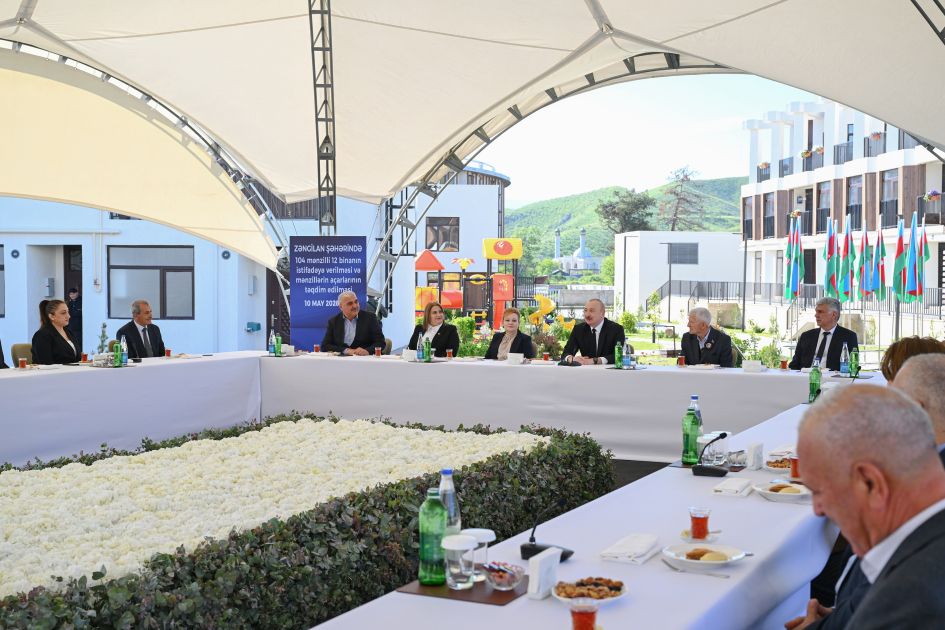
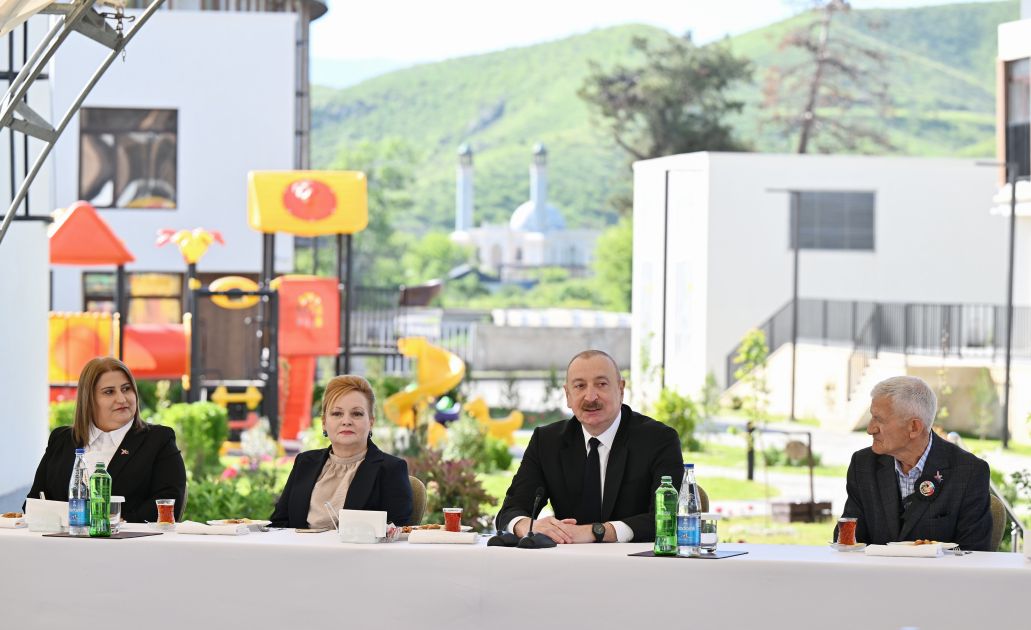
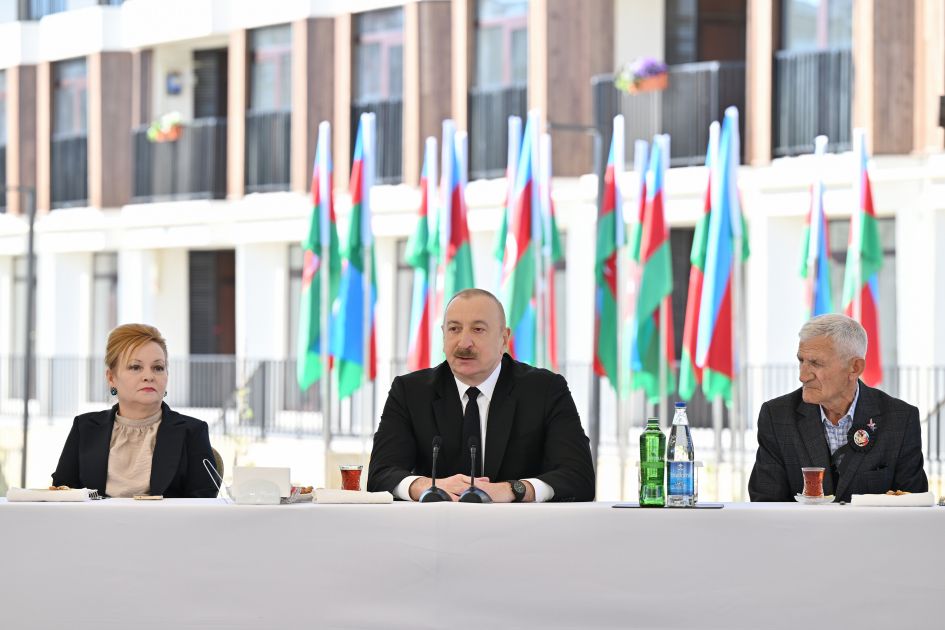
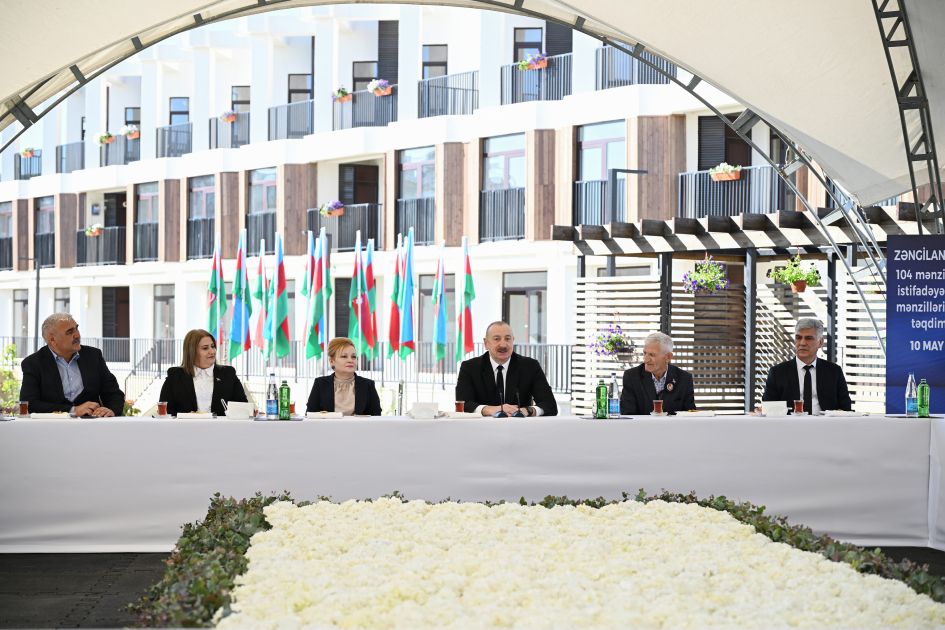
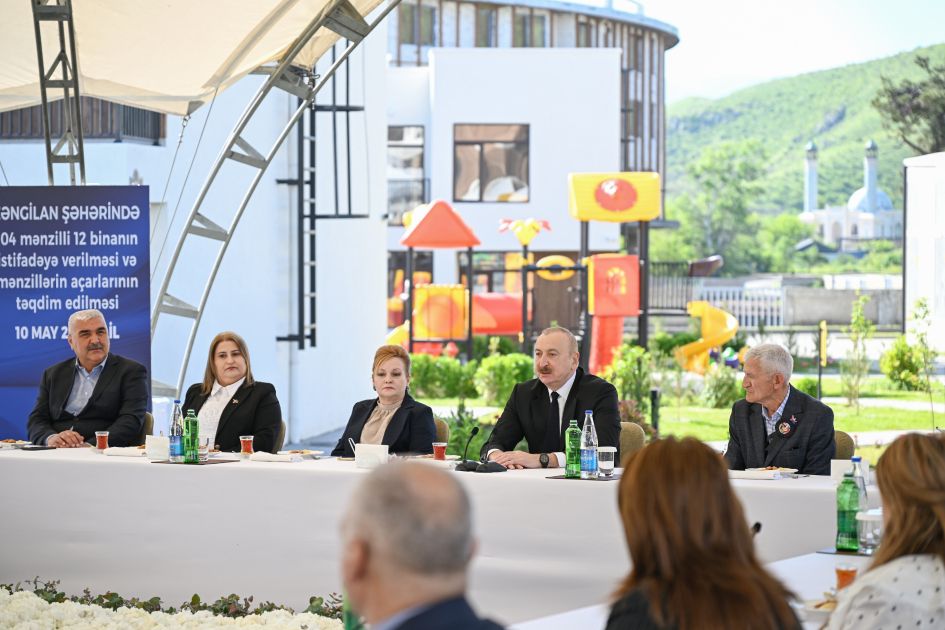
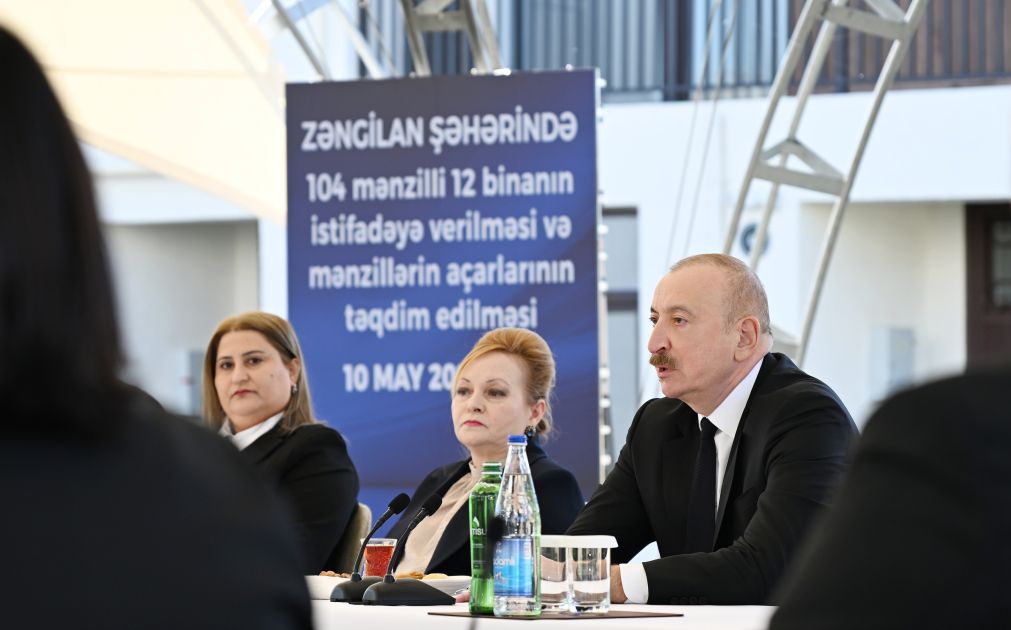
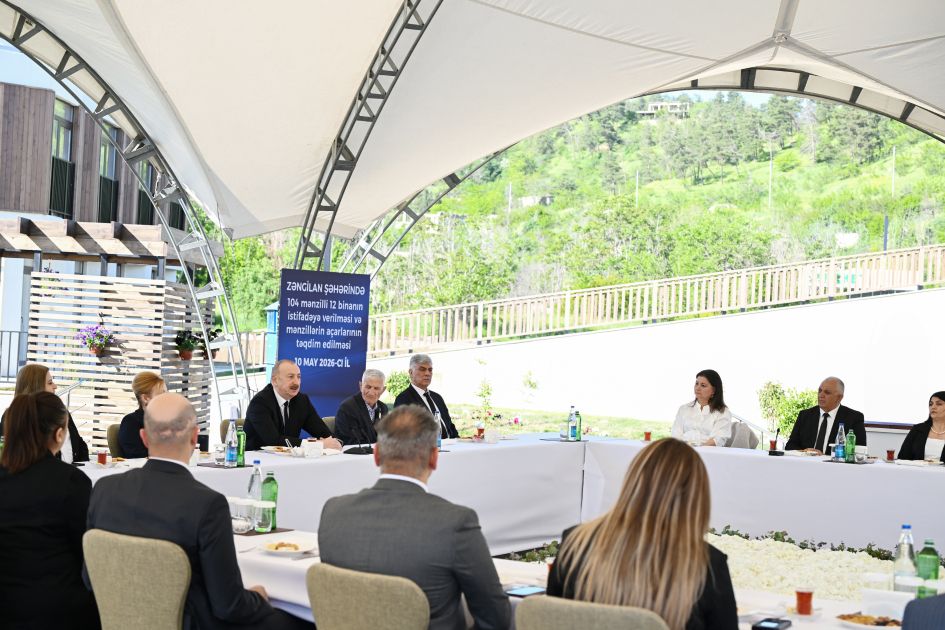
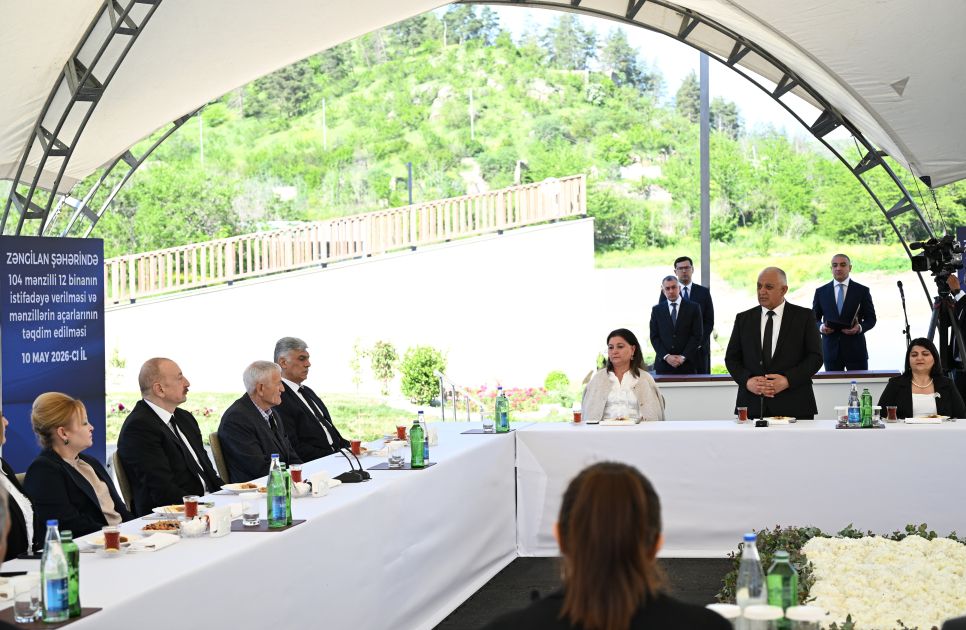
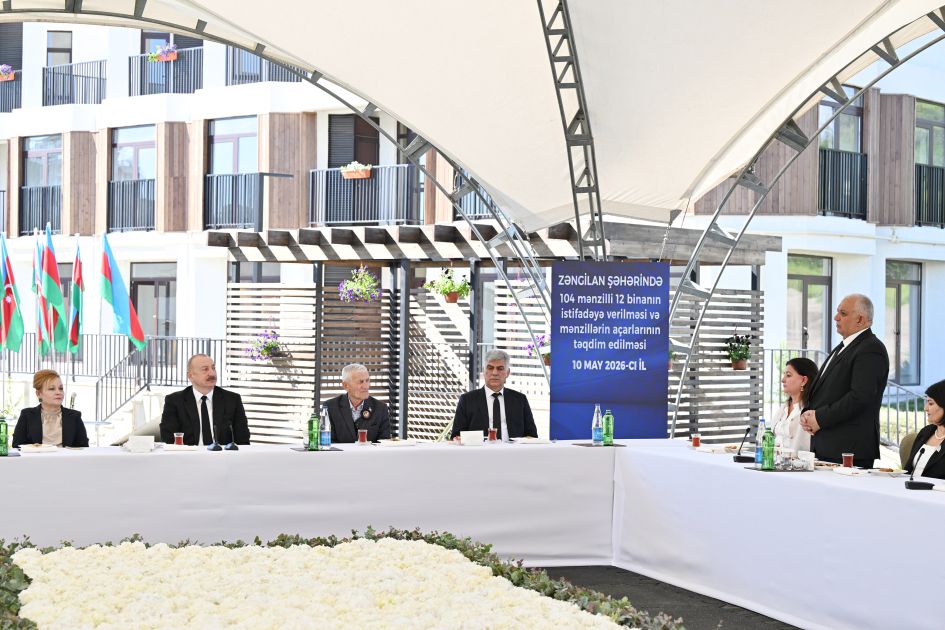
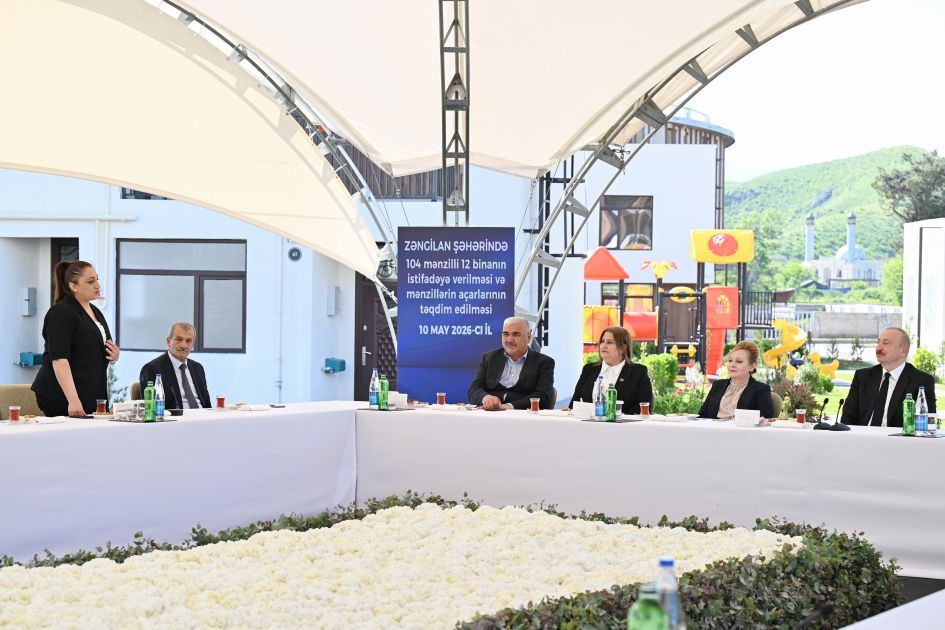
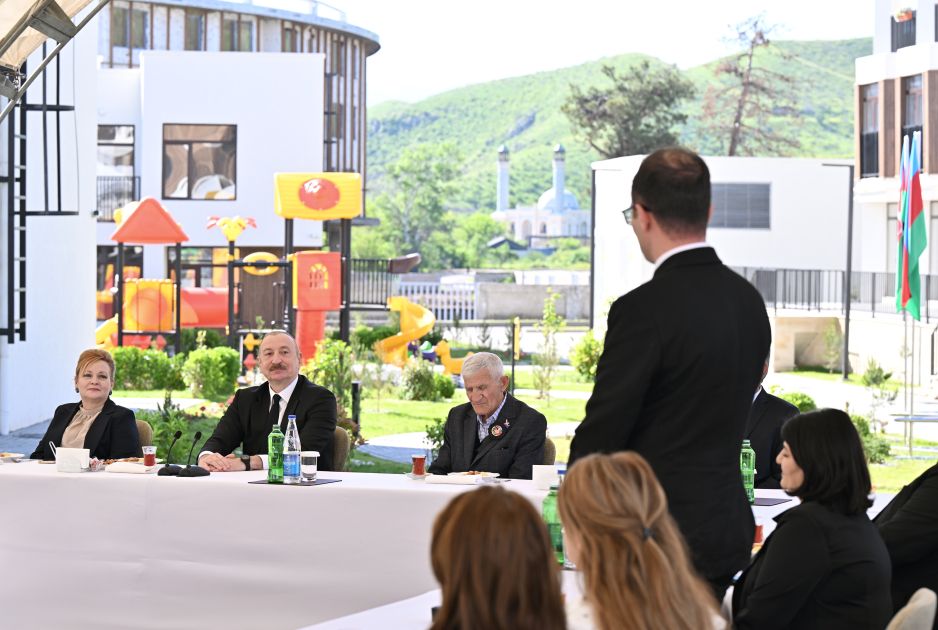
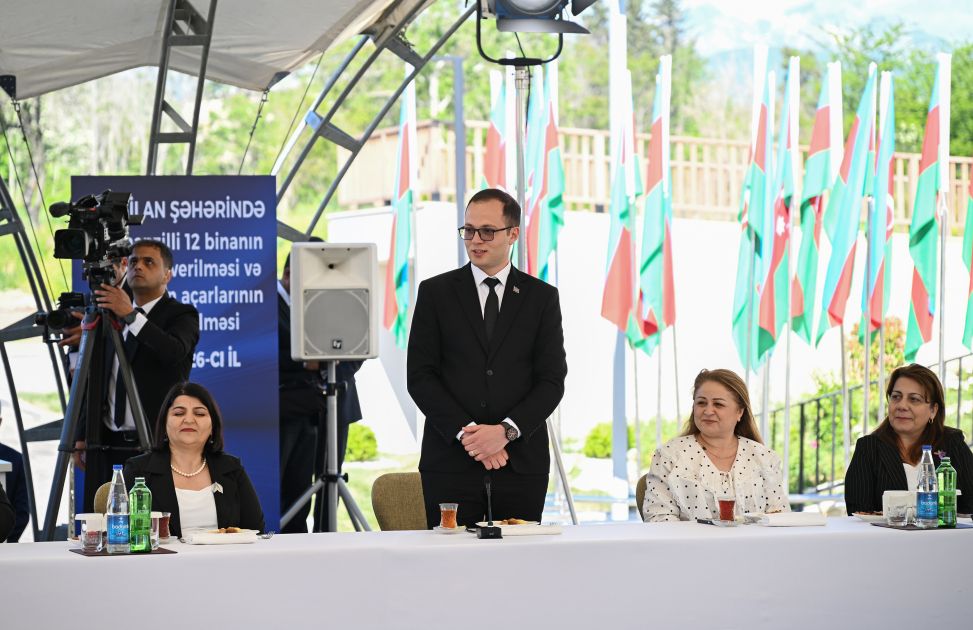
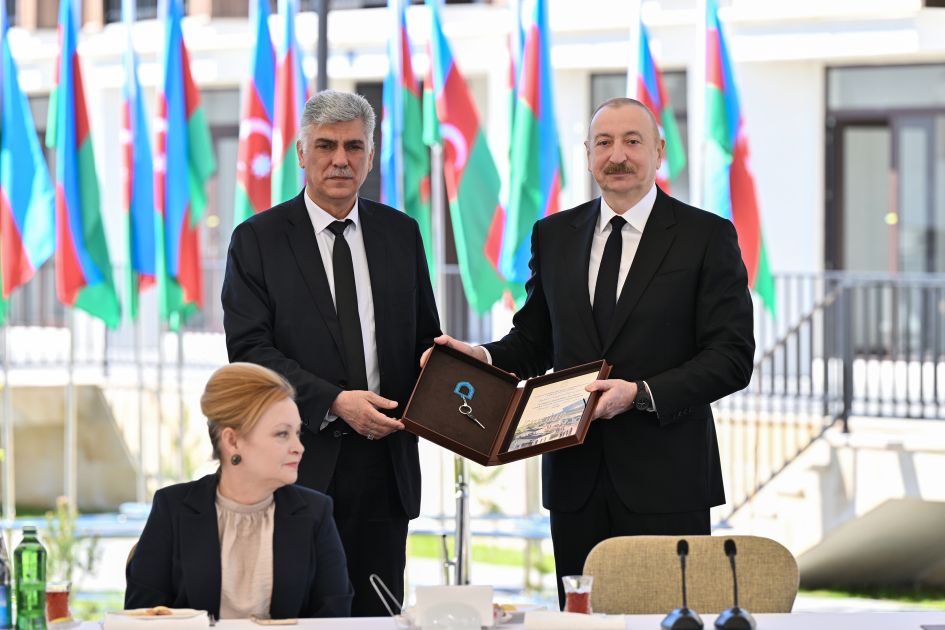
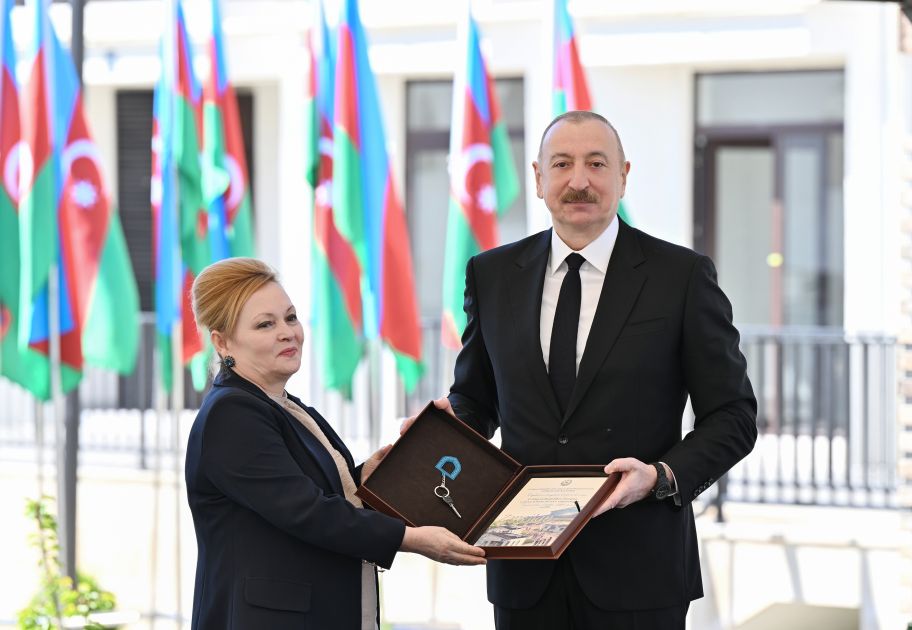
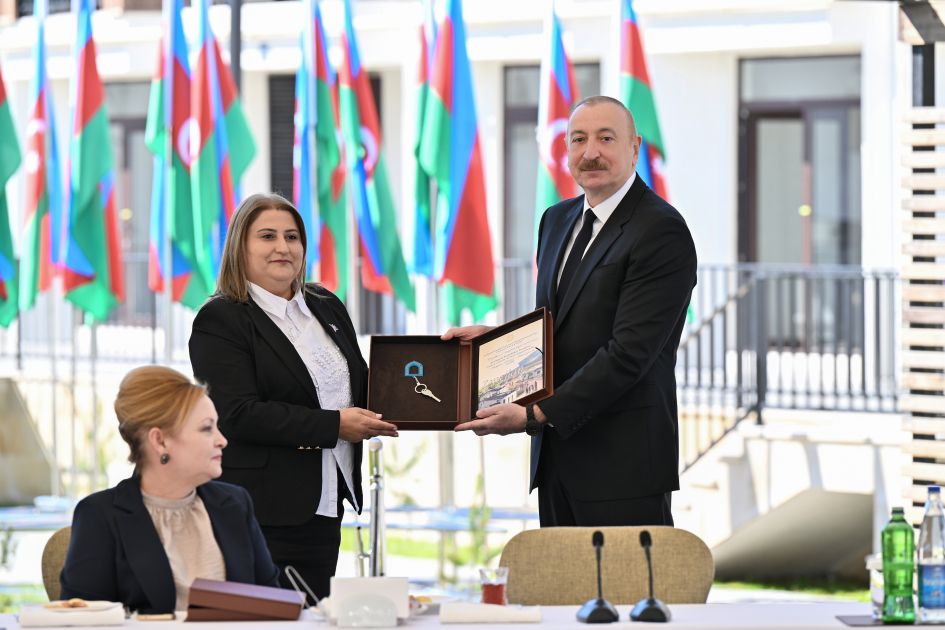
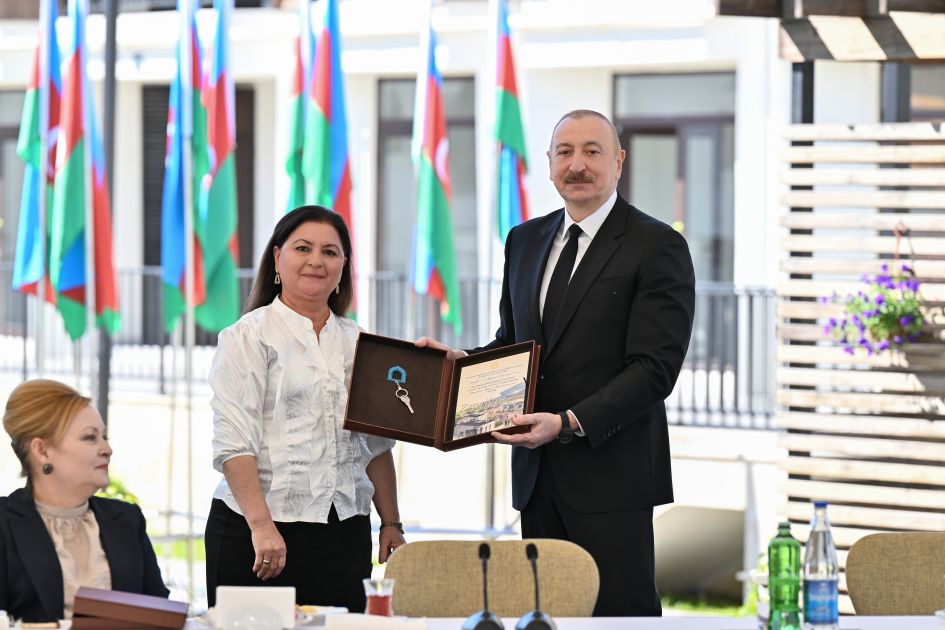
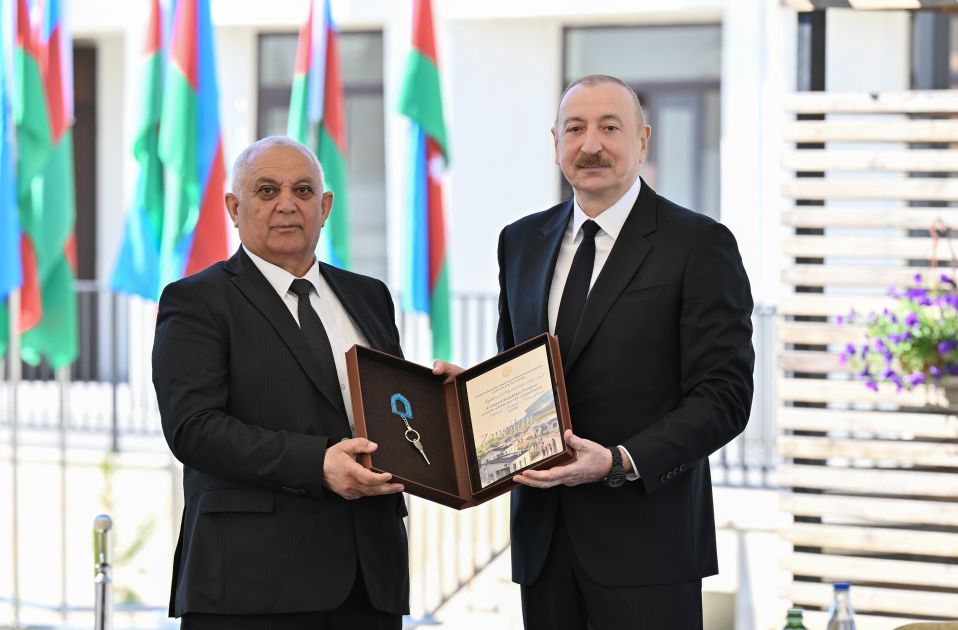
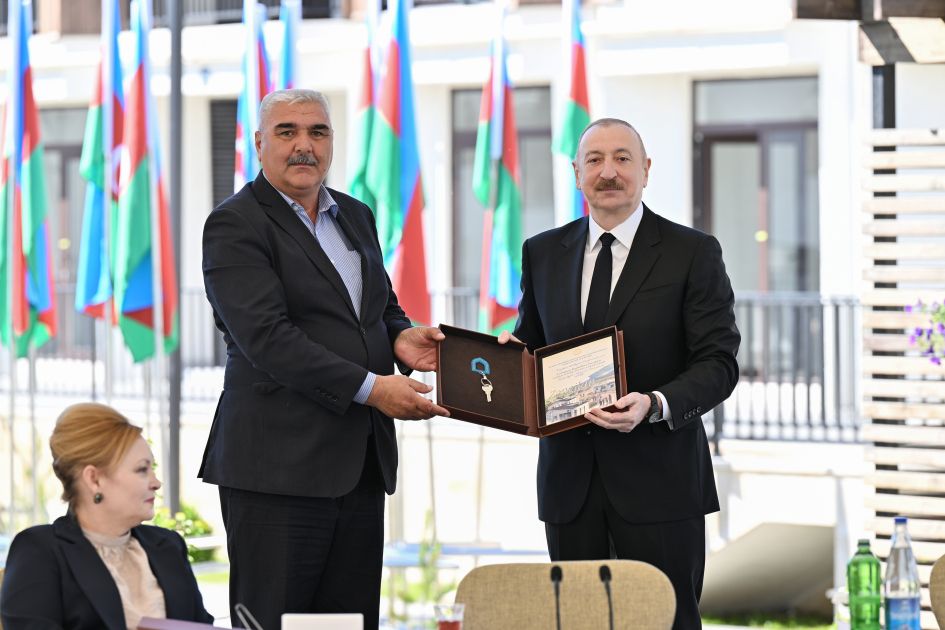
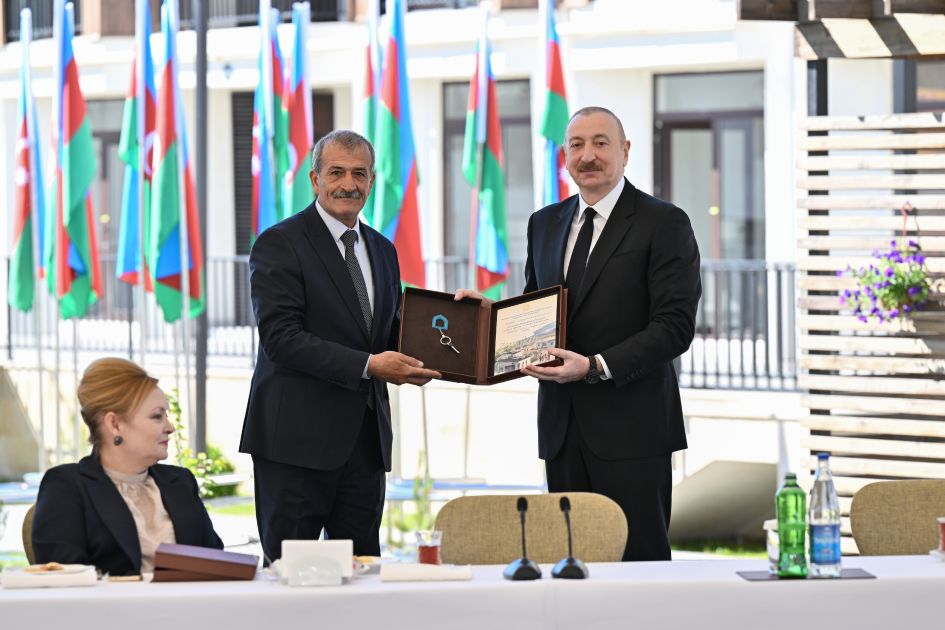
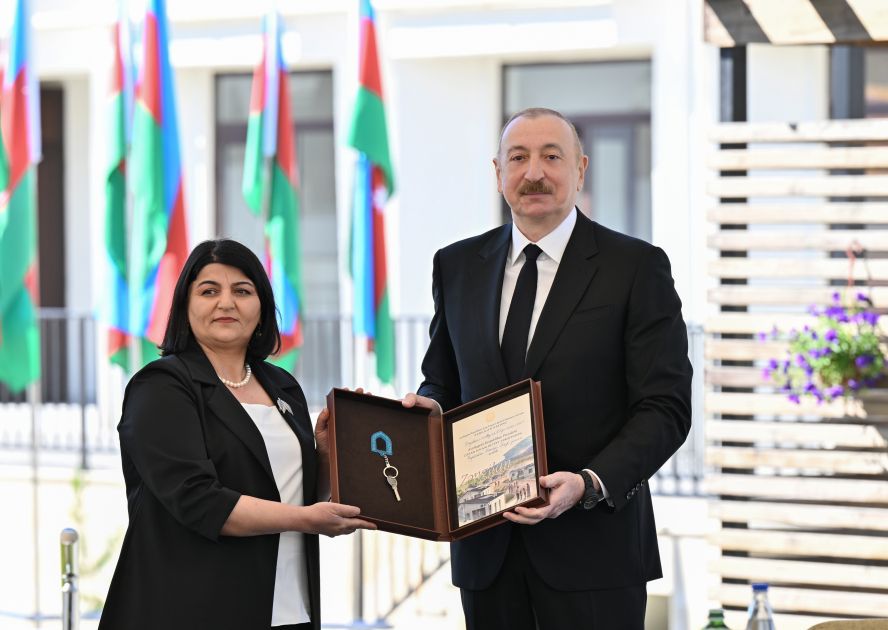
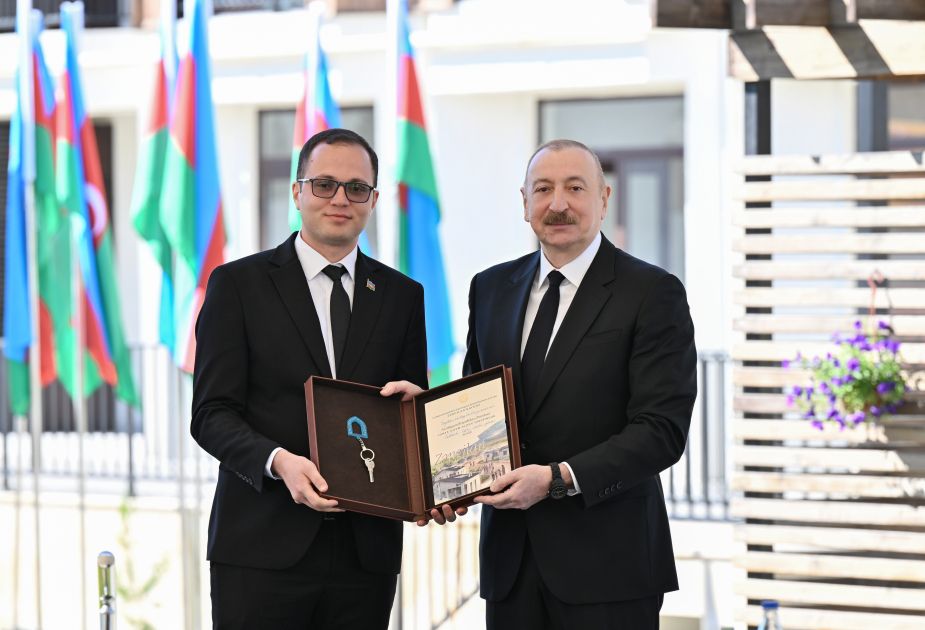
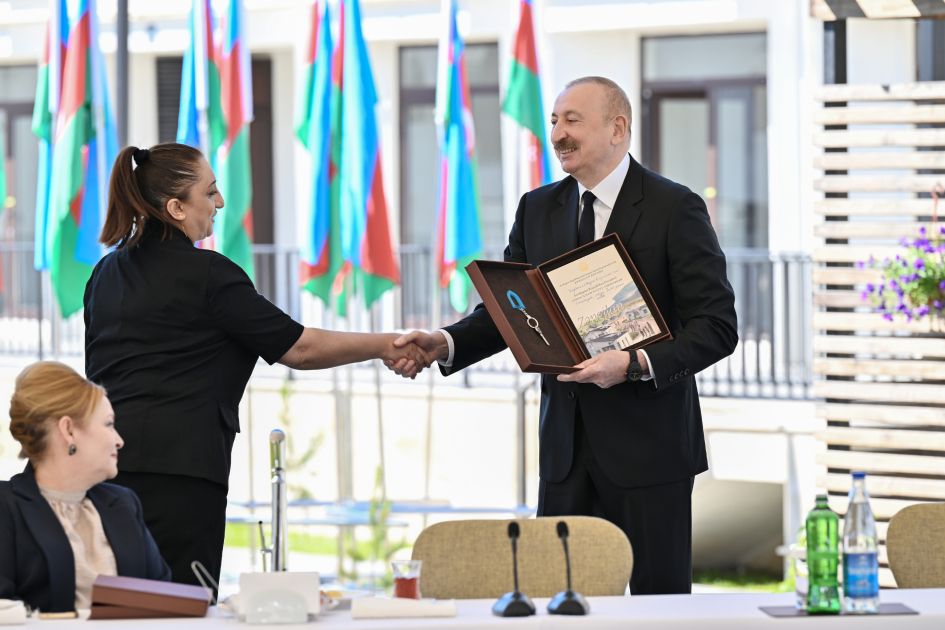
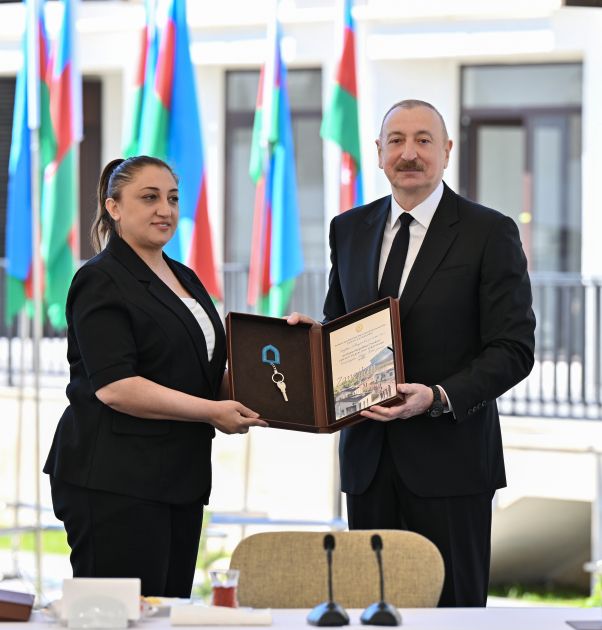
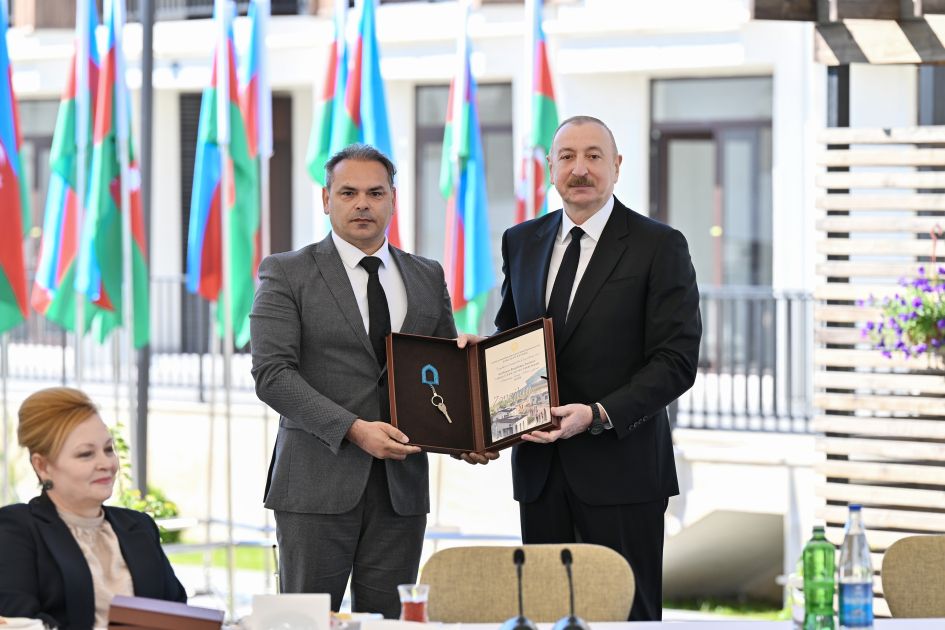
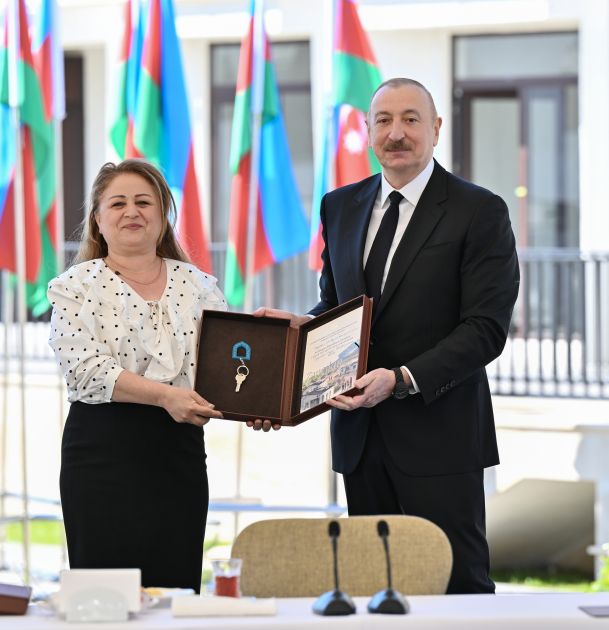
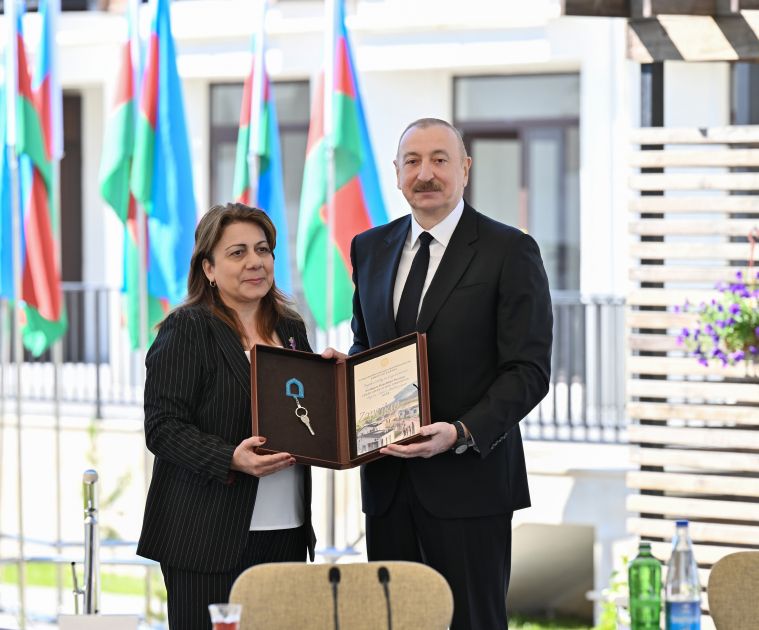
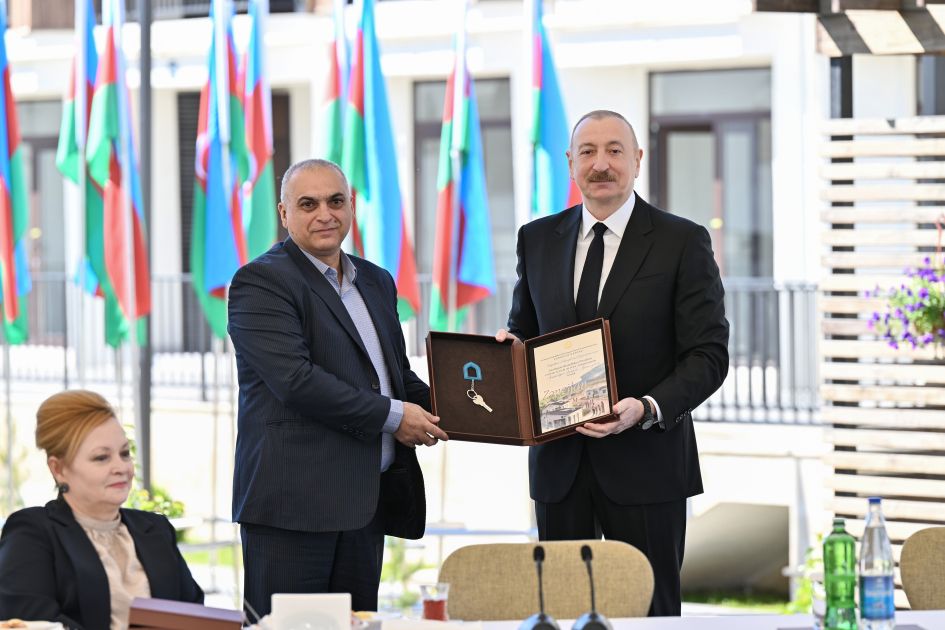
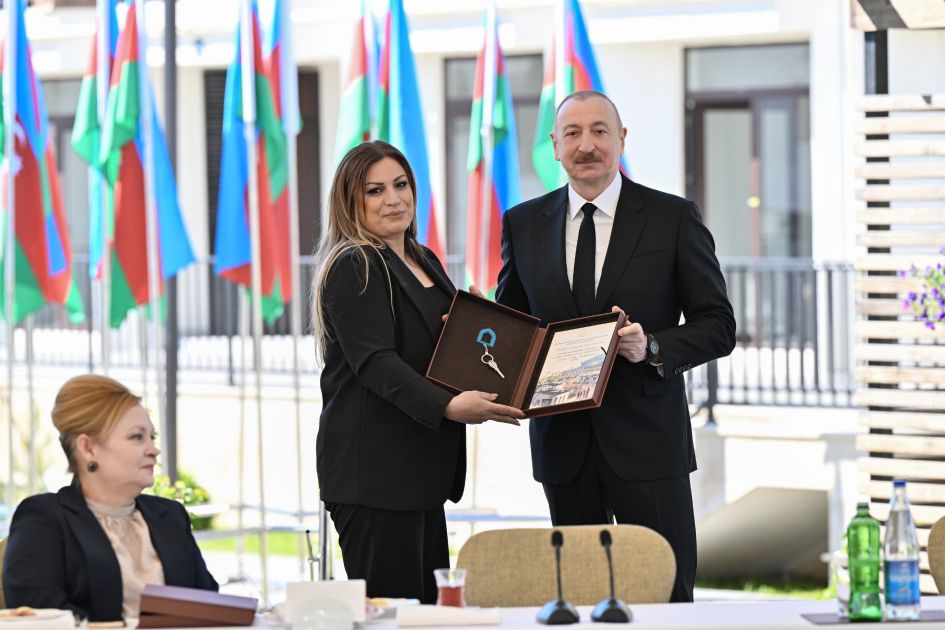
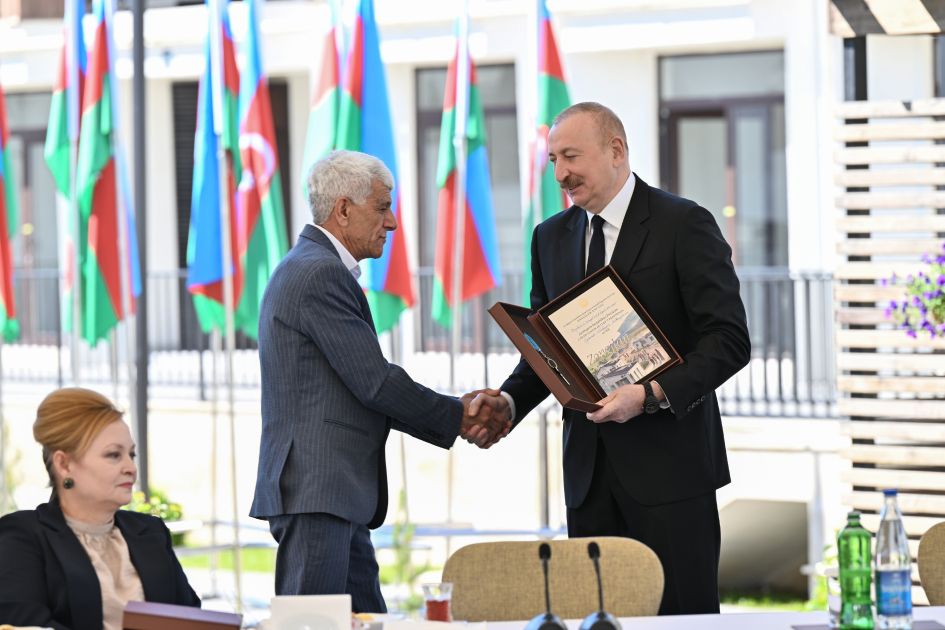
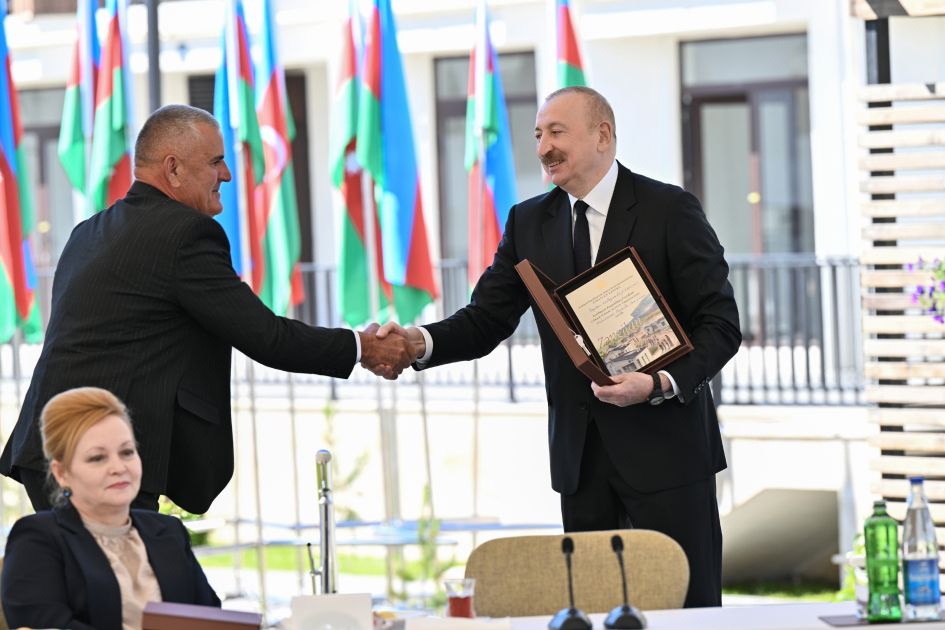
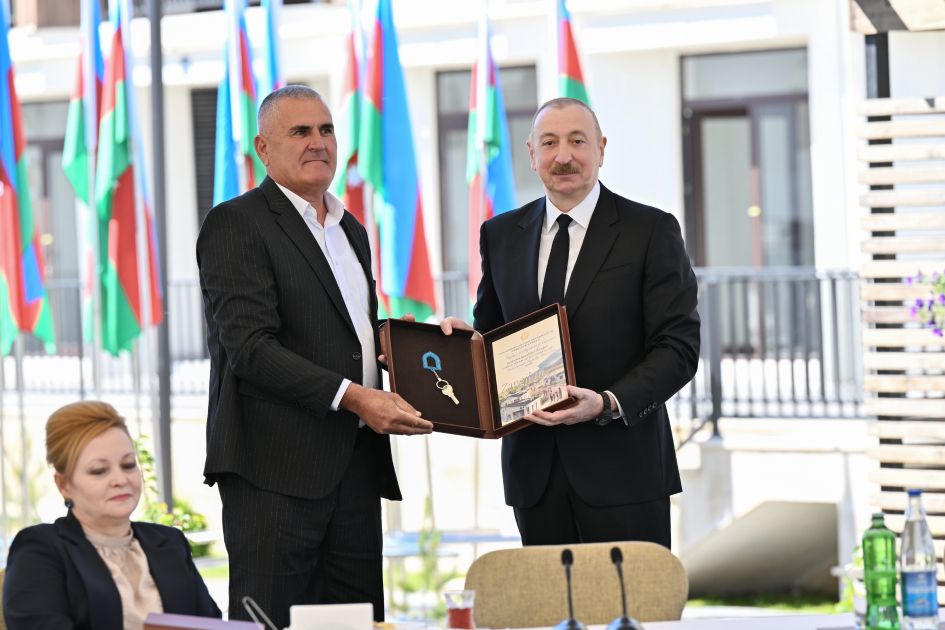
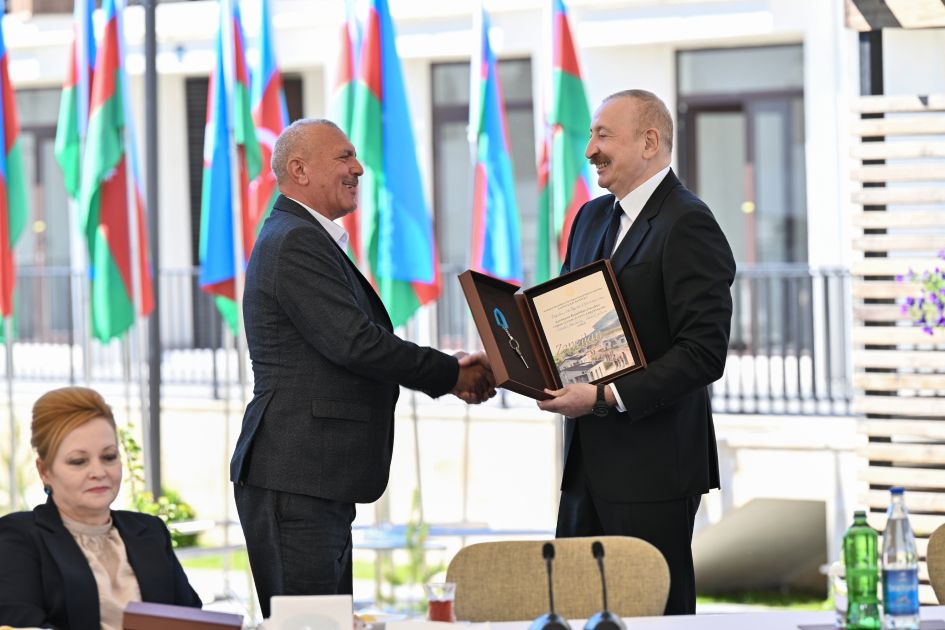
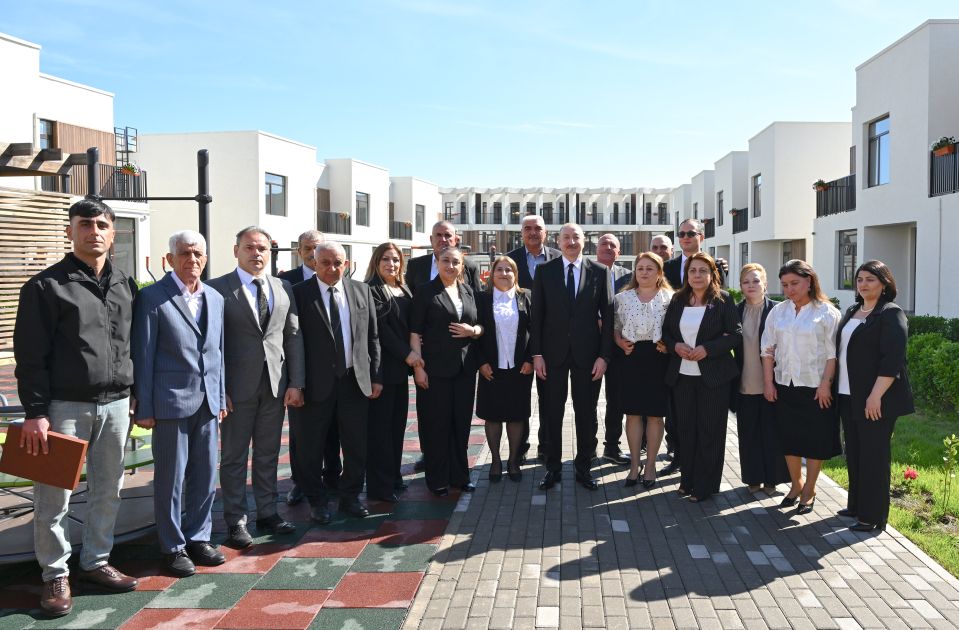
Read moreOn May 10, President of the Republic of Azerbaijan Ilham Aliyev met with families relocating to the first residential complex in the city of Zangilan and presented them with the keys to their new apartments, AzerNEWS reports.
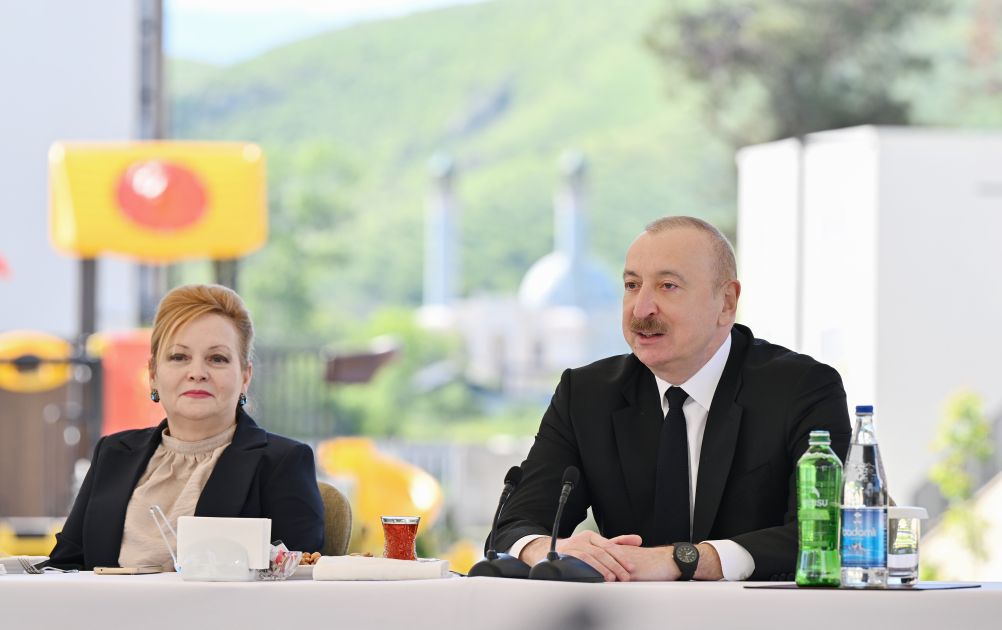
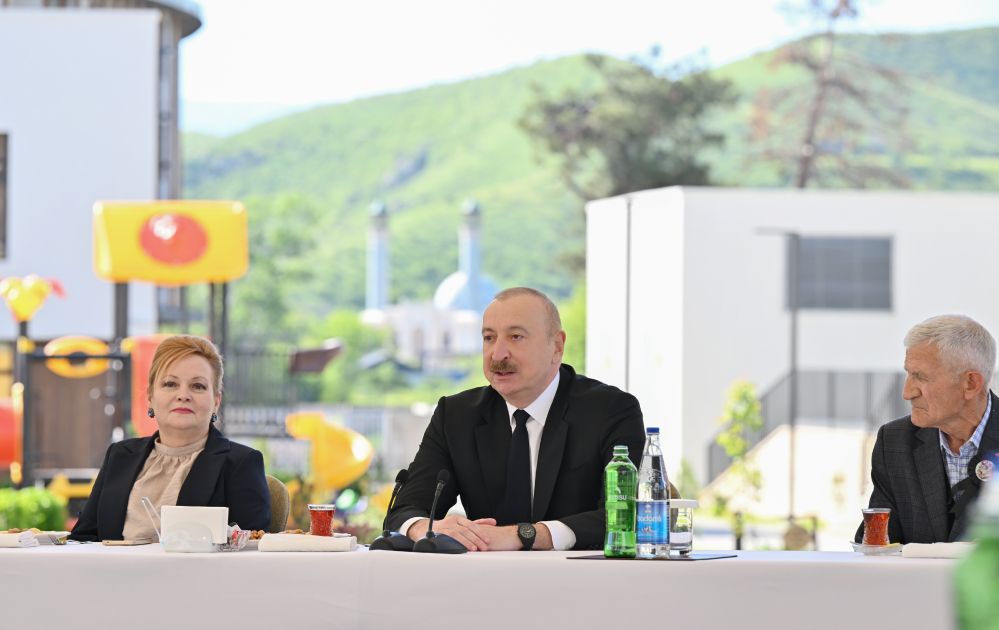
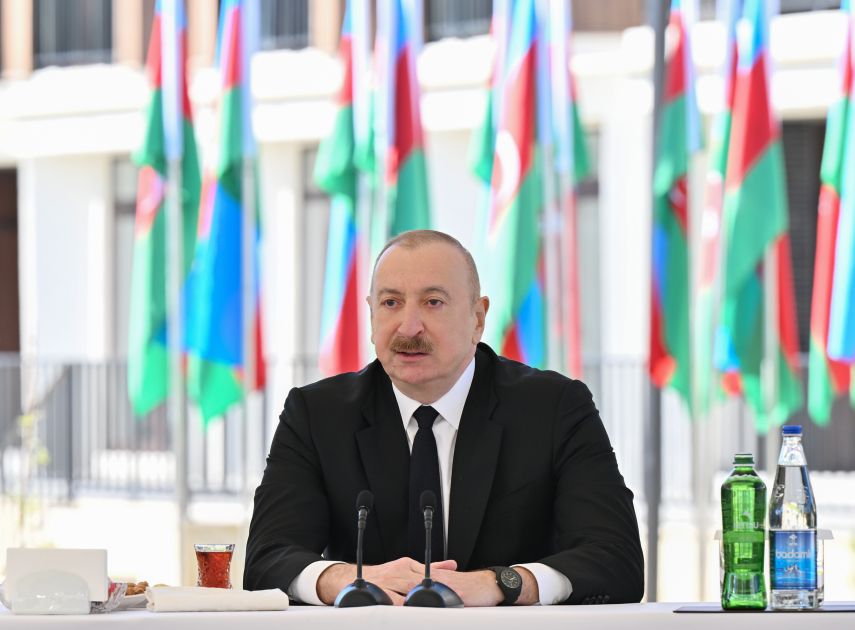
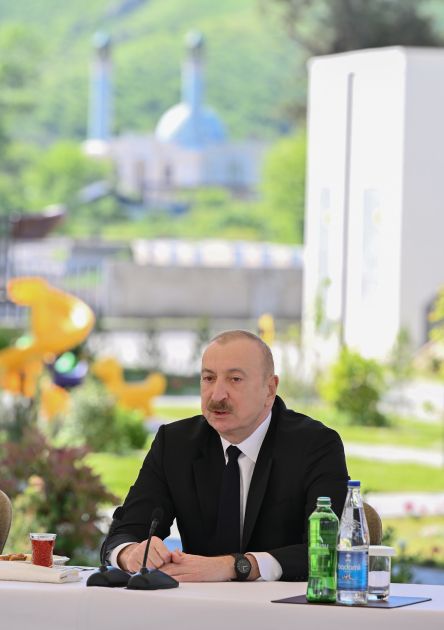
The head of state delivered a speech at the meeting.
Speech by President Ilham Aliyev
- Today is a very beautiful and remarkable day for the residents of Zangilan. After a long hiatus, you are returning to your native land—to the city of Zangilan. I sincerely congratulate you on this occasion.
Today is the birthday of National Leader Heydar Aliyev, and it carries symbolic meaning that our meeting is being held precisely on this day. The greatest dream of National Leader Heydar Aliyev was the liberation of our native lands from occupation. We—his successors—have fulfilled his testament. Today, every inch of land within the territory of Azerbaijan belongs to the Azerbaijani people. By expelling the occupiers from our lands, we have restored our territorial integrity and sovereignty.
The role of National Leader Heydar Aliyev in the history of Azerbaijan is undeniable. As a result of his activities, Azerbaijan was able to preserve its independence during those difficult years. As you know—and as the older generation remembers well—in 1993, not only our territorial integrity but our very independence was under threat. The individuals leading our country at that time were steering it toward catastrophe. The occupation of our lands, the fall of Shusha, Lachin, and Kalbajar under Armenian occupation, internal strife, lawlessness, anarchy, and the outbreak of civil war as a result of the provocative and treacherous activities of the then-authorities meant that the young independent state of Azerbaijan was effectively on the verge of fragmentation. Had Heydar Aliyev not returned to power at the demand of the people, the fate of our nation and state could have been very dire. It was precisely due to his efforts that all negative trends, civil war, powerlessness, and lawlessness were brought to an end; stability was established in our country, development began, and the process of army building gradually commenced. Before his return to Azerbaijan, we effectively had no regular army, and our defeat in the First Garabagh War was precisely because of this. The individuals leading our army at that time not only lacked professional military knowledge but, through their treacherous activities, allowed our lands to fall under occupation. That coward and traitor who said, “If Shusha is lost, I will put a bullet in my head,” is still wandering around today. But our tragedy at the time was that people like him had seized key positions in Azerbaijan. Individuals with no knowledge, ability, or experience were appointed to the highest state posts. Our army was effectively in the hands of bandits.
Strong political will and the support of the people were necessary to curb all these negative trends, including bringing various illegal armed groups under control. Both were present. The decisive role of the National Leader in the history of Azerbaijan will never be erased from our memory. By continuing his policy, today we stand here in Zangilan. We expelled the enemy from our lands and restored our territorial integrity. Leading up to that, we built a strong economy, established a powerful army, strengthened patriotic spirit in society, and effectively succeeded in leading Azerbaijan out of international isolation. During the Second Garabagh War, despite all the pressure exerted on us, none of it yielded results, even though the number of those wanting to stop us was quite high. First of all, there were the co-chairs of the OSCE Minsk Group. Each of those countries wanted to stop us for its own reasons. Throughout the 44 days, pressure was repeatedly placed on us. Those countries are not ordinary states—they are nuclear powers and permanent members of the UN Security Council. Look at who we were facing. Each of them was doing its utmost to make this occupation permanent, to use it as a tool, and ultimately to deny the Azerbaijani people the opportunity to breathe freely. Not only them, but other countries as well did not want our victory.
To demonstrate strong resolve in the face of such pressure, to tell them that it was a matter of “do or die” for us and that we would never turn back from our path, certainly required immense determination. Just as in 1993, the support of the people was necessary. That support existed, and our entire nation united as one fist. That gave me strength. We had no intention of stopping until the very end—until the liberation of Shusha.
Naturally, continuing the war at that point was not advisable, and subsequent events clearly demonstrated this. With the liberation of Shusha, the backbone of the Armenian army was effectively broken. The Armenian armed forces were effectively encircled. Stopping the war at that time allowed us to return the Kalbajar, Lachin, and Aghdam districts through political means—effectively through an ultimatum—without further bloodshed. The ultimatum was clear: if Armenia did not withdraw from these lands within a short period—effectively one month or even less—all remaining Armenian armed forces in Garabagh would be destroyed. The order had already been given, and a contingent of 15,000 Armenian armed forces would have been annihilated. It was for this reason that Armenia withdrew from the Kalbajar, Lachin, and Aghdam districts in accordance with our demands.
No other factors were at play here; no outside forces were pressuring them—only our firm stance. The territories that remained outside our control were bound to return to us sooner or later, and it happened sooner rather than later. Again, strong will, professionalism, and the tactical steps and military operations carried out until September 2023 laid the groundwork for the anti-terror operation to last only a few hours. The Armenian army surrendered for a second time, separatism was ended, the occupation was brought to an end, and we fully restored our sovereignty.
This entire glorious history will remain with us forever. Naturally, our generation will never forget it, and the younger generation must know it—in schools, in families, and throughout society. This brilliant history is our source of pride, and it will remain so eternally.
Of course, I once again return to the political legacy of the National Leader. The decisive moment came precisely in 1993; after he was elected President in October, all those negative trends were halted. True, our resources were very limited at that time, and there were many problems. The number one issue was the living conditions of internally displaced persons (IDPs). We gradually began resolving that issue, and by 2007, no tent camps remained; we relocated people living there into houses and apartments. During the years of occupation, whenever I met with former IDPs in the new settlements built by the state, I would tell them that those places were temporary. I would say that after the liberation of our lands, even better conditions would be created for them. Today, this beautiful view of the city of Zangilan once again confirms those words.
Eliminating the consequences of the occupation is also an extremely difficult process. Mines, the poisoning of lands by the occupiers, and ecocide. Look at the Basitchay area—it was a world-famous nature reserve. It was regarded as the second-largest concentration of plane trees in the world and a sanctuary for ancient plane trees. The Armenian state destroyed nearly half of it. Some trees were burned, others were cut down and sold. In total, 60,000 hectares of our forest fund were destroyed by the savage occupiers. Most of the destruction occurred in the Kalbajar and Lachin districts, but Zangilan also suffered. It was looting, hostility, and cruelty—without any justification. The Azerbaijani people caused no harm to the Armenian people. The reasons behind such hatred toward us should perhaps be studied by psychiatrists, psychologists, and doctors. As long as political forces in Armenian society continue to live with hatred toward Azerbaijan, we must remain vigilant.
Today we live in conditions of peace, and we are the authors of this peace. Had we not wanted it, there would be no peace. If we had wished, we could have conducted military operations anywhere. The Armenian leadership knows this, and those standing behind them know it as well. No matter how much support they provide Armenia, they know they stand no chance against our strength; they are helpless. If they truly had the power, they would have helped Armenia back in 2020. Certain foreign leaders who now visit Armenia and portray themselves as false heroes were the very same leaders in power in their own countries in 2020—they should have come then and stood up for Armenia. There is nothing but empty talk. That is all they do, which is why their support ratings in their own countries remain at 10–15 percent. Now they allegedly claim to have rescued Armenia from our hands. We had no intention of destroying Armenia or depriving it of its independence. Today, Europe’s so-called observers are still supposedly monitoring the Azerbaijan-Armenia border. I said it then as well: if we fired a single shot, they would flee immediately, and not even a trace of them would remain there. Yet they portray themselves as if they are protecting Armenia from us. There is no need to protect Armenia from us. We have achieved what we set out to achieve. Presenting themselves as false heroes in Armenia, as though they stopped Azerbaijan—as if this “aggressive” Azerbaijan would otherwise have destroyed Armenia—is complete nonsense. We never had such intentions, we do not have them now, and we will not have them in the future, provided that no new provocations are committed against us. However, we know that within Armenia’s political sphere there are still circles driven by hatred toward the Azerbaijani people and state, and if they come to power, it is the Armenian people who will suffer.
We liberated our own lands from occupation through blood and sacrifice. May Allah rest the souls of all our martyrs in peace. All our servicemen and heroic warriors deserve the highest appreciation. We demonstrated will, professionalism, high moral qualities, and dignity both on the battlefield and in the political arena. It is precisely because of this that respect for Azerbaijan today has perhaps increased tenfold compared to previous years.
Today, everything is evident. Azerbaijan’s international standing and prestige are at an all-time high. The respect, sympathy, and positive attitude toward us continue to expand. There are clear reasons for all of this: our dignified policy, the alignment between our words and our deeds, and, of course, our military victory. I have said this many times, and now everyone can see it for themselves – one does not need to be a historian to recognize this. In a short period, no other country has achieved a victory as complete, absolute, and unequivocal as ours. Furthermore, unlike Armenia, we conducted this war in full compliance with all international humanitarian norms. They targeted our cities and villages with "Iskander-M," "Scud," and other long-range ballistic missiles. They waged war against the civilian population in both the First and Second Garabagh Wars. We, however, did not destroy a single civilian object belonging to Armenians.
They committed the Khojaly genocide. In contrast, when they were leaving Garabagh for Armenia, we stationed police along the roads to provide them with bread and water. That is the difference. I do not wish to generalize too deeply–every nation has its good and bad representatives–but taken as a whole, this is the distinction. It was not just the Armenian leadership or the Garabagh separatists who razed Zangilan to the ground. Virtually their entire population was engaged in mass looting. They would openly say, "We are going to plunder." For them, this was a rule, a normal form of behavior. Savagery was considered normal–who could steal more stones, who could rip out more window frames, or who could dismantle more roof tiles. Then they would take those items and sell them in both Iranian and Armenian markets. That is the difference. Could we ever do such a thing? Our people would never even consider it.
As I said, there are many reasons for the respect we receive in the world today: as a victorious nation, as a people who fought according to the laws of war, as a people who observe humanitarian rules, and as a nation that builds and creates. Zangilan was in their hands for 30 years; if this were truly their land, they would have laid at least one stone upon another. We have conserved the ruins of the Zangilan mosque and organized a small photo exhibition there so that no one forgets the state they reduced our religious and historical monuments to. If this land belonged to them, they would have built upon it. Only five years have passed, and look–not just in Zangilan, but everywhere–reconstruction is in full swing: roads, bridges, power plants, reservoirs, and homes and schools for the displaced are being built. This is how a rightful owner acts. A looter and an occupier come only to dismantle and destroy. But no matter how much they destroyed, they could not break our will. We had to return, and we have returned as the owners of these lands. Now we are building and creating, including here in the Zangilan district. This is the first residential quarter in the city; there will be a second and a third. Some of these projects have been approved, others are about to be, and construction will follow. Next to that ruined mosque I mentioned, we have built the Zangilan Mosque–which is perhaps one of the most beautiful in our country. In fact, the first inhabited settlement was established in Zangilan, in the village of Aghali. This was a sign of the special importance we place on Zangilan. Now, the village of Mammadbeyli has been built nearby. This city will continue to expand.
An airport and a congress center are already operational in Zangilan. Furthermore, the first agricultural enterprise in the liberated territories, "Dost Agropark," was established right here in Zangilan. According to the information provided to me, it is already reaching its targets. The goal was 10,000 head of pedigree cattle, and it is nearing that figure, with work ongoing on nearly 6,000 hectares of land.
Zangilan is situated along a vital transport corridor. We will transform Zangilan into a transport hub, not only for Azerbaijan but for the entire region.
A railway is under construction. In the near future–perhaps in a year or a year and a half–it will be possible to travel from Baku to Zangilan by rail, just as people travel to Aghdam today. Next year, they will be able to reach Khankendi by train. This railway will continue further, connecting to Nakhchivan via the Zangezur Corridor. In practice, it will be a mere 30-minute journey from here to Nakhchivan. Through this geographic link, we will reunite Nakhchivan–an integral part of Azerbaijan–with the main part of our country.
At the same time, at our initiative, a bridge on the Iranian border has essentially been completed, and the border-customs infrastructure and buildings are currently being constructed. It will likely be ready for inauguration in a few months, becoming an international transport corridor. Both the railways and highways passing through here will bring immense benefits, as the people serving those routes will be provided with jobs. This will make a massive contribution to the economy of Zangilan and Azerbaijan as a whole.
Once the border with Armenia and the Zangezur Corridor are opened, Zangilan will effectively become the only district in our country with border crossing points to two neighboring countries. Consider the immense significance of this: it serves both the East-West corridor–stretching from Nakhchivan to Türkiye and then to Europe–and the North-South corridor, connecting Zangilan via Aghband to Iran and the Persian Gulf, and through Nakhchivan to Julfa and the Persian Gulf again. This will become an international hub–an indispensable one. This is our vision, and this is how it will be, because every plan we have made to date has become a reality.
Regarding the work in the liberated lands, we were both in a hurry and striving to ensure everything was done correctly. It was done systematically, based on a strategy to ensure everything is proper–for people’s living standards, employment, and education, as well as for the national economy. Look at the Zangilan district: within five years, hydroelectric power plants with a capacity of 42 megawatts were built. This did not exist during Soviet times. Now, this can fully and independently provide Zangilan with energy, even if 200,000 people were to live here. Overall, we are already generating over 300 megawatts from water. Within a year or two, we will generate even more than that from solar power.
All of this represents the strength of our country. I repeat, everything is being carried out according to plan. We are working to return the former internally displaced persons to their homelands as soon as possible. At the same time, everything must be designed so that the liberated territories become an exemplary model–not just in Azerbaijan, but in the world. And that is exactly what will happen.
I congratulate you once again and wish you health.
x x x
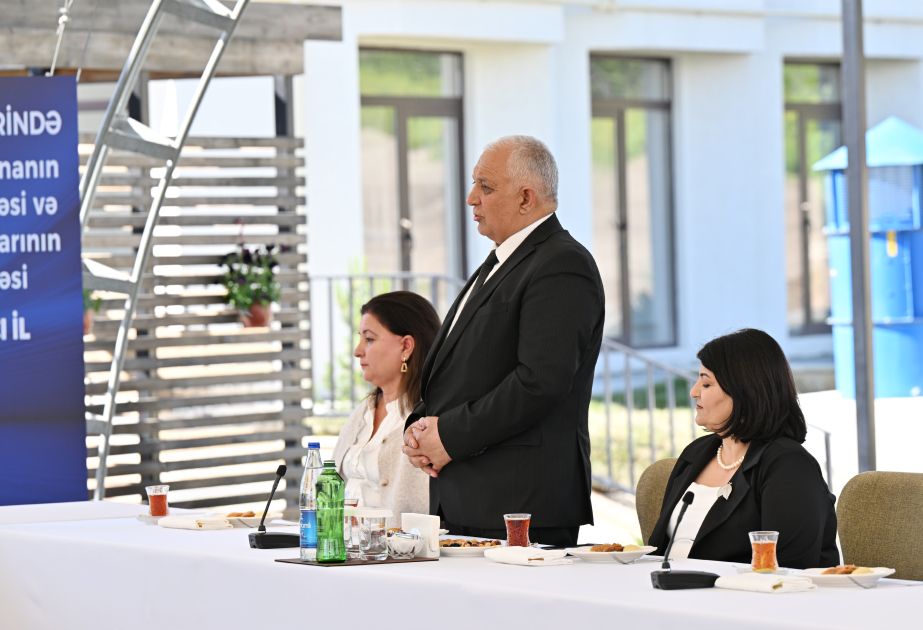
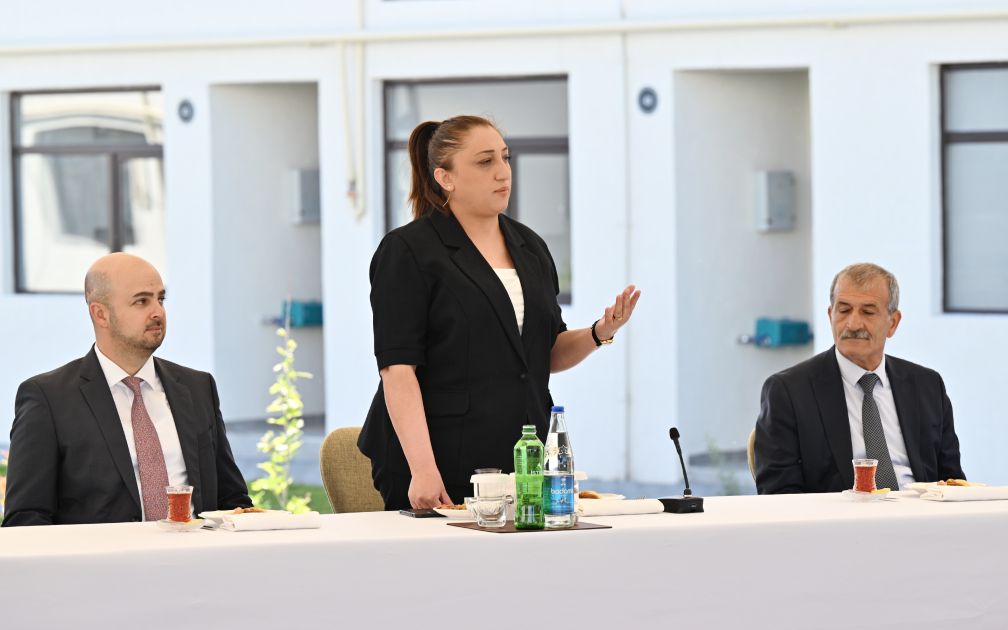
The residents thanked President Ilham Aliyev for the attention and the conditions created.
x x x
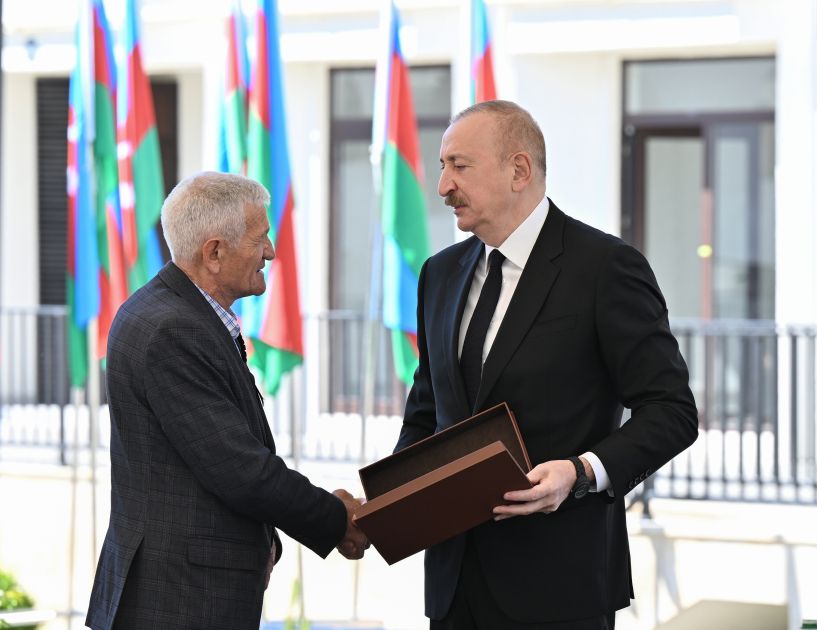
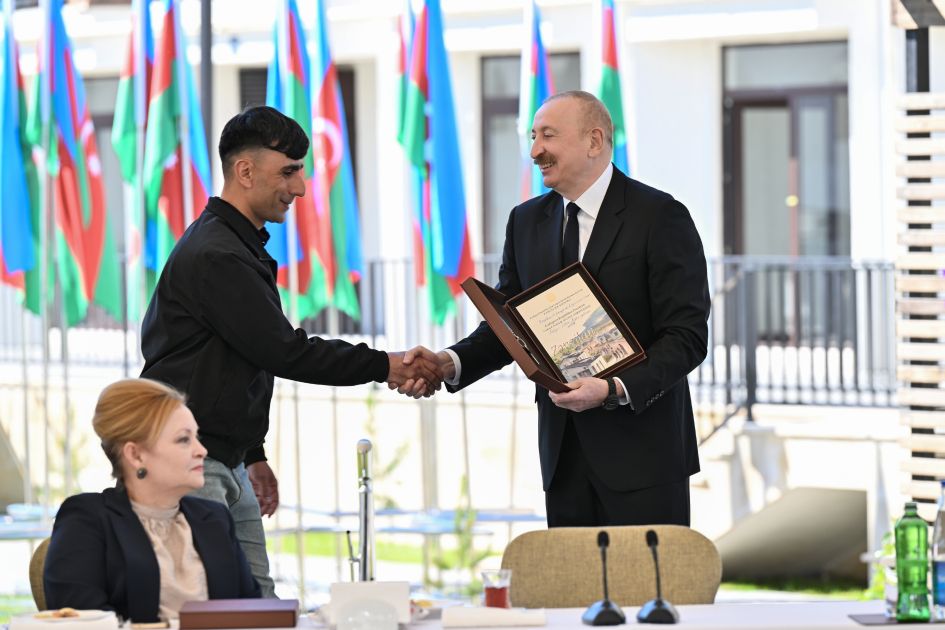
The key handover ceremony then took place.
x x x
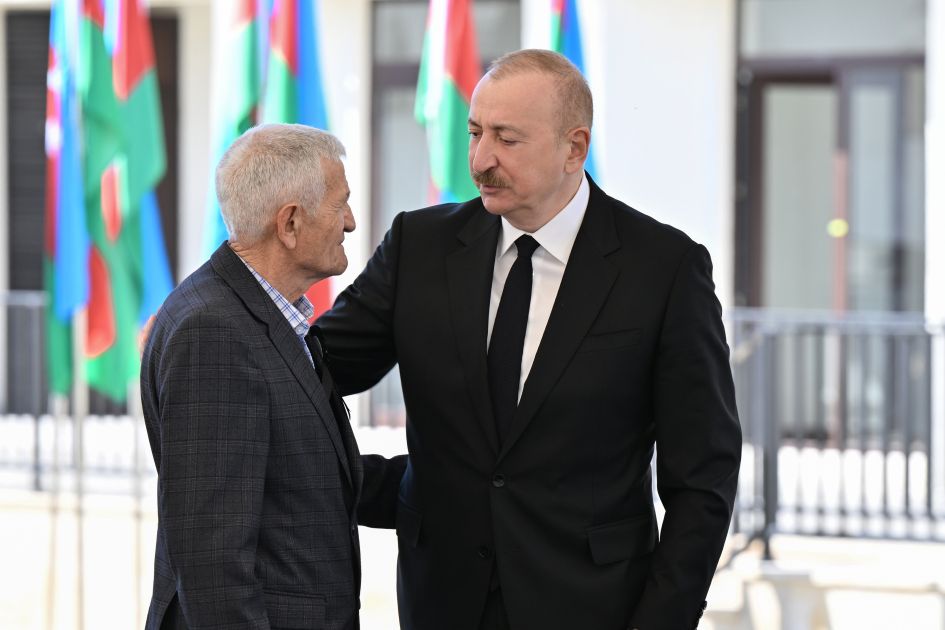
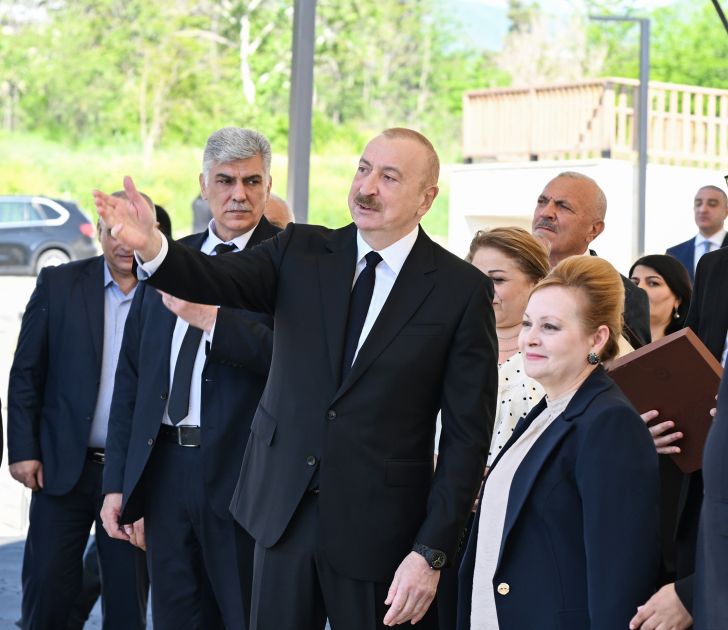
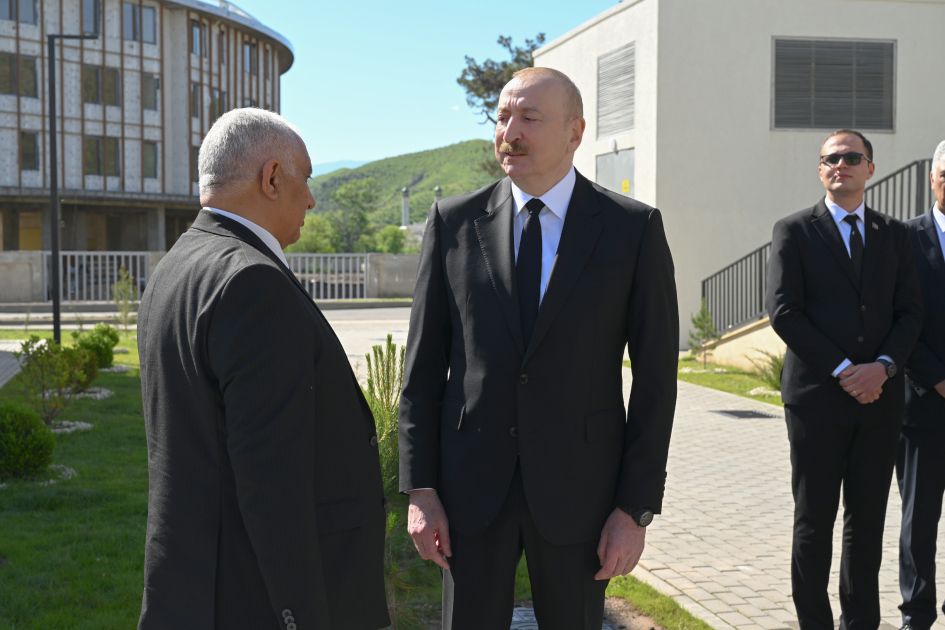
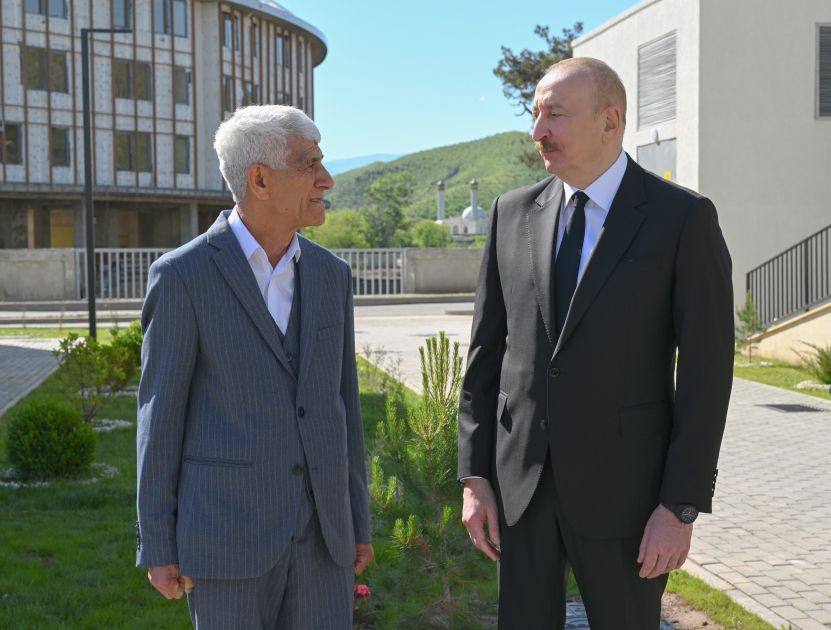
The head of state then spoke with the residents.
Here we are to serve you with news right now. It does not cost much, but worth your attention.
Choose to support open, independent, quality journalism and subscribe on a monthly basis.
By subscribing to our online newspaper, you can have full digital access to all news, analysis, and much more.
You can also follow AzerNEWS on Twitter @AzerNewsAz or Facebook @AzerNewsNewspaper
Thank you!