
Landmine threat in Azerbaijan signals growing humanitarian crisis
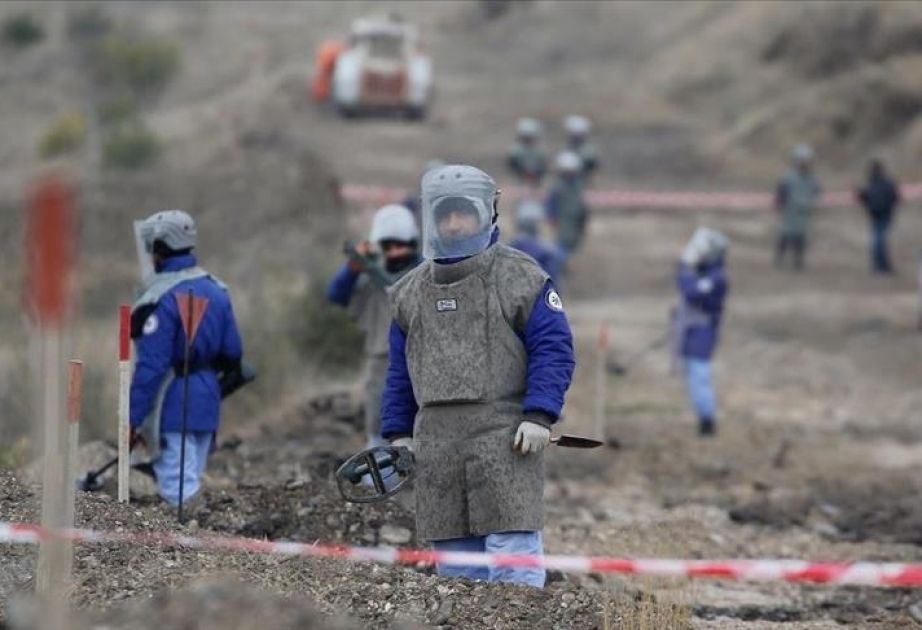
Landmine contamination remains one of the most urgent humanitarian and socio-economic challenges facing Azerbaijan in the post-conflict period. AzerNEWS reports that years of occupation have left vast territories polluted with landmines and unexploded ordnance, creating a deadly barrier to recovery, reconstruction, and long-term development.
According to official estimates, more than 1 million landmines and unexploded devices are scattered across Azerbaijan’s liberated areas, affecting approximately 13,000 square kilometers. Since the end of the 2020 war, over 350 Azerbaijani citizens have been killed or injured in landmine explosions, highlighting the continuing human cost of the conflict.
The consequences extend far beyond casualties. Tens of thousands of internally displaced people remain unable to return safely to their homes due to the persistent danger. Large areas are still classified as high-risk, slowing down resettlement efforts and delaying the restoration of normal life. Demining operations are complex, costly, and time-consuming, making rapid progress difficult.
The economic impact is equally significant. Thousands of hectares of fertile agricultural land cannot be used, directly affecting food production and rural livelihoods. Major infrastructure projects—including roads, railways, and energy systems—face delays and increased costs due to necessary clearance work. In some cases, reconstruction timelines have been extended by several years because of mine contamination.
Environmental damage further complicates the situation. Forests, water resources, and ecosystems remain unsafe, limiting biodiversity and hindering sustainable development. Experts estimate that fully clearing the affected areas could take 20 to 30 years and require tens of billions of dollars in investment.
In response, Azerbaijan has made demining a national priority. Significant financial resources have been allocated, and modern technologies such as drones and specialized equipment are being deployed. Thousands of hectares have already been cleared, allowing gradual progress in reconstruction and the return of displaced populations.
However, the scale of the problem exceeds national capacity. One of the major challenges remains the lack of accurate and complete minefield maps, which slows operations and increases risks for demining teams. Although some maps have been provided, their reliability continues to be questioned.
This reality underscores the need for stronger international cooperation. Global organizations, donor countries, and humanitarian agencies must increase their support for demining efforts, technical assistance, and victim rehabilitation programs.
Ultimately, the landmine crisis in Azerbaijan is not only a national issue but also a global humanitarian concern. Without sustained international engagement, the legacy of conflict will continue to endanger lives, delay recovery, and obstruct the path toward lasting peace.
Here we are to serve you with news right now. It does not cost much, but worth your attention.
Choose to support open, independent, quality journalism and subscribe on a monthly basis.
By subscribing to our online newspaper, you can have full digital access to all news, analysis, and much more.
You can also follow AzerNEWS on Twitter @AzerNewsAz or Facebook @AzerNewsNewspaper
Thank you!