
Azerbaijan's long-standing Asian policy enters a more substantive phase [COMMENTARY]
Akbar Novruz
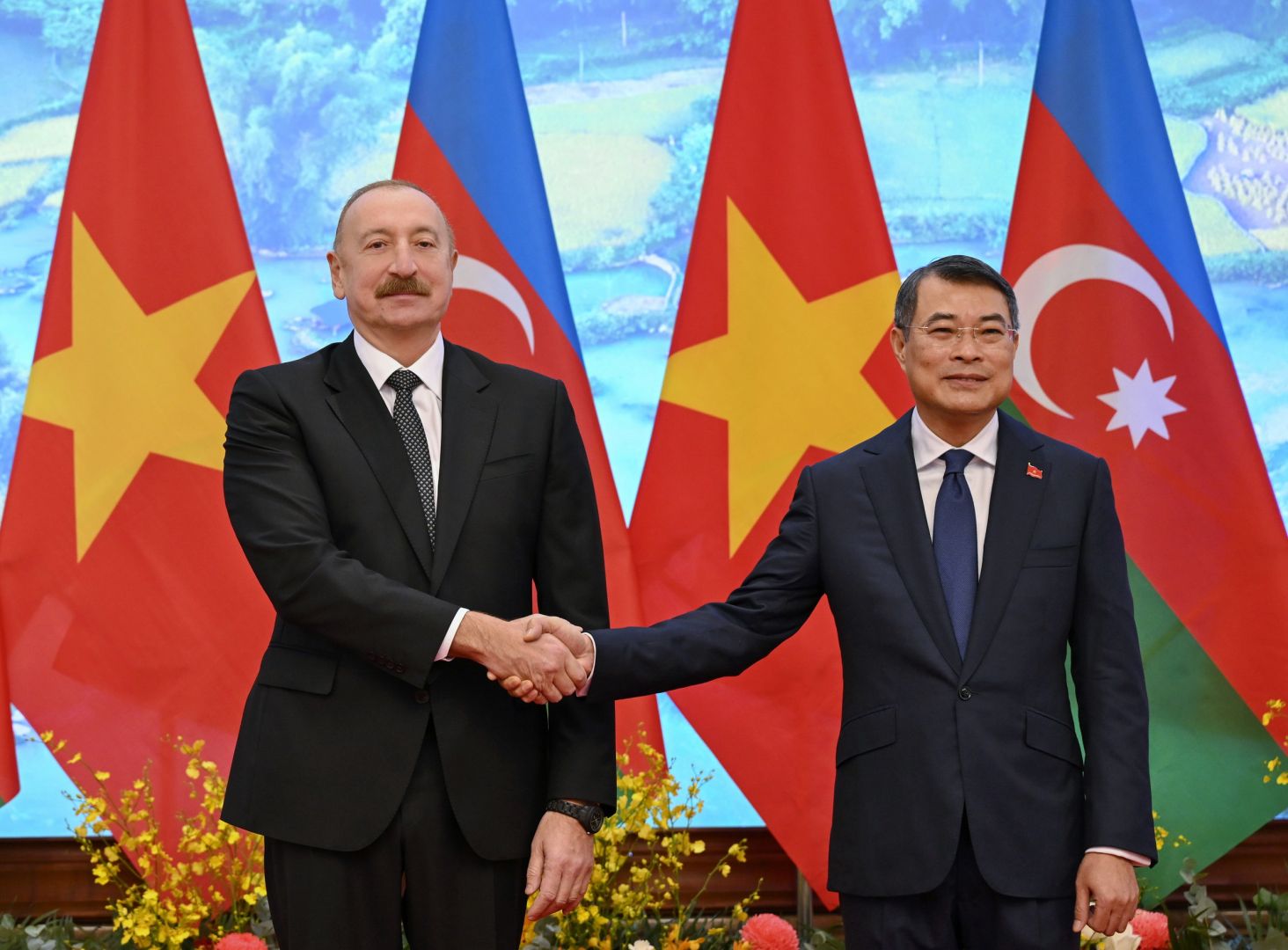
Read moreAzerbaijan's growing diplomatic engagement with Asia is entering a new phase as President Ilham Aliyev pays an official visit to Vietnam on November 19–21. The visit to Hanoi reflects a broader foreign policy trajectory through which Baku is strengthening its political and economic relationships across Central, East and Southeast Asia, while expanding its diplomatic presence beyond its traditional regional partnerships.
The visit follows the establishment of a strategic partnership between Azerbaijan and Vietnam during Communist Party General Secretary To Lam's visit to Baku in May 2025. It also comes amid an intensification of Azerbaijan's engagement with Southeast Asia, highlighted by the official visits of Cambodian Prime Minister Hun Manet and Lao President Thongloun Sisoulith to Baku in October 2026.
In the strategic roadmap presented by President Ilham Aliyev at the 8th Congress of the New Azerbaijan Party (YAP), significant emphasis is placed on the shifting global power dynamics toward the East and Azerbaijan's independent policy, one that prioritizes its national interests after fully restoring its sovereignty.
These developments form part of a wider diplomatic strategy that includes Azerbaijan's comprehensive strategic partnership with China, closer cooperation with Central Asian countries and a growing role in multilateral Asian institutions. Notably, Azerbaijan's chairmanship of the Conference on Interaction and Confidence Building Measures in Asia (CICA), originally covering 2024–2026, was extended for another two years until 2028.
Against the backdrop of the shifting distribution of global economic and political influence, Baku's expanding network of Asian partnerships raises questions about the long-term objectives of its eastern foreign policy. Beyond diplomatic visibility, what economic opportunities can these relationships generate, and how can Azerbaijan translate its participation in international organisations into more substantial bilateral cooperation?
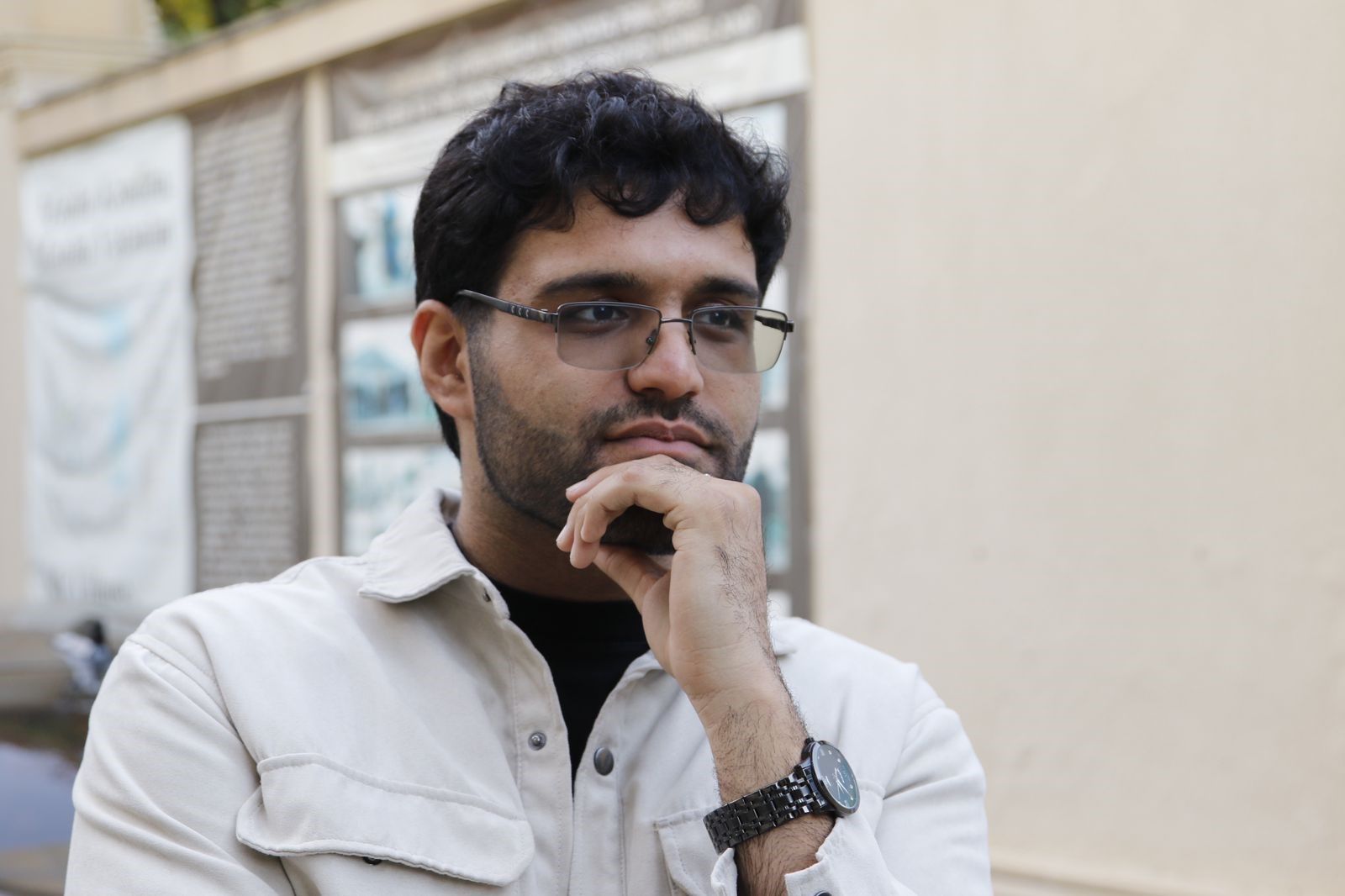
Speaking to AzerNEWS, political scientist Farhad Mammadov examined the evolution of Azerbaijan's Asia policy, arguing that the country's engagement with the continent is not a new direction, but one that has gained considerably greater prominence in recent years.
"The Asian direction has always been a priority for Azerbaijan; however, prior to the 44-day war, this was not particularly evident, as our resources, such as diplomatic, economic, and military, were concentrated toward the West. Yet, over the past few years, we have observed a systematic strengthening of Azerbaijan’s ties with countries, platforms, and specific frameworks located across the Asian continent. Two regions, in particular, stand out due to their geographical proximity: the Middle East and Central Asia."
The expert highlighted Azerbaijan's expanding engagement with Central Asia and the Middle East, while also pointing to the importance of multilateral institutions in developing relations with geographically more distant Asian countries.
"In this context, Azerbaijan has joined the consultative framework for Central Asia, while simultaneously elevating its relations with Middle Eastern nations to a qualitatively new level. Although countries in East, South, and Southeast Asia are geographically distant from Azerbaijan, we have established engagement with them through various platforms. For instance, Azerbaijan currently holds the chairmanship of the Conference on Interaction and Confidence Building Measures in Asia (CICA) and will continue to serve in this capacity for the next two years."
Turning to the mechanisms facilitating this diplomatic expansion, Mammadov emphasised that Azerbaijan's participation in international organisations is increasingly helping to advance its bilateral relationships with Asian states.
"Furthermore, relations with several nations, such as Laos and Cambodia, have entered a new phase, facilitated by this specific framework. There are other states with which relations are deepening and developing through the Organization of Islamic Cooperation. Similarly, relations with a number of other states are being strengthened through the Non-Aligned Movement.
Consequently, we are currently observing the use of these platforms to elevate bilateral relations to a qualitatively new level. This region is attracting increasing attention. When considering global processes, both economic and political, it is evident that significant meetings are taking place, such as those at the APEC summit, with a growing focus on this part of the world," Mammadov said.
Beyond political engagement, the expert identified economic cooperation as another dimension of Azerbaijan's growing interest in Asian markets. He pointed to potential investment opportunities and industrial partnerships as areas capable of adding practical substance to the country's expanding diplomatic relationships.
"Azerbaijan may also have certain interests there, primarily in the economic sphere, for instance, through investments by Azerbaijan’s Oil Fund, as well as through potential cooperation in the industrial sector. Indeed, we can see cooperation developing in both the political and economic realms. While this engagement already existed for Azerbaijan, it is now being enriched with greater substance."
Here we are to serve you with news right now. It does not cost much, but worth your attention.
Choose to support open, independent, quality journalism and subscribe on a monthly basis.
By subscribing to our online newspaper, you can have full digital access to all news, analysis, and much more.
You can also follow AzerNEWS on Twitter @AzerNewsAz or Facebook @AzerNewsNewspaper
Thank you!