
Azerbaijan exports construction materials to Armenia in historic trade step

Qabil Ashirov
Read moreThe normalization of relations between Azerbaijan and Armenia is no longer a distant diplomatic aspiration confined to international summits; it is visibly manifesting on the ground through the pragmatism of trade. Since regaining their independence in the early 1990s, these two South Caucasus neighbors have been defined by decades of bitter conflict, zero diplomatic contact, and completely sealed borders. For over thirty years, the geopolitical narrative of the region was one of mandatory hostility. Yet, the developments of the last few years signal a profound shift in mindset. Both nations are increasingly demonstrating a shared intention to leave the devastating conflict in the past and build a functional, stable future. While peace treaties and border delimitation commissions provide the legal framework for coexistence, the true engine of reconciliation between the two peoples is socioeconomic interdependence. In the arduous process of rebuilding shattered trust between two societies, commerce serves as one of the most powerful, apolitical catalysts available.
This economic thawing did not happen overnight, and its inception was rooted in the most critical of commodities. It is fair to say that the modern trading relationship between Azerbaijan and Armenia quietly began with the export of Azerbaijani fuel. When petroleum products first crossed the threshold into the Armenian market, the reaction was far from unanimous. In Armenia, certain political factions and nationalist groups met the influx of Azerbaijani energy resources with fierce opposition. However, as the initial emotional dust settled, economic reality naturally triumphed over political rhetoric. The consumers and pragmatists within Armenia quickly realized that purchasing fuel directly from neighboring Azerbaijan was far more cost-effective, logistically sensible, and economically beneficial than relying on convoluted, expensive supply chains from distant partners. What began as a highly controversial and sensitive transaction gradually stripped itself of political baggage and quietly transformed into a routine, everyday commercial reality.
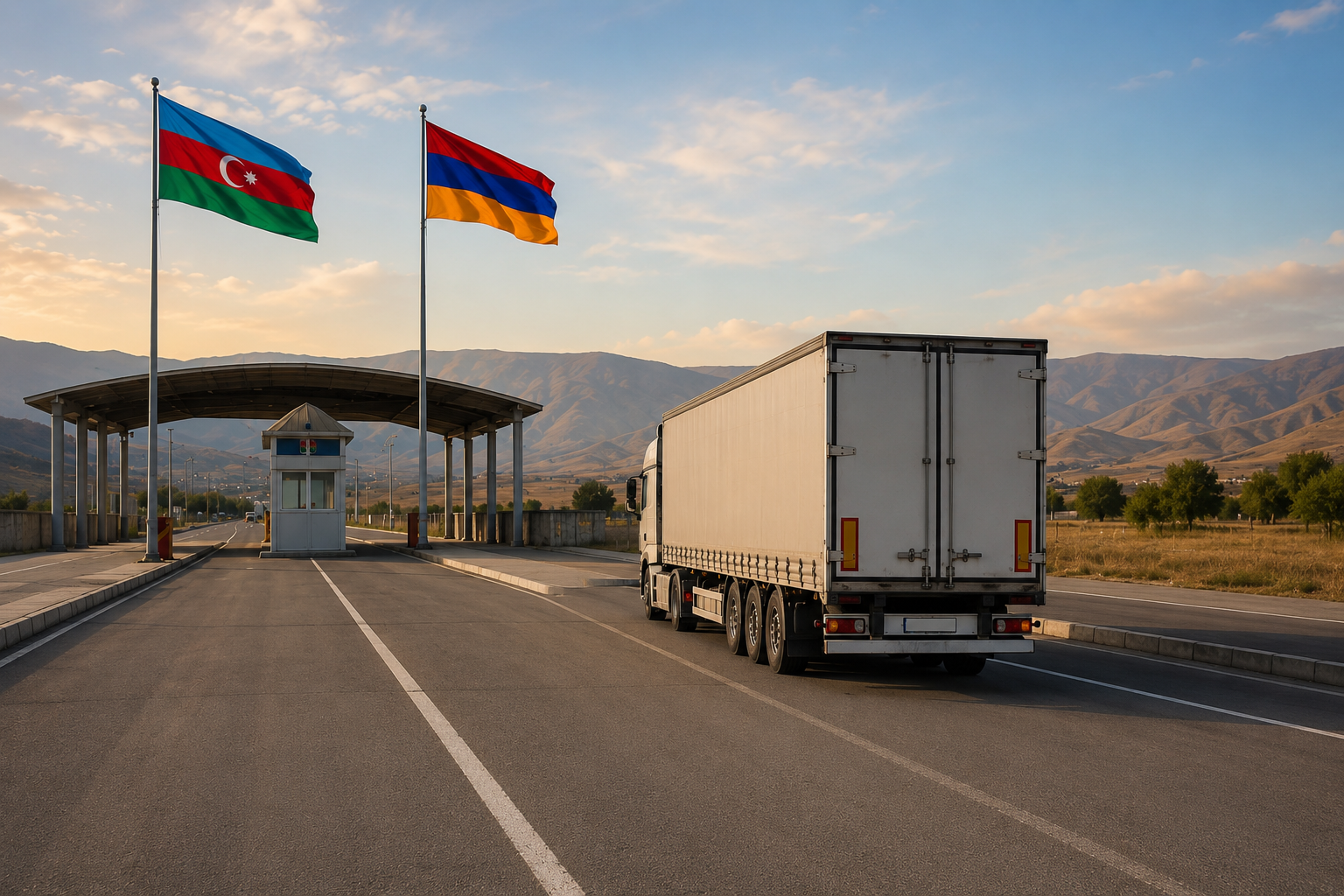
The normalization of fuel imports triggered a fascinating shift in public consciousness, moving the conversation from government corridors to the digital square. On social media platforms across both countries, citizens, economists, and commentators began actively discussing what other goods could be exchanged. These digital debates, which once would have been flooded with hostility, turned into constructive brainstorms about mutual economic benefit. Users calculated transportation costs, analyzed market shortages, and pondered the potential of various industries. This collective curiosity found its answer on May 26, when theory translated into tangible cargo. The official export of nearly 1.5 tons of Azerbaijani-manufactured extruded polystyrene foam boards—high-quality building insulation sheets—to Armenia marked a monumental milestone. Passing transparently through formal customs procedures, this shipment of construction materials proved that the bilateral trade loop is successfully expanding beyond raw energy into manufactured, civilian-grade goods, setting a concrete precedent for future industrial cooperation.
The benefits of bringing a lasting peace to the South Caucasus are vast and multifaceted, but the economic argument is perhaps the most undeniable. In global economics, there is an unwritten law dictated by geographic proximity: due to drastically lower logistics and transportation costs, neighboring countries naturally tend to become each other's largest and most vital trading partners. Azerbaijan’s current trade data perfectly illustrates this phenomenon. When examining Azerbaijan’s top non-oil export destinations, three of the top five slots are consistently occupied by Russia, Turkey, and Georgia—all nations that share a direct land border with Azerbaijan. Proximity breeds profitability. For decades, Armenia artificially excluded itself from this natural regional economic matrix, enduring high transit costs and economic isolation. By opening borders and establishing direct trade routes with Azerbaijan, both nations stand to unlock immense economic efficiency. Azerbaijani businesses gain access to a new nearby market, while Armenia can import vital industrial and consumer goods at a fraction of their current logistical costs.
Ultimately, this ongoing transition from battlefield adversaries to trading partners reveals a fundamental truth about conflict resolution: while politicians sign treaties, it is the marketplace that integrates societies. The shipment of insulation boards and the routine flow of fuel are bricks in a new regional architecture built on mutual benefit rather than historical grievances. As economic networks tighten, the cost of returning to conflict becomes prohibitively high for both sides, creating an organic, self-sustaining peace. The South Caucasus is finally stepping out of the shadow of a zero-sum game and embracing a future where cross-border trade builds the very trust that decades of isolation tore down.
Here we are to serve you with news right now. It does not cost much, but worth your attention.
Choose to support open, independent, quality journalism and subscribe on a monthly basis.
By subscribing to our online newspaper, you can have full digital access to all news, analysis, and much more.
You can also follow AzerNEWS on Twitter @AzerNewsAz or Facebook @AzerNewsNewspaper
Thank you!