
Iranian embassy faces criticism over dismissal of letter signed by 55 Azerbaijani NGOs

Akbar Novruz
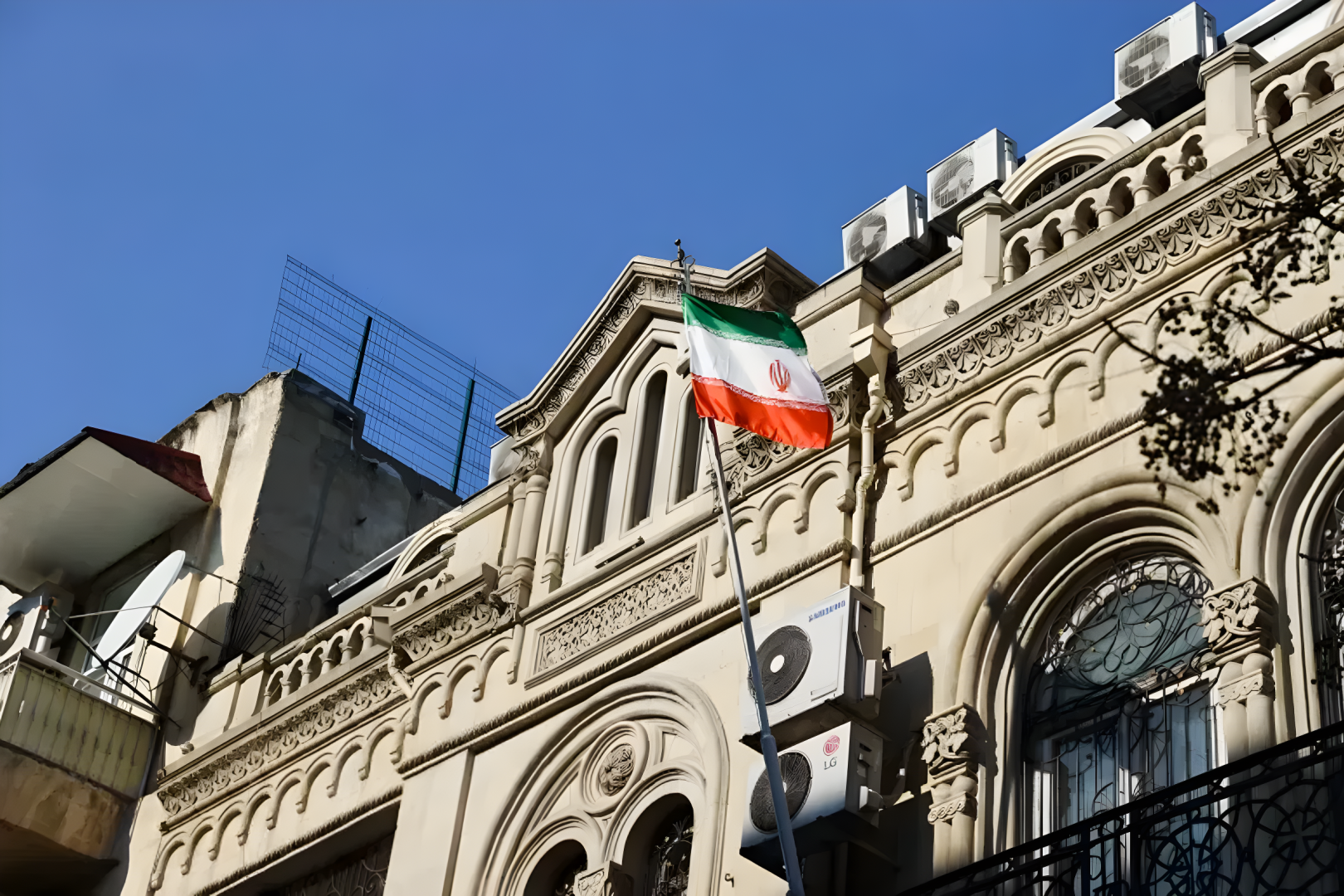
Read moreA diplomatic dispute has emerged between the Iranian Embassy in Baku and representatives of Azerbaijani civil society after the diplomatic mission denied officially receiving an open letter signed by 55 non-governmental organisations concerning the right of Azerbaijanis in Iran to receive education in their native language.
In a statement sent to Azerbaijan's APA News Agency on November 3, the Iranian Embassy rejected claims that the appeal had been formally accepted, describing the document as a submission from unidentified and unreliable individuals.
"The Embassy of the Islamic Republic of Iran in the Republic of Azerbaijan denies that the aforementioned letter was officially received," the diplomatic mission stated.
The embassy further explained that, under its administrative procedures, correspondence submitted by unknown individuals or senders deemed unreliable is not registered and may instead be destroyed by burning or shredding.
It also dismissed the letter as having no value.
However, the embassy's position has drawn criticism from the Azerbaijani NGOs involved, who maintain that the appeal was neither anonymous nor submitted by unidentified individuals.
According to APA, the document contained the names of all 55 signatory organisations and their representatives. Moreover, a delegation of NGO representatives personally delivered the letter to the Iranian Embassy.
Photographs and video footage documenting the submission have also been cited as evidence that the appeal was physically presented to the diplomatic mission.
The distinction between formal registration and physical delivery has consequently become central to the disagreement. While the embassy maintains that the letter was not officially received, the signatories argue that the absence of registration does not invalidate the documented submission or render its authors anonymous.
The dispute has also raised questions about the embassy's decision to focus on the identity and credibility of the signatories rather than address the substance of their appeal.
NGO representatives accuse embassy of avoiding the central issue
Speaking to APA, Zaur Ibrahimli, a board member of the Azerbaijan National NGO Forum and chairman of the Priority Social Economic Research Center Public Union, criticised the embassy's response as an attempt to divert attention from the concerns raised in the letter.
Ibrahimli, who was among the signatories, argued that the diplomatic mission had misrepresented the circumstances surrounding the submission.
He stressed that the letter had been signed by 55 Azerbaijani NGOs and delivered in person, with information about the participating organisations clearly presented.
According to Ibrahimli, embassy representatives were also informed verbally about the document's contents when it was submitted.
He described the embassy's refusal to acknowledge the appeal as inconsistent with accepted practices concerning open letters and diplomatic correspondence.
Ibrahimli further argued that the diplomatic mission had a responsibility to treat such correspondence seriously and convey it to the relevant Iranian authorities.
In his assessment, the embassy's response shifted the discussion away from the substantive issue raised by the organisations.
He also criticised the language used in the embassy's statement, describing it as unethical and inconsistent with generally accepted standards of communication.
Vusala Huseynli, chairwoman of the Reformist Women and Innovations Public Union and another signatory, similarly challenged the embassy's account.
Huseynli told APA that a representative of her organisation had participated in the personal delivery of the letter, making the embassy's description of its authors as unidentified individuals particularly questionable.
She accused the diplomatic mission of disregarding evidence of the submission and attempting to redirect the discussion through statements unrelated to the appeal's central demands.
Huseynli also criticised references to the United States and Azerbaijan's other international partners in the embassy's response, arguing that these did not address the concerns raised by the NGOs.
She maintained that embassy officials could have verified the identities of those delivering the document, including by requesting identification, rather than subsequently questioning their credibility.
In her view, the handling of the correspondence raised broader concerns about the diplomatic mission's approach to communications from civil society organisations.
Questions remain over education rights of Azerbaijanis in Iran
Beyond the disagreement over administrative procedures, the central issue concerns the right of ethnic Azerbaijanis living in Iran to receive education in their native language.
The 55 Azerbaijani NGOs sought to raise this issue with the Iranian authorities through their collective appeal.
However, the embassy's November 3 response did not provide a substantive position on the education-related concerns outlined in the letter, according to the signatories.
The controversy has therefore developed along two separate lines: whether the embassy properly acknowledged the submission of a document whose authors were identifiable, and whether the Iranian authorities intend to address the questions raised by Azerbaijani civil society.
The photographs and video footage cited by the organisations support their account that the letter was physically delivered, although they do not, by themselves, establish whether it was formally registered under the embassy's internal procedures.
For the signatories, however, the question of registration remains secondary to the substance of their appeal.
Here we are to serve you with news right now. It does not cost much, but worth your attention.
Choose to support open, independent, quality journalism and subscribe on a monthly basis.
By subscribing to our online newspaper, you can have full digital access to all news, analysis, and much more.
You can also follow AzerNEWS on Twitter @AzerNewsAz or Facebook @AzerNewsNewspaper
Thank you!