
Tbilisi marionette theatre presents “Alfred and Violetta” at BIAF 2026 [PHOTOS]
By Alimat Aliyeva
A little angel with gilded wings strikes the hour on the bell of the clock tower of the Puppet Theatre in Tbilisi. Its chime seems to invite visitors into the extraordinary world of Rezo Gabriadze, an artist with a child's soul who knew how to bring inanimate objects to life and discover poetry in the most ordinary things.
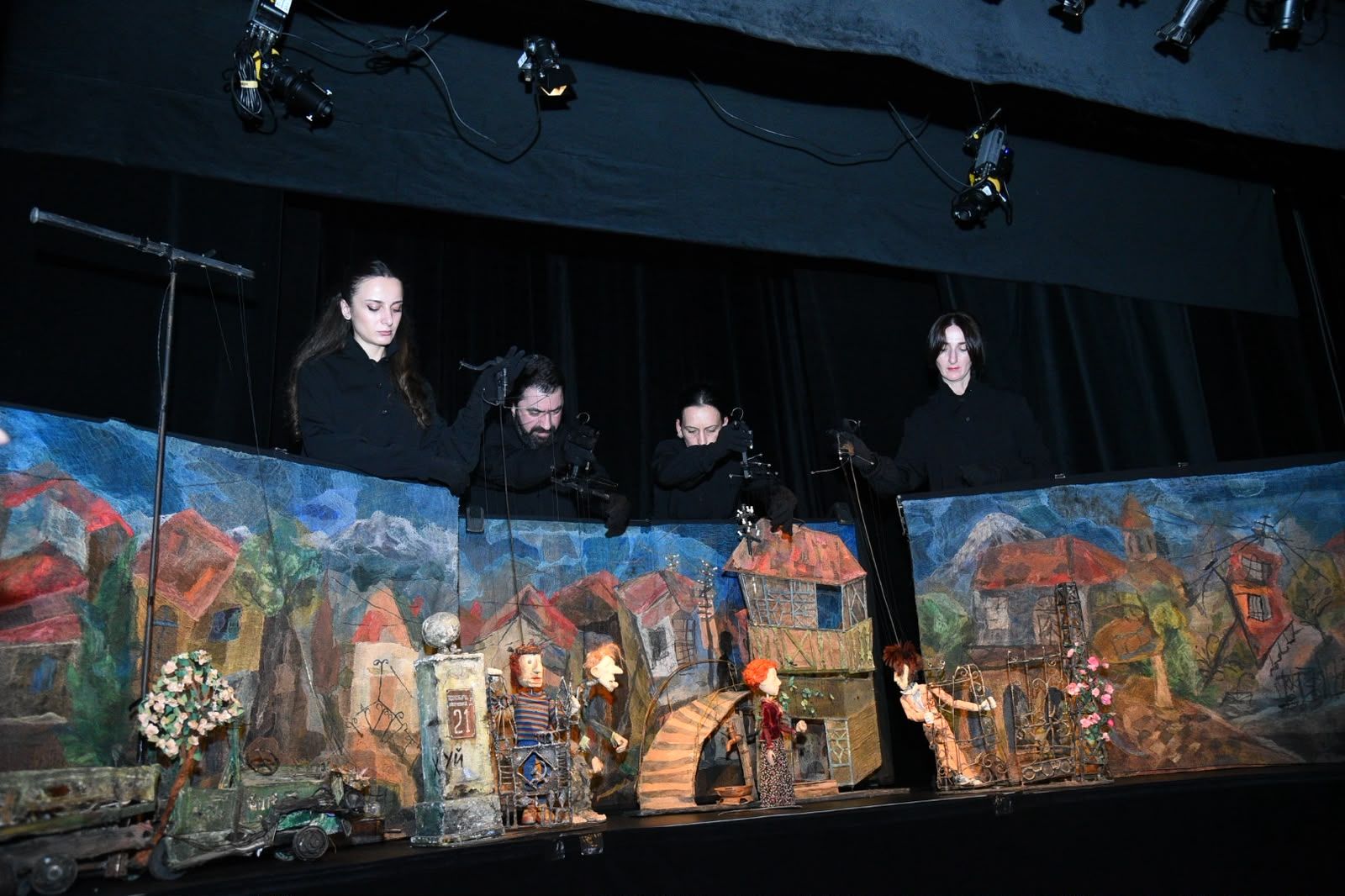
Audiences in Baku were given an opportunity to experience this magical universe as part of the Baku International Arts Festival (BIAF 2026). At the Heydar Aliyev Center, the Rezo Gabriadze Tbilisi Marionette Theatre presented “Alfred and Violetta,” a tender, moving and subtly humorous love story inspired by Alexandre Dumas fils' novel “The Lady of the Camellias” and Giuseppe Verdi's opera “La Traviata”.
The legendary Georgian playwright, artist, film director and sculptor Rezo Gabriadze left an indelible mark on world culture. Known for writing the screenplays of acclaimed films such as “Mimino,” “Don't Grieve!” and “Kin-dza-dza!”, as well as creating the beloved Chizhik-Pyzhik monument in St. Petersburg, he possessed a rare gift for combining delicate humour, philosophical depth and genuine humanity.
Puppet theatre occupied a special place in his artistic life. Gabriadze was the creator of his theatre in every sense: he conceived its distinctive artistic universe, personally designed and painted the ceramic tiles adorning its famous clock tower, crafted puppets, wrote plays and developed a unique theatrical aesthetic.
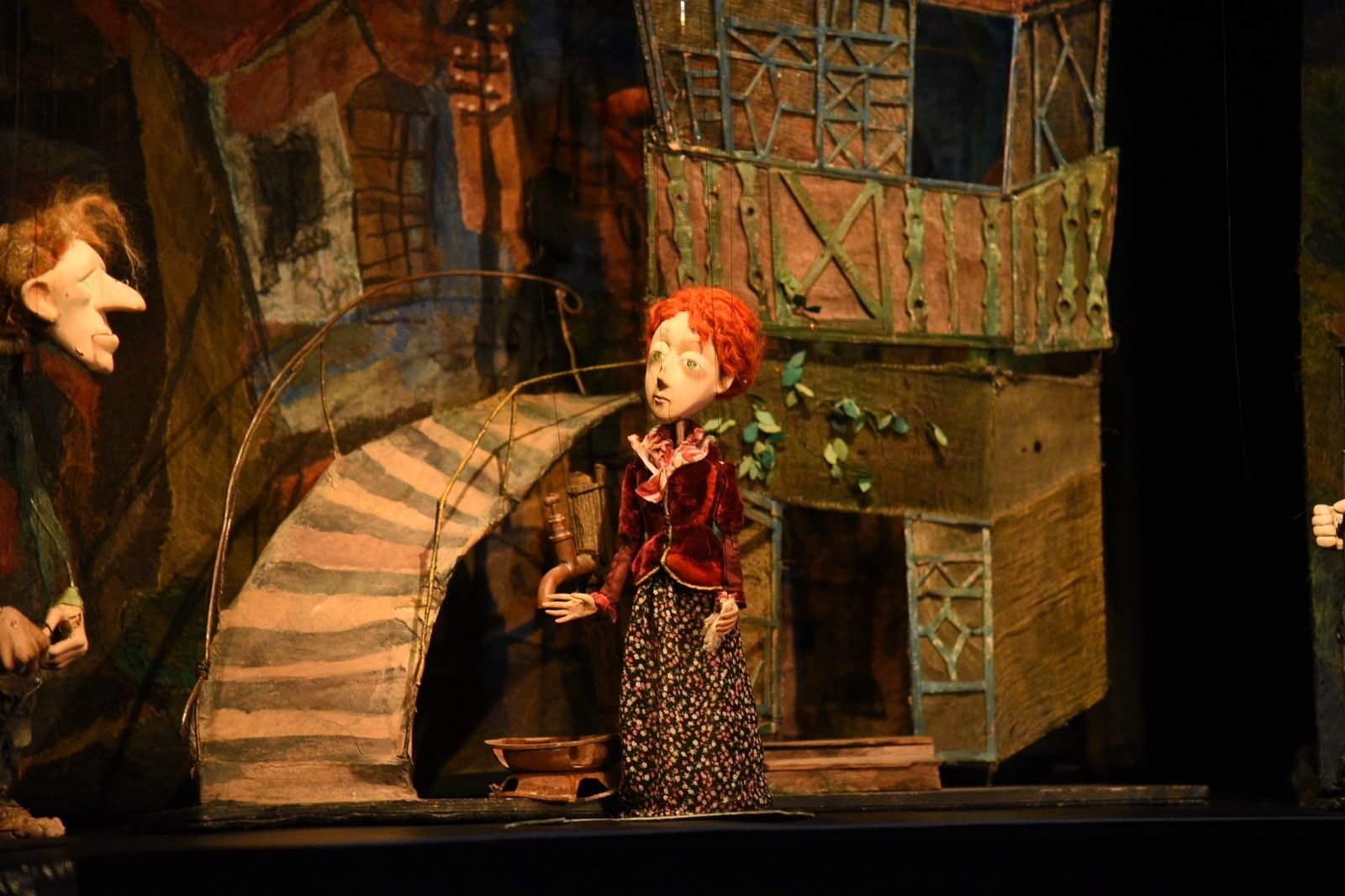
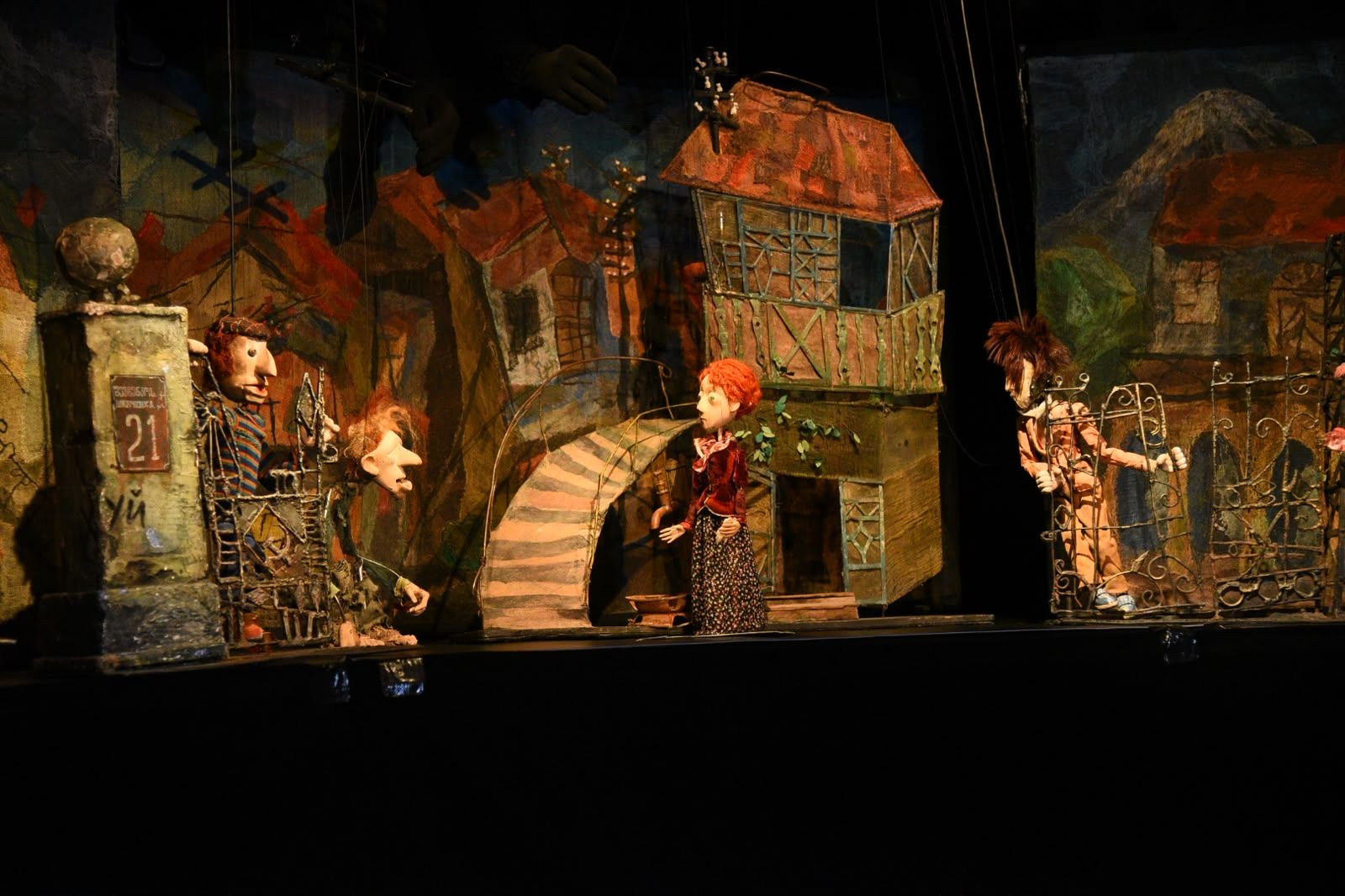
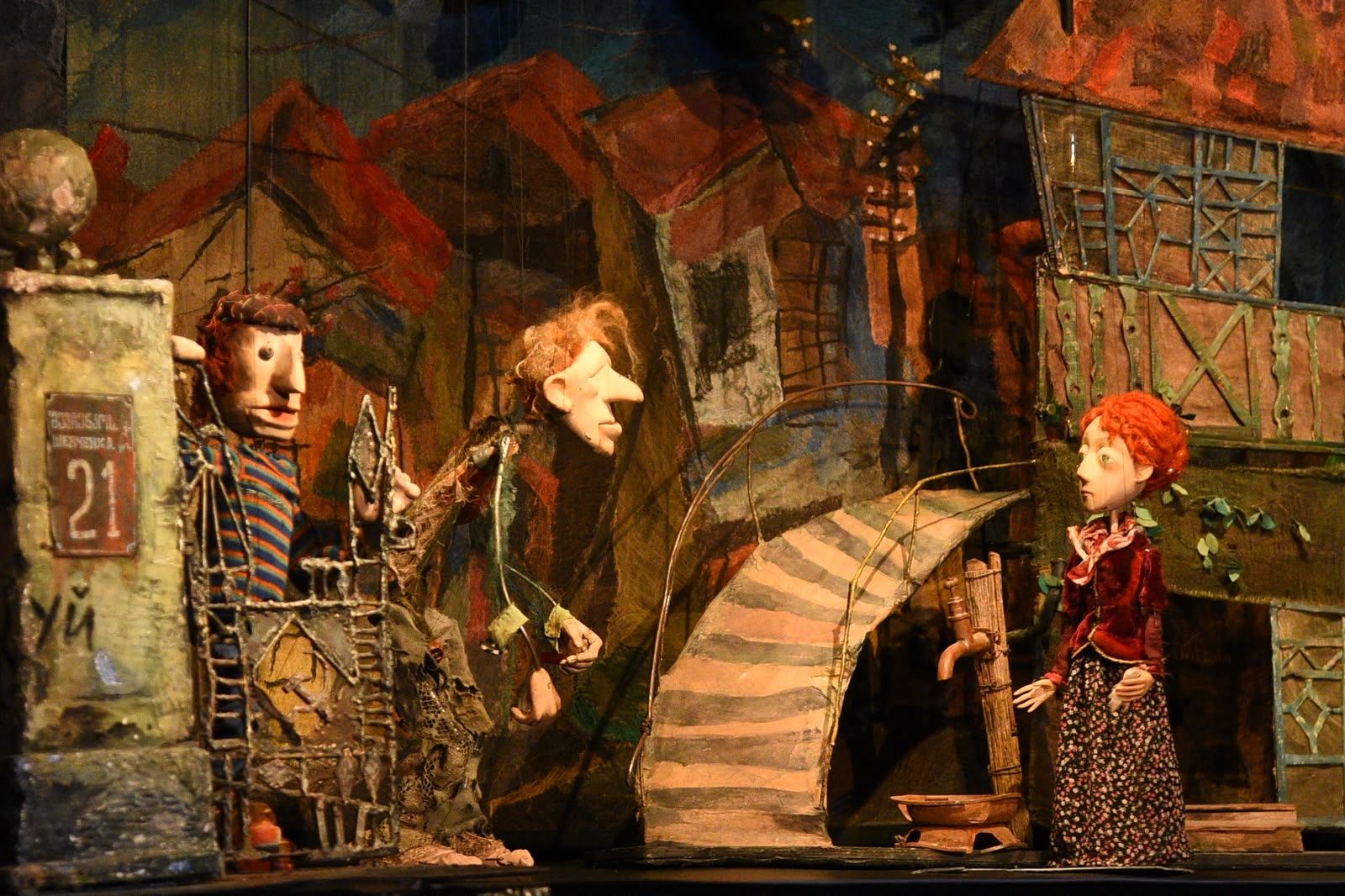
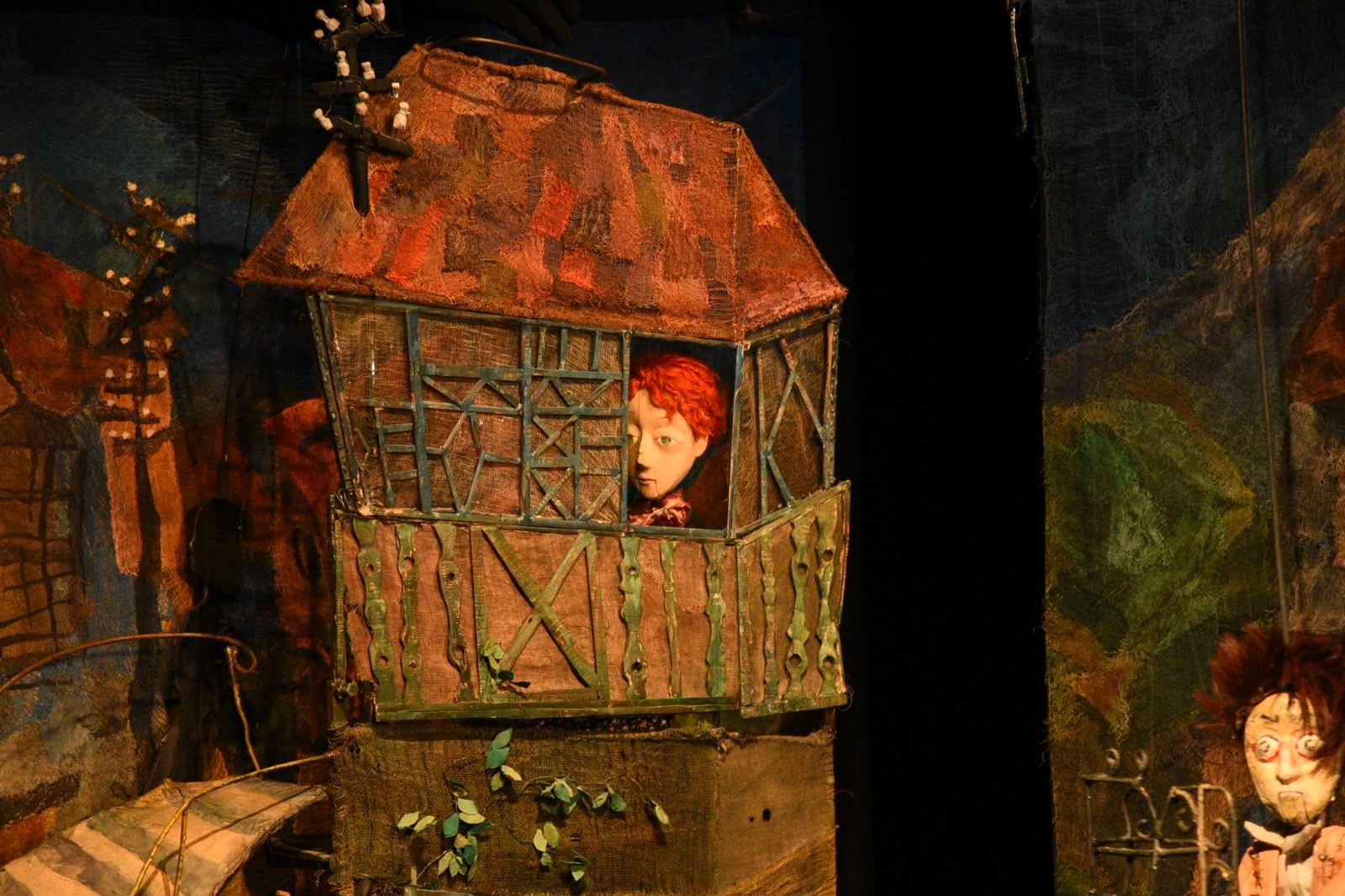
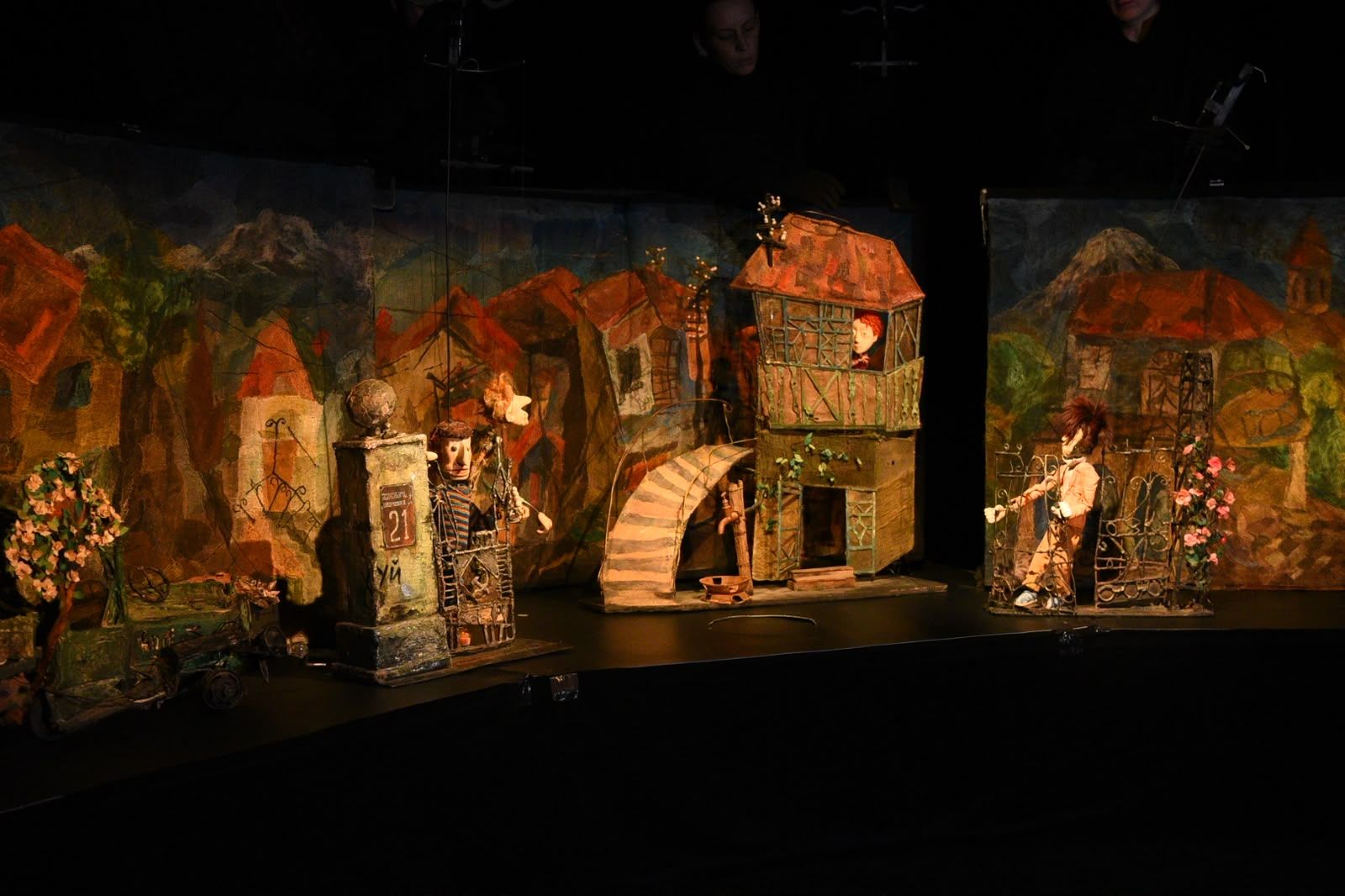
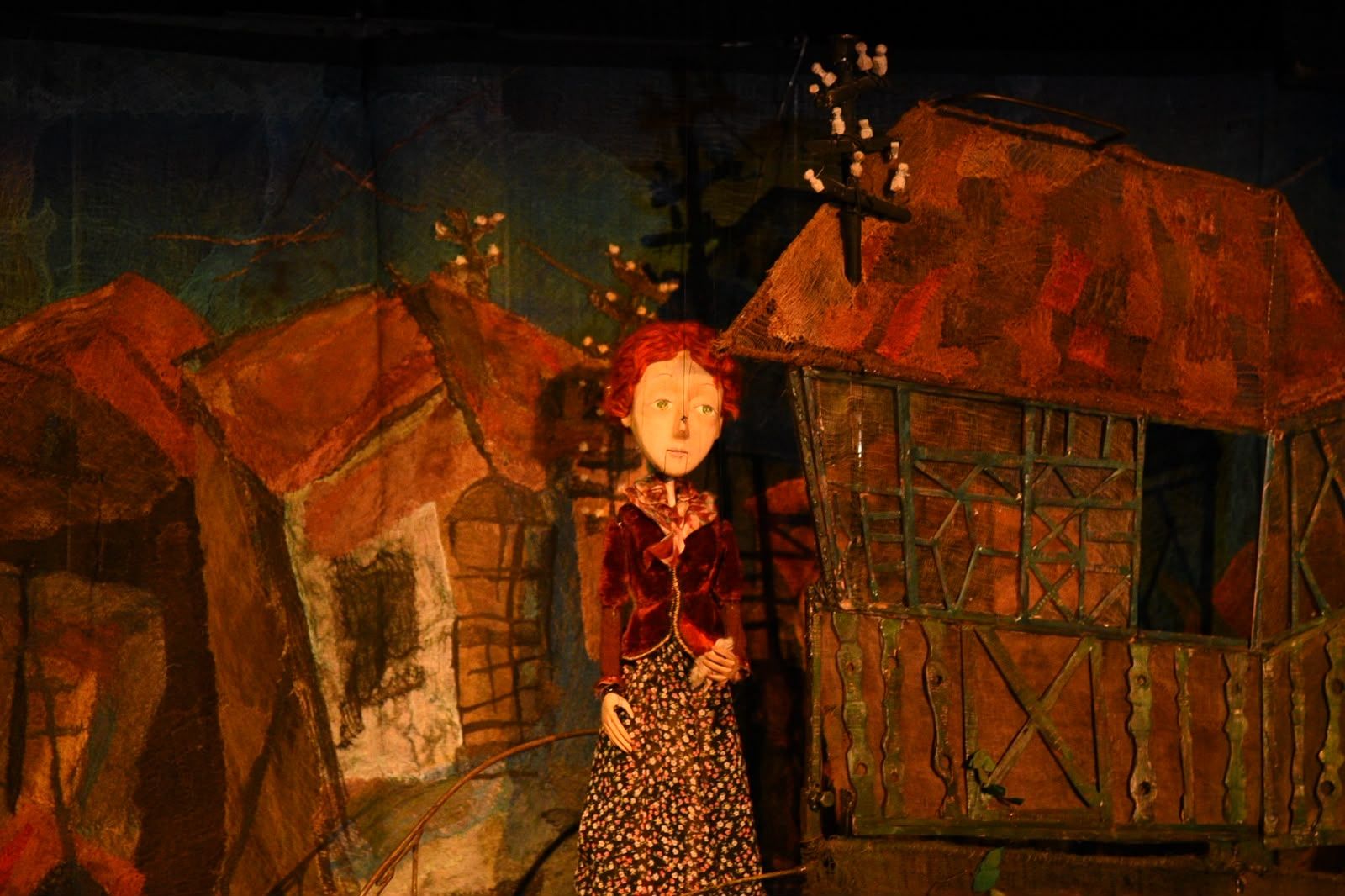
“Alfred and Violetta” holds a special place in the theatre's history, as it was the production that launched the company's stage career in 1981. The story follows Alfred, a brilliant young astronomer, and Violetta, a beautiful red-haired orphan, whose love blossoms in Tbilisi during the turbulent early 1990s. Their romance begins in a house in the city's old Mtatsminda district.
Gradually, the story moves beyond the narrow streets of old Mtatsminda. Together with the protagonists, audiences travel to Milan, Rome, Venice, Khashuri, Abastumani and Digomi. These cities and places become part of an extraordinary narrative in which the personal destinies of the characters intertwine with the wider world.
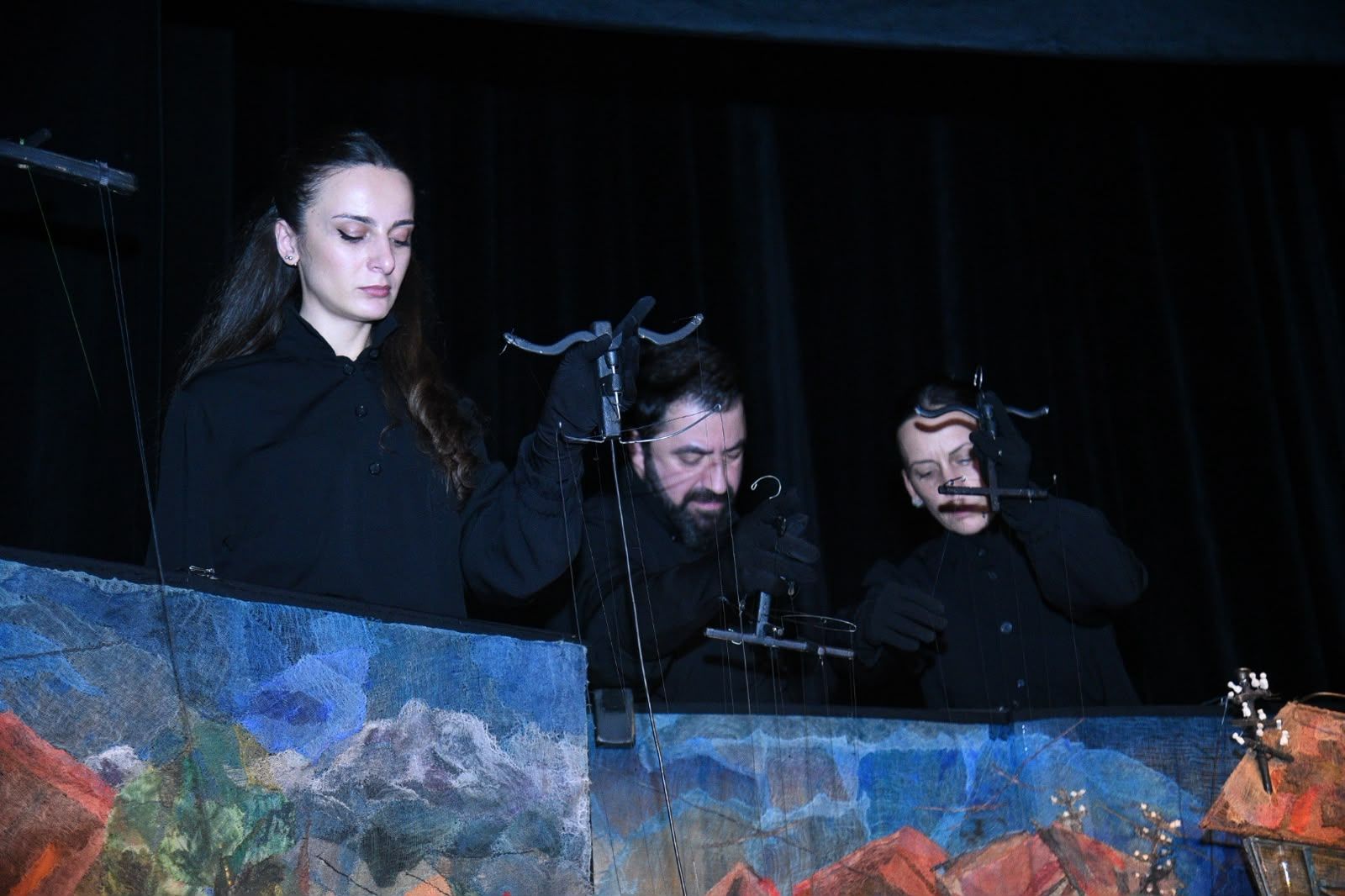
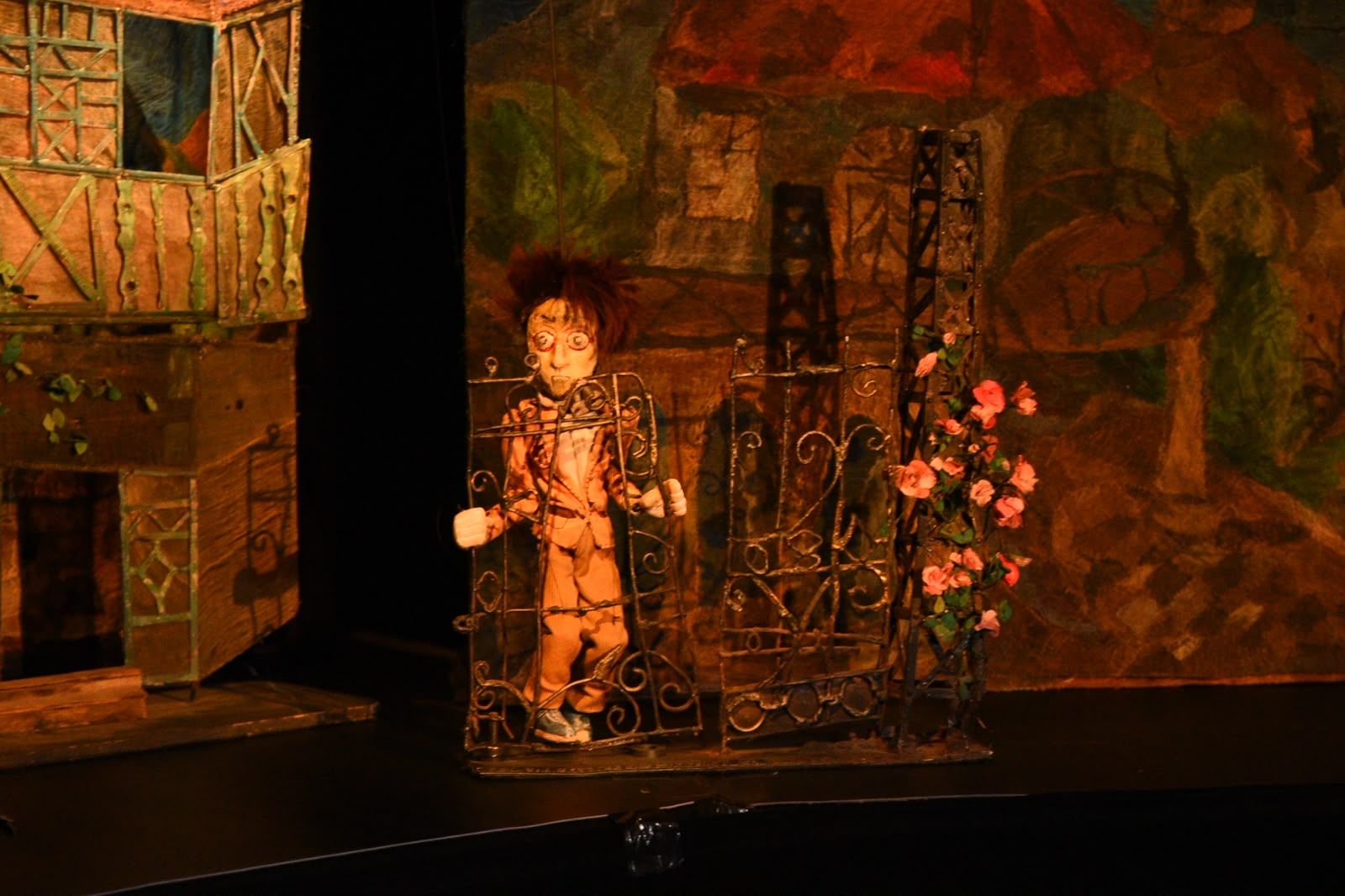
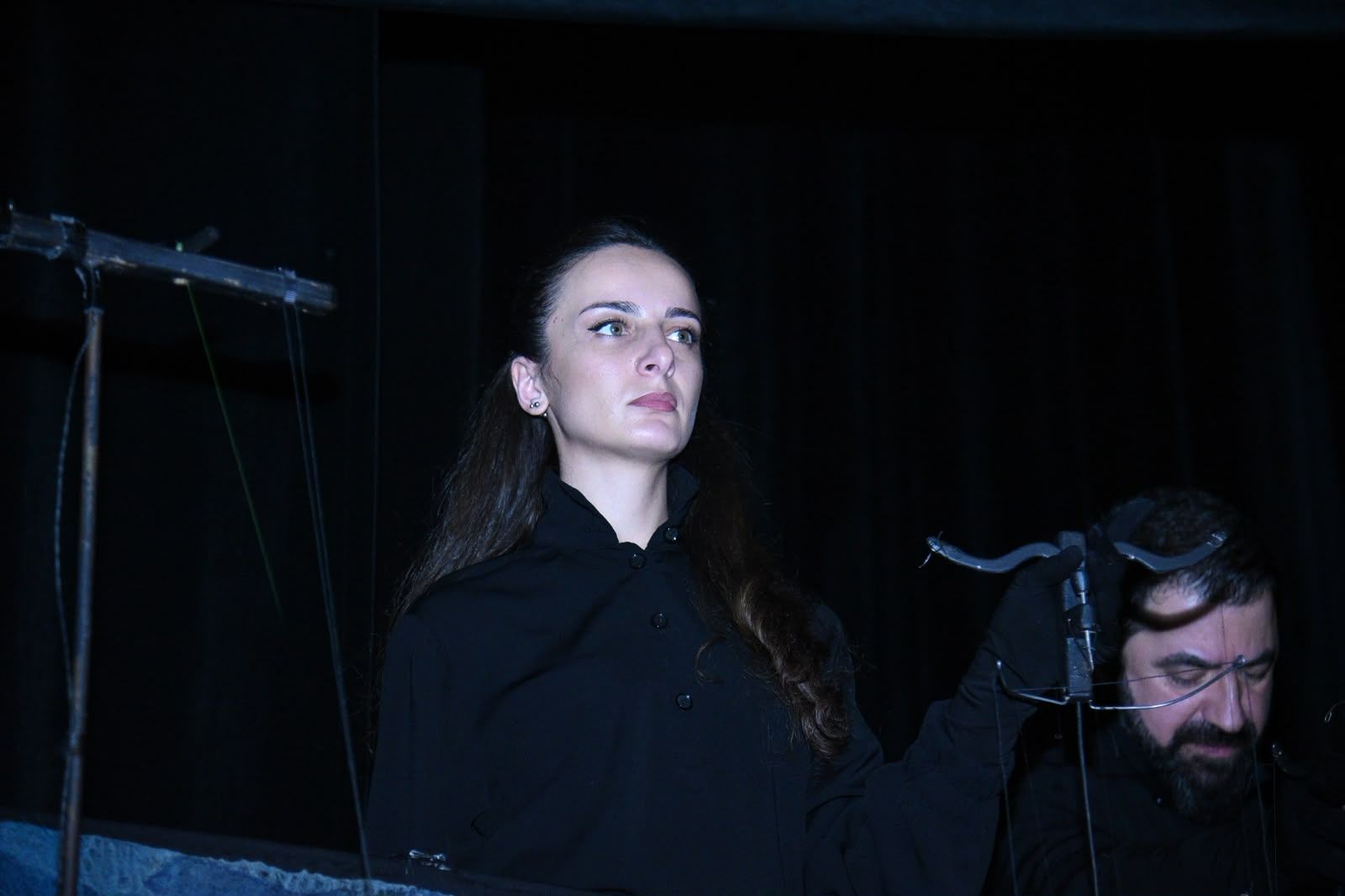
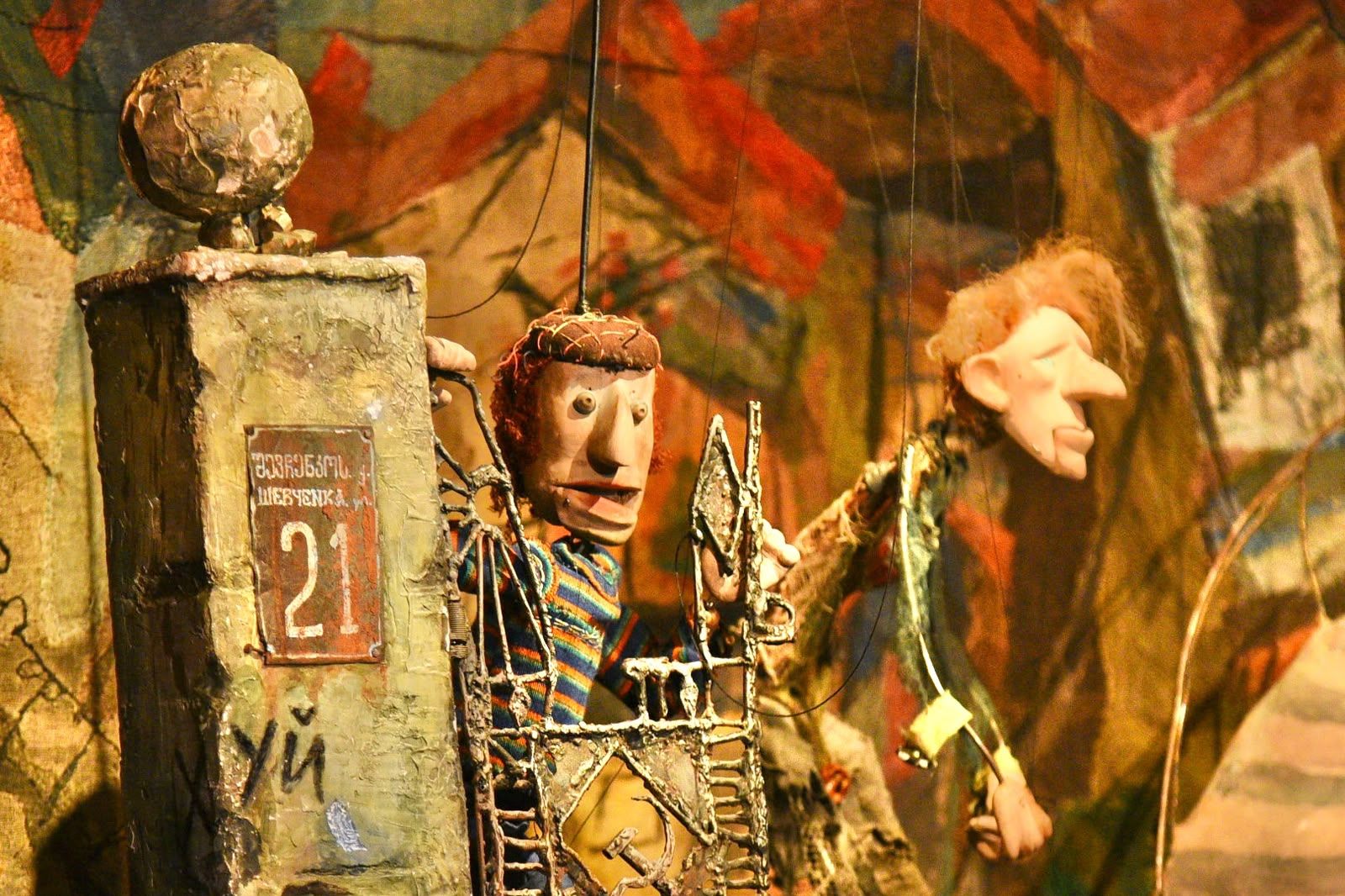
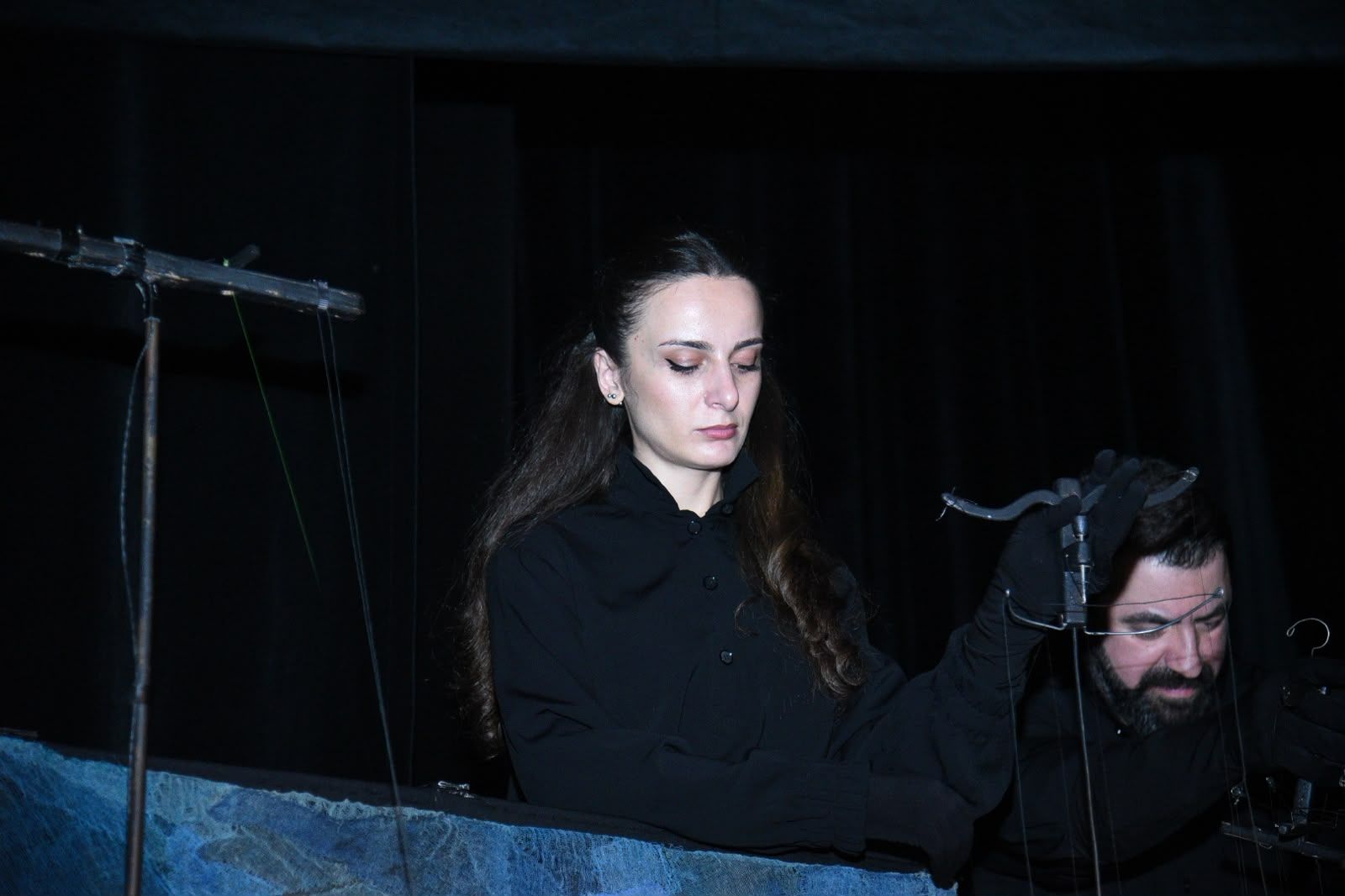
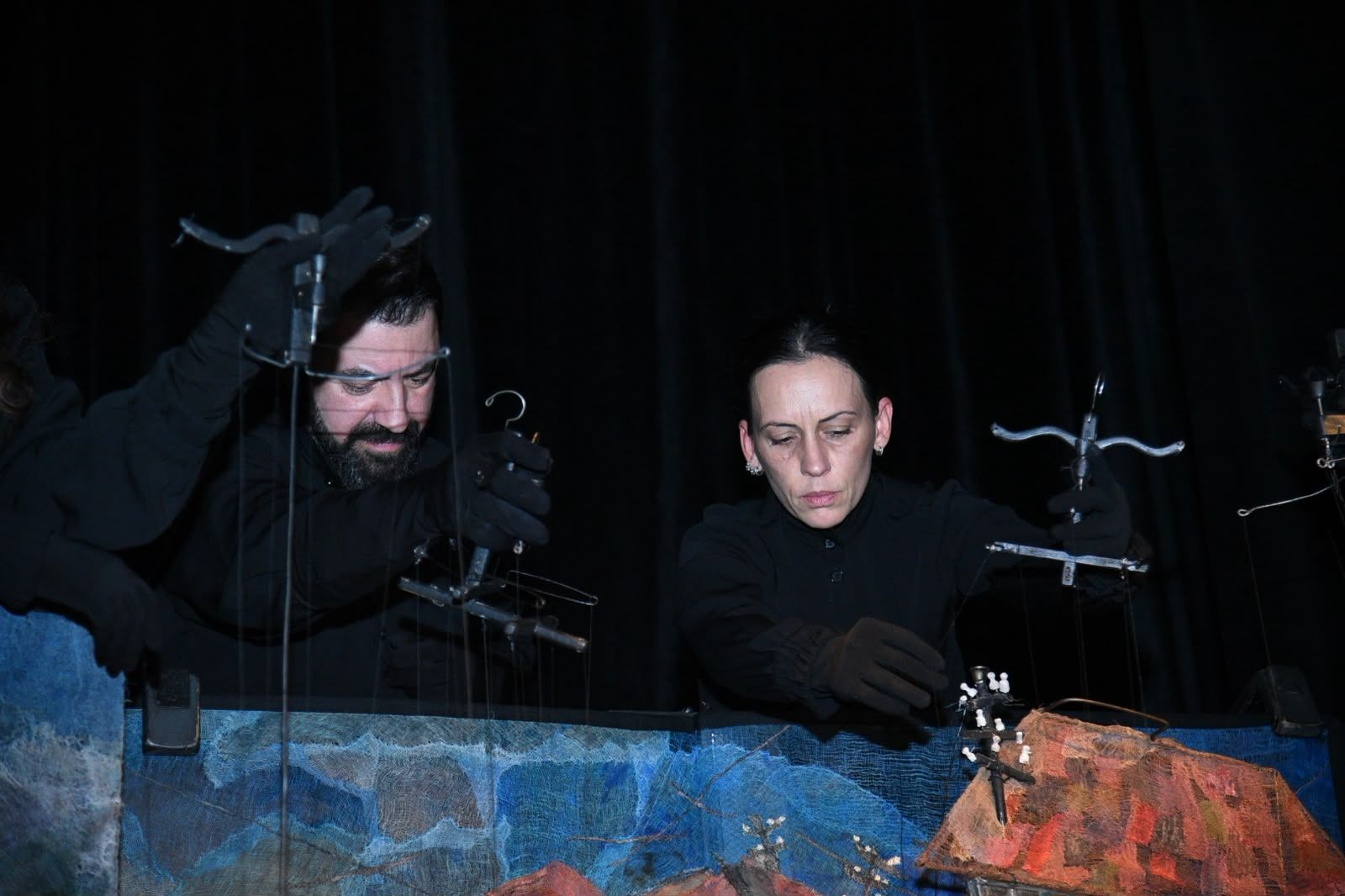
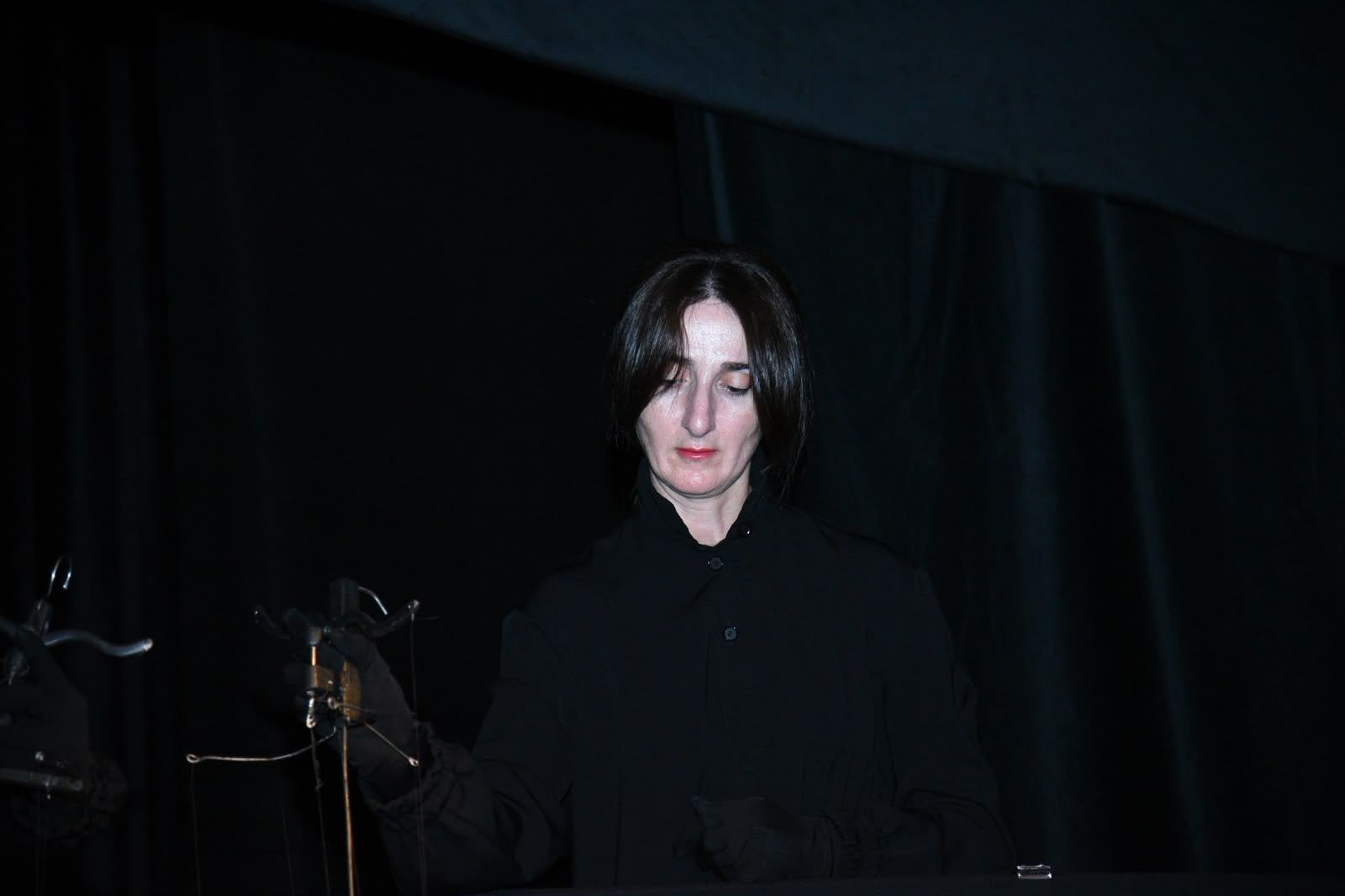
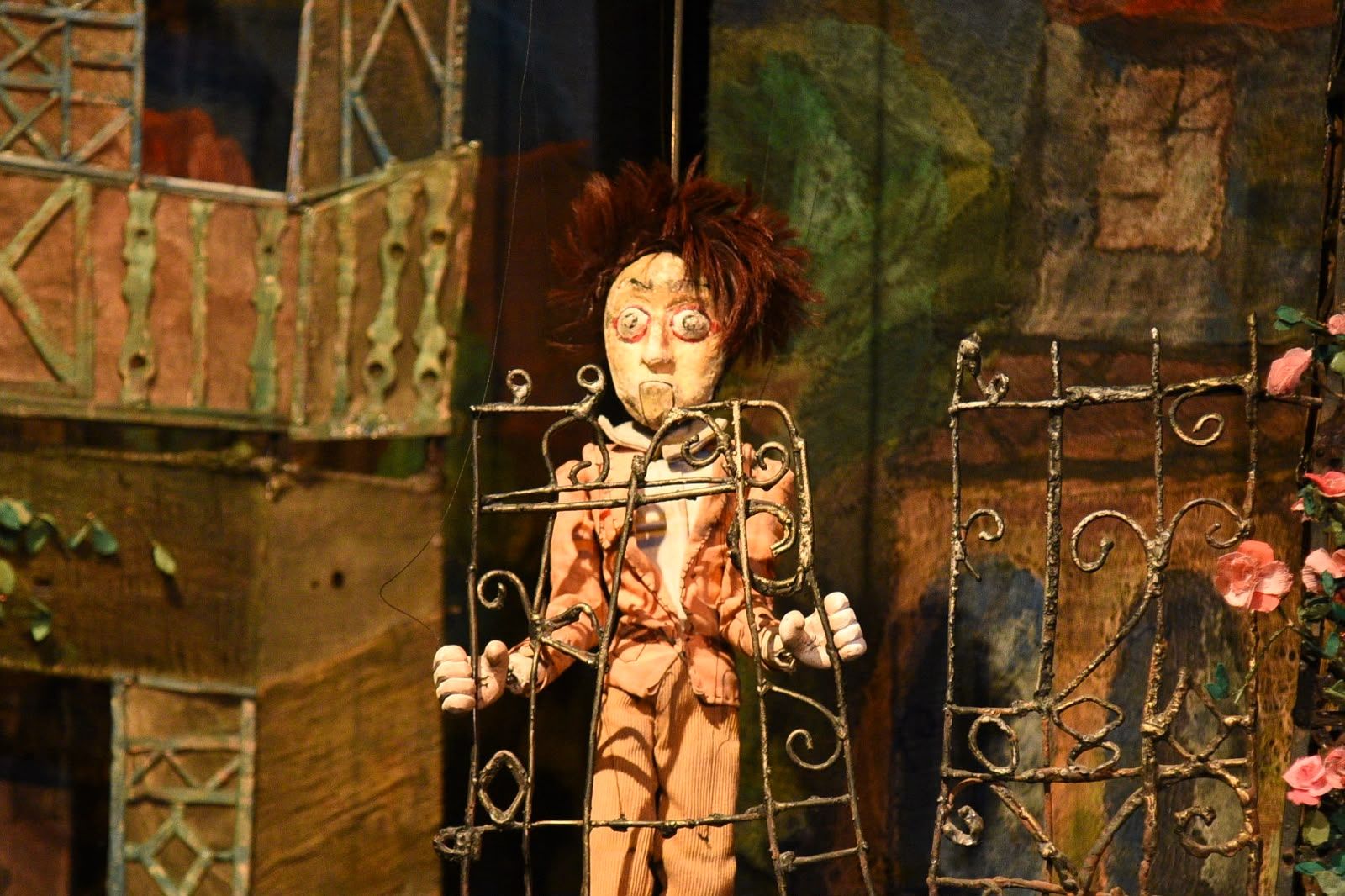
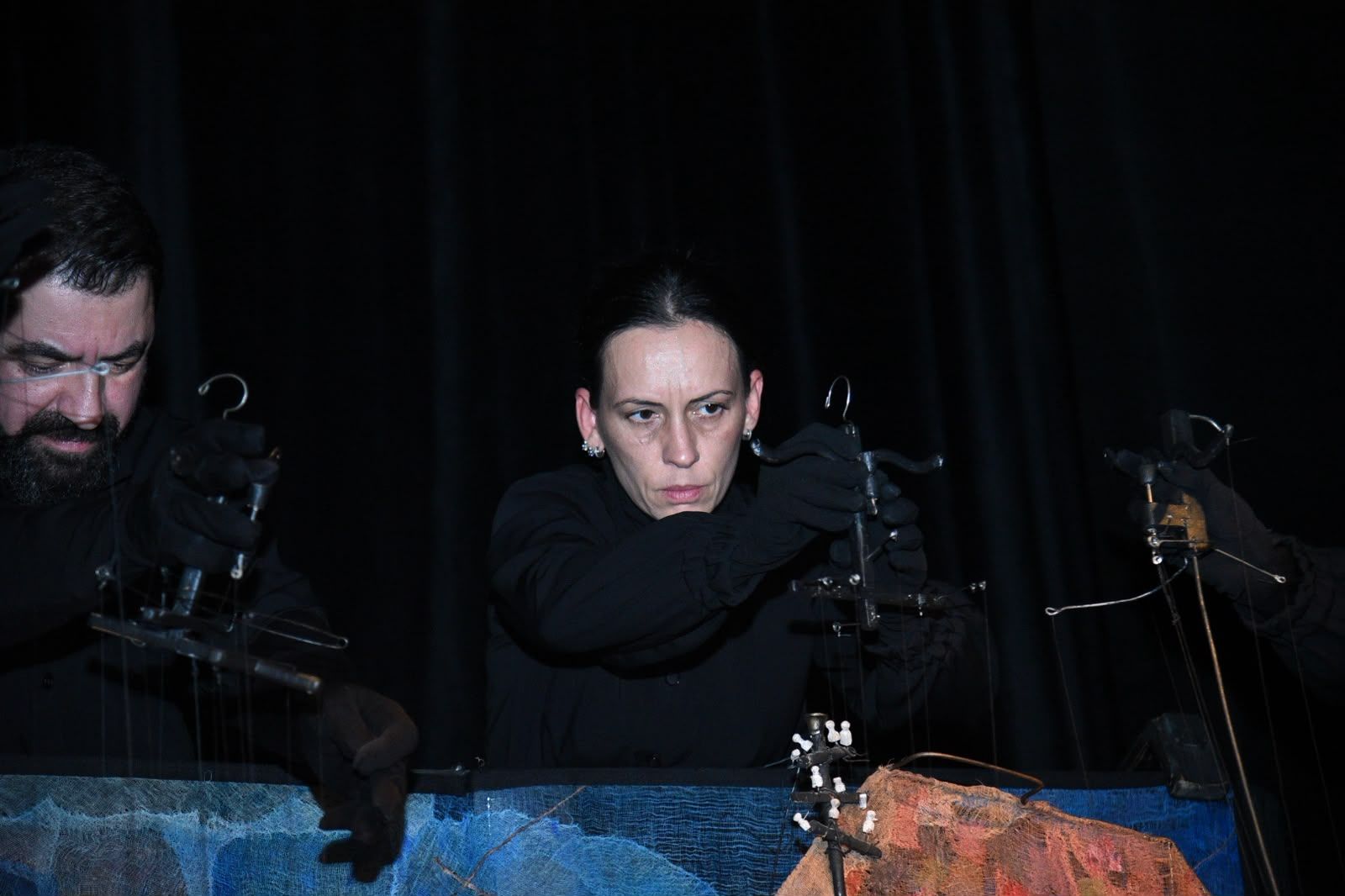
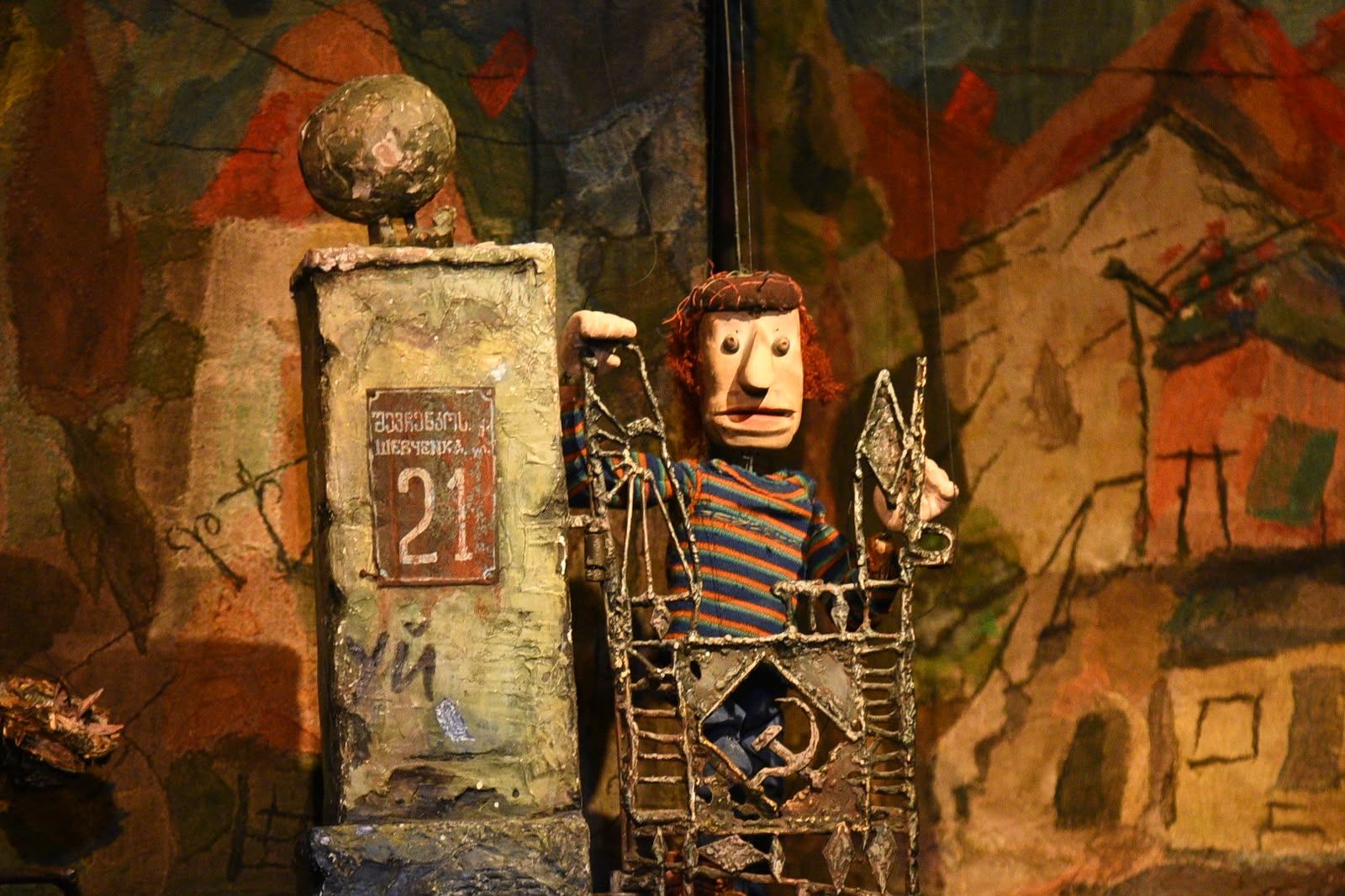
Small, colourful, slightly comical and deeply touching figures appear on stage, drawing the audience into a poetic and fragile universe built on absolute sincerity. The barely visible strings in the hands of the puppeteers bring Alfred, Violetta, Germont and the Narrator to life. The puppets begin to breathe, move and speak. Eventually, the strings seem to disappear into the air, and the boundary between fiction and reality vanishes.
Before long, they are no longer perceived as puppets but as people with their own destinies, joys and sorrows. When Violetta's song begins, it is easy to forget that the voice does not belong to the puppet itself.
The puppets acquire an extraordinary sense of humanity. The characters move effortlessly from gentle irony to philosophical reflection, from comedy to tenderness and from light-hearted moments to profound drama. These fragile, silent figures speak about love, loneliness and longing with a subtlety and emotional intensity that even live actors may sometimes struggle to achieve.
Unlike the tragic ending of “The Lady of the Camellias,” Rezo Gabriadze offers his protagonists hope. In his interpretation, love becomes a source of salvation. Alfred discovers a new star in the sky and dedicates it to Violetta, forever uniting their destinies in a poetic world woven from kindness and tenderness.
The performance has ended and the curtain has fallen, yet the magical universe in which a tiny puppet can acquire a soul continues to linger long after the final scene.
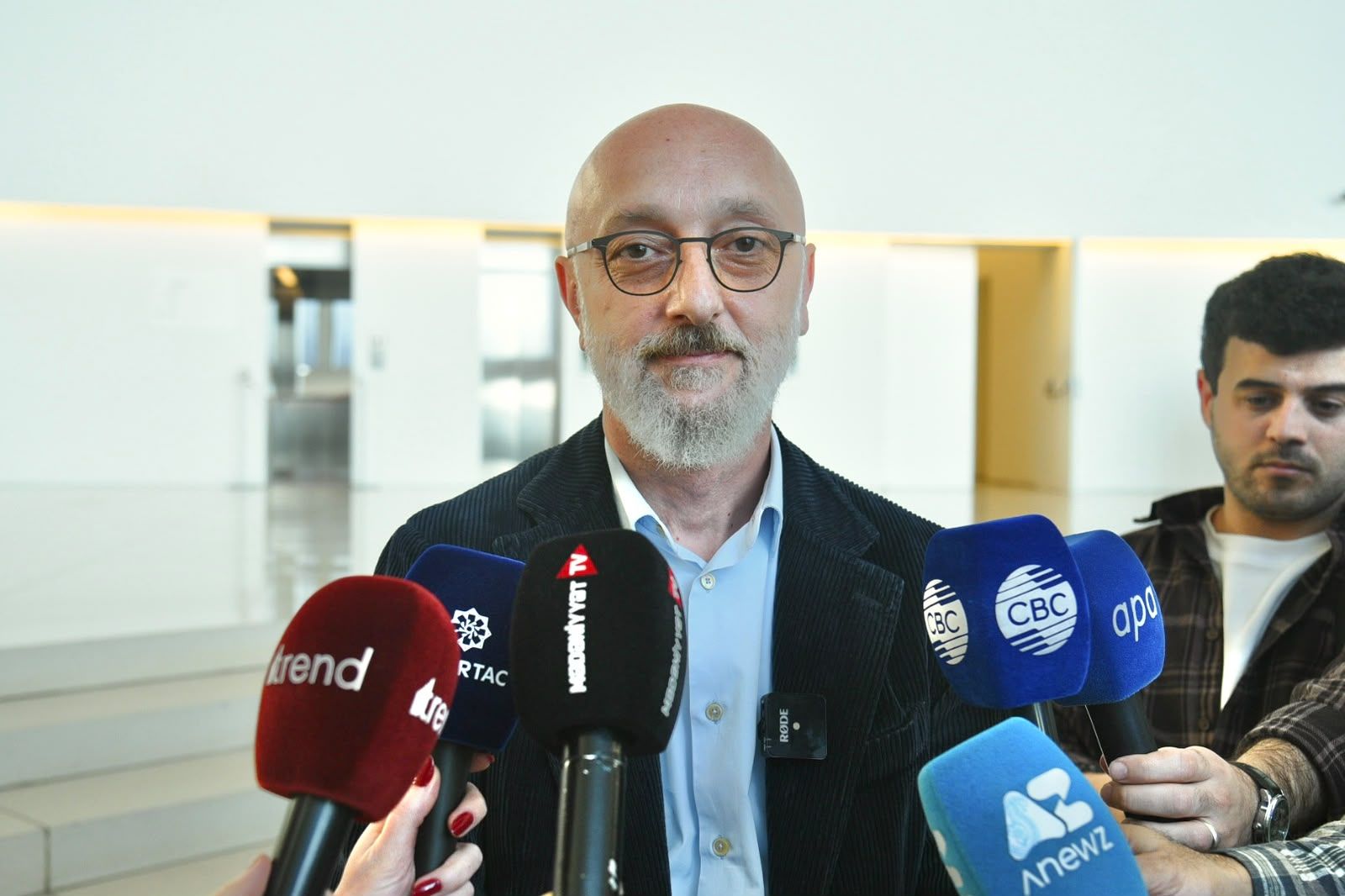
In a conversation with journalists, Leo Gabriadze, the director of the production, spoke about the creation of the new stage version, his personal connection to the story and the artistic possibilities of marionette theatre.
According to him, the theatre, founded in 1981, had long dreamed of visiting Baku, and participation in the festival provided a wonderful opportunity to finally make the trip.
Leo Gabriadze had previously visited the Azerbaijani capital in 1982. However, he noted that the city had undergone considerable transformation over the decades.
“This is an entirely different city now. Baku has become much more beautiful. The atmosphere here is wonderful, and we are very pleased with the warm welcome we have received,” he said.
Speaking about “Alfred and Violetta,” Gabriadze emphasized its special significance in the theatre's history. The production was the company's first stage work when it opened its doors in 1981. Decades later, the theatre returned to the story, offering audiences a completely new interpretation.
As he explained, his father had substantially reworked the original play, changing the period and historical circumstances in which the events unfold. While the original version was set in Tbilisi in 1981, the updated production takes place in 1991, during the dissolution of the Soviet Union, a period marked by political upheaval and dramatic changes in Georgia.
As a result, the familiar love story inspired by “The Lady of the Camellias” and “La Traviata” acquired a new historical and dramatic dimension.
Leo Gabriadze also spoke about his personal connection with Alfred, the central character. He explained that his decision to revisit the production was largely motivated by his own memories and experiences. In 1990, he left Georgia and moved to the United States.
“I felt a very close connection with the main character. It was important for me to return to the theatre and stage this production because it contains many things that I personally experienced during the 1990s,” he said.
In his view, the story could also resonate with Azerbaijani audiences, as Georgia and Azerbaijan both experienced difficult historical transformations.
Another subject discussed during the meeting was the expressive potential of puppet theatre and its ability to convey complex human emotions. Leo Gabriadze stressed that this is precisely where the unique power of marionettes lies. In his opinion, puppets can sometimes inspire greater trust in audiences than live actors.
“Puppets are easier to believe than people. They are created specifically for these characters. They have no other life – they exist solely for this role,” he noted.
Leo Gabriadze also discussed his father's artistic journey. Rezo Gabriadze initially became widely known as a screenwriter, creating scripts for some of the most celebrated films in Georgian cinema. He later devoted himself to puppet theatre, establishing a distinctive and intimate artistic world in the heart of Tbilisi.
The theatre, however, has never been intended exclusively for children. Its productions explore serious subjects, philosophical ideas and profound human experiences.
Speaking about the theatrical community, the festival guest highlighted the special bond shared by people working in puppetry. He expressed an interest in visiting the Baku Marionette Theatre, watching its productions and inviting Azerbaijani colleagues to perform in Tbilisi.
“We are all one big family. A little eccentric, perhaps, but still a family,” he said with a smile.
He also wished the Baku Marionette Theatre continued artistic success, emphasizing the important role of puppet theatre in introducing younger generations to the performing arts. For many children, he noted, puppet theatre represents their first encounter with the world of live performance.
Concluding the conversation, Leo Gabriadze thanked the festival organizers for the invitation, stressing that such cultural encounters allow theatre companies to discover new cities, reach new audiences and establish creative connections.
He added that he would be delighted to return to Baku.
Here we are to serve you with news right now. It does not cost much, but worth your attention.
Choose to support open, independent, quality journalism and subscribe on a monthly basis.
By subscribing to our online newspaper, you can have full digital access to all news, analysis, and much more.
You can also follow AzerNEWS on Twitter @AzerNewsAz or Facebook @AzerNewsNewspaper
Thank you!