
Khurshidbanu Natavan's legacy comes to life in new documentary [PHOTOS]

AzerNEWS Staff
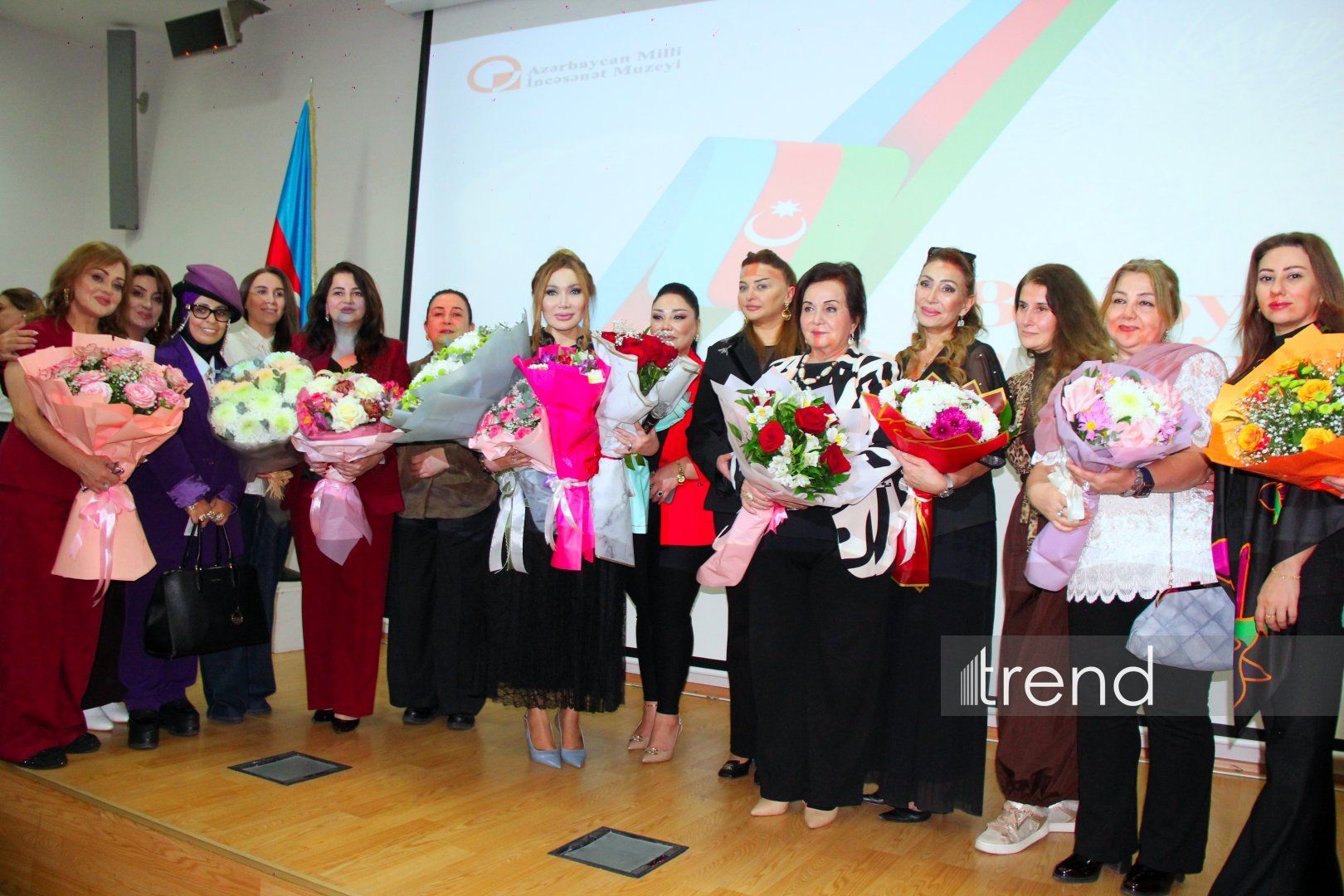
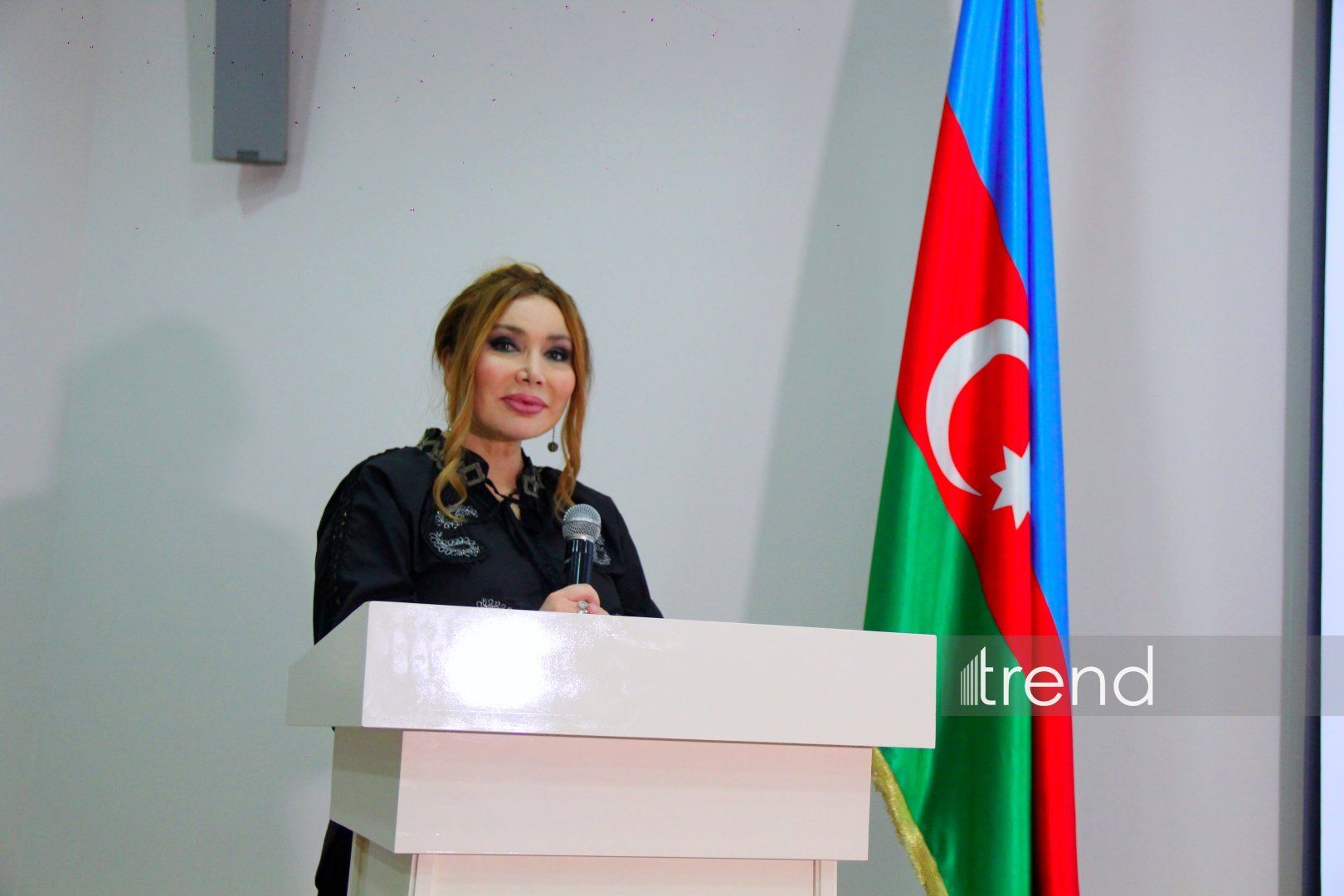
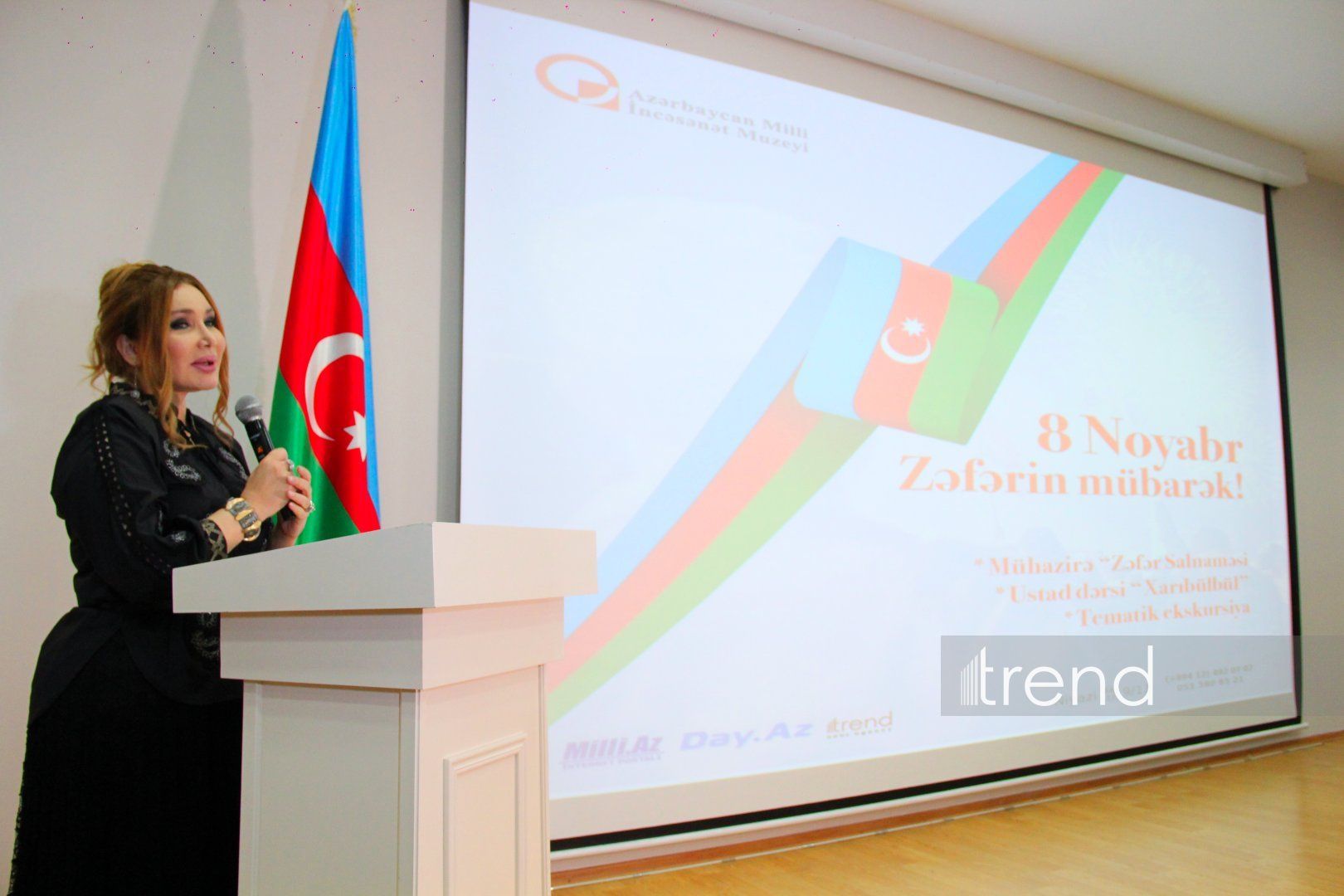
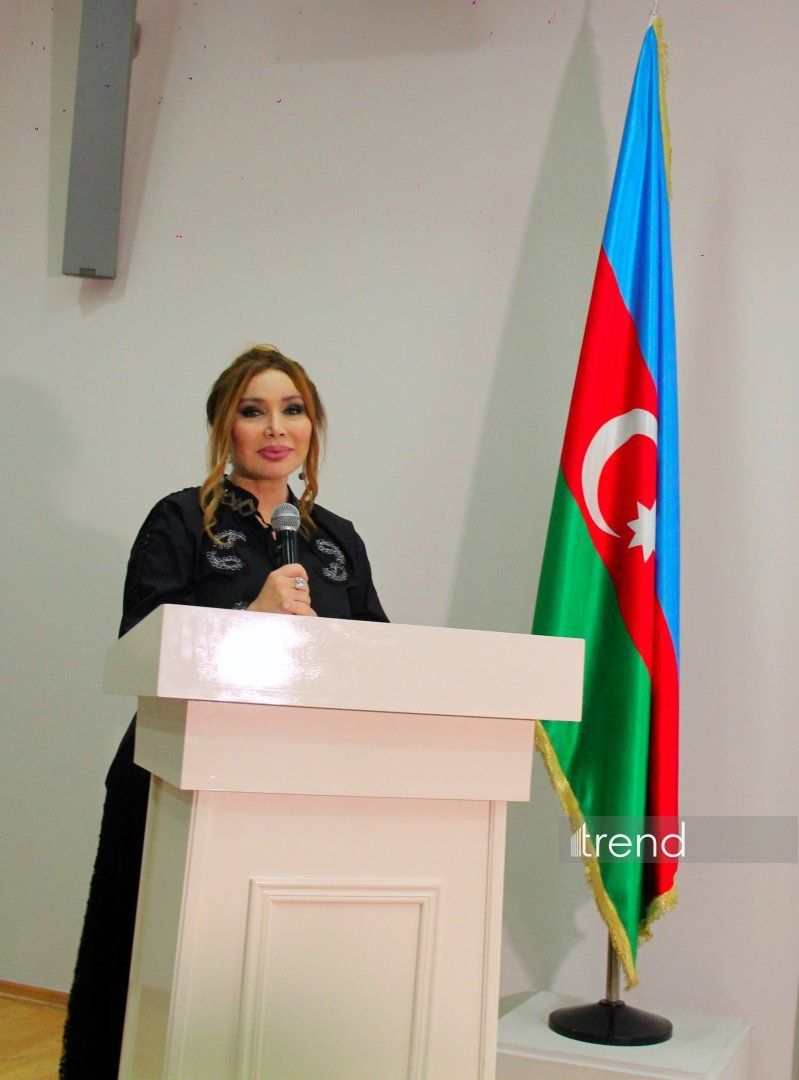
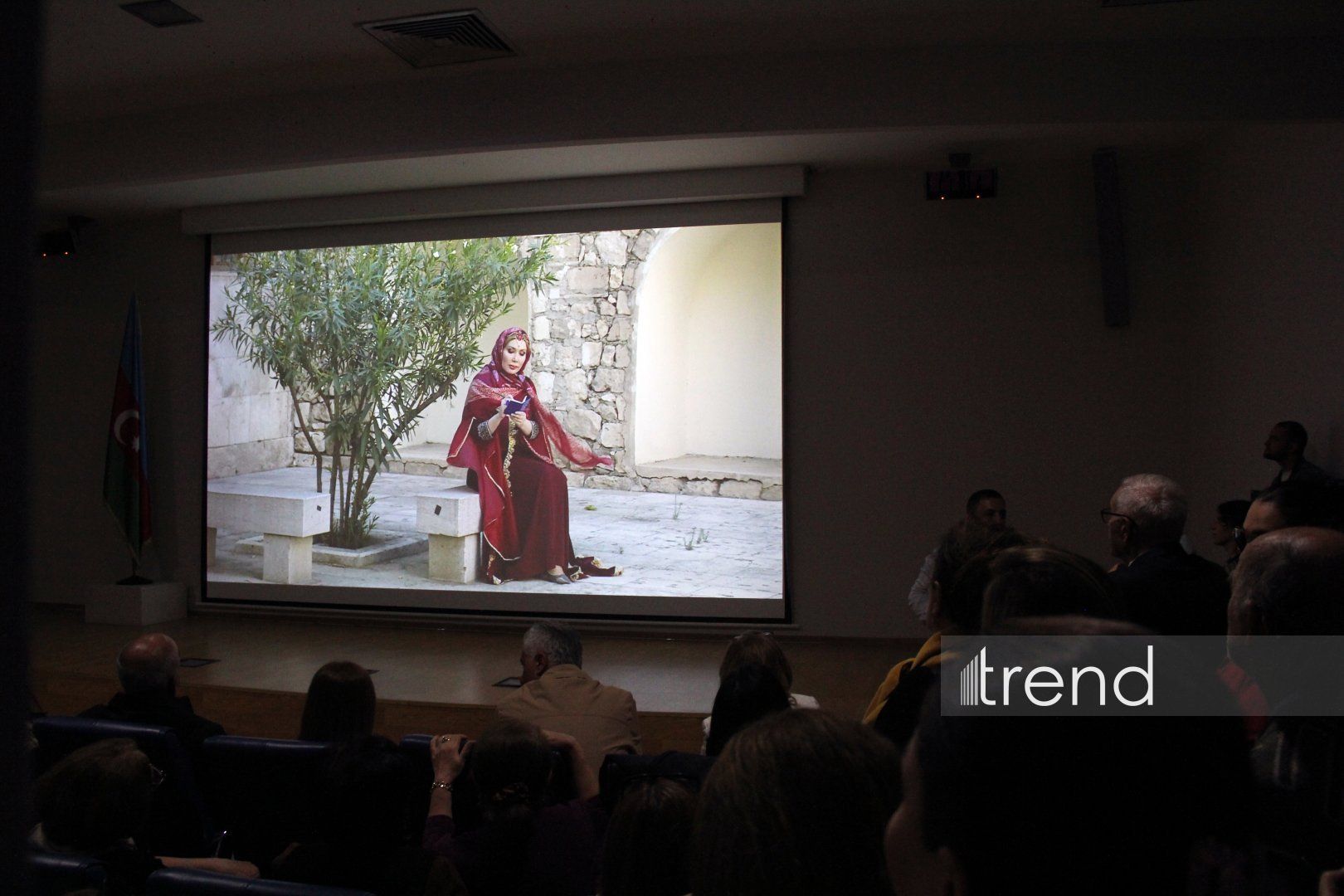
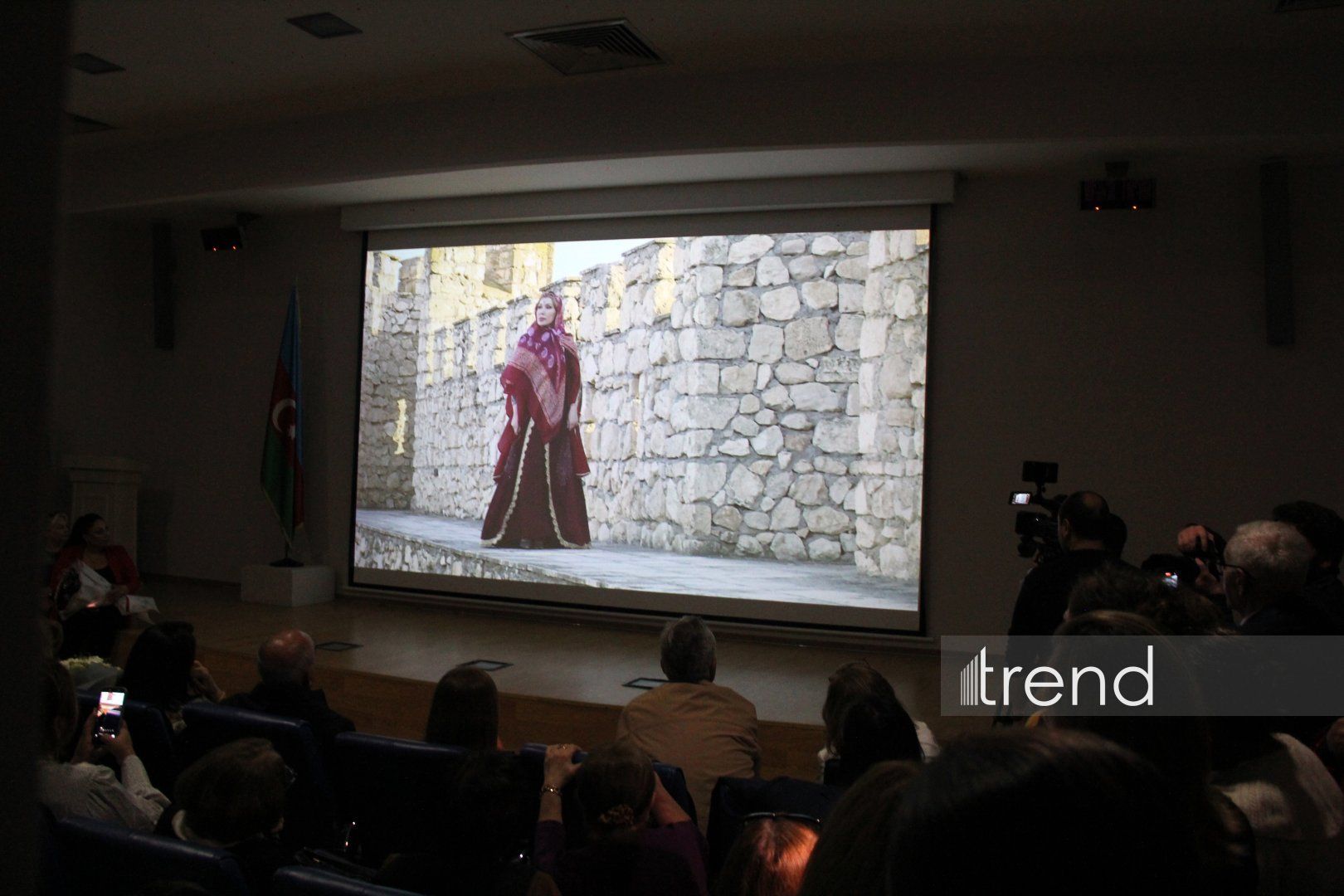
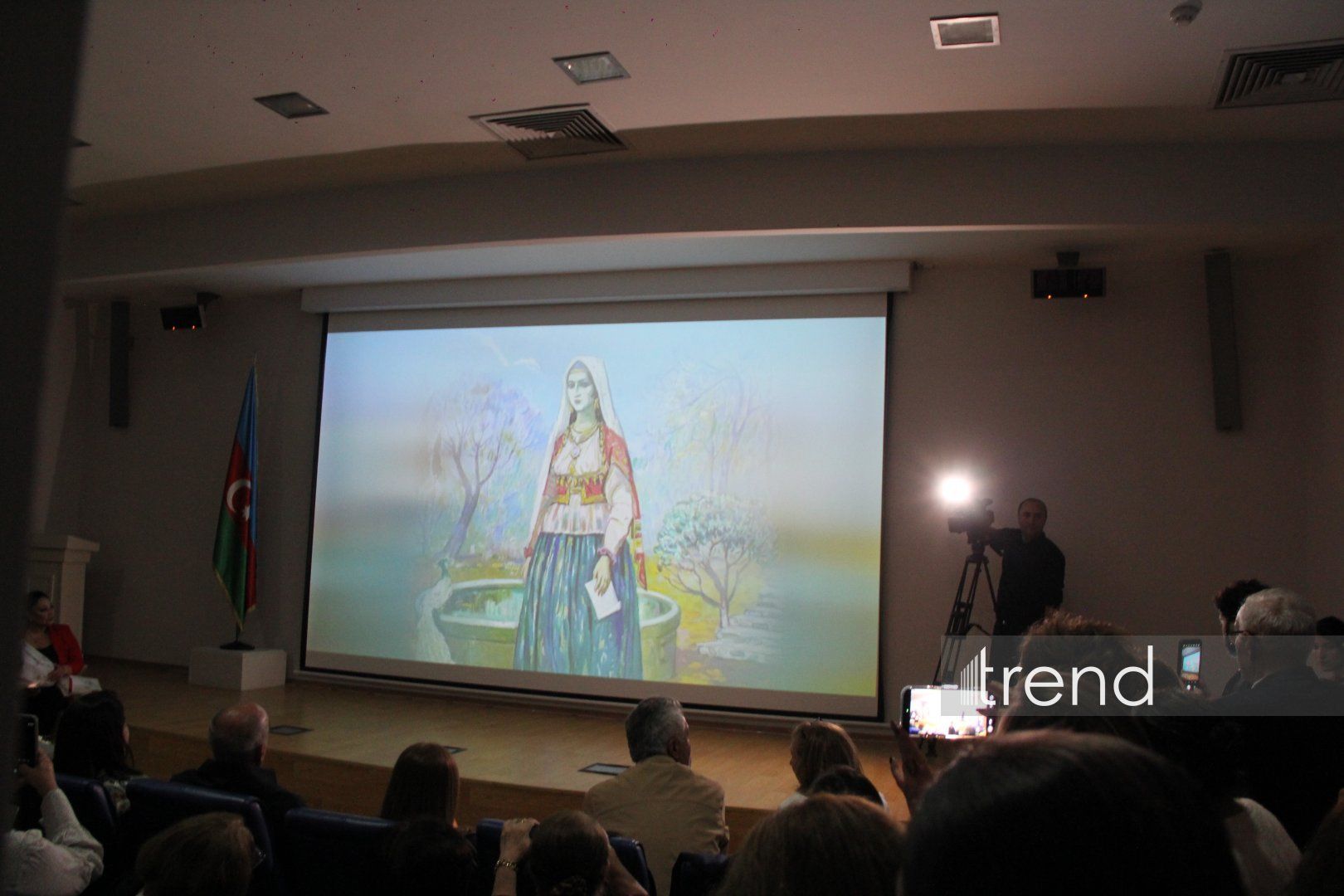
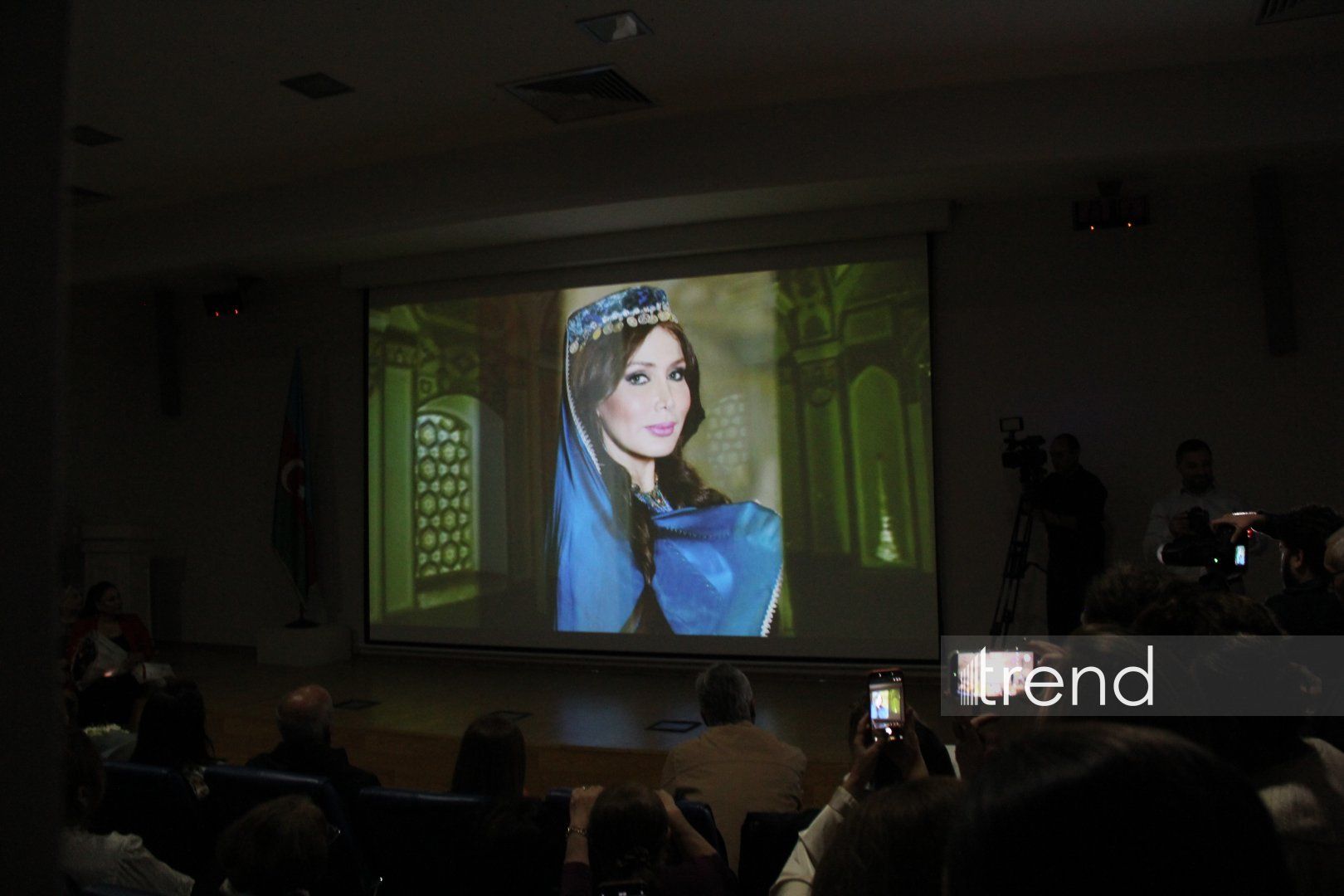
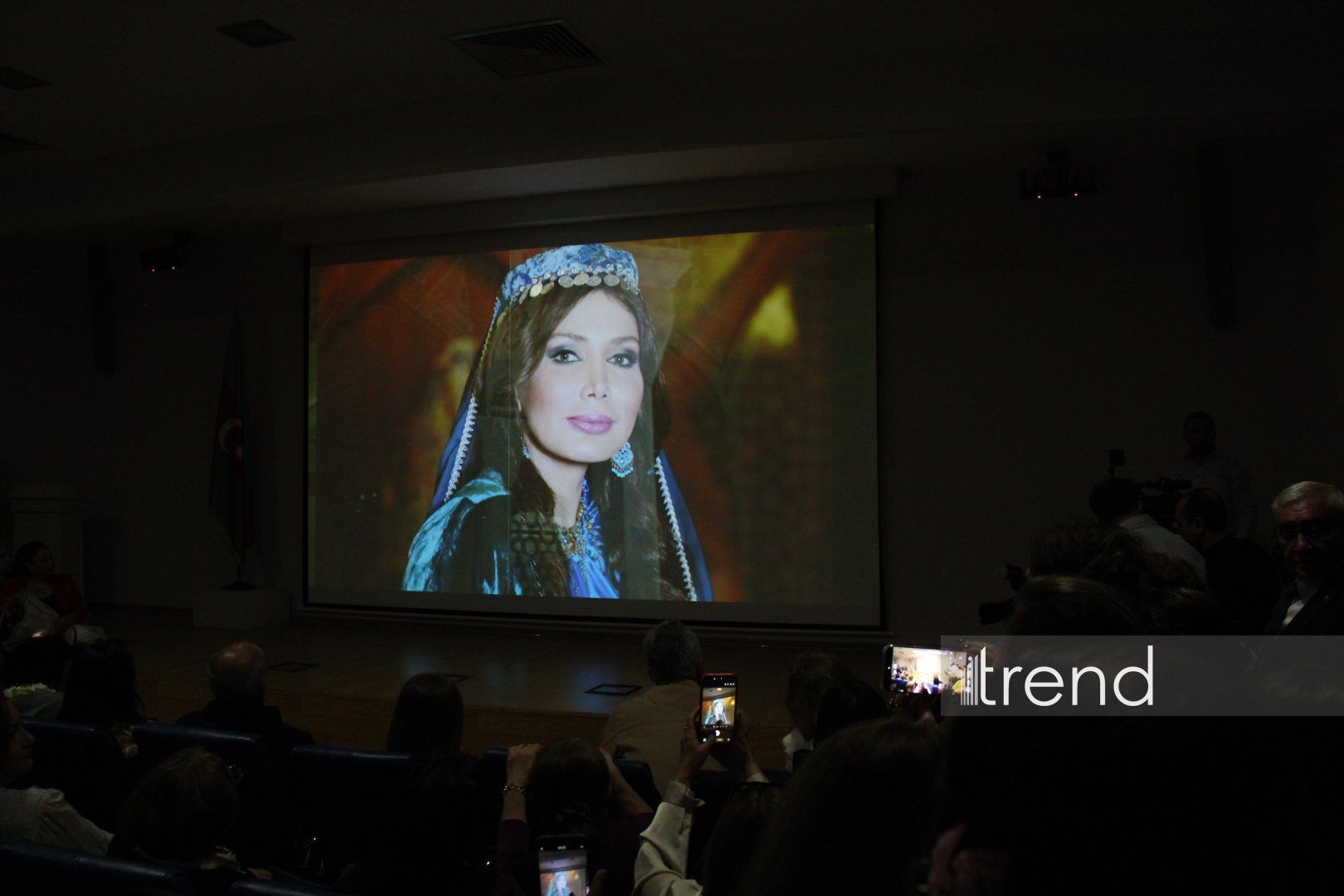
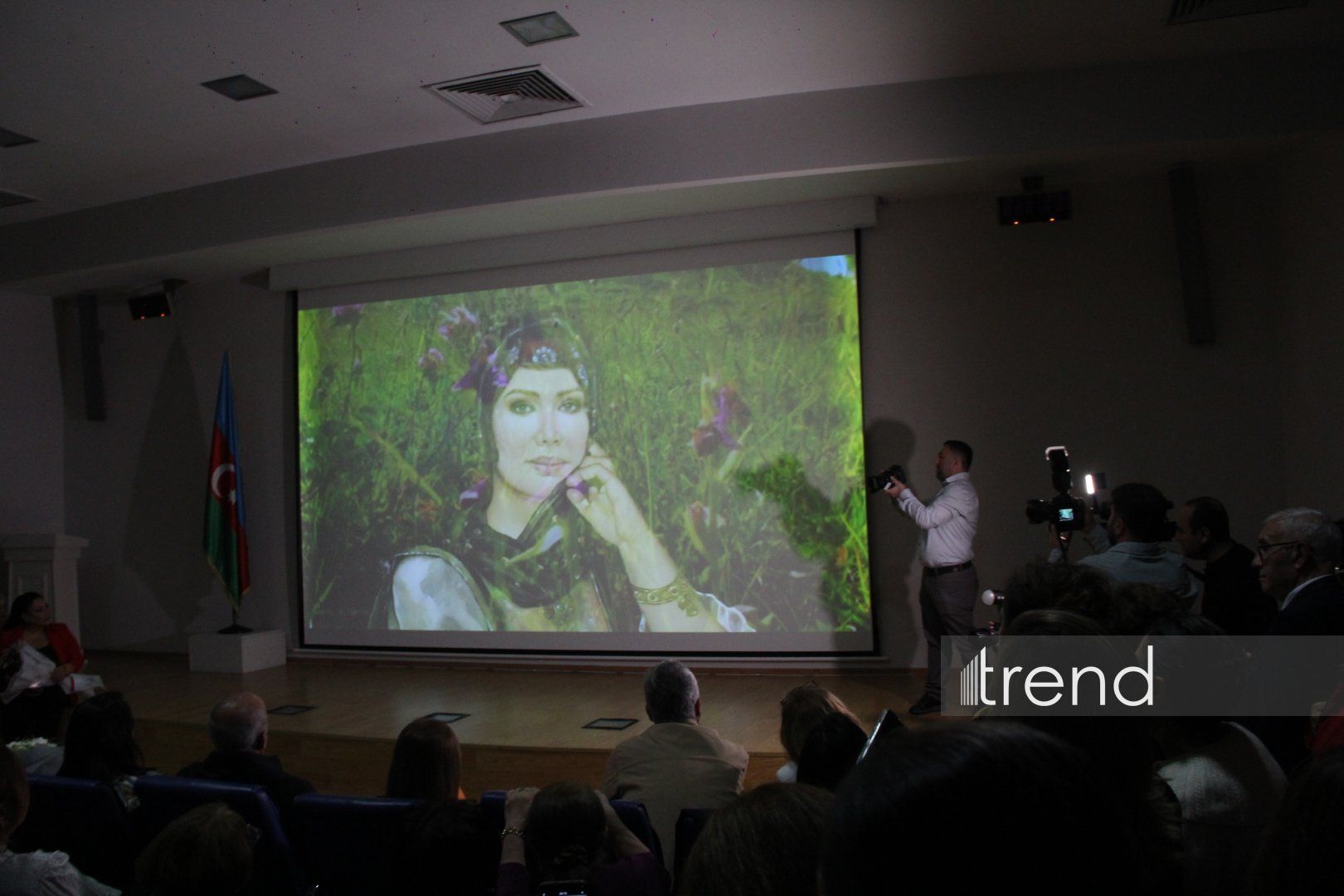
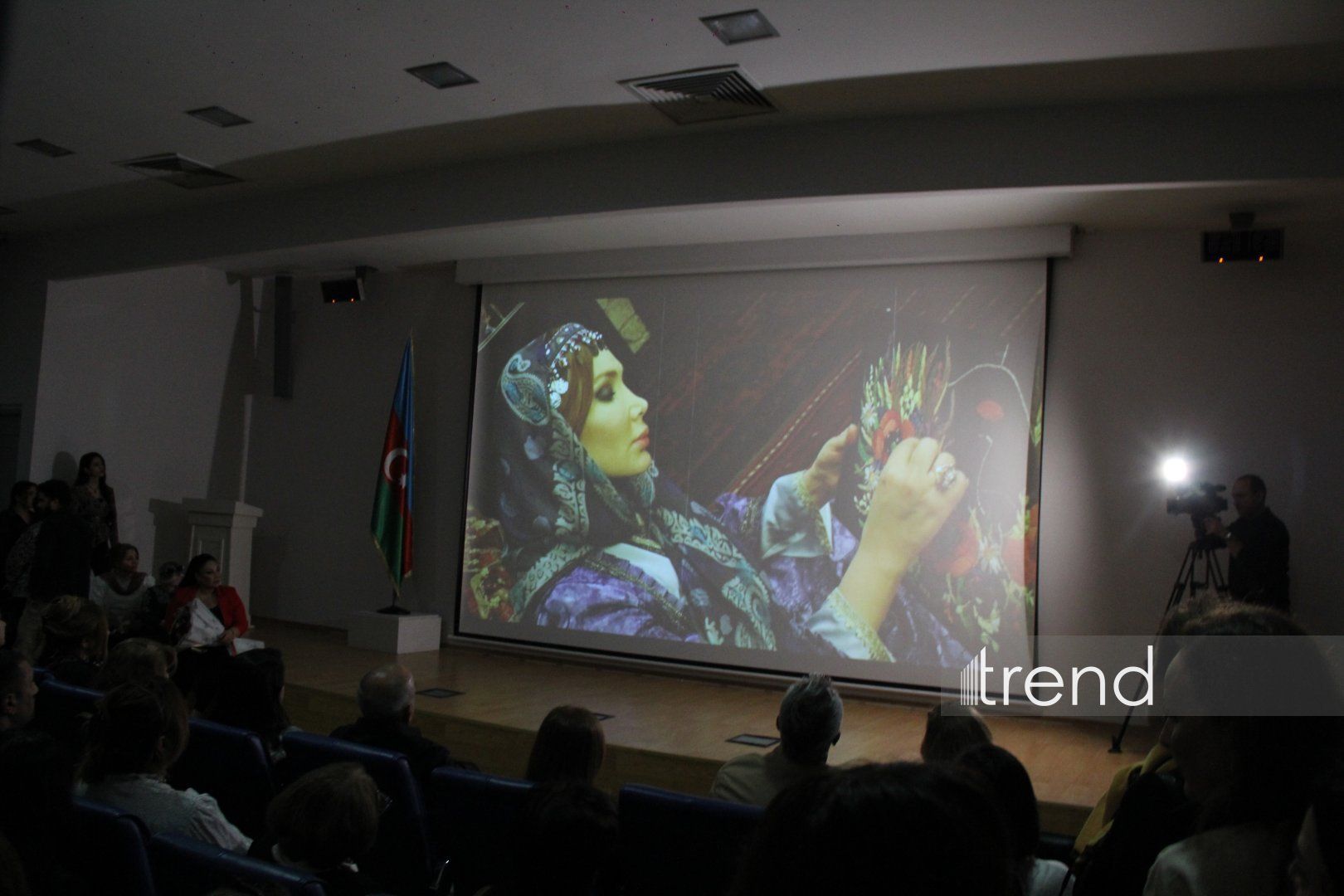
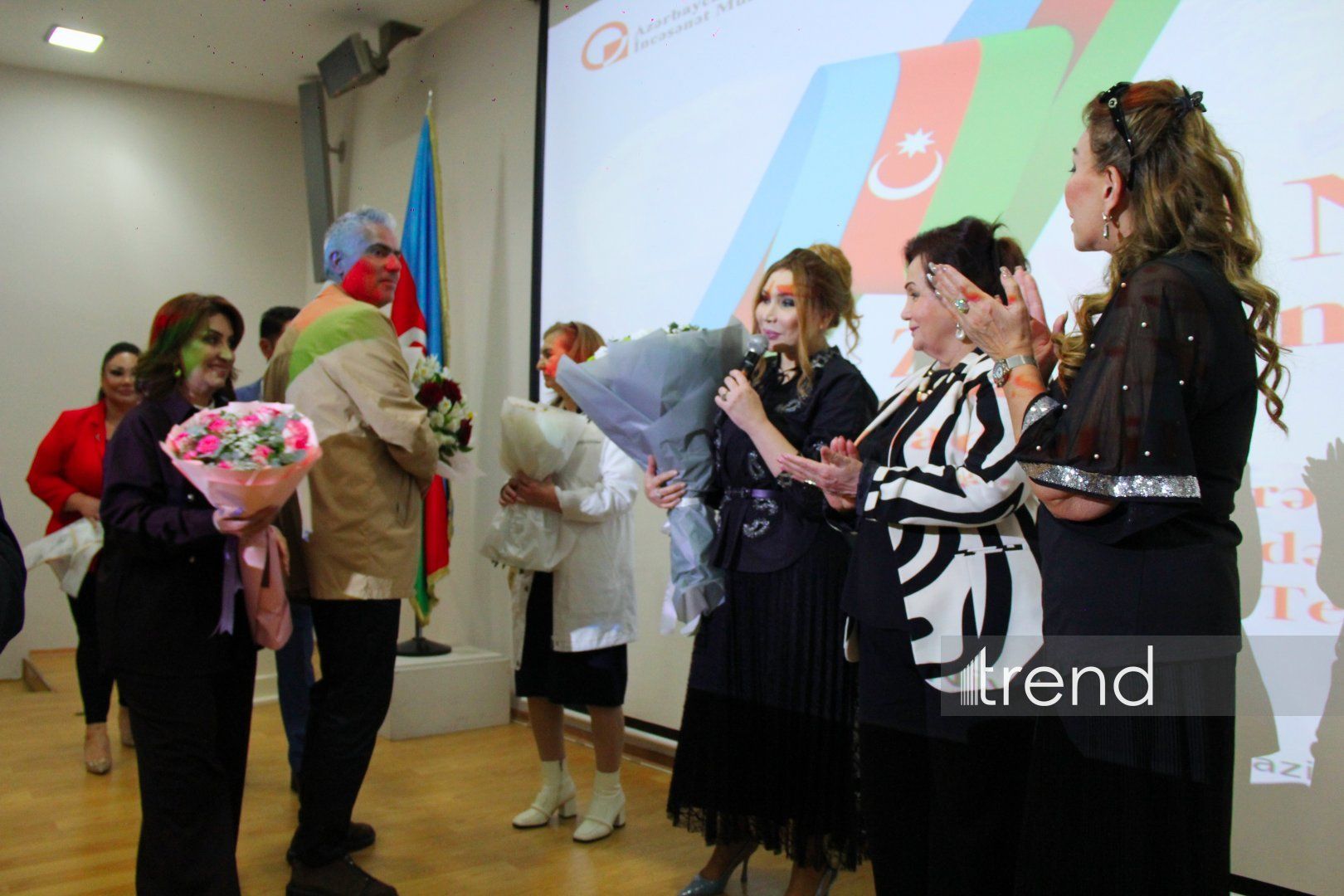
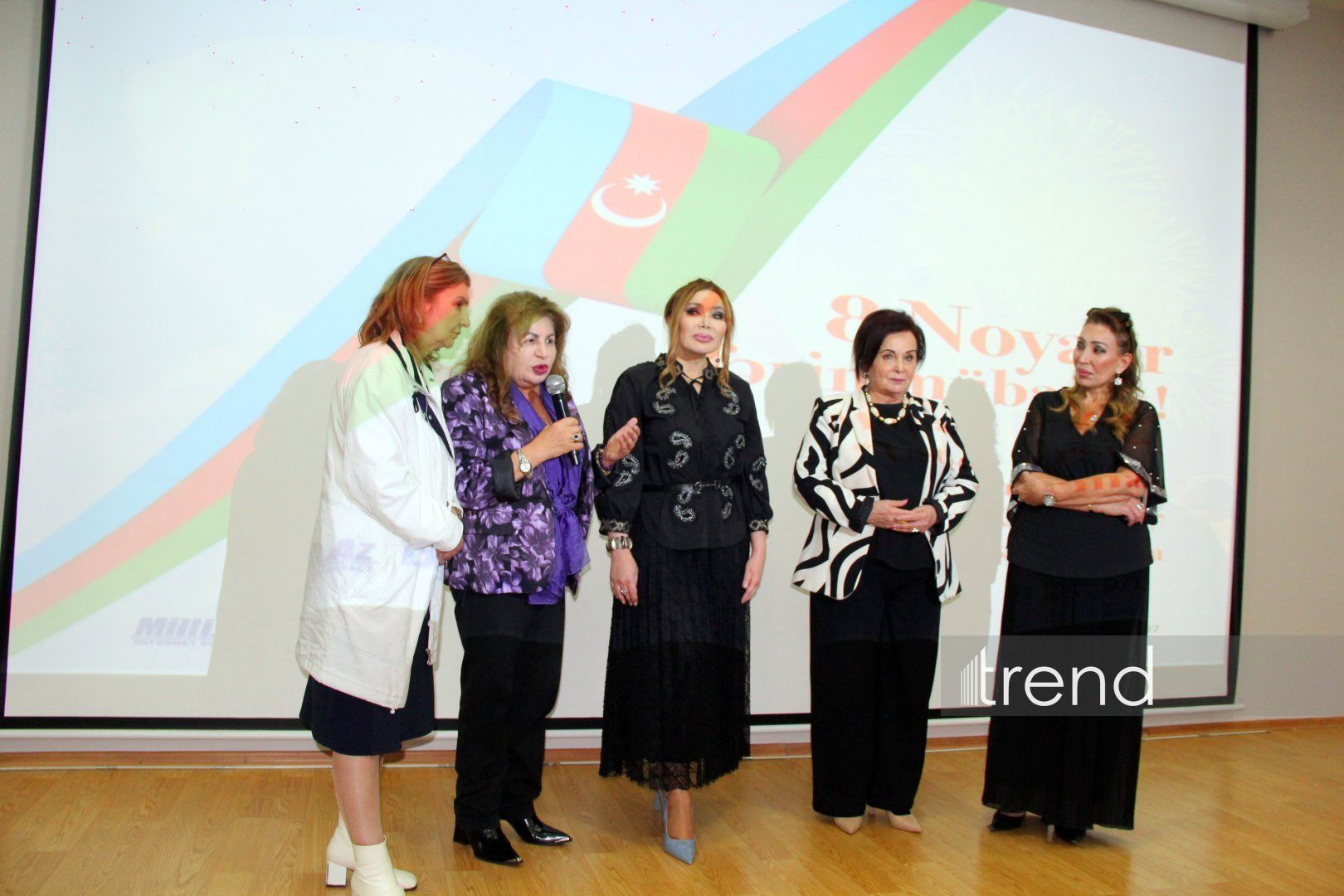
Read moreA documentary film titled Khurshidbanu Natavan: The Khan's Daughter, dedicated to the life and legacy of the prominent Azerbaijani poet and public figure, was presented at the Azerbaijan National Museum of Art.
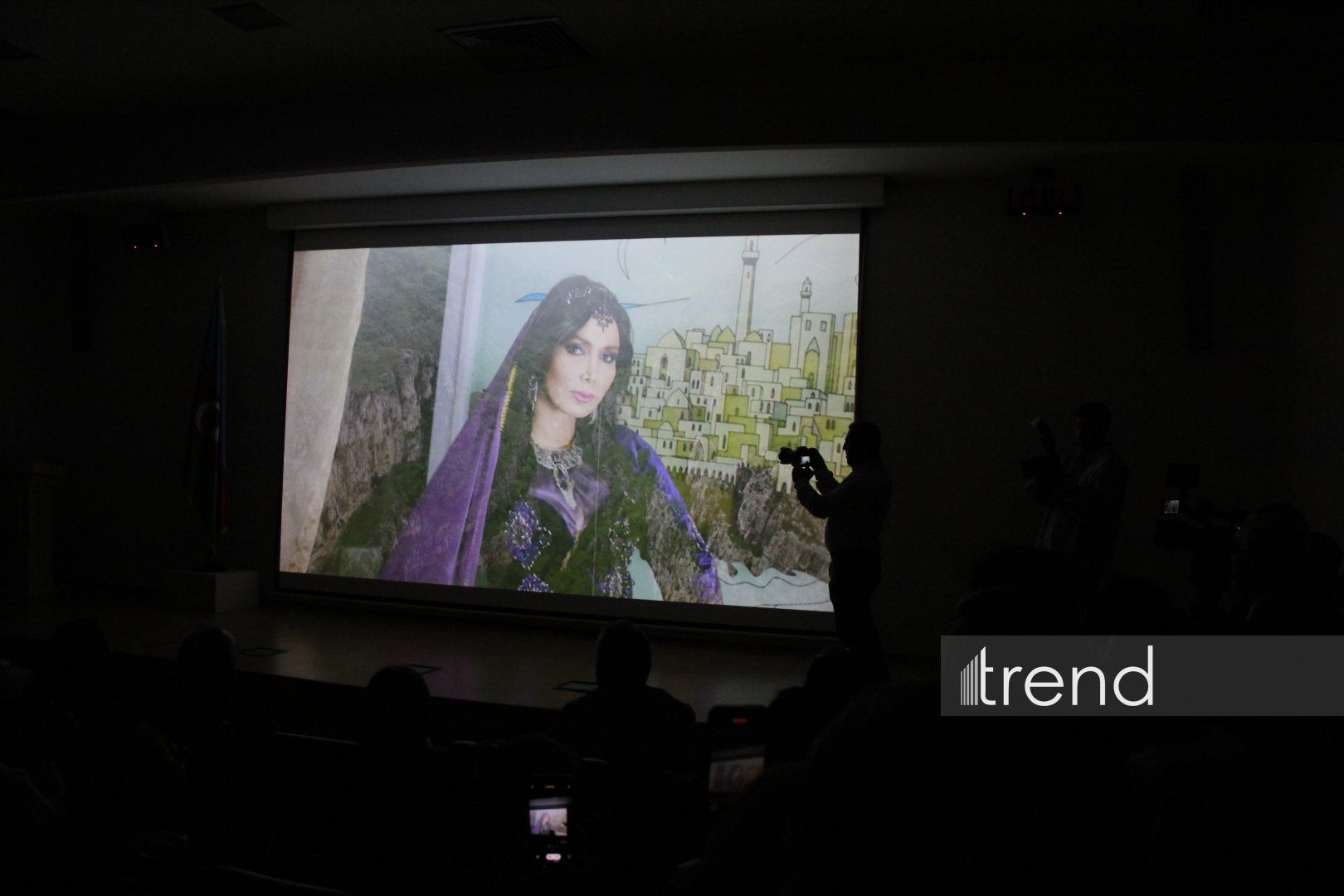
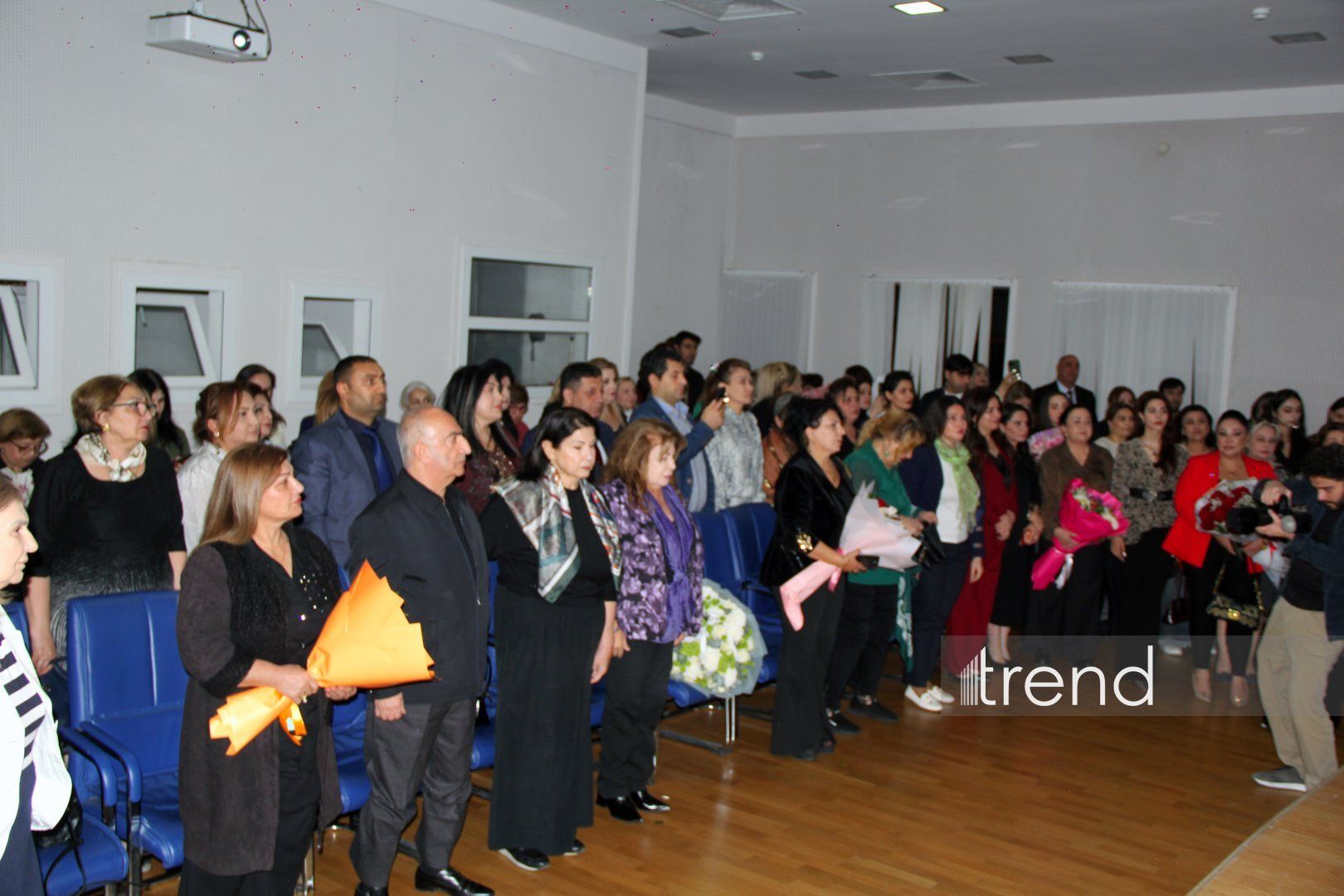
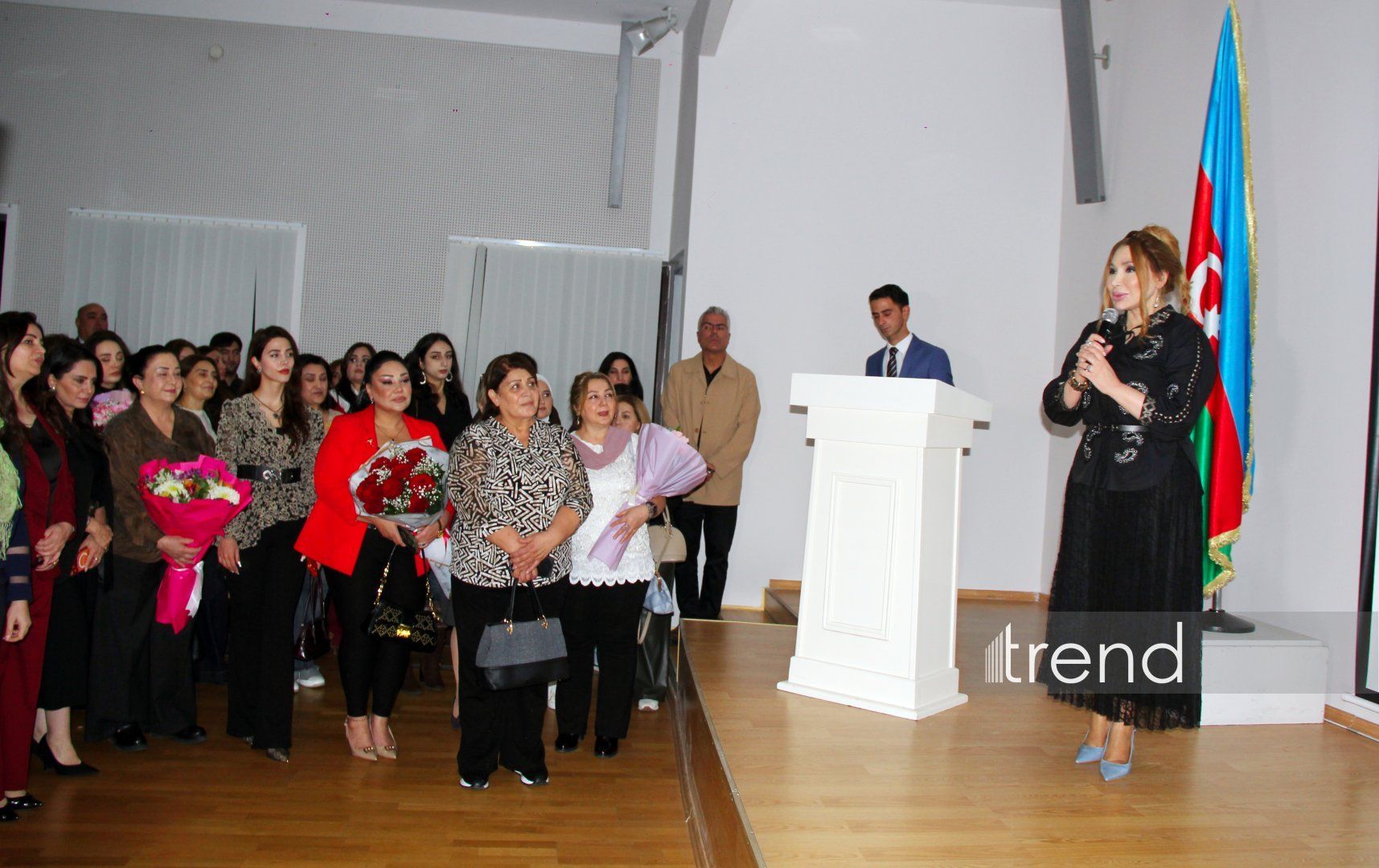
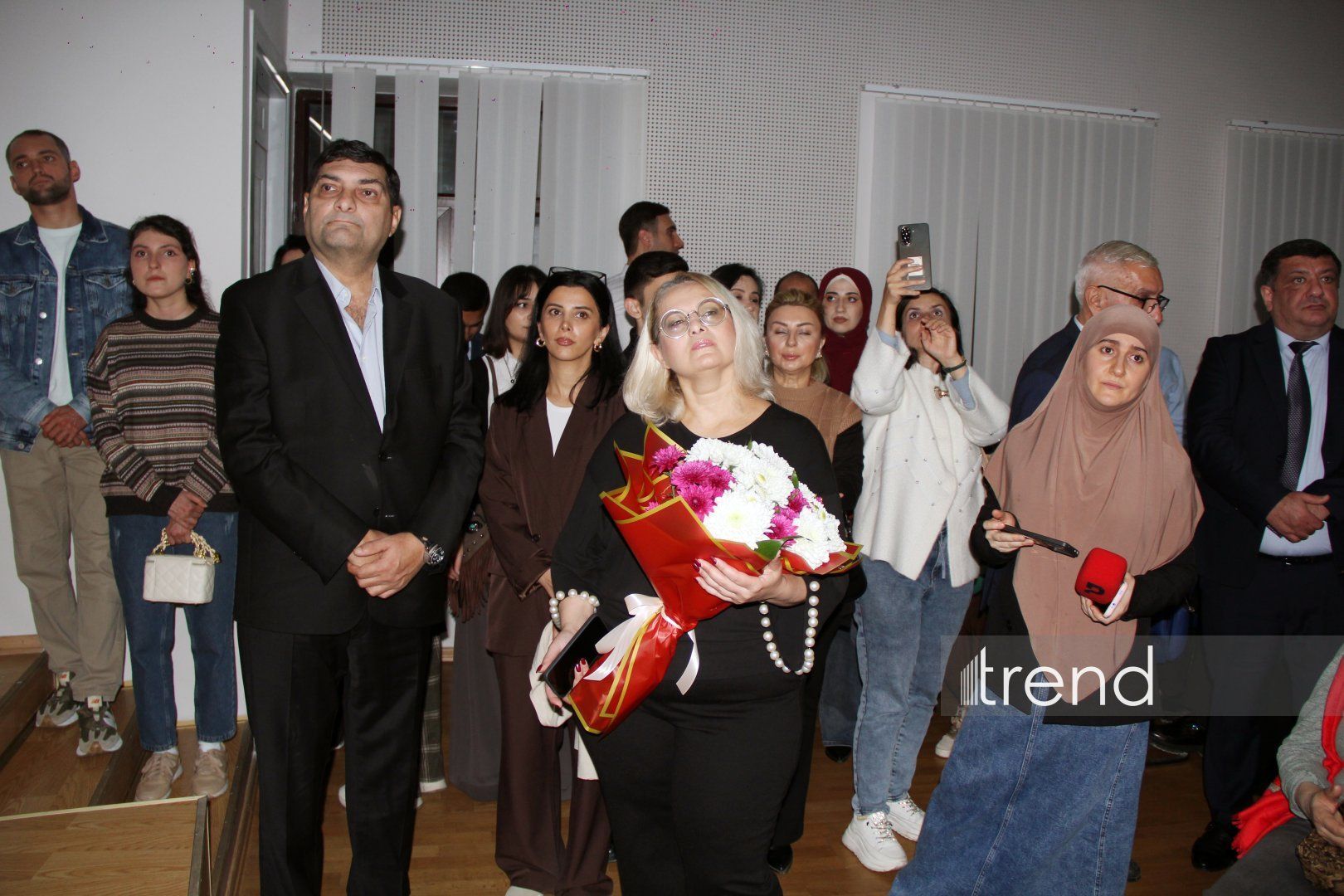
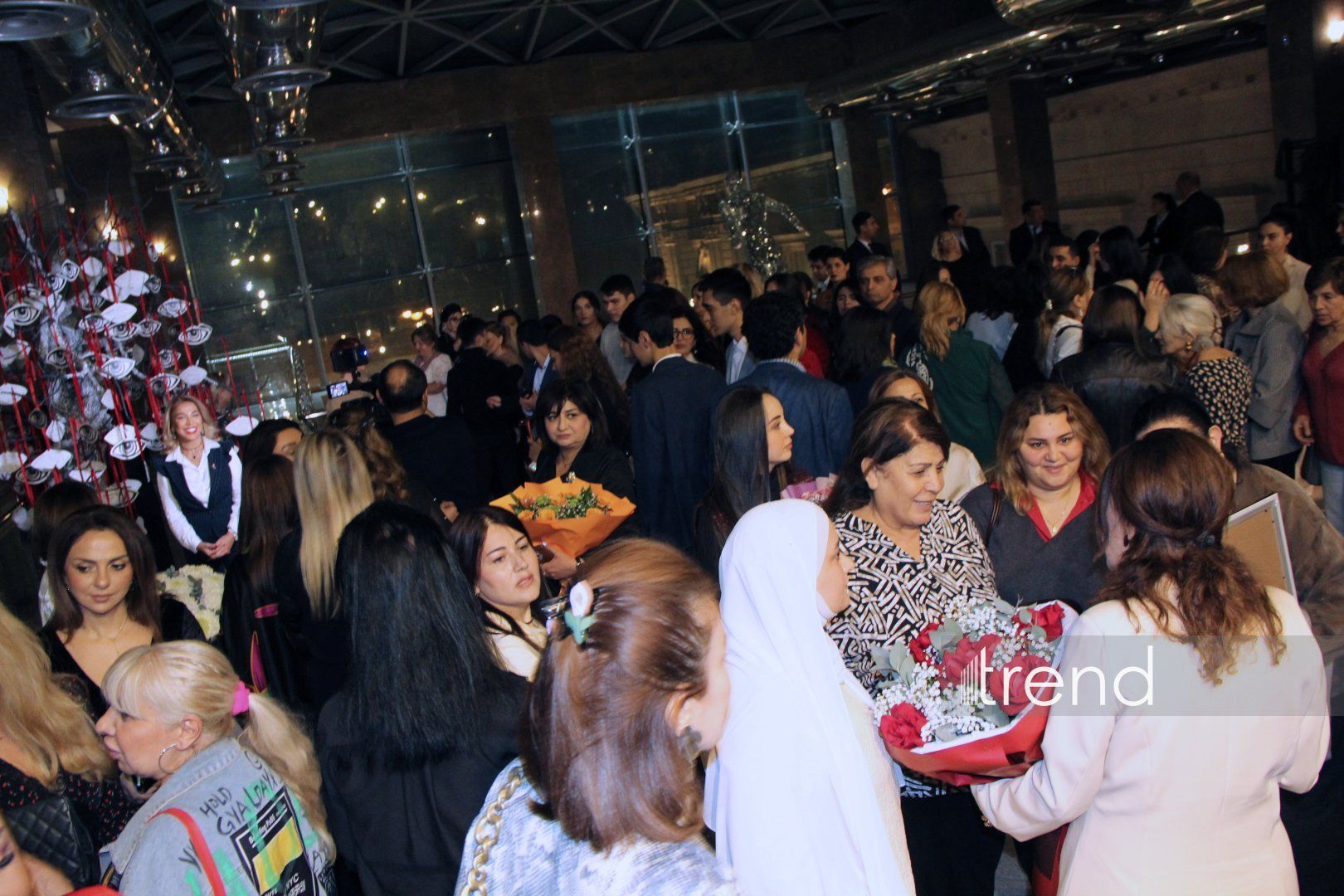
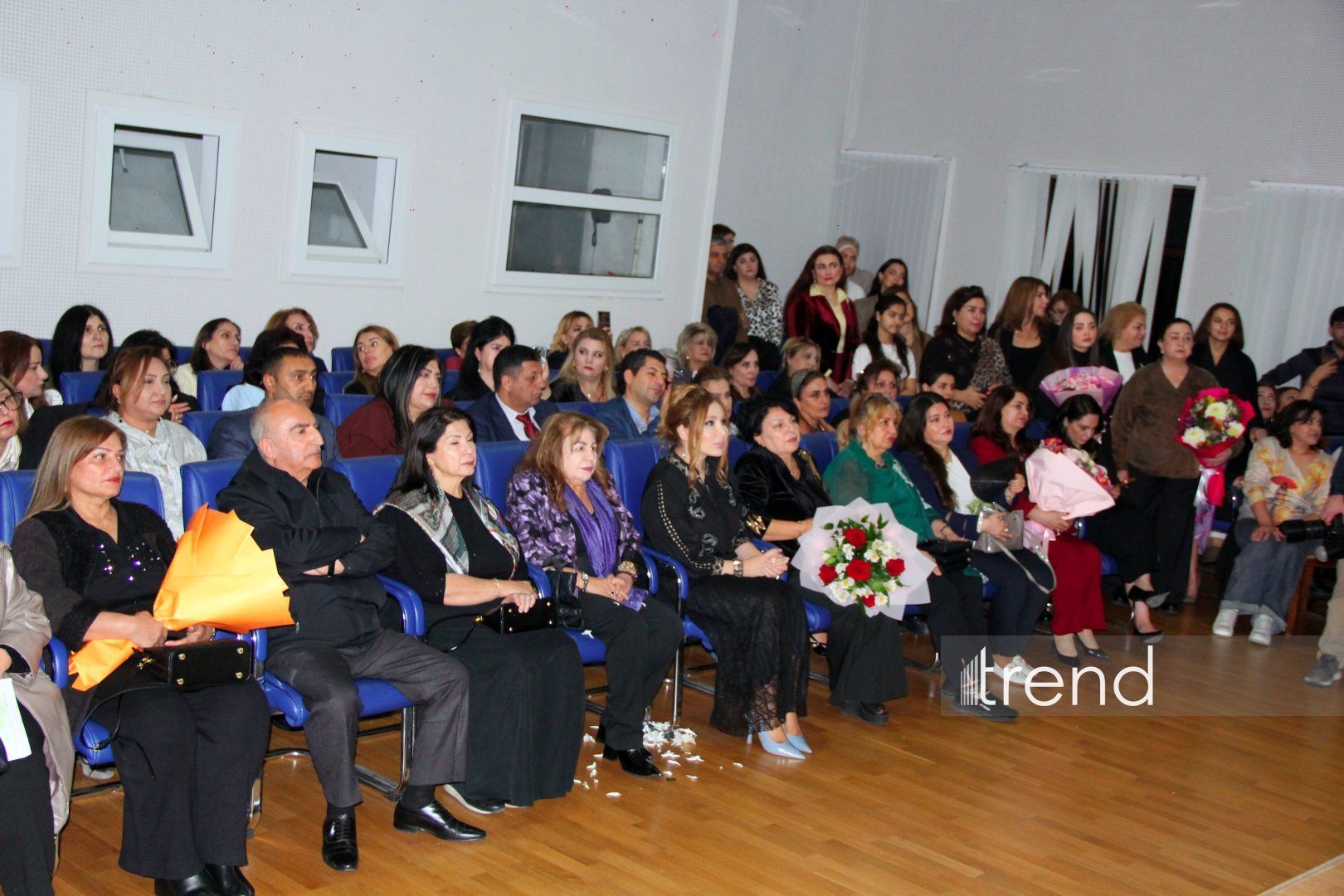
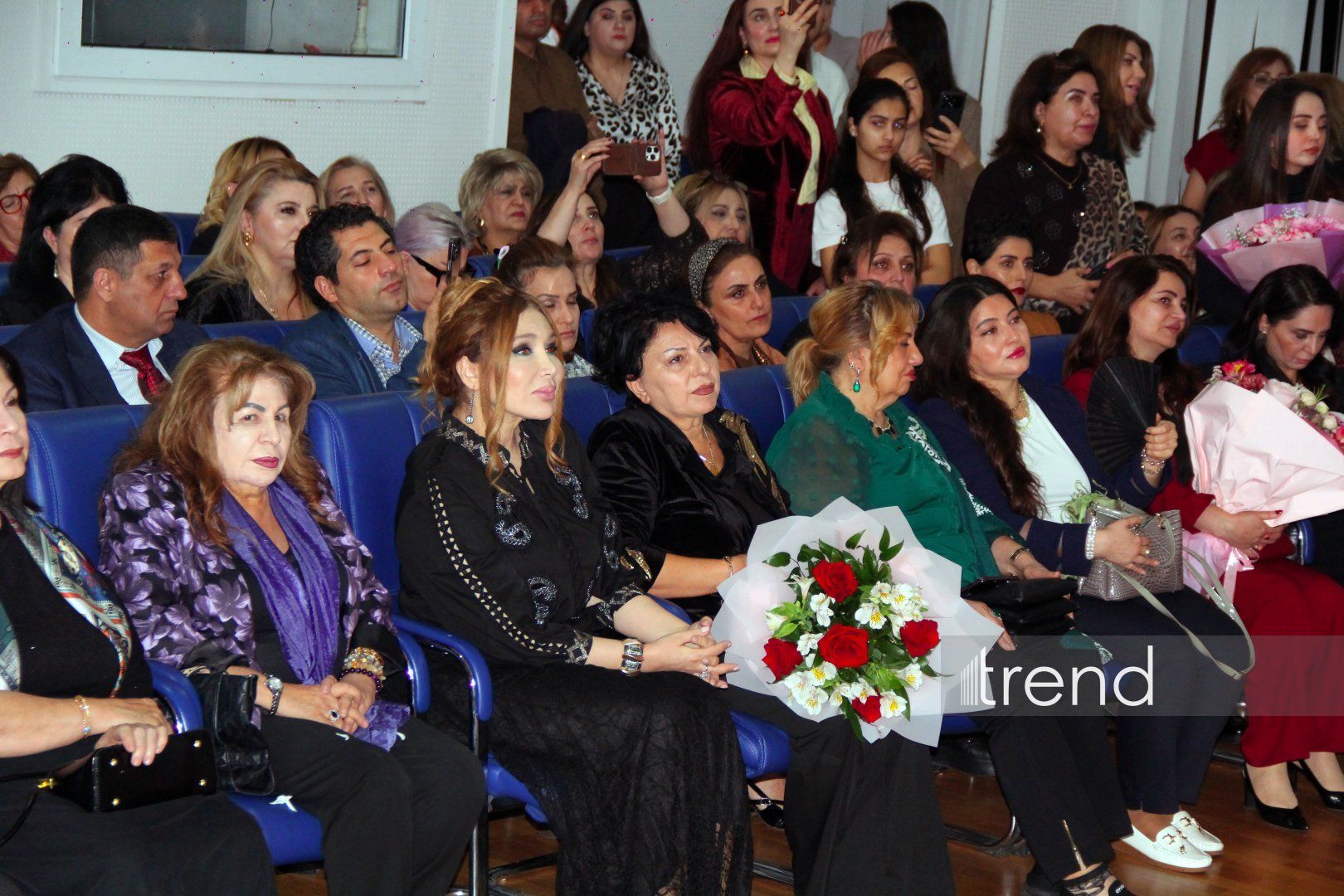
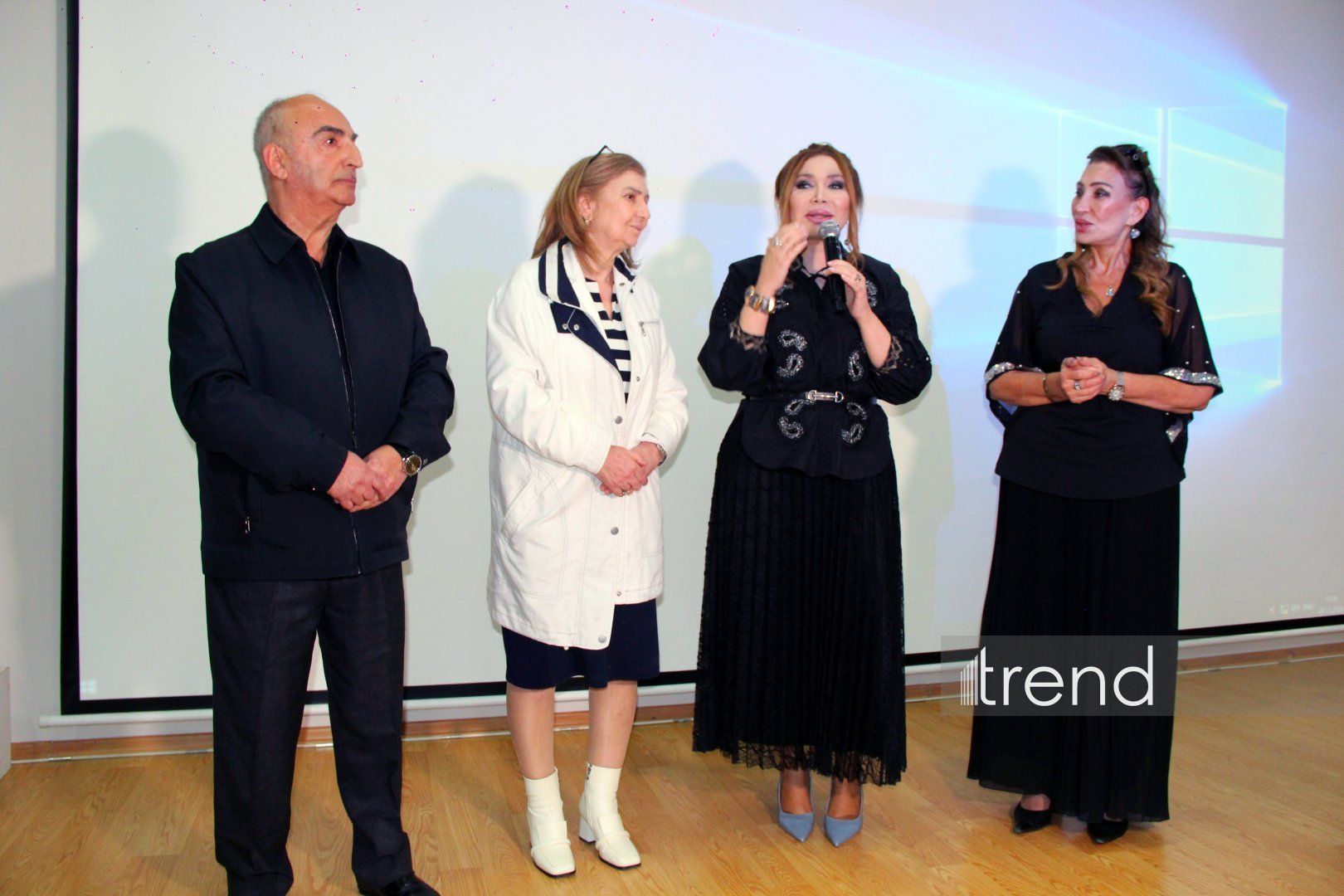
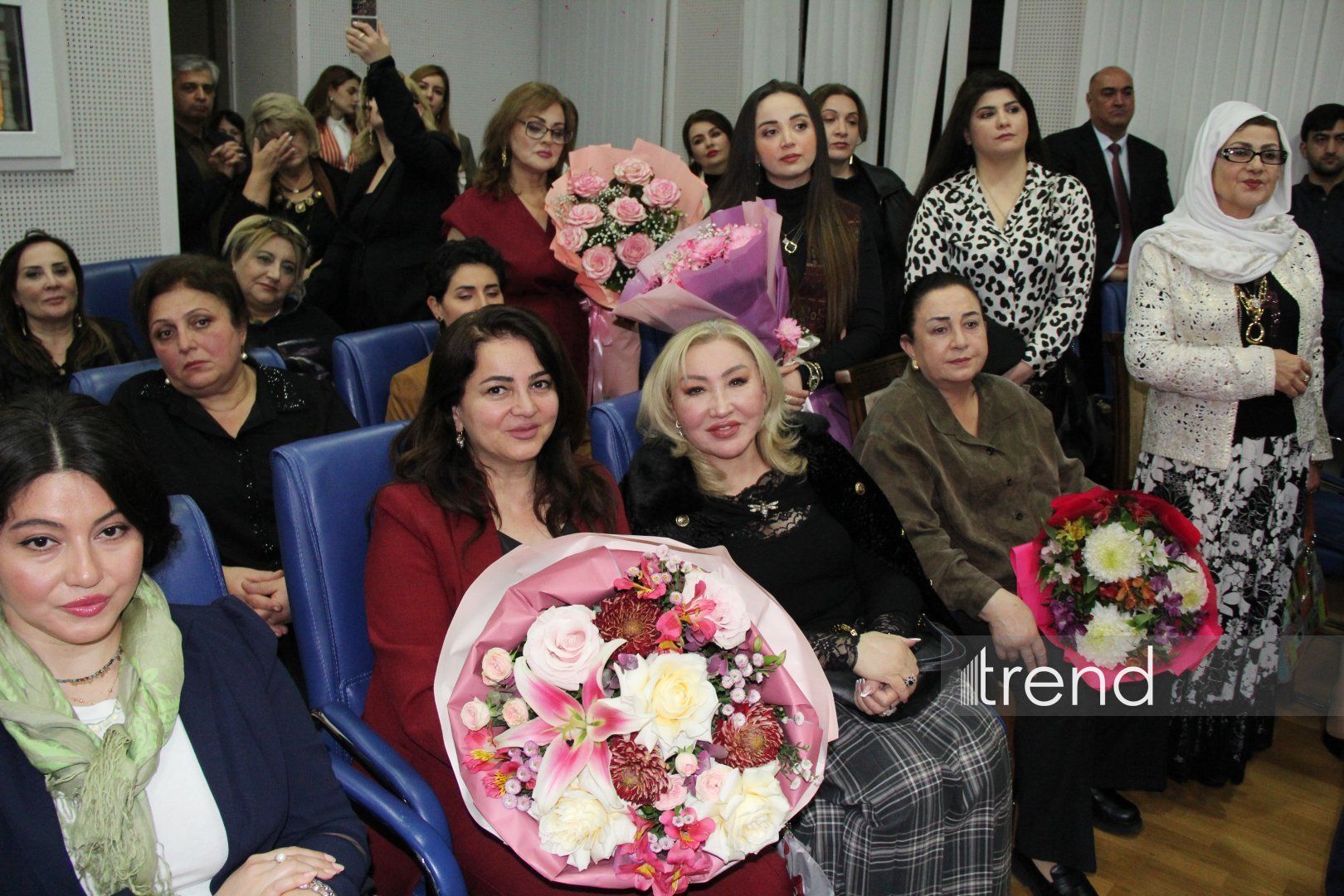
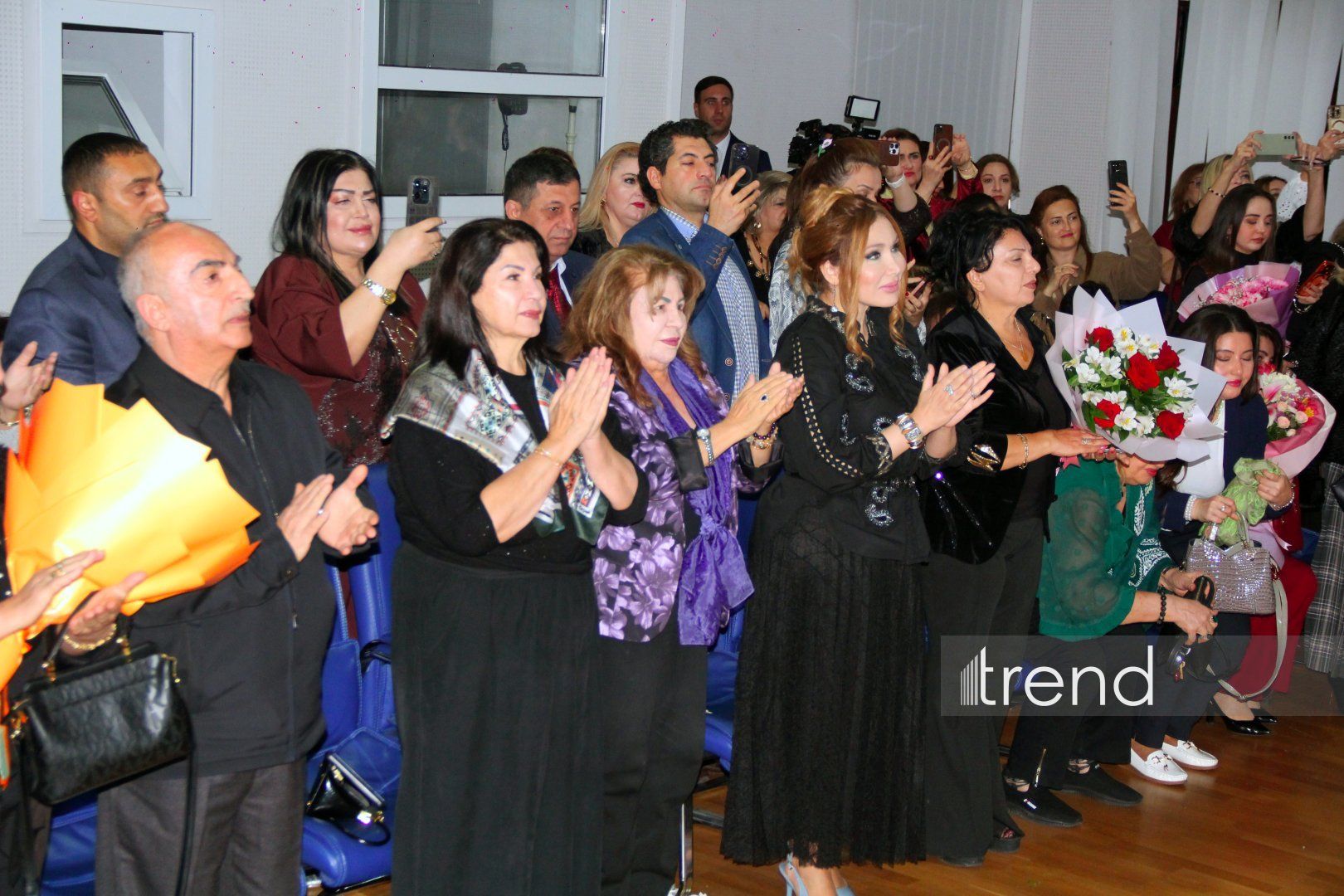
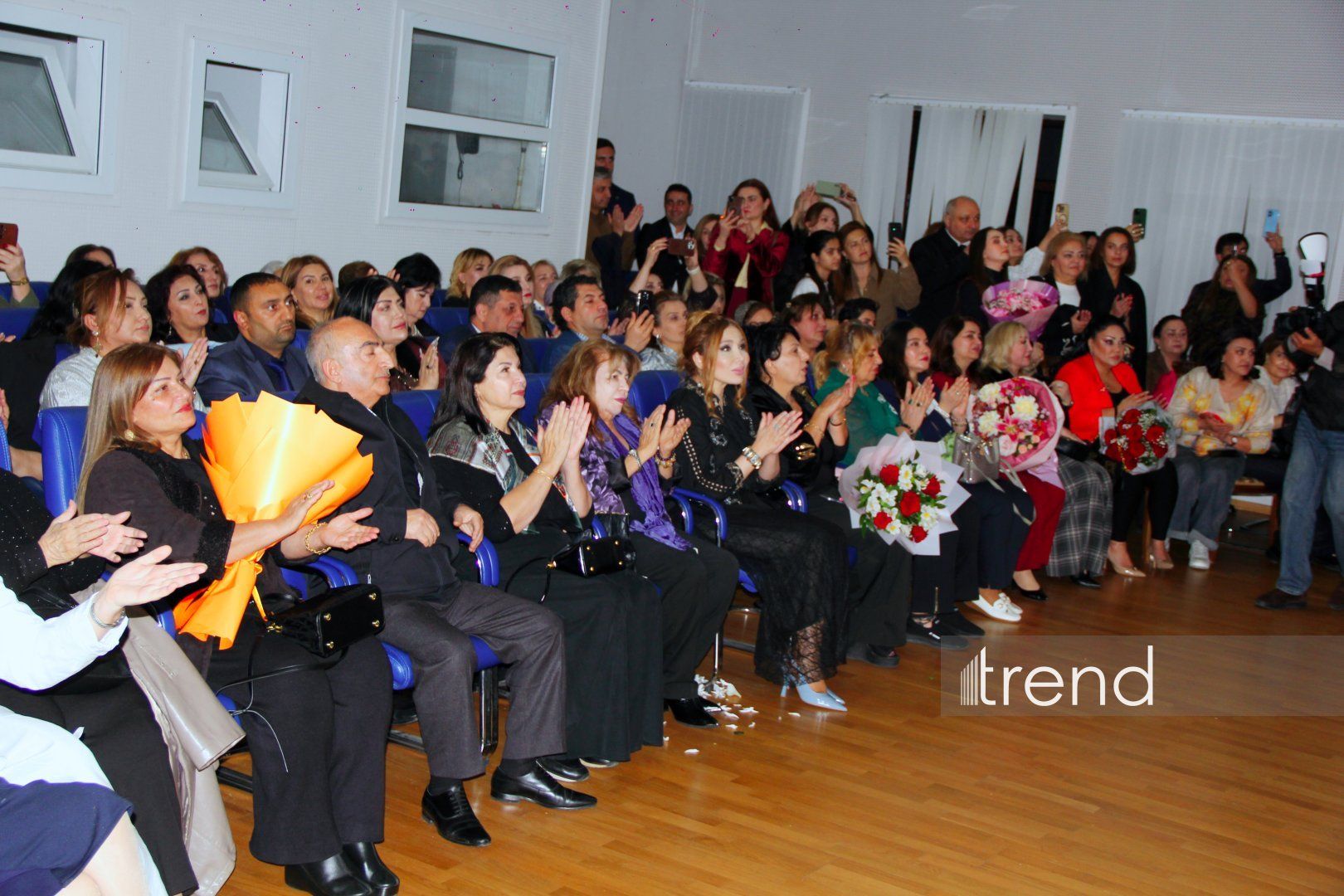
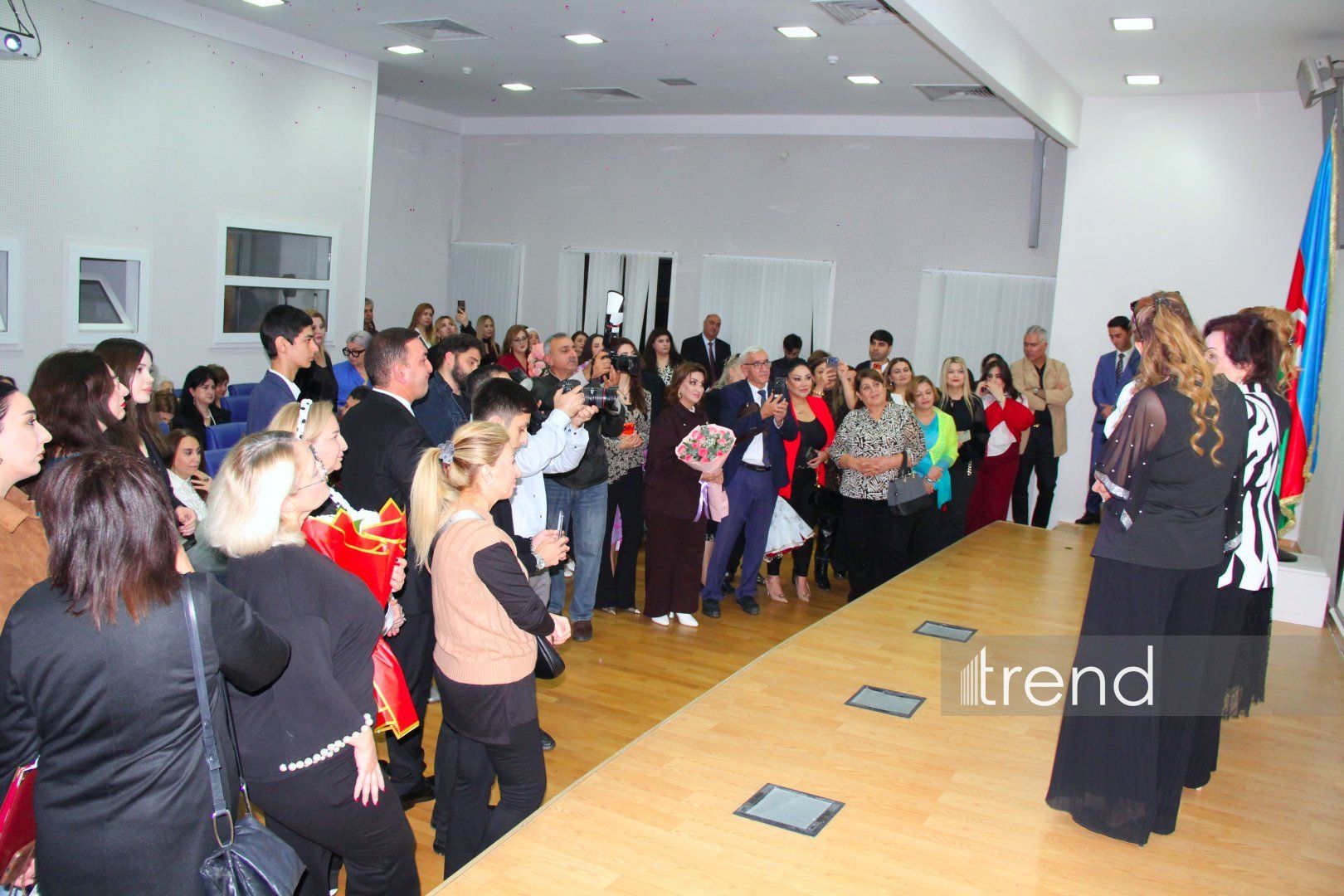
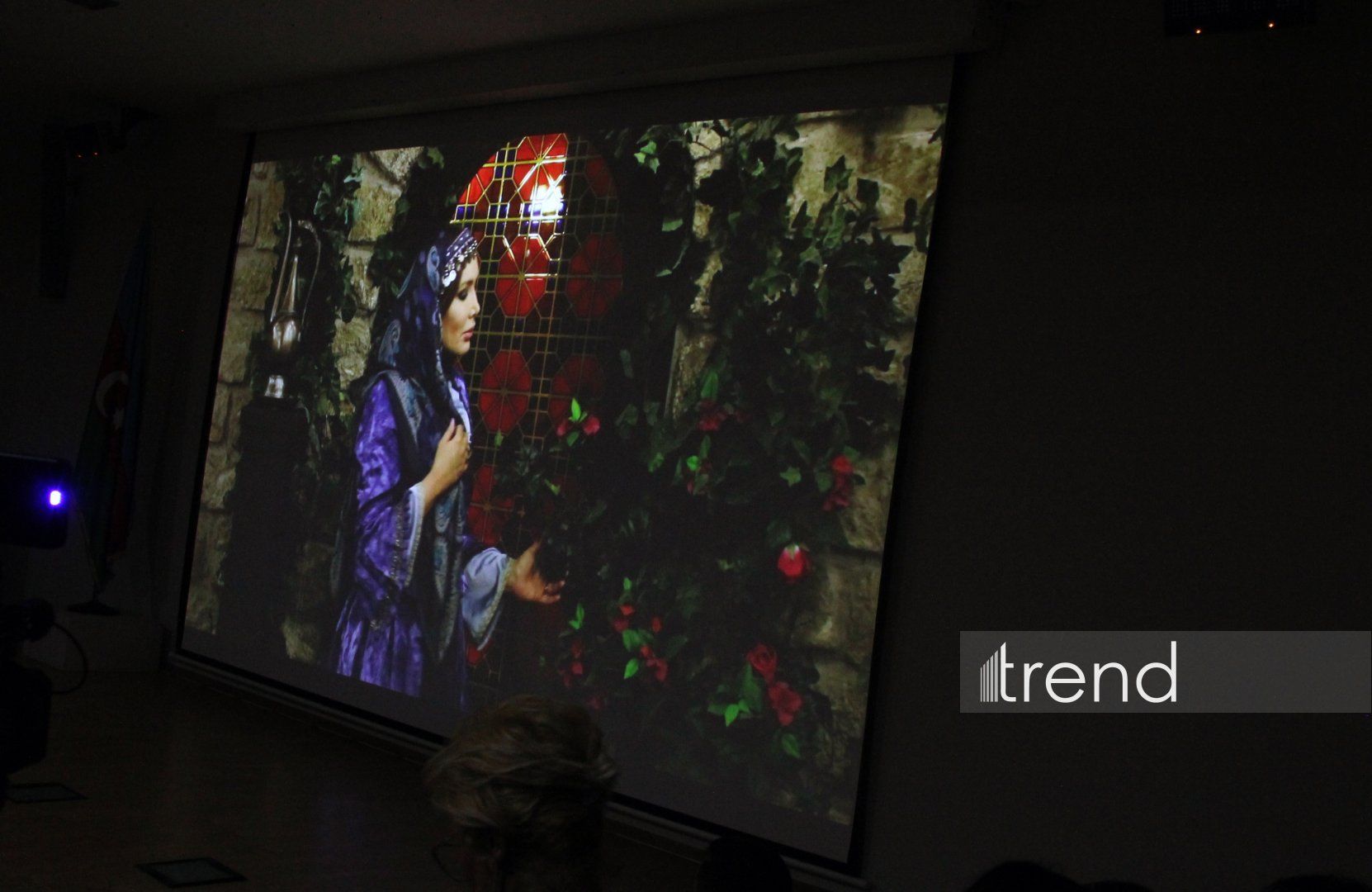
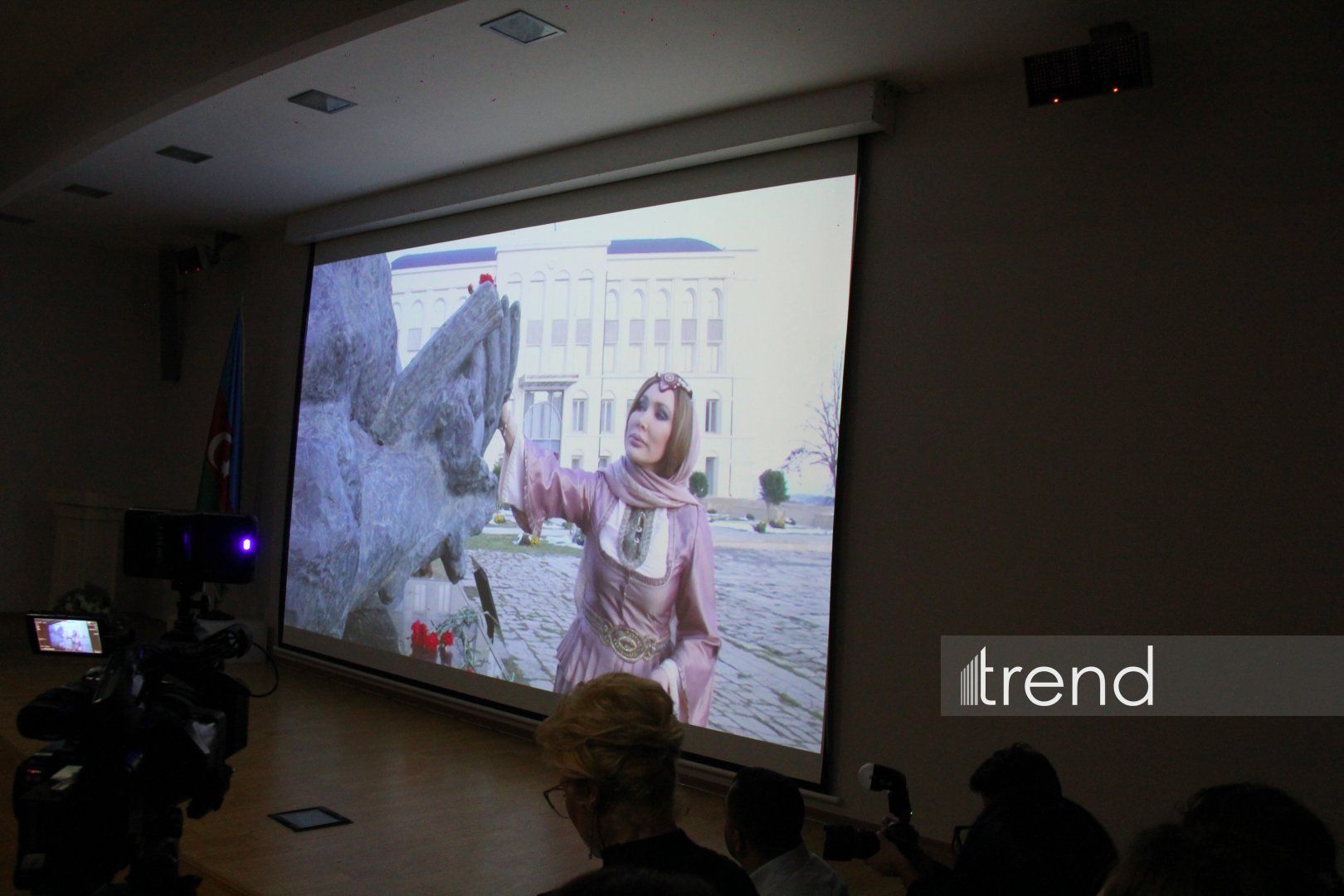
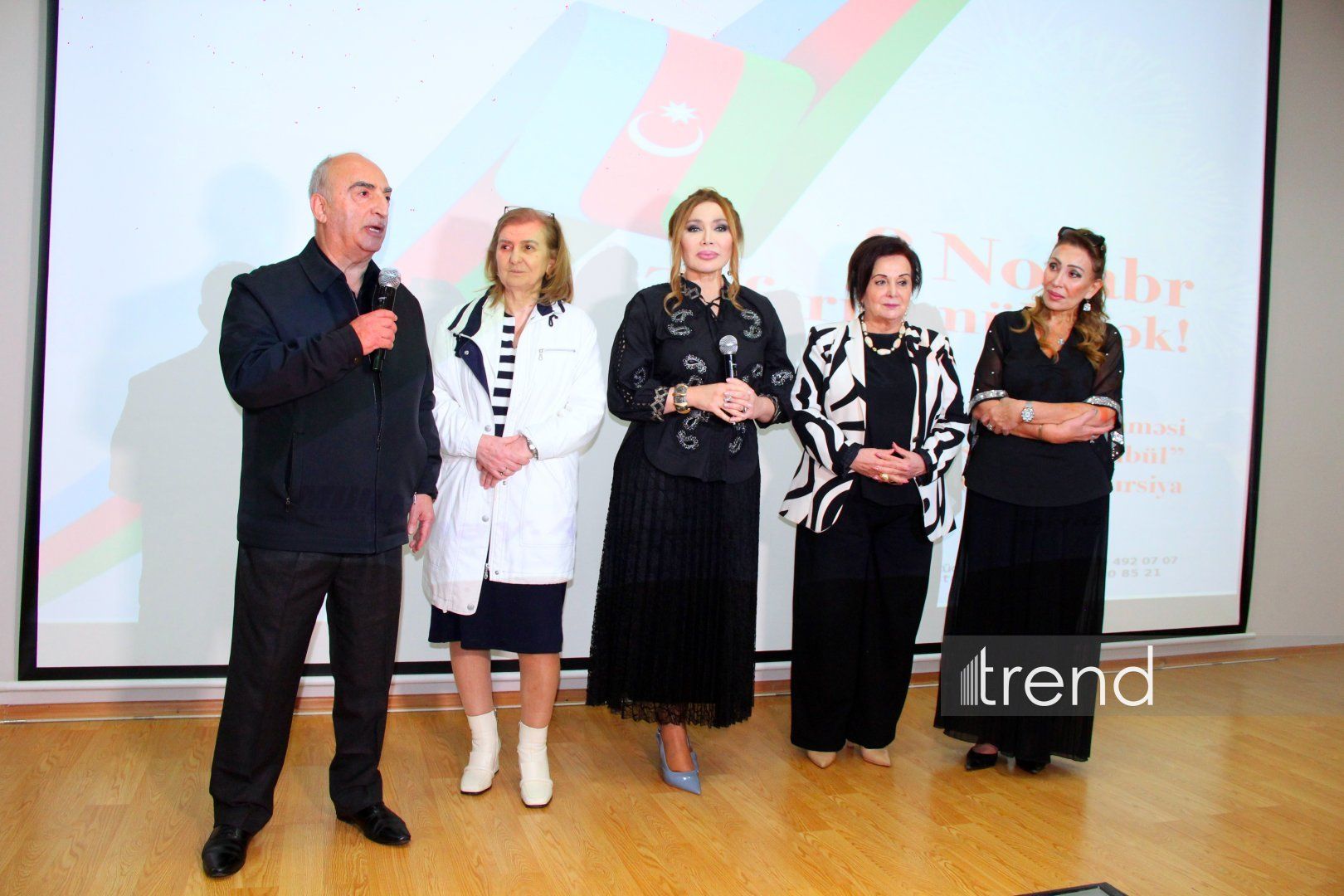
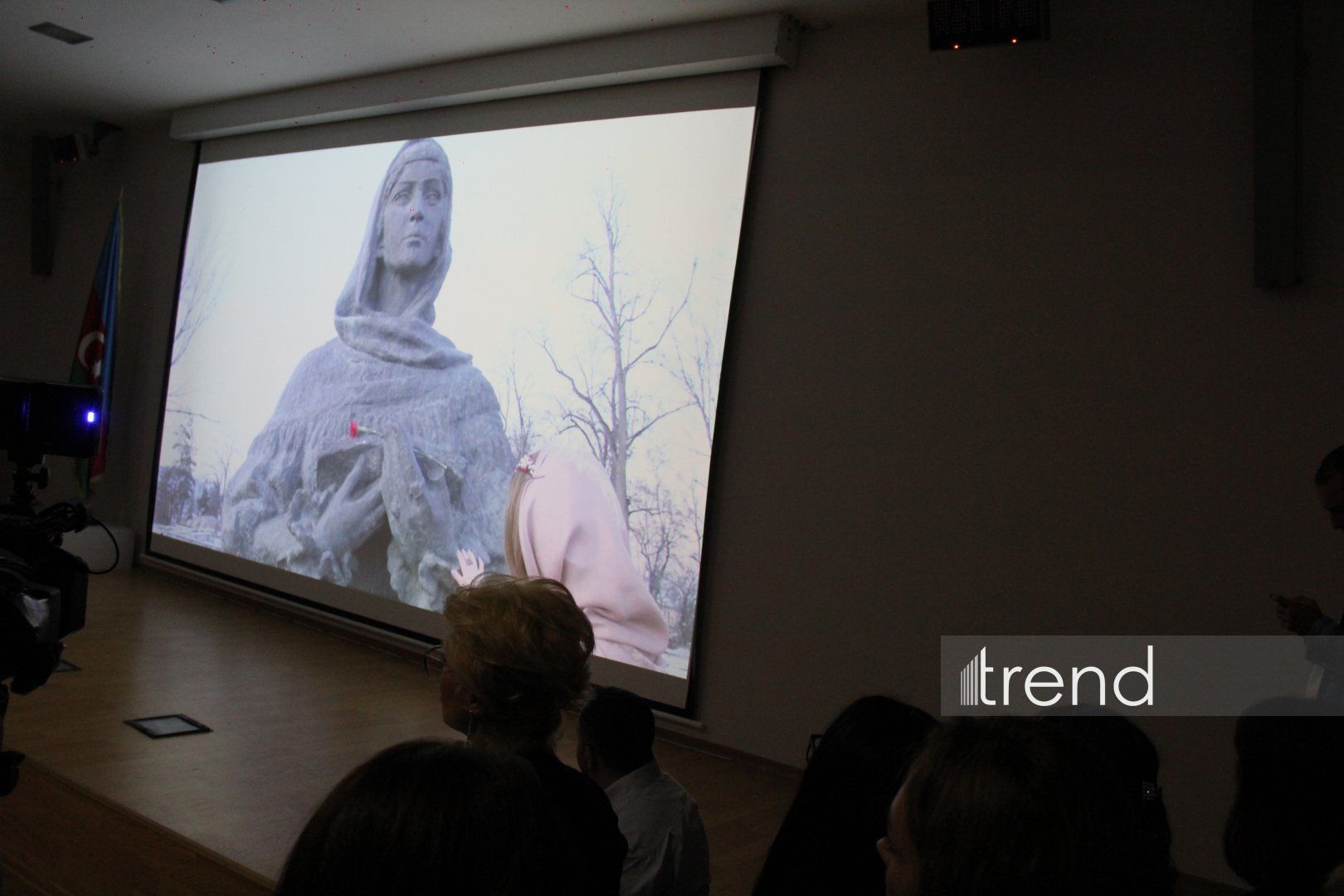
The screening, held as part of the “Cinema at the Museum” project, attracted considerable public interest. The auditorium was packed, with no seats left, and some visitors chose to watch the film standing rather than miss the premiere. The event was marked by an enthusiastic audience response, emotional reactions and a discussion following the screening.
At the beginning of the event, participants observed a minute of silence in memory of National Leader Heydar Aliyev and the martyrs who gave their lives for Azerbaijan's freedom and territorial integrity.
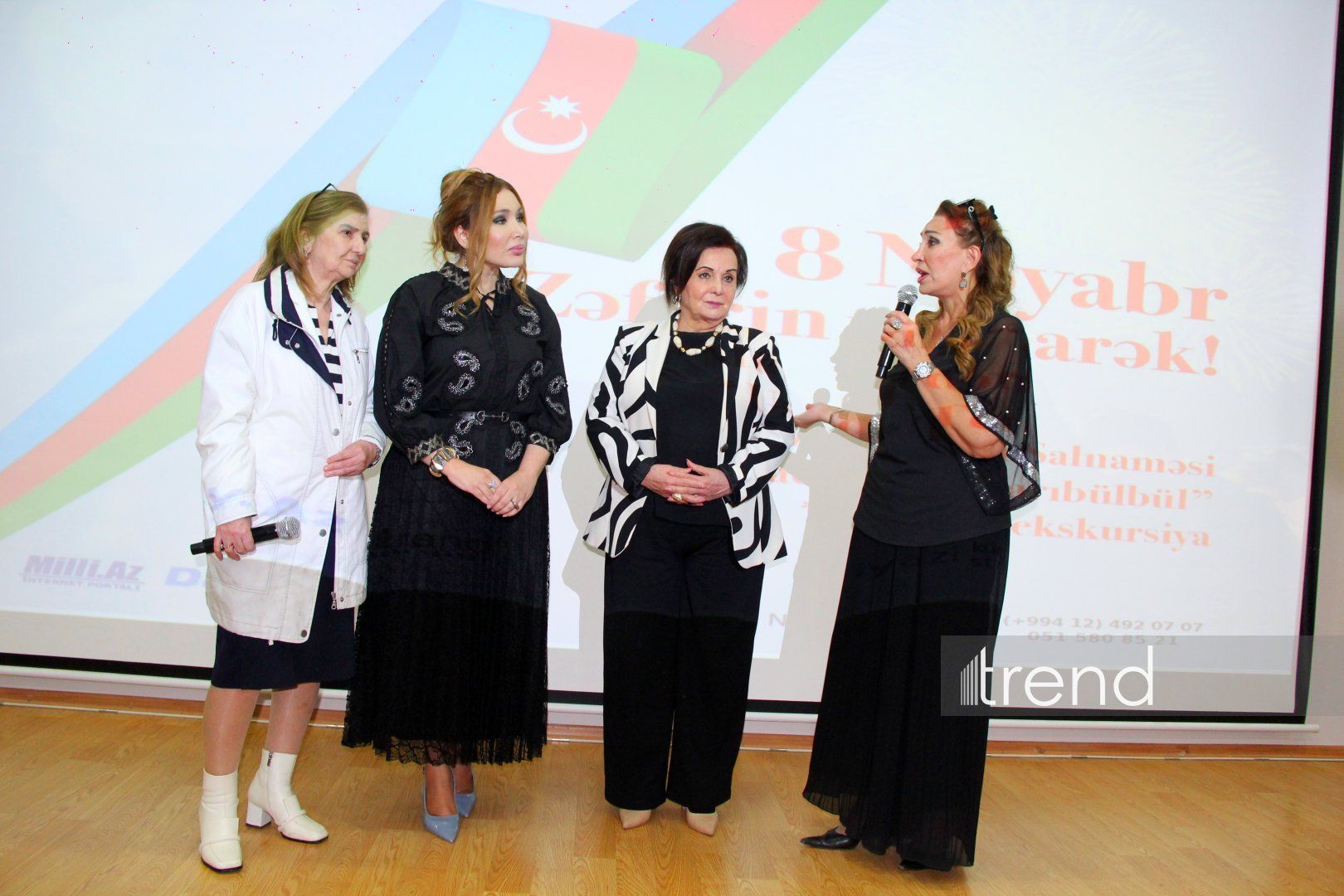
The opening ceremony highlighted the significance of presenting the film ahead of the sixth anniversary of Victory Day, celebrated on November 8 to mark Azerbaijan's victory in the 44-day Patriotic War. The documentary was described not only as a tribute to an outstanding daughter of Karabakh but also as a contribution to preserving the historical and cultural heritage of the liberated territories.
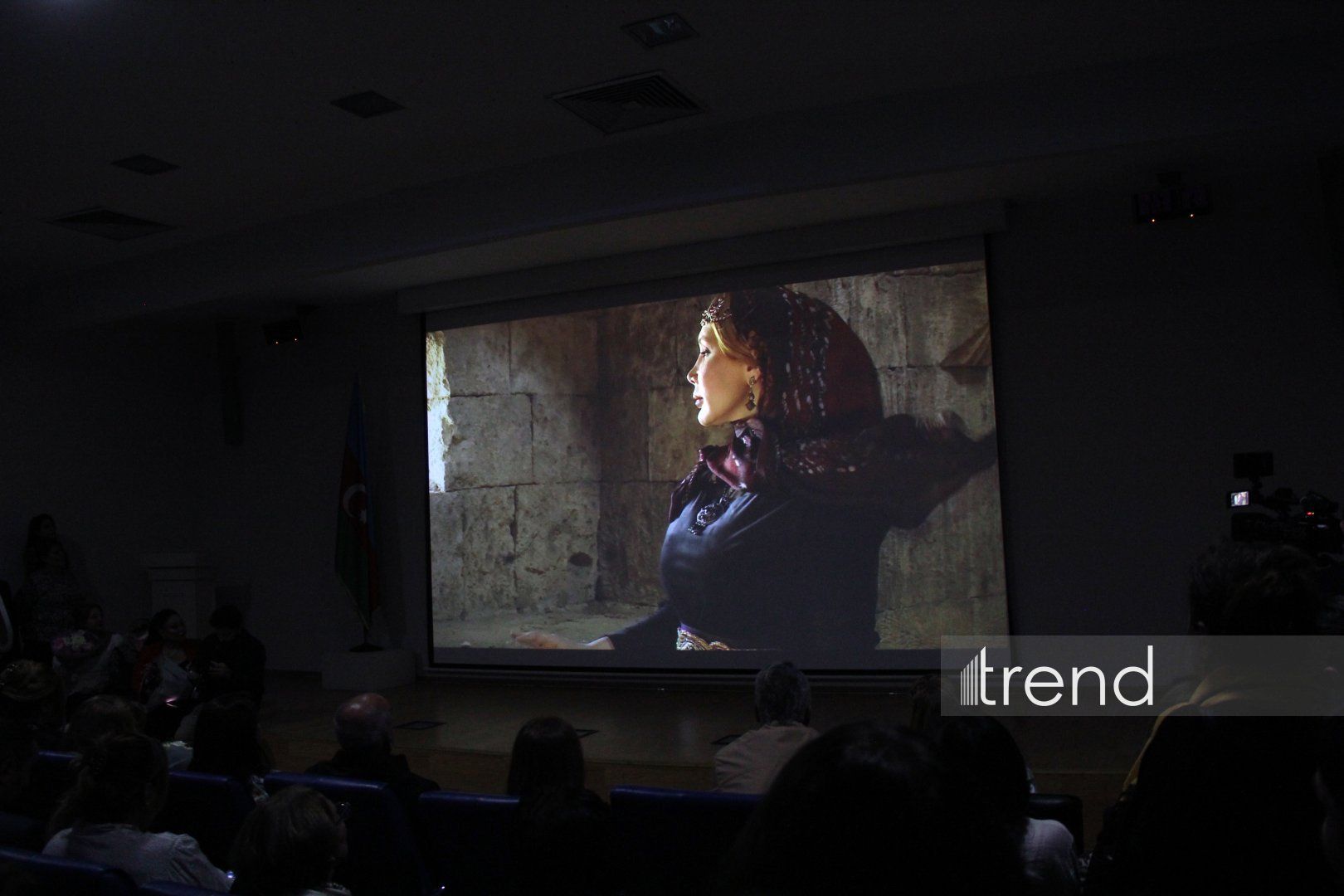
The project's concept and chief consultancy were provided by renowned fashion designer, artist and associate professor at the Azerbaijan State University of Culture and Arts, Honoured Art Worker Fakhria Khalafova. The screenplay was written by folklorist, journalist, poet and playwright Farida Hijran Valiyeva. Khalafova herself portrays the main character.
The film was produced to mark the 190th anniversary of Khurshidbanu Natavan's birth. Its creation involved extensive research, which brought to light previously little-known details about the poet's life, work and family heritage.
One of the documentary's distinctive features is its original narrative approach. Descendants of Khurshidbanu Natavan's family took part in the film, sharing personal memories, information and stories passed down through generations. Their contributions offer a more vivid and comprehensive portrait of Khan gizi, presenting her not only as an outstanding poet and public figure but also as a woman who left a lasting mark on the cultural and social life of Karabakh.
The project was carried out in 2021-2022, and its premiere took place on Mədəniyyət TV in 2023.
Filming locations included Aghdam, Shusha, the historic Imarat complex - the ancestral estate of Panah Ali Khan, founder of the Karabakh Khanate - and Shahbulag Fortress. Shusha, the city inseparably linked to Natavan's life, occupies a particularly important place in the documentary.
"Our main goal is to bring the life and work of this remarkable figure to the attention of the international community and showcase Karabakh's historical and cultural heritage. Extensive research was conducted during the project, and new facts were uncovered and incorporated into the film," Fakhria Khalafova said.
Khurshidbanu Natavan was not only a talented poet and public figure but also a skilled artist and architect. She personally designed her house in Shusha, which later became one of the city's cultural centres. Literary and musical gatherings were held there, bringing together renowned poets, mugham performers and folk singers.
One of the most emotionally challenging parts of the filming took place inside Natavan's partially ruined house in Shusha, which was damaged during the Armenian occupation. Despite the risk of structural collapse and difficult conditions, the crew decided to film inside the historic building to capture its authentic atmosphere.
"Even in its partially ruined state, Khurshidbanu Natavan's house captivates with its architectural elegance. I have visited many countries around the world, but nowhere have I seen an architectural monument quite like this one, with passageways and arches filled with the light of the mountain sun. And all of it was designed by Khan gizi herself," Khalafova noted.
The two-storey 19th-century house was once considered one of the most beautiful buildings in Shusha. Its spacious reception hall, decorated with wall paintings and intricate alabaster carvings, was illuminated by large, colourful stained-glass windows known as shebeke. In the early 1930s, the building housed a children's music school established on the initiative of Bulbul, a pioneer of Azerbaijan's national vocal art. It later became the Karabakh branch of the Nizami Ganjavi Museum of Literature.
The documentary also explores Natavan's educational and charitable activities. In 1873, she financed the construction of Shusha's first water supply system, bringing water from the Isa Bulaghi spring through a pipeline approximately 10 kilometres long. The project secured her place in history not only as a member of the khan's family and a literary figure but also as someone deeply concerned about the well-being of her city's residents.
Another storyline focuses on the family roots of the film's creators. Khurshidbanu Natavan had three children: Mehtigulu Khan Vafa, Mir Hasan Agha Mir and Khanbika Khanum. One of Mehtigulu Khan Vafa's daughters married into the Khalafbekov family, a prominent Karabakh bek lineage to which Fakhria Khalafova also belongs. The Khalafbekovs' house still stands in Shusha, although it too was damaged during the occupation. It was there that Khalafova's father, prominent public figure and Honoured Engineer Rafik Khalafov, was born.
The image of old Shusha gives the documentary particular emotional depth. According to the film's narrative, the spirit of Khan gizi seems to return to her home in the liberated city. Despite the destruction, the building continues to preserve memories of an era when prominent members of the creative intelligentsia gathered there, literary evenings and social events were held, and new talents emerged. The house once served as one of the cultural hearts of Shusha.
"It was incredibly emotional and difficult for me to portray this character. I felt as though I had travelled back in time and was experiencing Khurshidbanu Natavan's emotions myself, while looking at the destruction with a heavy heart. The memory of the last princess of the Karabakh Khanate lives on in the hearts of Azerbaijanis. Khan gizi's house will certainly be restored, and life will return to it, with important events and cultural evenings held there once again," Khalafova added.
The film goes beyond the story of one remarkable individual. It also explores historical memory, Karabakh's cultural heritage, national costume traditions and the enduring connection between generations. Through Natavan's life, the filmmakers seek to showcase the richness of Azerbaijani culture and underline the importance of preserving historical monuments.
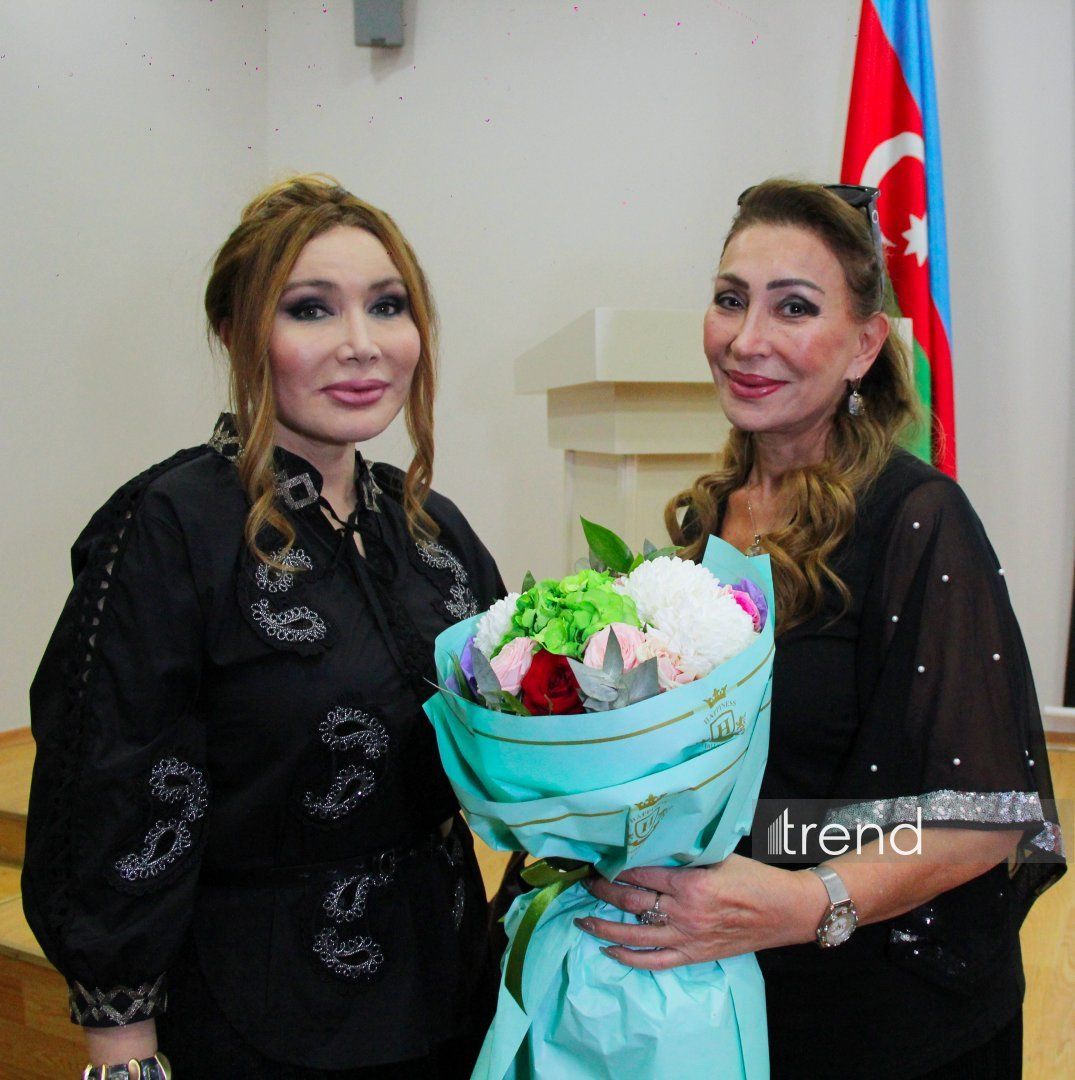
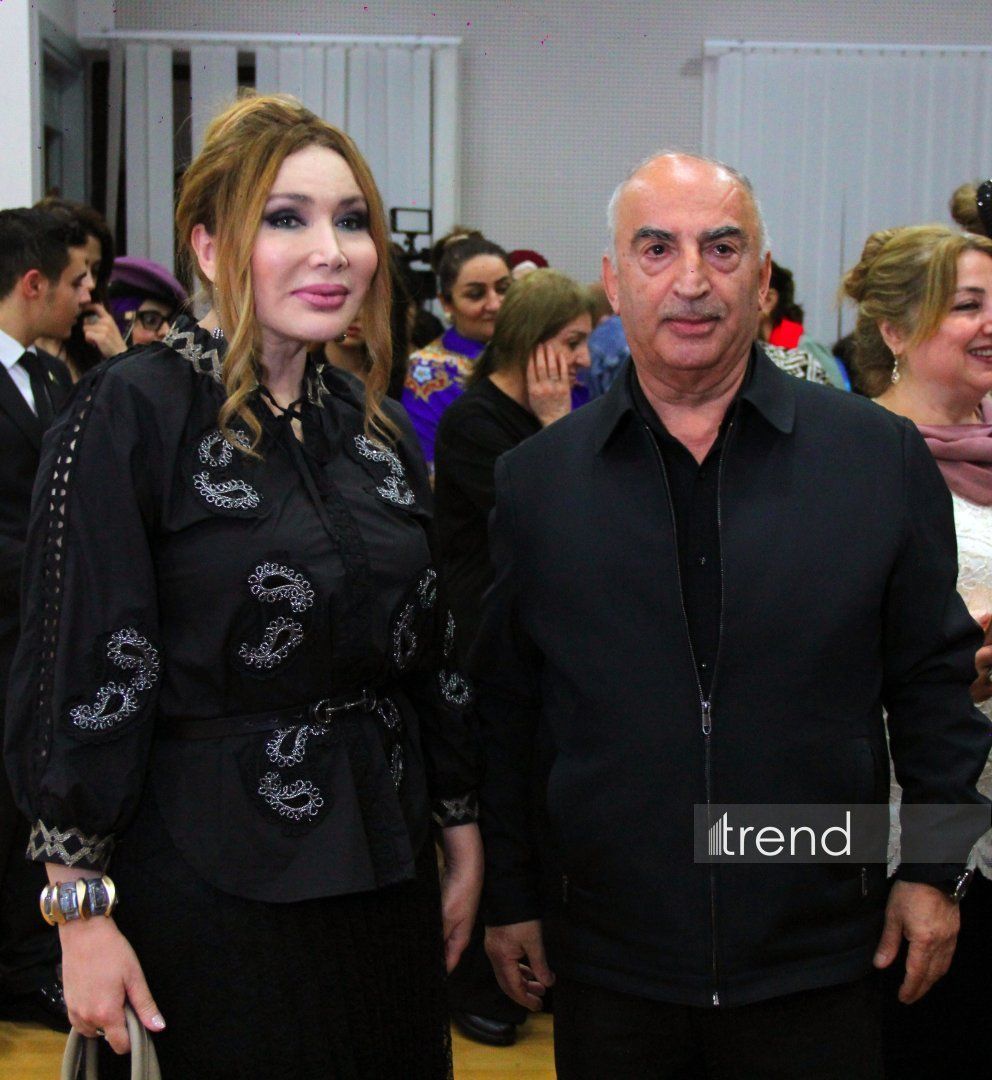
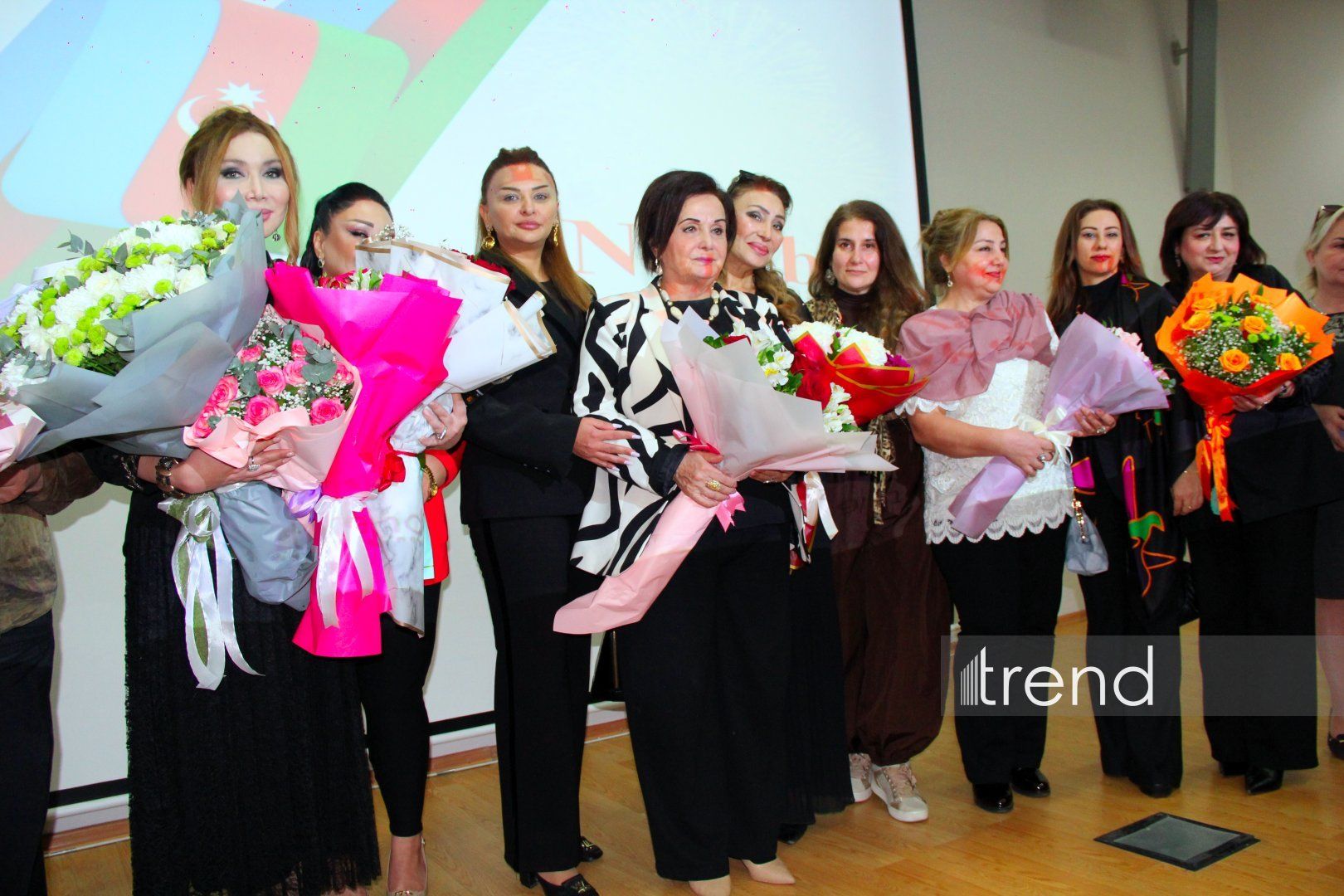
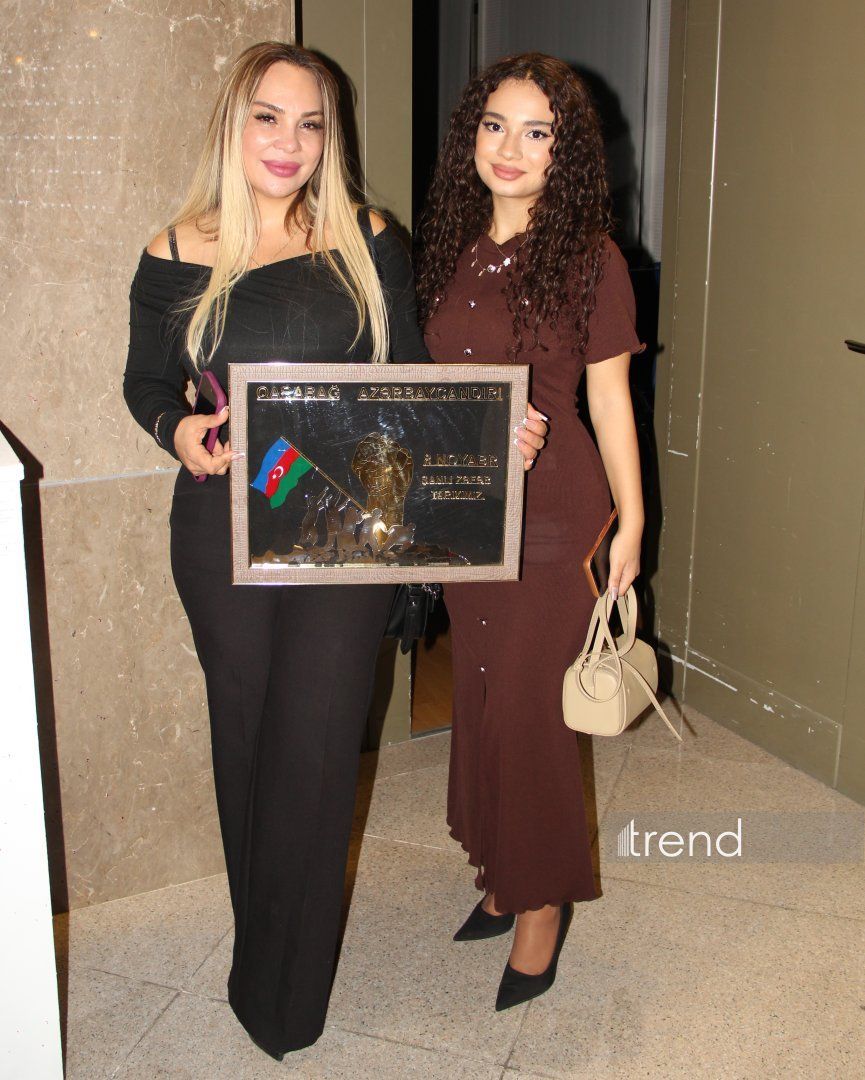
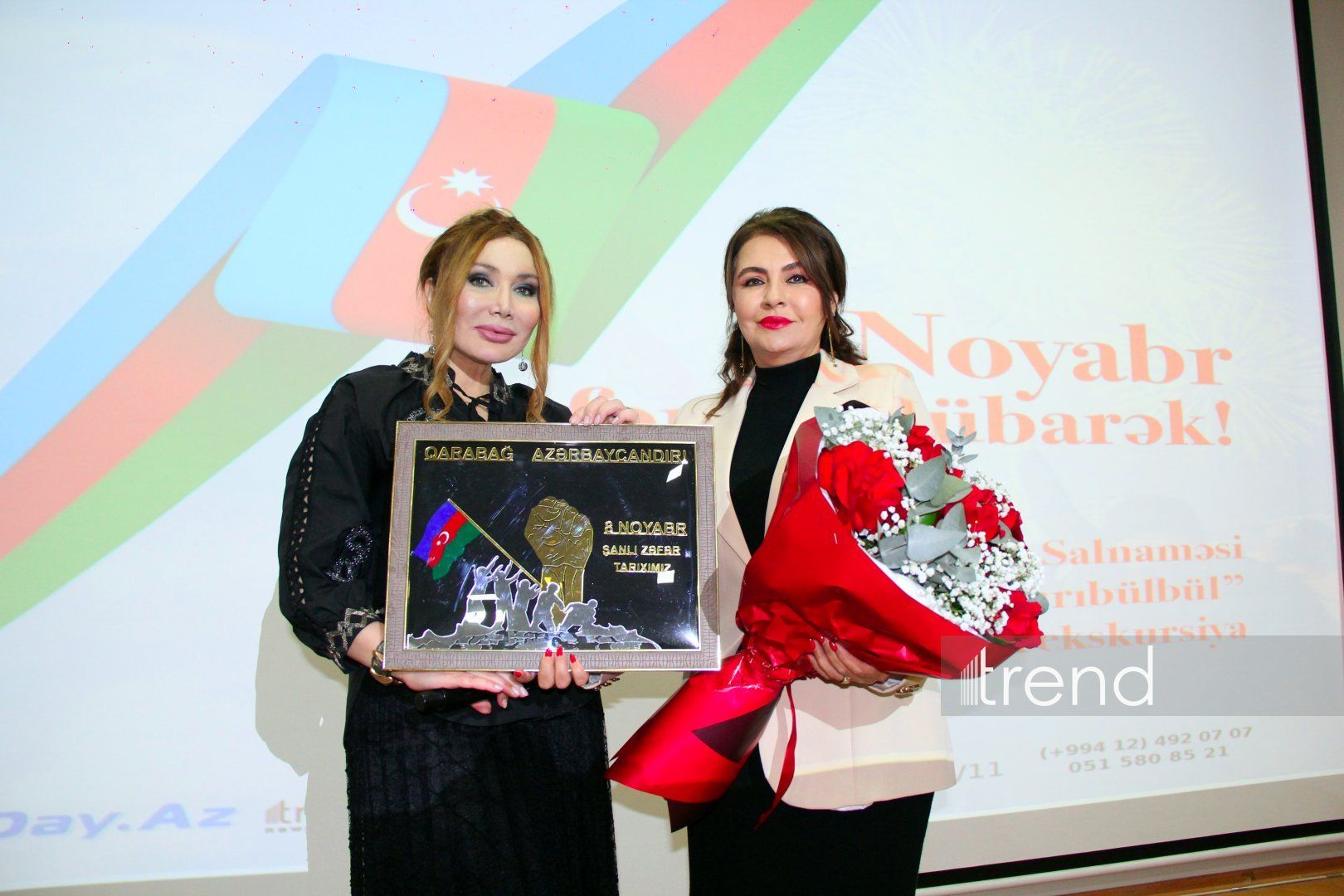
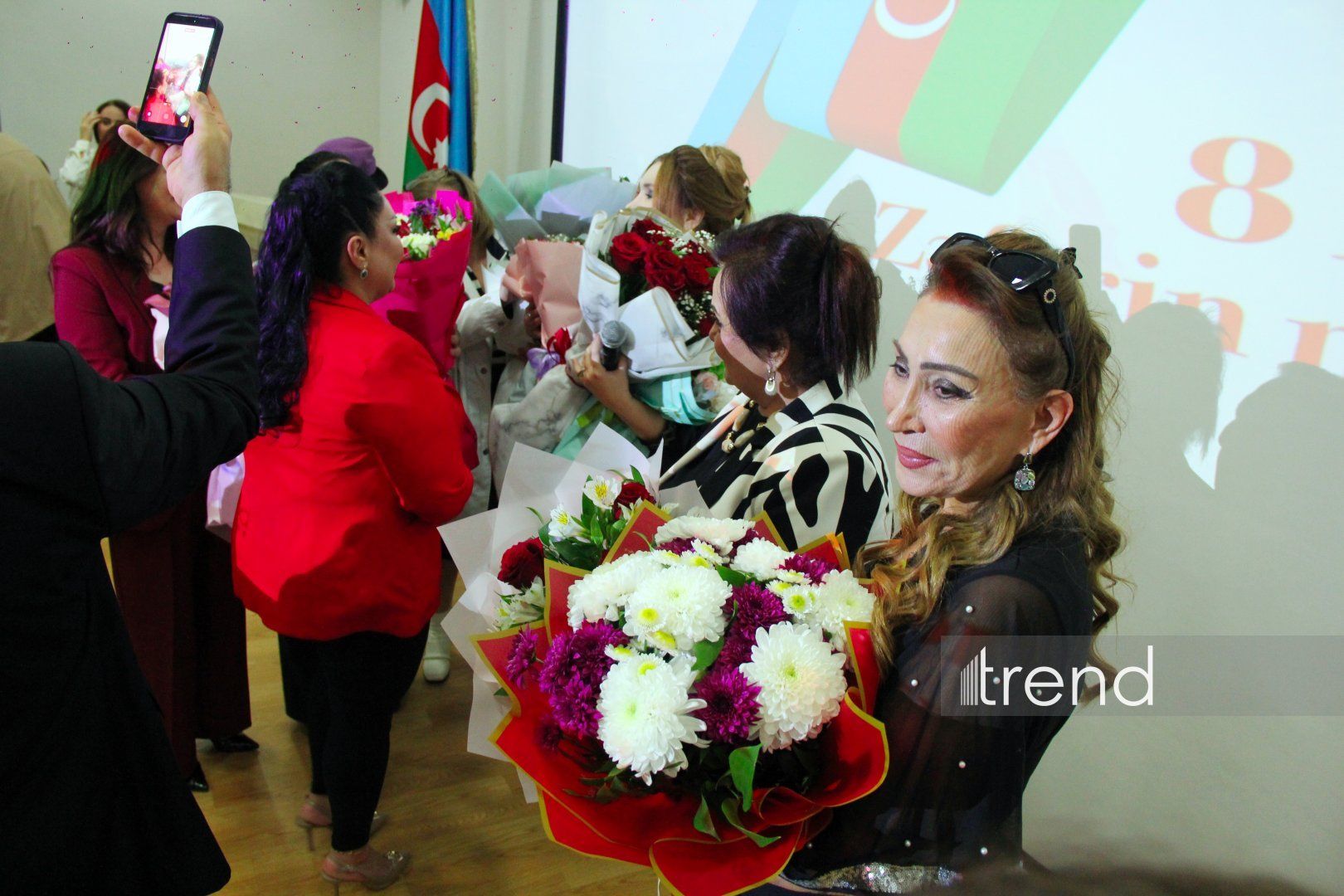
The presentation concluded with applause. People's Writer Natig Rasulzade, Honoured Artist Nakhida Orujova, Chairwoman of the Public Association of Women Entrepreneurs of Azerbaijan Zemfira Aghayeva, and representatives of the creative community Zarifa Guliyeva and Farida Hijran praised the significance of the project.
The strong public interest and emotional response demonstrated that the story of Khan gizi continues to resonate with contemporary audiences. The filmmakers plan to submit the documentary to international film festivals to introduce Khurshidbanu Natavan's legacy to viewers abroad.
Here we are to serve you with news right now. It does not cost much, but worth your attention.
Choose to support open, independent, quality journalism and subscribe on a monthly basis.
By subscribing to our online newspaper, you can have full digital access to all news, analysis, and much more.
You can also follow AzerNEWS on Twitter @AzerNewsAz or Facebook @AzerNewsNewspaper
Thank you!