
Shah Deniz gas output and tax revenues set to decline in 2027

Akbar Novruz
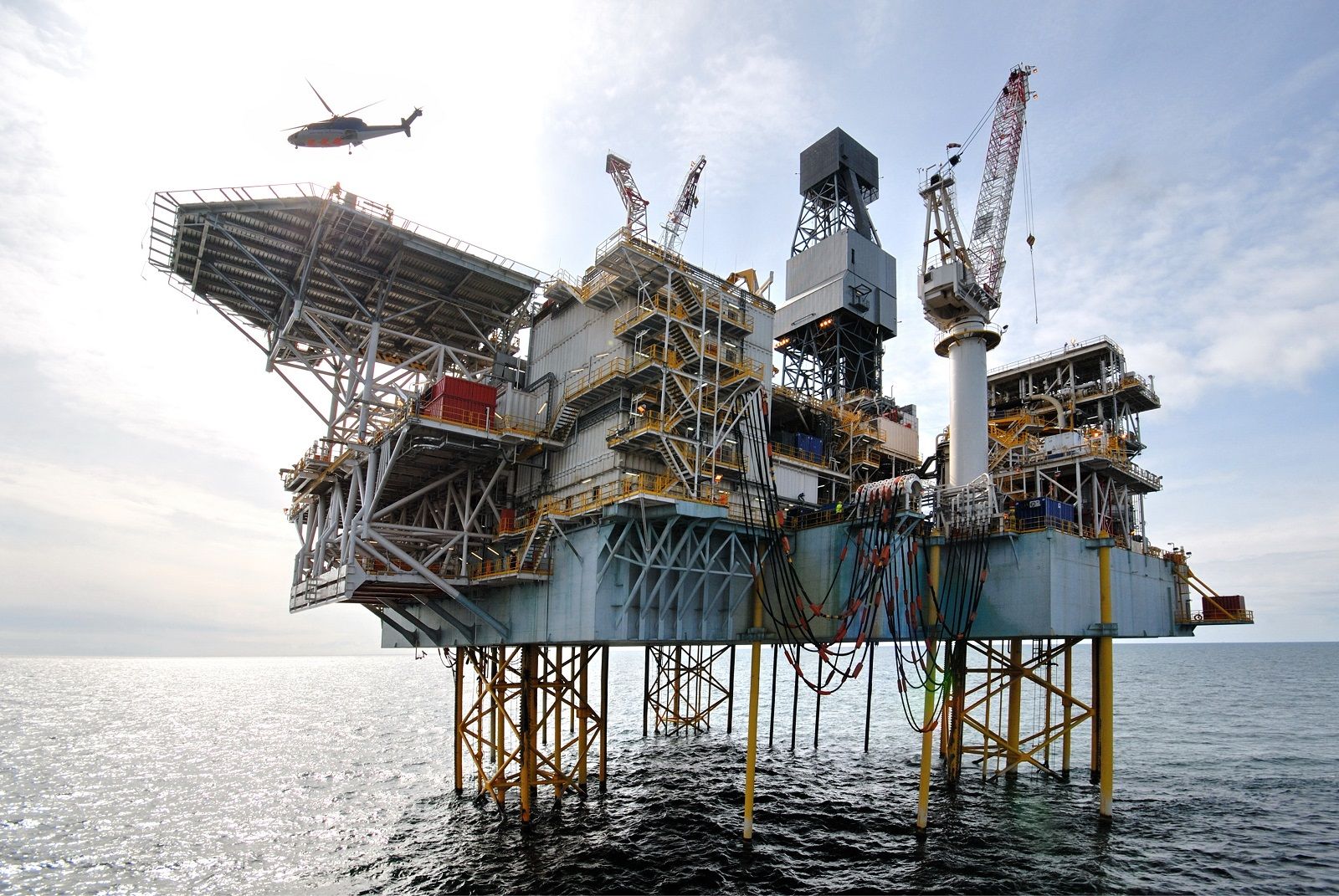
Read moreNatural gas and condensate production at Azerbaijan's Shah Deniz field in the Caspian Sea is expected to decline in 2027, accompanied by a reduction in profit tax revenues from the project, according to the country's draft state budget package for next year.
The budget projections indicate that condensate production will decrease by 0.5 million barrels, or 1.7%, while natural gas output is expected to fall by 0.2 billion cubic metres, equivalent to 0.7%, compared with the 2026 forecasts.
Based on the projected figures, condensate production could reach approximately 29.8 million barrels in 2027, while natural gas output is expected to stand at around 26.7 billion cubic metres.
Profit tax revenues from the Shah Deniz project are forecast at AZN 1.42 billion ($835.3 million) in 2027, representing a decline of AZN 180 million ($105.9 million), or 11.3%, compared with the 2026 projection.
The figure is also AZN 840.3 million ($494.3 million), or 37.2%, below the actual profit tax revenues recorded in 2025.
According to the budget documents, the anticipated decline in tax receipts reflects both lower hydrocarbon production and more conservative natural gas price assumptions.
In particular, the projected price of natural gas at European trading hubs for 2027 is 6.8%, or $30, below the level assumed for 2026.
Production decline already reflected in 2026 forecasts
For 2026, condensate production at Shah Deniz is projected at 30.3 million barrels, while natural gas output is expected to reach 26.9 billion cubic metres.
Compared with 2025, these figures represent a reduction of 3.3 million barrels, or 10.4%, in condensate production and 0.6 billion cubic metres, or 2.2%, in natural gas output.
The budget documents also identify lower European gas prices as a major factor behind the anticipated decline in profit tax revenues in 2026.
The assumed European hub price for natural gas is 15.3%, or $73.8, below the level used for the previous year.
Production data for the first nine months of 2026 indicate that the downward trend has already materialised.
Between January and September, the Shah Deniz Alpha and Shah Deniz Bravo platforms jointly produced approximately 20 billion standard cubic metres of natural gas and 21 million barrels of condensate.
Compared with the corresponding period of 2025, natural gas production decreased by 1 billion standard cubic metres, or 5%, while condensate output declined by 3 million barrels, equivalent to 12.5%.
The combined production capacity of the Shah Deniz facilities currently stands at approximately 79 million standard cubic metres per day, equivalent to 28.8 billion standard cubic metres annually.
Shah Deniz remains a major pillar of Azerbaijan's energy sector
Located approximately 70 kilometres southeast of Baku in the Azerbaijani sector of the Caspian Sea, Shah Deniz is one of the country's principal natural gas and condensate developments.
The production-sharing agreement covering the exploration, development and production of the field was signed on June 4, 1996, and ratified on October 17 of the same year.
The field was discovered in 1999 and subsequently developed into a major source of natural gas for Azerbaijan and international markets.
Under agreements signed in Baku on December 17, 2013, the production-sharing agreement was extended by ten years, from 2036 to 2046.
The Shah Deniz consortium comprises bp, which operates the project with a 29.99% stake; Lukoil with 19.99%; Türkiye's TPAO with 19%; Southern Gas Corridor with 16.02%; NIKO with 10%; and Hungary's MVM with 5%.
Here we are to serve you with news right now. It does not cost much, but worth your attention.
Choose to support open, independent, quality journalism and subscribe on a monthly basis.
By subscribing to our online newspaper, you can have full digital access to all news, analysis, and much more.
You can also follow AzerNEWS on Twitter @AzerNewsAz or Facebook @AzerNewsNewspaper
Thank you!